
 한국어
한국어 English
 日本語
日本語 中文(简体)
Dosage form image
Viewing nowParotin 20mg (Atorvastatin Calcium)
Atorvastatin Calcium
Prescription medication
Pharmaking Co., Ltd.
MFDS item code 201307466 · Approved 2013.05.24
This product's status changed to Expired on 2023.05.24. It may no longer be sold, so consult a doctor or pharmacist before taking it.
Reduction of the risk of myocardial infarction and stroke, improvement of hyperlipidemia, treatment of familial hypercholesterolemia
This medication is used to reduce the risk of cardiovascular diseases and improve hyperlipidemia. In particular, it lowers the risk of myocardial infarction, stroke, vascular surgery, and angina, and also reduces the risk of hospitalization due to congestive heart failure. Additionally, it is effective in lowering total cholesterol and LDL-cholesterol levels in patients with hypercholesterolemia and dyslipidemia, and in increasing levels of good cholesterol. It can also be safely used in children with familial hypercholesterolemia, allowing for effective management of cholesterol levels. This medication is used to improve cardiovascular health and reduce related risks.
For the treatment of hyperlipidemia, the recommended initial dose is 10 mg once daily, and if greater LDL-cholesterol reduction is needed, it may be initiated at 20 mg or 40 mg once daily. The general dosage range is 10-80 mg once daily. The initial and maintenance doses should be individualized based on treatment goals and patient characteristics, with lipid levels analyzed within 2-4 weeks after initiating therapy to adjust the dosage. In the case of homozygous familial hypercholesterolemia, the administration dose is 10-80 mg once daily, and it may be given in conjunction with other lipid-lowering therapies (e.g., LDL apheresis) or if those therapies are not feasible.
The recommended initial dose for pediatric patients with heterozygous familial hypercholesterolemia (ages 10-17) is 10 mg once daily, with a maximum dose of 20 mg once daily. Dosage adjustments should be made at intervals of 4 weeks or more.
This medication may carry a risk of muscle problems, so symptoms such as muscle pain, weakness, or cramps should be reported to a doctor immediately. In particular, if there is a significant increase in the level of creatine kinase in blood tests, the use of this medication may need to be discontinued. Individuals with liver function issues or hepatitis must consult a doctor before using this medication and should have regular liver function tests while on treatment. Women who are pregnant or may become pregnant should not take this medication and should use appropriate contraceptive methods during treatment. Moreover, breastfeeding women should also avoid this medication and discontinue breastfeeding if they are using it. Children, especially those under 10 years of age, should not take this medication, and safety and efficacy have not been thoroughly established for children aged between 10 and 18 years. Elderly patients or those with decreased kidney function are at higher risk for muscle adverse reactions, so caution is required during use and dosage should be adjusted according to a doctor’s instructions. This medication may interact with other drugs, so it is essential to inform the doctor or pharmacist if taking specific antibiotics, antifungals, antivirals, antihypertensives, or hypoglycemics. The intake of grapefruit juice should be avoided as it may increase the blood concentration of this medication, raising the risk of side effects. If symptoms such as muscle pain, fever, or fatigue occur during the use of this medication, immediate medical attention is required for examination and treatment. There is no specific antidote for overdose; treatment should be based on symptoms while monitoring liver function and muscle condition. Keep this medication out of the reach of children and store it in its original container.
Hives, severe swelling (edema), chest tightness, difficulty breathing, cold sweat, pallor, severe rash with fever, blisters, skin peeling, pain in oral/eye mucosa, shortness of breath or difficulty breathing, asthma attack, abnormal respiratory sounds with cough and fever, jaundice (yellowing of skin or eyes), extreme lethargy, sudden and severe headache, lightning-like headache, seizures, confusion, visual disturbances, paralysis, urination changes
Not everyone experiences these, and they can vary from person to person.
This medication should be stored in a tightly sealed container to protect against air and moisture. It is also important to maintain room temperature between 1°C and 30°C when storing the medication. This will help preserve the efficacy of the medication and ensure safe use.
White oval film-coated tablet
30 tablets/bottle, 100 tablets/bottle
Even with the same ingredient, strength, dosage form and how it is taken can differ.
Atorvastatin Calcium
Prescription medication
Pharmaking Co., Ltd.
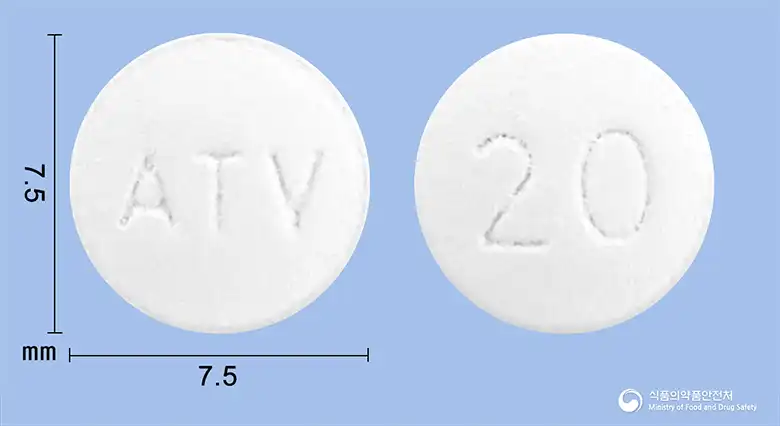
Atorvastatin Calcium Trihydrate 21.7mg
Tablet · Prescription medication
Viatris Korea Co., Ltd.
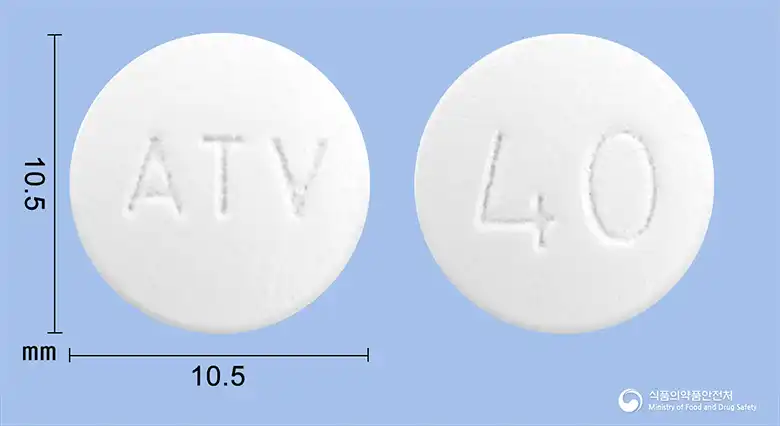
Atorvastatin Calcium Trihydrate 43.4mg
Tablet · Prescription medication
Viatris Korea Co., Ltd.
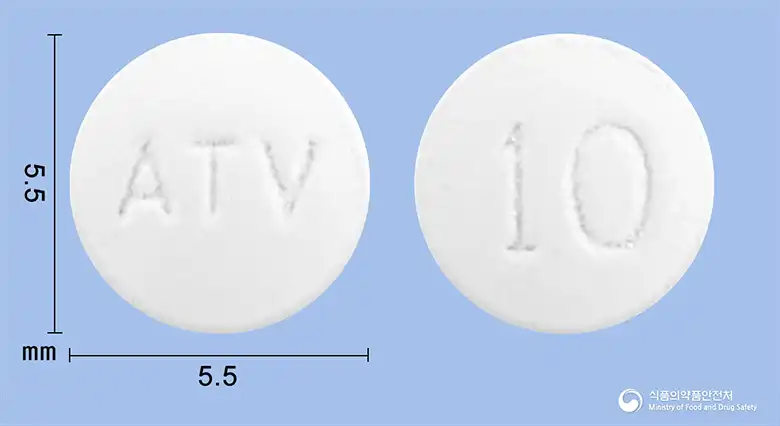
Atorvastatin Calcium Trihydrate 10.85mg
Tablet · Prescription medication
Viatris Korea Co., Ltd.
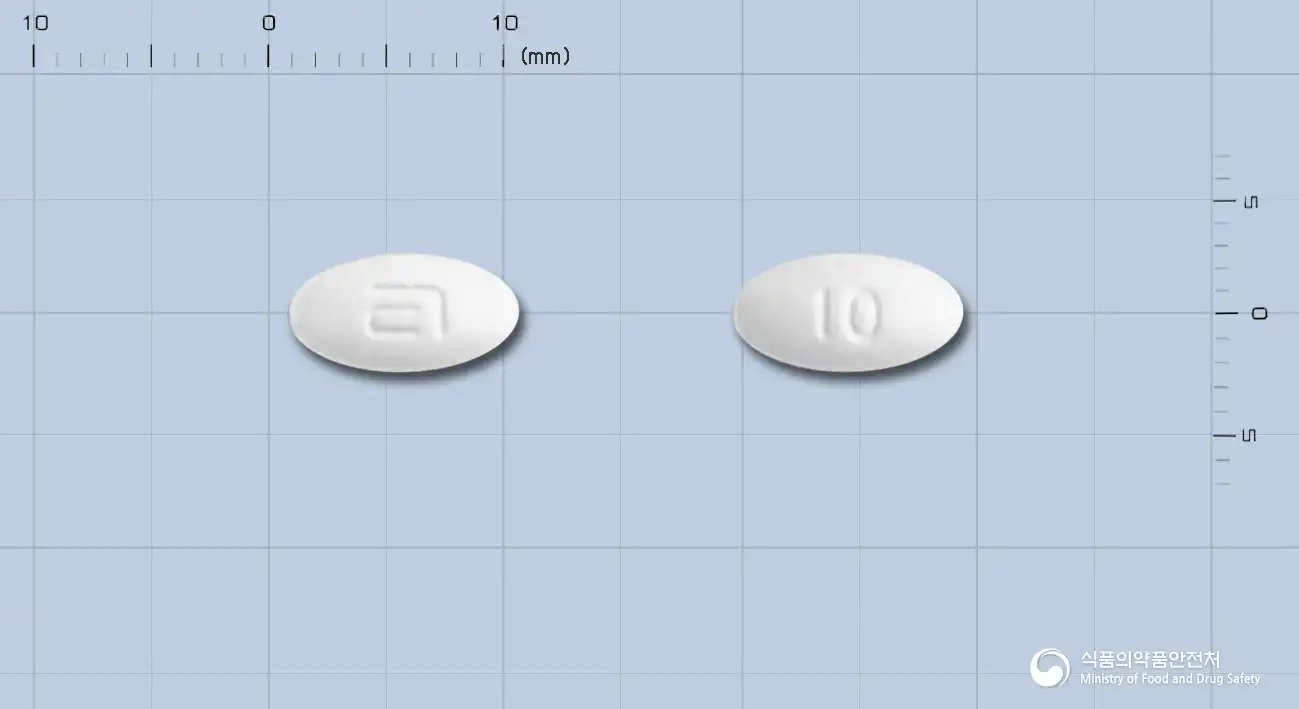
Atorvastatin Calcium Trihydrate 10.85mg
Tablet · Prescription medication
Kyungdong Pharmaceutical Co., Ltd.
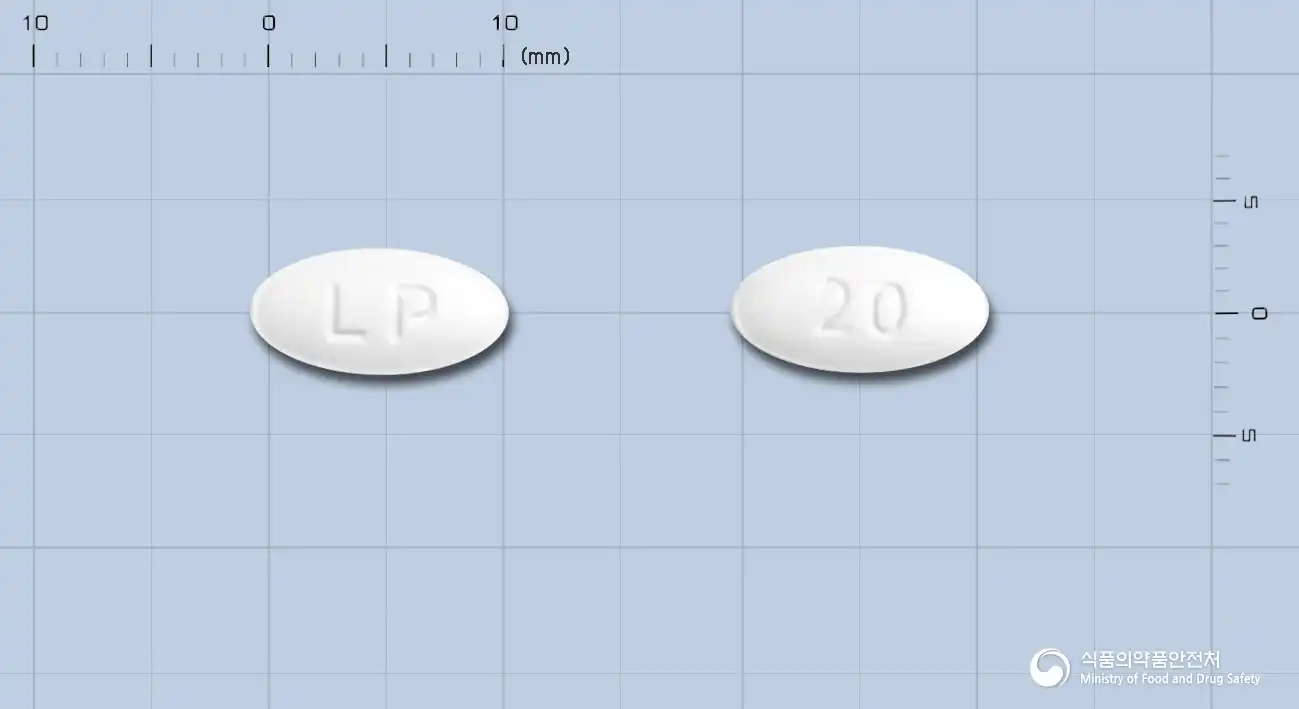
Atorvastatin Calcium Trihydrate 21.69mg
Tablet · Prescription medication
Shinil Pharmaceutical Co., Ltd.
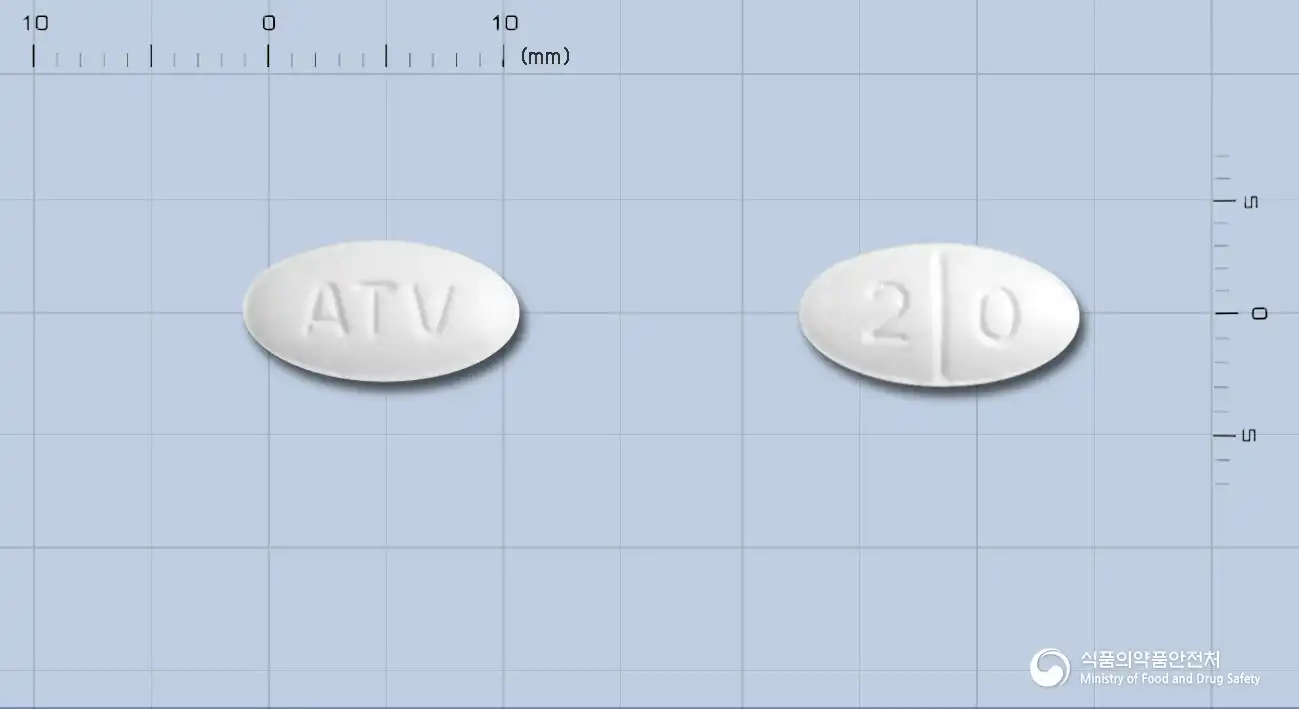
Atorvastatin Calcium Trihydrate 21.69mg
Tablet · Prescription medication
Daewon Pharmaceutical Co., Ltd.
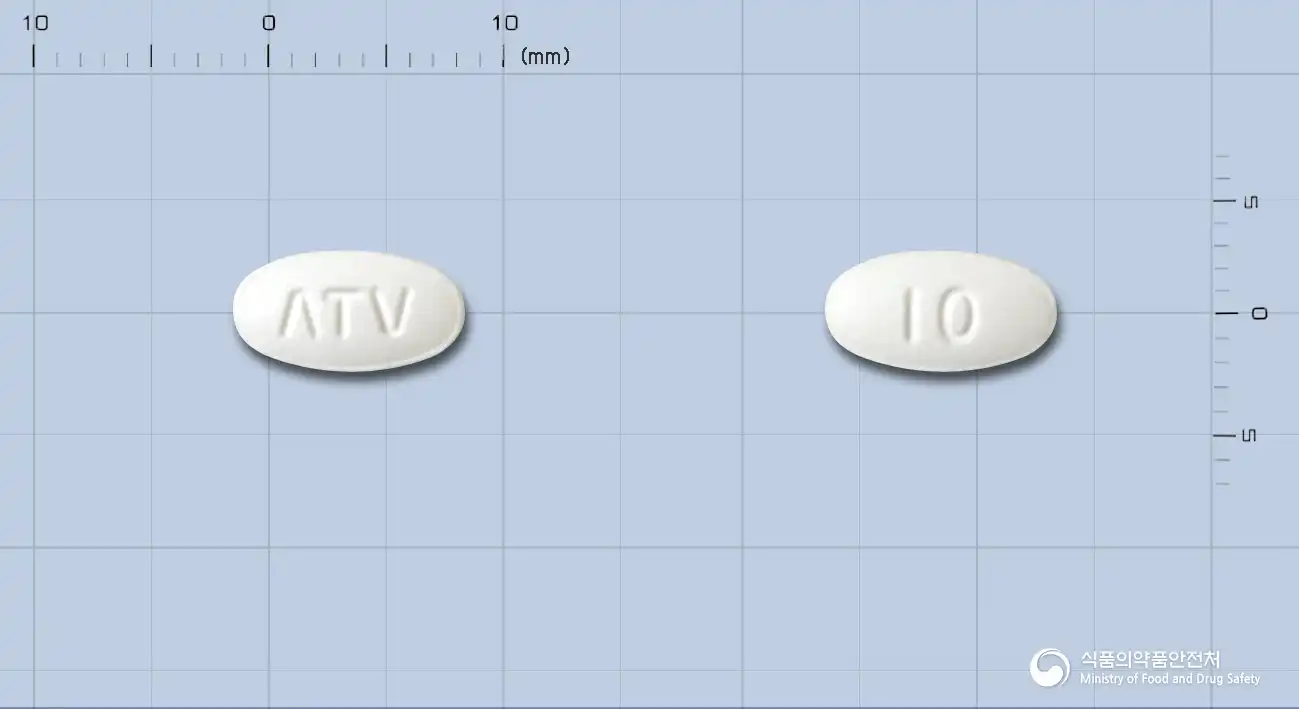
Atorvastatin Calcium Trihydrate 10.845mg
Tablet · Prescription medication
Daewon Pharmaceutical Co., Ltd.
Even with the same ingredient, the dose and directions can differ by strength and dosage form. Talk to a doctor or pharmacist before switching from a medication you are already taking.
No questions yet.
For anything that needs medical judgment, consult a doctor or pharmacist.
This drug information is based on data provided by the Korea Ministry of Food and Drug Safety.
Consult a doctor or pharmacist for accurate dosage, administration, and usage instructions.