
 한국어
한국어 English
 日本語
日本語 中文(简体)
Dosage form image
Viewing nowGrid Tablet (Glimepiride)
Glimepiride
Prescription medication
Future Bio Pharmaceutical Co., Ltd.
MFDS item code 201307112 · Approved 2013.04.29
This product's status changed to Expired on 2023.04.29. It may no longer be sold, so consult a doctor or pharmacist before taking it.
Improvement of blood sugar control in Type 2 diabetes
This medication is used in conjunction with dietary and exercise therapies to help patients with Type 2 diabetes regulate their blood sugar levels. It can be administered alone or in combination with other hypoglycemic agents or insulin if blood sugar control is inadequate. Particularly, when oral sulfonylureas or metformin monotherapy is insufficiently effective, it is used alongside metformin to improve blood sugar control. It assists in blood sugar management in various ways, contributing to the maintenance of a healthy life.
Administer 1 mg of glimepiride once daily to start. If necessary, increase the dose by 1 mg at intervals of 1-2 weeks. Generally, there is little additional effect when doses exceed 4 mg, but some patients may increase up to 6 mg or 8 mg. It is administered orally once daily before breakfast or just before the first meal. It is very important not to skip meals.
This medication should not be used in patients with insulin-dependent diabetes mellitus, diabetic ketoacidosis, or in a comatose state. Additionally, it is not administered to patients who have had allergic reactions to this medication or its components, or those with severe liver or kidney dysfunction. It is also safer not to take this medication during pregnancy or breastfeeding. Patients who have severe infections, are undergoing surgery, or have severe trauma may require insulin treatment, so caution is necessary. Gastrointestinal disturbances such as diarrhea or vomiting can affect drug absorption, increasing the risk of hypoglycemia. Patients with inherited lactose metabolism disorders should not take this medication. During the first week of taking this medication, the risk of hypoglycemia is high, so blood sugar levels should be carefully monitored. Special caution is needed for the elderly, those with poor nutritional status, those with irregular eating habits, those where muscle activity and carbohydrate intake do not match, those with changes in eating patterns, those who frequently consume alcohol, and those with declining liver or kidney functions. Furthermore, the risk of hypoglycemia may also increase in patients with other endocrine disorders or those who have taken an overdose of medications. If symptoms of hypoglycemia occur during the use of this medication, the patient must immediately inform their doctor or pharmacist, and if necessary, the medication dose or administration method should be adjusted. This medication can cause hypoglycemia due to its blood sugar-lowering properties. Symptoms of hypoglycemia may include headache, severe hunger, nausea, vomiting, fatigue, anxiety, confusion, blurred vision, dizziness, drowsiness, and decreased consciousness. Severe hypoglycemia may lead to brain convulsions or coma, so caution is advised. Additionally, transient visual disturbances, gastrointestinal symptoms, liver function abnormalities, blood abnormalities, and allergic reactions may occur. If serious allergic symptoms such as hives or breathing difficulties develop, immediate medical treatment is necessary. When taking this medication, regular meals and exercise, as well as weight control if necessary, should be conducted, and if hypoglycemia occurs, quickly consuming sugar or sugary drinks can help adjust blood sugar levels. It is important to thoroughly inform patients and their families about methods of preventing and treating hypoglycemia. Furthermore, during stress situations, surgery, or infections where blood sugar control may be difficult, transition to insulin treatment may be necessary. This medication can interact with other drugs, affecting blood sugar control; thus, it is essential to inform the doctor or pharmacist when beginning or discontinuing other medications. Special caution is required when taken with drugs metabolized by the liver, and close monitoring of blood sugar changes should be conducted when combined with various medications that lower or raise blood sugar.
Hives, severe swelling (edema), shortness of breath, chest tightness, severe allergic reactions, hypotension, shock, severe cutaneous adverse reactions such as Stevens-Johnson syndrome, liver function abnormalities (hepatitis, jaundice), very rare hematological abnormalities (thrombocytopenia, leukopenia, hemolytic anemia, agranulocytosis, pancytopenia, thrombocytopenic purpura), anaphylaxis, coma due to severe hypoglycemia, convulsions, consciousness confusion, seizures,
Headache, severe hunger, nausea, vomiting, fatigue, sleep disturbances, anxiety, aggression, impaired concentration, reduced agility or responsiveness, depression, confusion, speech disturbances, aphasia, visual disturbances, tremors, incomplete paralysis, sensory disturbances, dizziness, weakness, loss of self-control, transient mental confusion, drowsiness, bradycardia, blurred vision, gastrointestinal disturbances (abdominal pain, diarrhea, etc.), taste disturbances, hair loss, weight gain, joint pain, indigestion, facial swelling,
Not everyone experiences these, and they can vary from person to person.
This medication may be sensitive to air and moisture; therefore, it should be stored in a tightly sealed container. It is advisable to keep it at a cool room temperature, between 1 degree and 30 degrees Celsius. This proper storage will help maintain the efficacy of the medication for a longer period.
Green rectangular tablet
30 tablets/bottle, 100 tablets/bottle
Even with the same ingredient, strength, dosage form and how it is taken can differ.
Glimepiride
Prescription medication
Future Bio Pharmaceutical Co., Ltd.
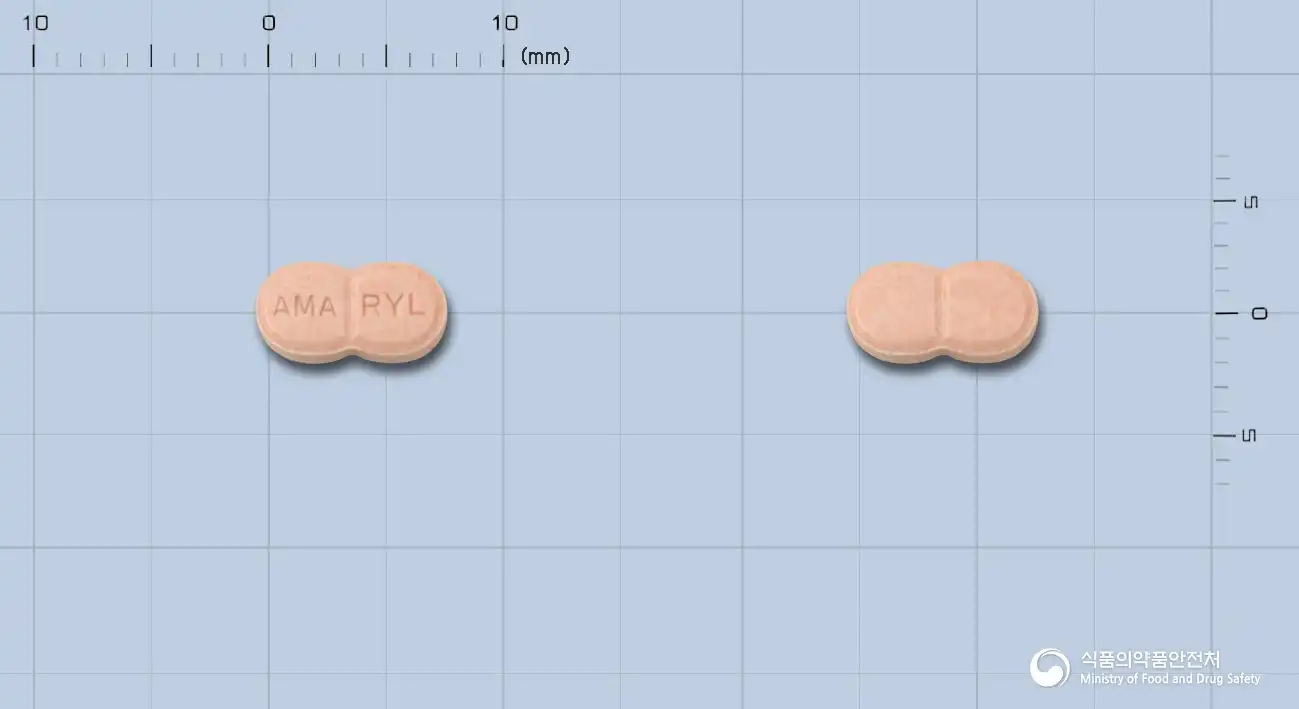
Glimepiride 1mg
Tablet · Prescription medication
Handok Co., Ltd.
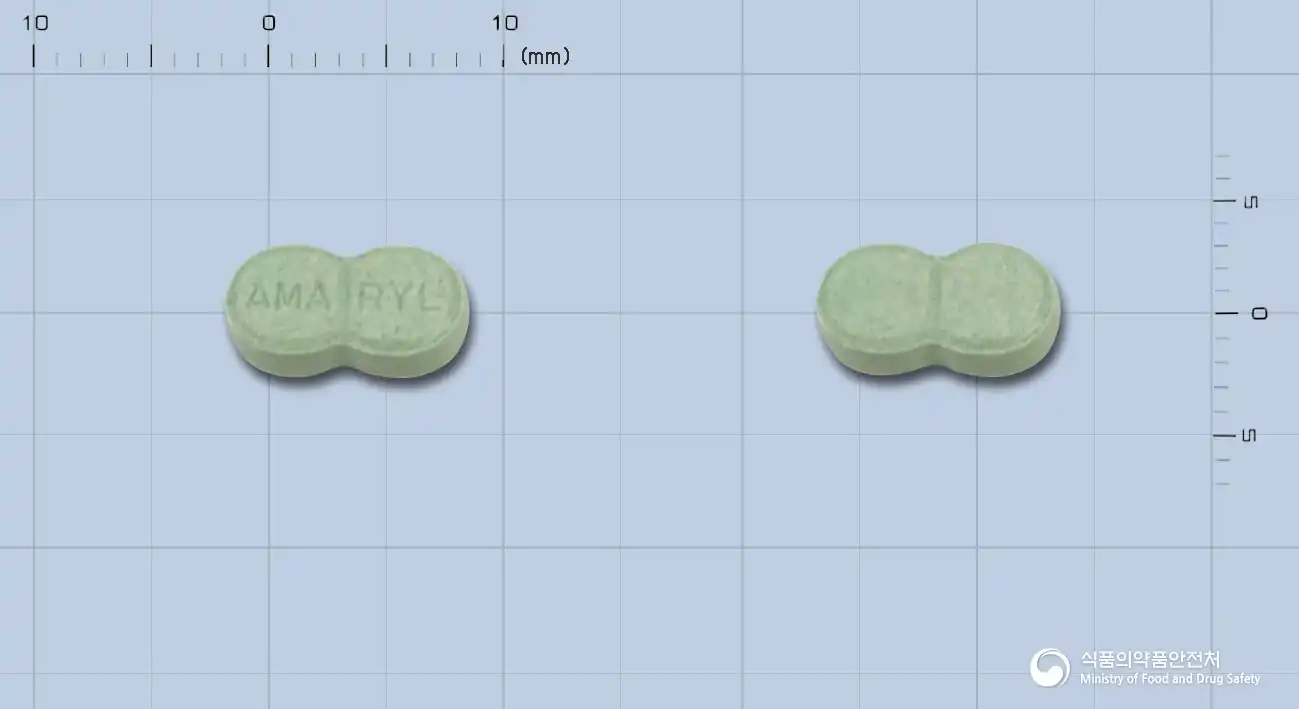
Glimepiride 2mg
Tablet · Prescription medication
Handok Co., Ltd.
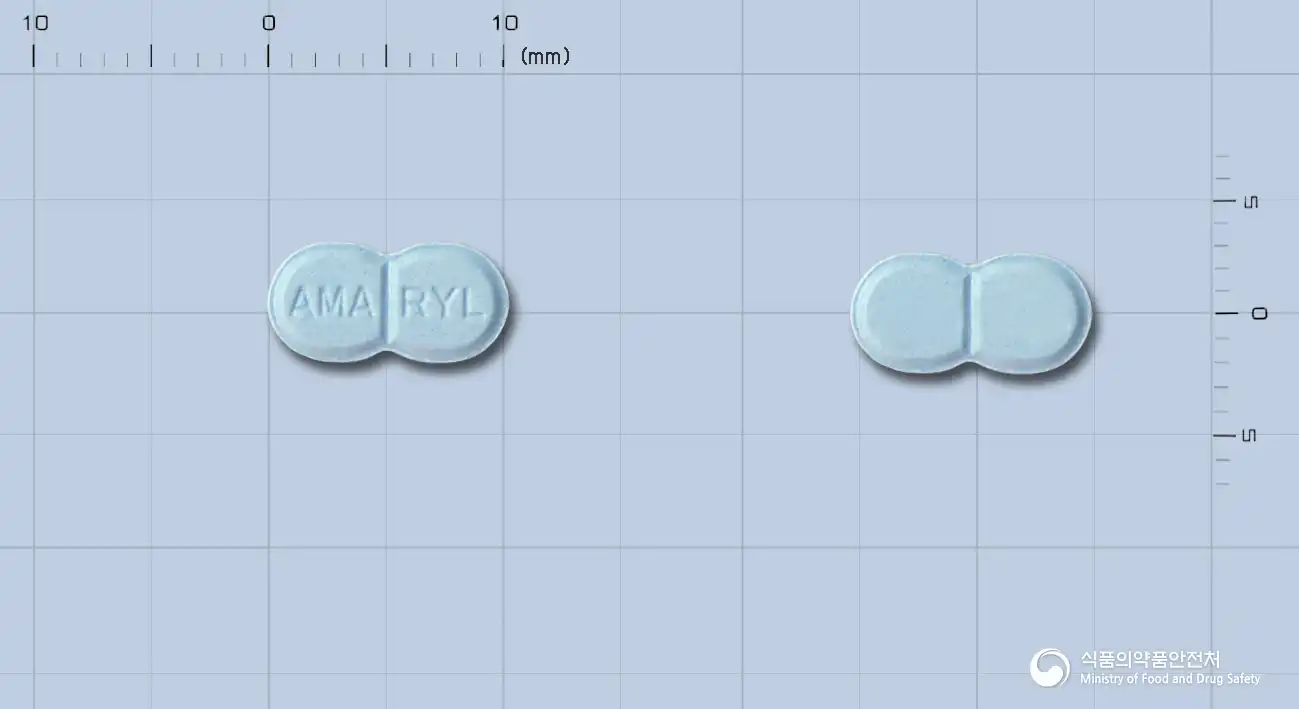
Glimepiride 4mg
Tablet · Prescription medication
(Hanmi Pharmaceutical Co., Ltd.)
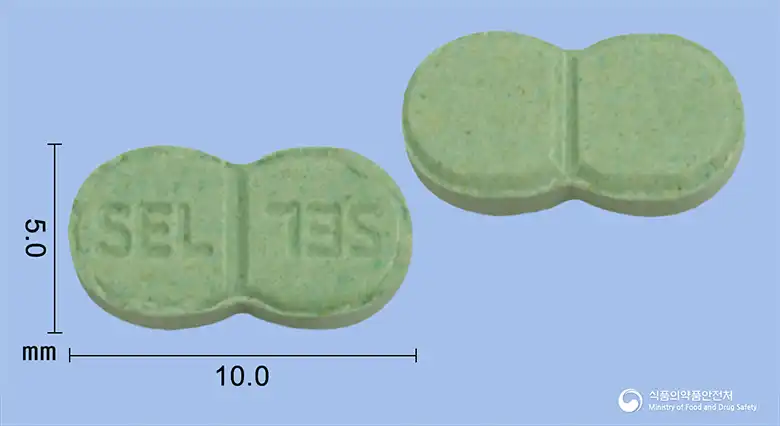
Glimepiride 2mg
Tablet · Prescription medication
Seoul Pharmaceutical Co., Ltd.
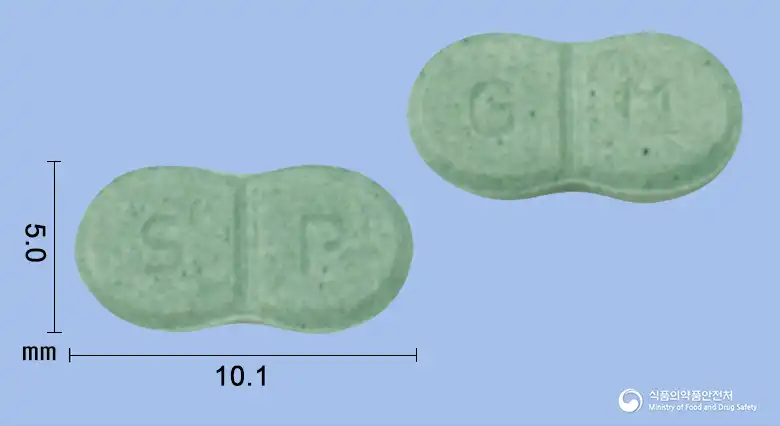
Glimepiride 2mg
Tablet · Prescription medication
Shinpoong Pharmaceutical Co., Ltd.
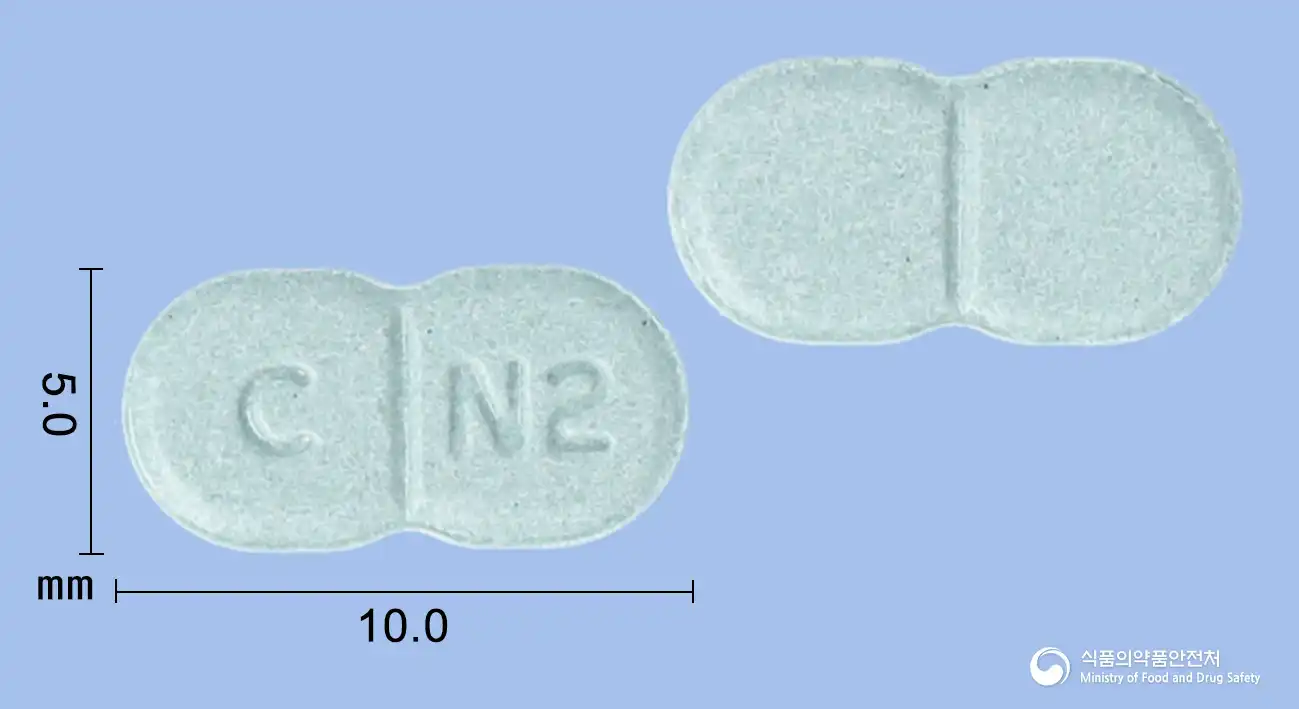
Glimepiride 2mg
Tablet · Prescription medication
Jongkundang Co., Ltd.
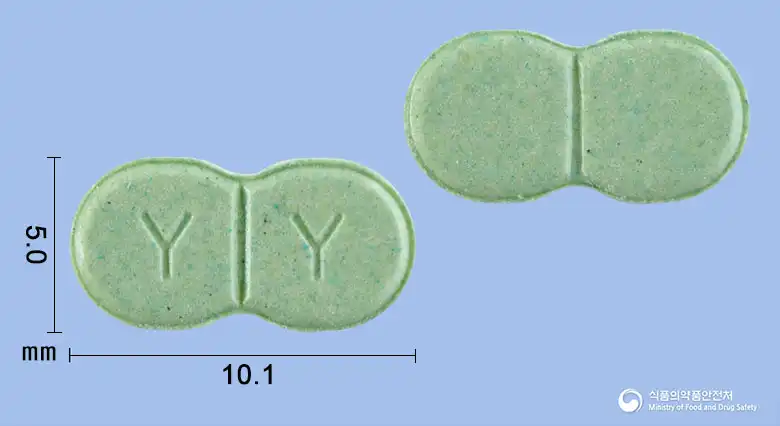
Glimepiride 2mg
Tablet · Prescription medication
IYun Pharmaceuticals Co., Ltd.
Even with the same ingredient, the dose and directions can differ by strength and dosage form. Talk to a doctor or pharmacist before switching from a medication you are already taking.
No questions yet.
For anything that needs medical judgment, consult a doctor or pharmacist.
This drug information is based on data provided by the Korea Ministry of Food and Drug Safety.
Consult a doctor or pharmacist for accurate dosage, administration, and usage instructions.