
 한국어
한국어 English
 日本語
日本語 中文(简体)
 Viewing now
Losartan Potassium 50 mg Tablet
Losartan Potassium 50mg
Tablet · Prescription medication
Ilhwa Co., Ltd.
MFDS item code 201306824 · Approved 2013.04.09 · Insurance code 640902460
Treatment of hypertension and kidney disease (in patients with type 2 diabetes)
This medication effectively lowers blood pressure in hypertensive patients and helps prevent and treat the progression of kidney disease, particularly in patients with type 2 diabetes and hypertension. It improves both blood pressure control and kidney health maintenance simultaneously.
This medication can be taken regardless of meals, but it is recommended to take it at the same time every day. For adults with hypertension, the recommended initial and maintenance dose is 50 mg orally once daily of Losartan Potassium. If treatment effects are insufficient, the same dose can be divided and taken twice daily, or increased to a maximum of 100 mg once daily if necessary. For patients with hypertension and type 2 diabetes.
For children and adolescents aged 6 and older weighing between 20 kg and less than 50 kg, administer 25 mg once daily, with a maximum increase to 50 mg once daily as needed. Weight over 50 kg
This medication can cause serious harm to the fetus when taken during pregnancy, especially during the second and third trimesters, so it should not be taken by pregnant women or women who may become pregnant. If pregnancy is confirmed, this medication should be discontinued immediately, and a doctor should be consulted. This medication should not be administered to patients with severely impaired liver function or certain genetic disorders. Additionally, patients allergic to this medication or its components, a history of angioedema, or those with primary hyperaldosteronism should also avoid this medication. Elderly patients, those with hyperkalemia, patients with compromised liver or kidney function, and those with heart valve diseases or cardiovascular diseases should use this medication cautiously and be vigilant for blood pressure drops or further kidney function deterioration. Since this medication lowers blood pressure, symptoms of sudden hypotension may occur; if such symptoms appear, immediate consultation with medical professionals is necessary. While taking this medication, regular blood tests to monitor kidney function and electrolyte status, especially serum potassium levels, should be conducted, and it is advisable not to take potassium supplements or medications containing potassium due to the risk of hyperkalemia. Possible side effects include dizziness, headache, muscle cramps, indigestion, cough, sinus issues, pharyngitis, myalgia, insomnia, fatigue, edema, abdominal pain, chest pain, swelling of the lips and eyelids, facial rash, thinning of the palm skin, hemolytic phenomena, facial swelling, fever, orthostatic effects, syncope, angina, second-degree atrioventricular block, cerebrovascular accidents, hypotension, myocardial infarction, and atrial fibrillation. If symptoms of angioedema occur, discontinue use immediately and inform medical professionals. This medication may interact with other antihypertensives, diuretics, non-steroidal anti-inflammatory drugs (NSAIDs), and lithium; therefore, any other medications being taken must be reported to a doctor or pharmacist. It is advisable to avoid grapefruit juice while taking this medication, and it is preferable not to take this medication for more than 24 hours before undergoing surgery. This medication is not recommended for children, especially those under 6 years old or those with severely impaired kidney function. Caution should be exercised while driving or operating machinery due to the potential for dizziness or drowsiness, which may increase the risk of accidents. This medication is not recommended for breastfeeding women; if necessary, it is advisable to stop breastfeeding. In cases of overdose, symptoms such as hypotension and bradycardia may occur, requiring immediate medical attention for appropriate treatment. Finally, this medication should be stored out of the reach of children, and it is safe not to transfer it to other containers.
Hives, severe swelling (edema), chest tightness, difficulty breathing, cold sweat, paleness, angioedema (swelling of the larynx/glottis potentially causing airway obstruction, swelling of the face/lips/throat/tongue), severe rash with high fever, blisters, peeling skin, pain in the oral/ocular mucosa, difficulty breathing or shortness of breath, asthma attacks, respiratory issues accompanied by cough and fever, jaundice (yellowing of the skin or eyes), and extreme lethargy.
Not everyone experiences these, and they can vary from person to person.
This medication should be stored in a sealed container to prevent exposure to air or moisture. It is important to maintain a storage temperature between 1 and 30 degrees Celsius.
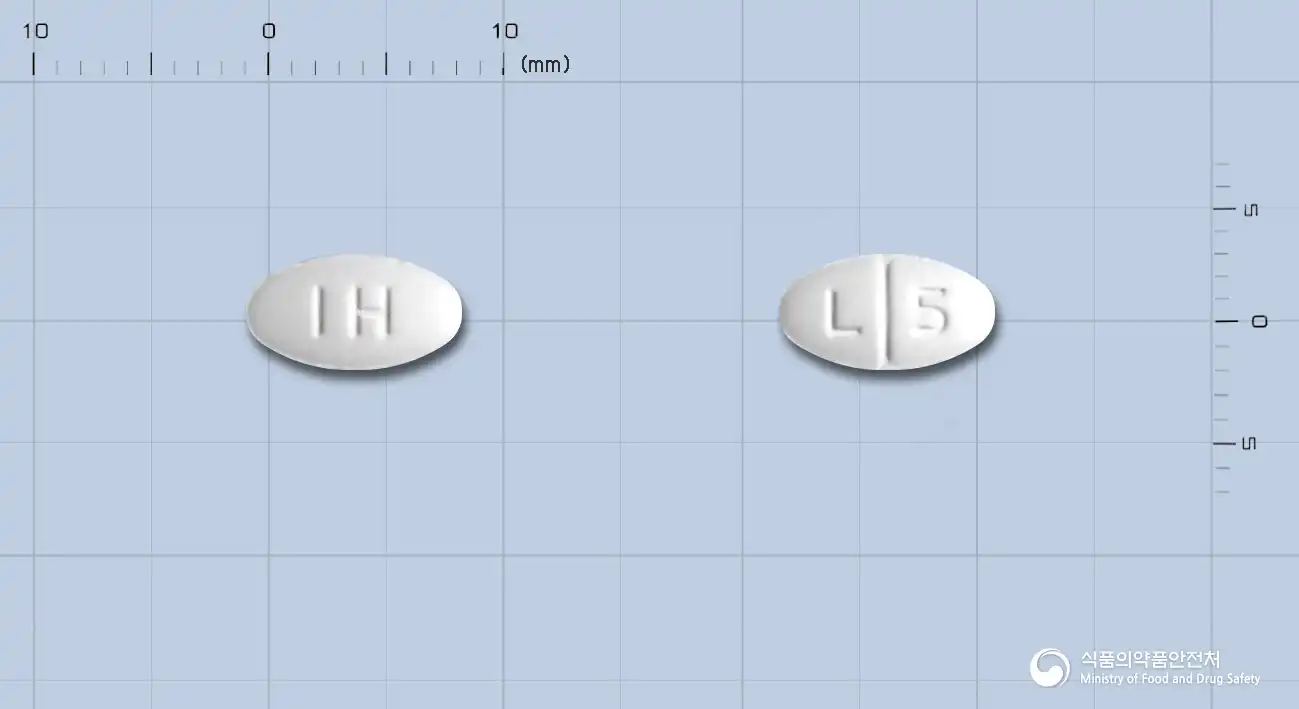
White oval film-coated tablet
30 tablets/bottle, 300 tablets/bottle
Even with the same ingredient, strength, dosage form and how it is taken can differ.
Viewing nowLosartan Potassium 50mg
Tablet · Prescription medication
Ilhwa Co., Ltd.
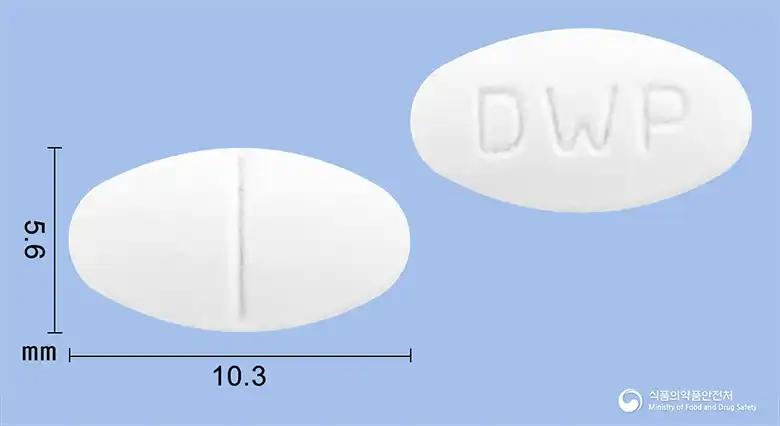
Losartan Potassium 50mg
Tablet · Prescription medication
DaeWon Pharmaceutical Co., Ltd.
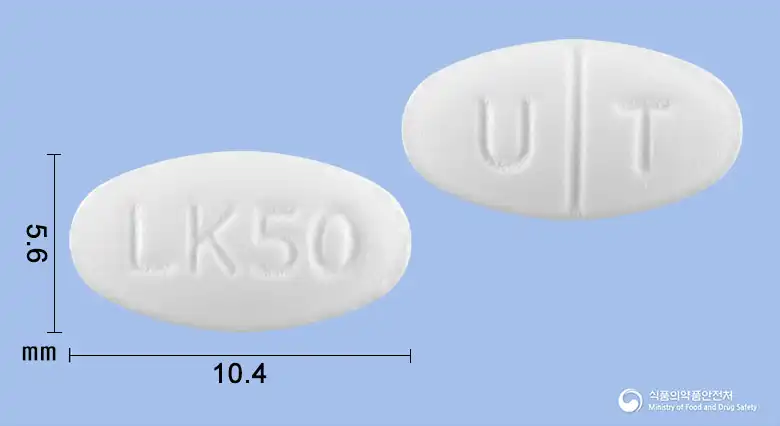
Losartan Potassium 50mg
Tablet · Prescription medication
Korea United Pharm, Co., Ltd.
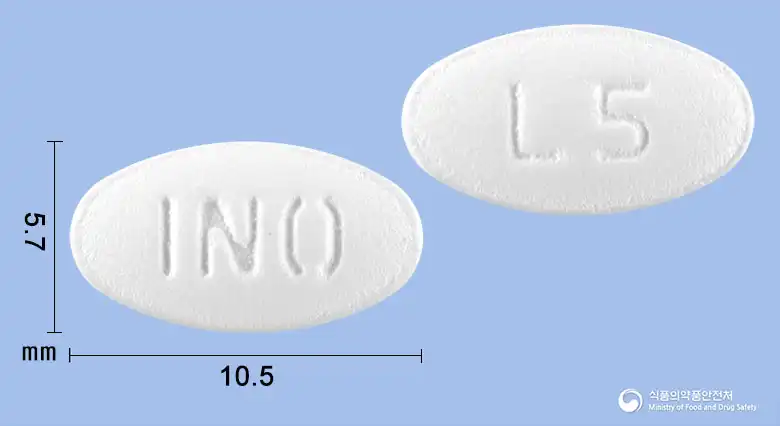
Losartan Potassium 50mg
Tablet · Prescription medication
HK Inno.N Co., Ltd.
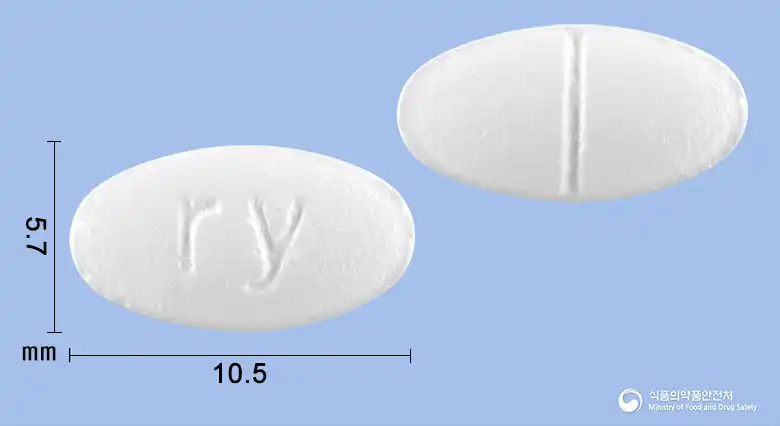
Losartan Potassium 50mg
Tablet · Prescription medication
IYON Pharmaceuticals Co., Ltd.
Losartan Potassium
Prescription medication
JW ShinYak Co., Ltd.
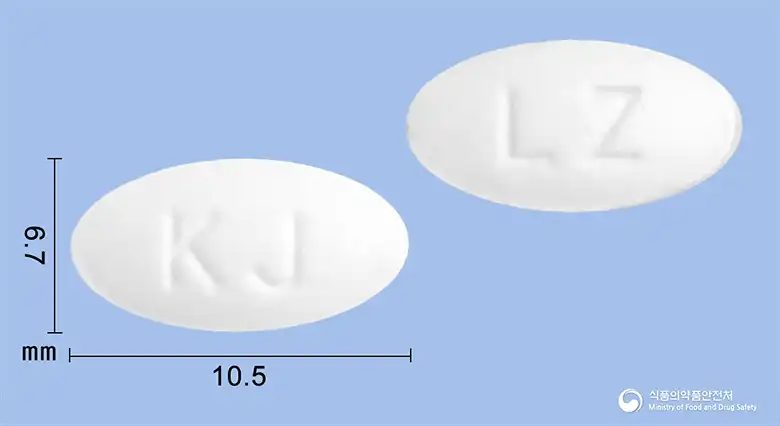
Losartan Potassium 50mg
Tablet · Prescription medication
Kukje Pharmaceutical Co., Ltd.
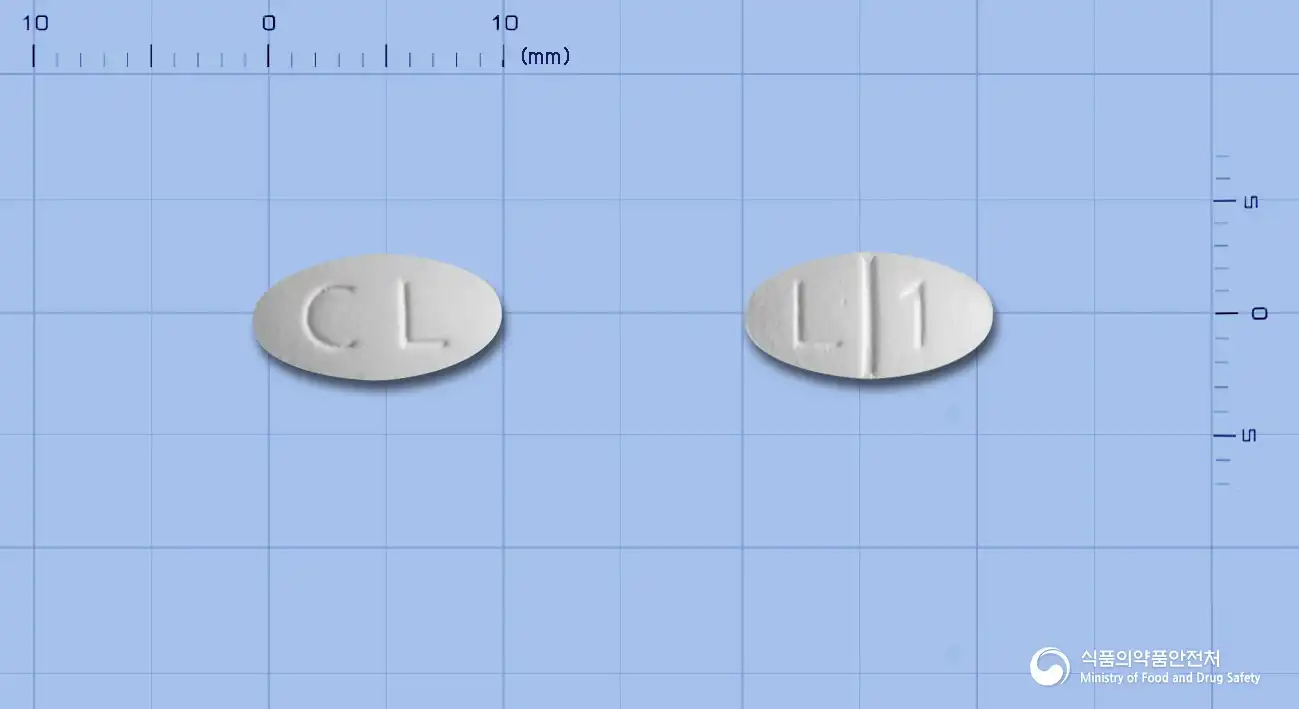
Losartan Potassium 50mg
Tablet · Prescription medication
Celltrion Pharmaceutical Co., Ltd.
Even with the same ingredient, the dose and directions can differ by strength and dosage form. Talk to a doctor or pharmacist before switching from a medication you are already taking.
No questions yet.
For anything that needs medical judgment, consult a doctor or pharmacist.
This drug information is based on data provided by the Korea Ministry of Food and Drug Safety.
Consult a doctor or pharmacist for accurate dosage, administration, and usage instructions.