
 한국어
 English
 日本語
 中文(简体)
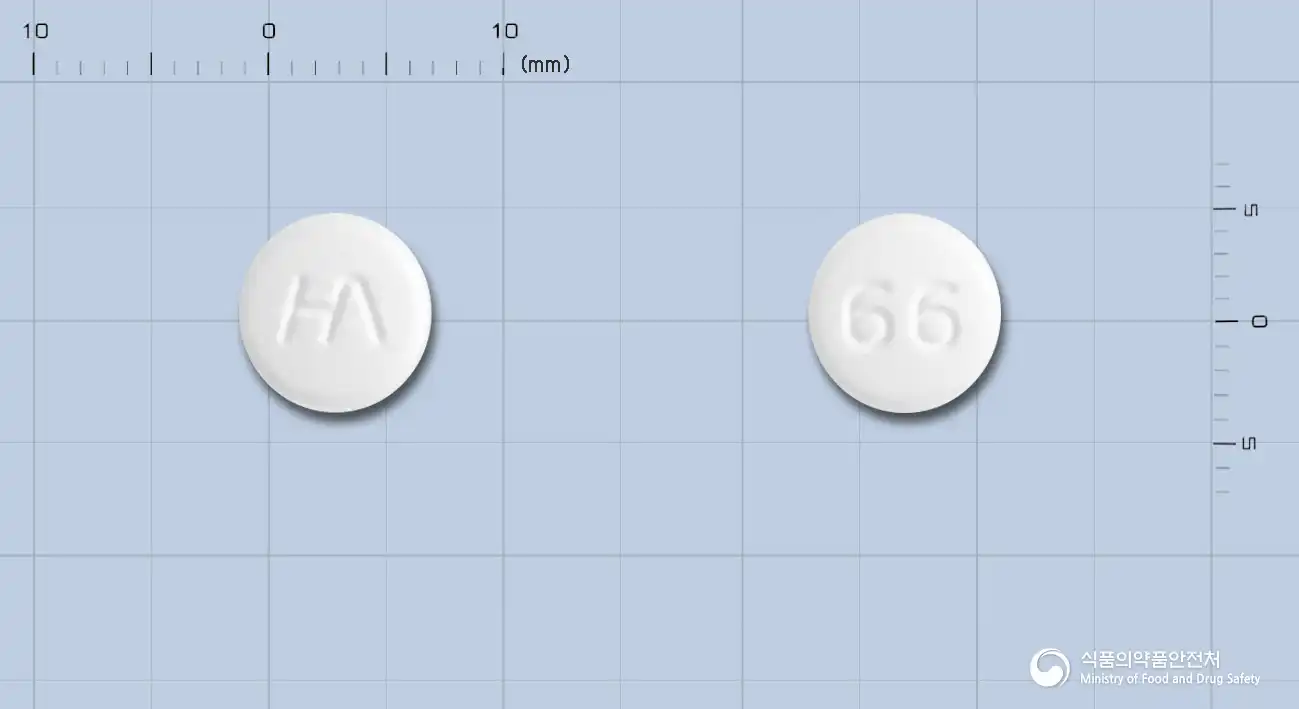 Viewing now
Levablock Tablet (Levamisole)
Rebamipide 100mg
Tablet · Prescription medication
Hana Pharmaceutical Co., Ltd.
MFDS item code 201306595 · Approved 2013.04.03 · Insurance code 655604480
Improvement of gastric mucosal lesions (e.g., erosions and bleeding) in gastritis, and treatment of gastric ulcers
This medication is used to improve lesions of the gastric mucosa such as erosion, bleeding, redness, and swelling that occur during acute exacerbations of gastric ulcers, acute gastritis, and chronic gastritis. It protects the gastric mucosa of the patient and alleviates inflammation to aid rapid recovery. Therefore, it is effective in the treatment of gastric-related diseases and helps improve gastric health.
Adults: Administer 100 mg of rebamipide orally per dose, 3 times daily. However, for gastric ulcers, take in the morning, evening, and at bedtime.
This medication should not be administered to patients with a history of hypersensitivity to its components. During the use of this medication, severe allergic reactions such as shock or anaphylaxis may rarely occur. If any abnormal symptoms appear, treatment should be discontinued immediately and appropriate medical care should be sought. White blood cell or platelet counts may decrease, so the condition should be periodically checked through blood tests. Liver function may be affected, and if symptoms of liver enzyme elevation or jaundice appear, treatment should be stopped immediately. Skin hypersensitivity reactions such as hives, rashes, and itching may occur, so medication should be discontinued if these symptoms arise. Neurological symptoms such as dizziness, drowsiness, or numbness may occur; caution is advised when driving or operating machinery. Gastrointestinal symptoms such as dry mouth, constipation, abdominal pain, or vomiting may occur, and if symptoms are severe, a consultation with a doctor should be sought. Women who are pregnant or may become pregnant should only take this medication when the benefits of treatment outweigh any risks, as its safety has not been established. Breastfeeding women should avoid this medication as it may be excreted in breast milk. Use in children, especially low-birth-weight infants or neonates, should be approached with caution as safety has not been fully established. Elderly patients may be more sensitive to side effects such as gastrointestinal symptoms due to decreased body functions, so close monitoring is needed. This medication should be stored out of reach of children, and transferring it to another container should be avoided as it may compromise quality and cause accidents.
Not everyone experiences these, and they can vary from person to person.
This medication is sensitive to light, so it should be stored in a tightly sealed container that prevents light exposure. Additionally, it is recommended to store the medication at room temperature between 1 and 30 degrees Celsius.
White round film-coated tablet
30 tablets/bottle, 300 tablets/bottle
Even with the same ingredient, strength, dosage form and how it is taken can differ.
Viewing nowRebamipide 100mg
Tablet · Prescription medication
Hana Pharmaceutical Co., Ltd.
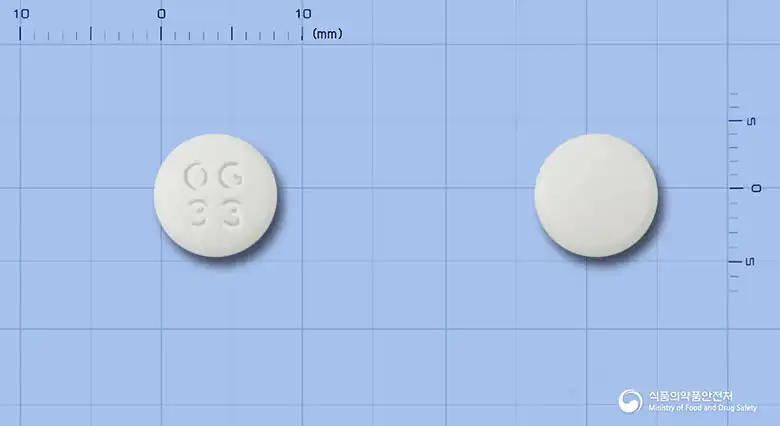
Rebamipide 100mg
Tablet · Prescription medication
Korea Otsuka Pharmaceutical Co., Ltd.
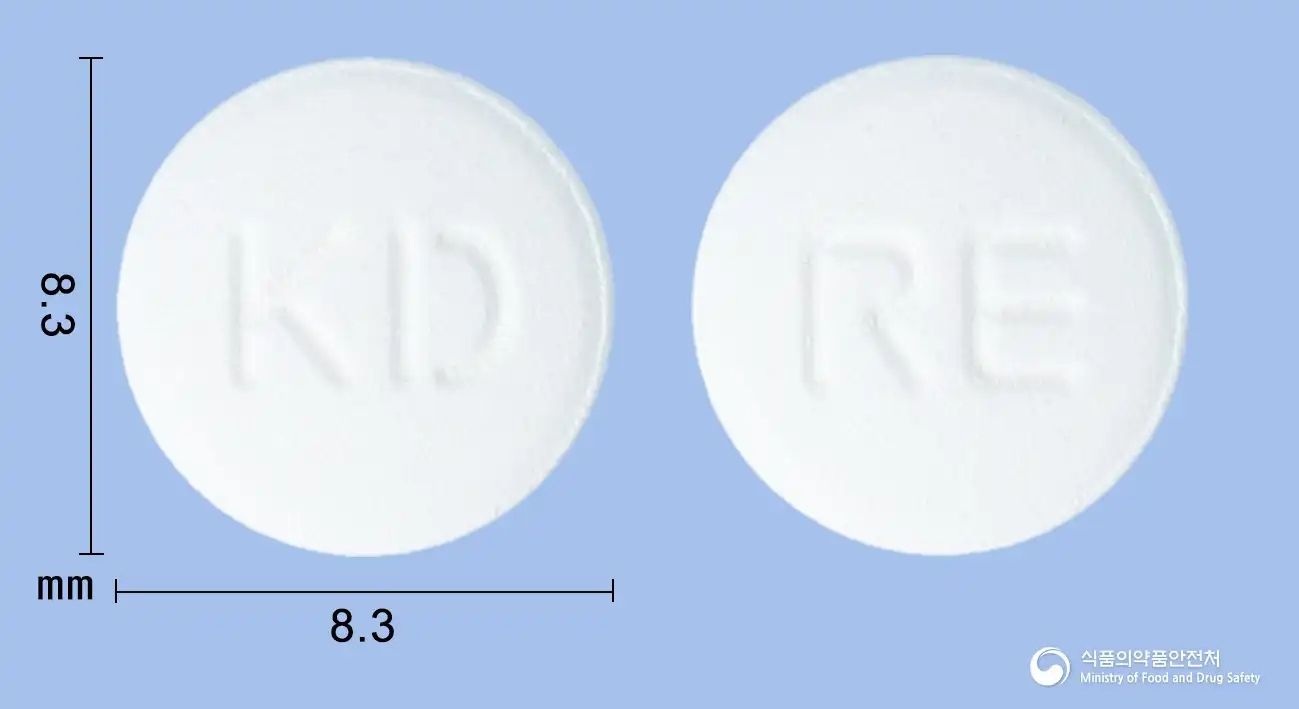
Rebamipide 100mg
Tablet · Prescription medication
Kyungdong Pharmaceutical Co., Ltd.
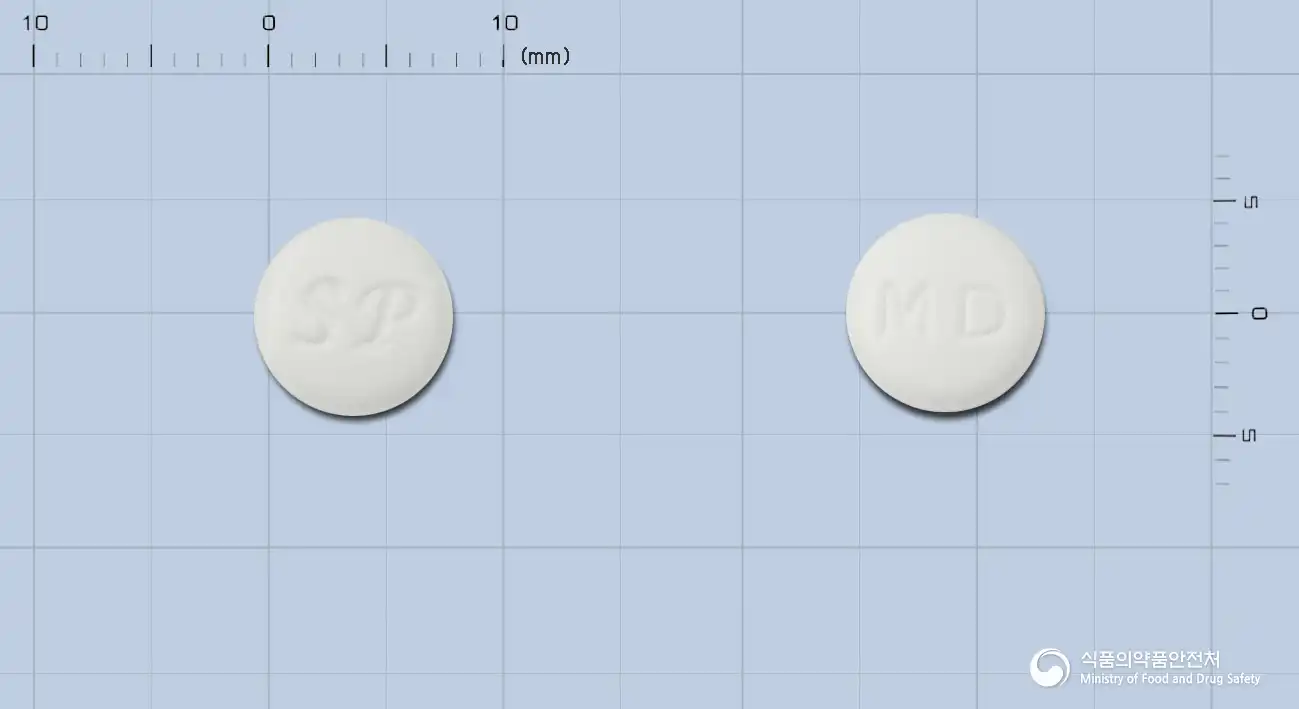
Rebamipide 100mg
Tablet · Prescription medication
Sinphong Pharmaceutical Co., Ltd.
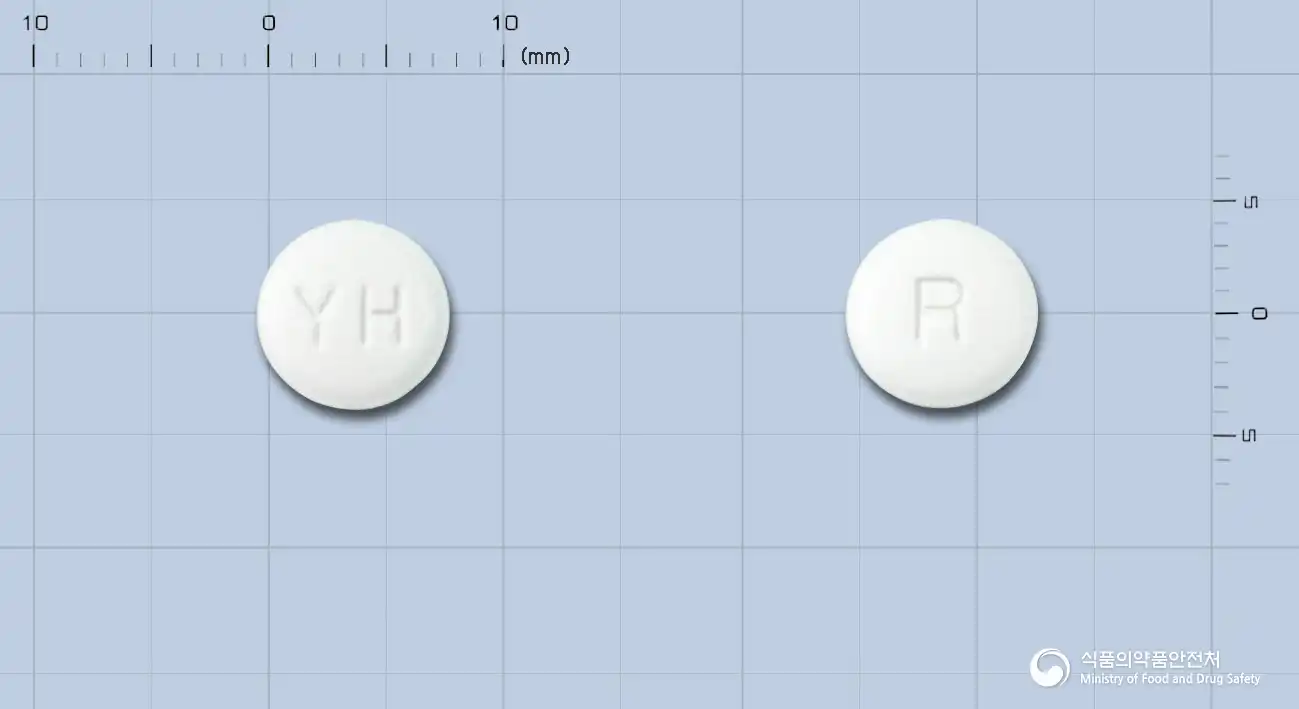
Rebamipide 100mg
Tablet · Prescription medication
Yuhan Corporation
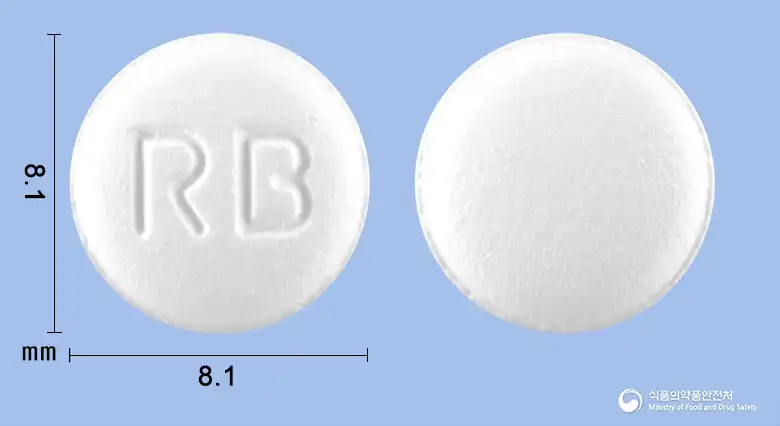
Rebamipide 100mg
Tablet · Prescription medication
Jongkundang Corporation
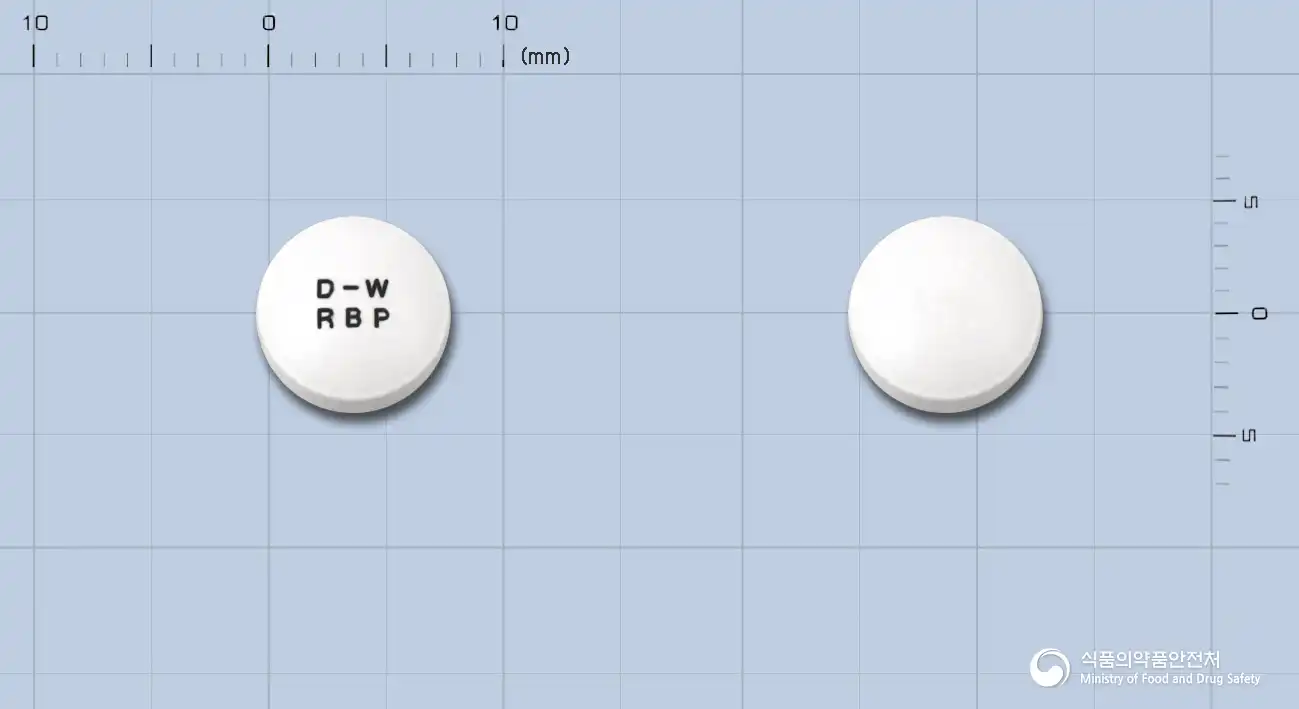
Rebamipide 100mg
Tablet · Prescription medication
Donghwa Pharmaceutical Co., Ltd.
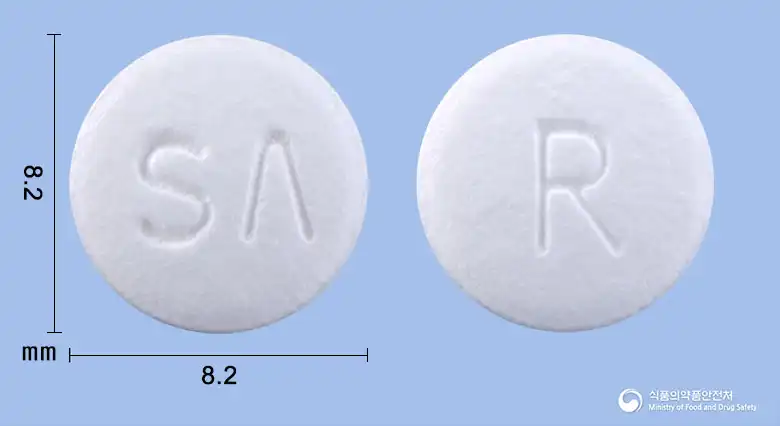
Rebamipide 100mg
Tablet · Prescription medication
Sama Pharmaceutical Co., Ltd.
Even with the same ingredient, the dose and directions can differ by strength and dosage form. Talk to a doctor or pharmacist before switching from a medication you are already taking.
No questions yet.
For anything that needs medical judgment, consult a doctor or pharmacist.
This drug information is based on data provided by the Korea Ministry of Food and Drug Safety.
Consult a doctor or pharmacist for accurate dosage, administration, and usage instructions.