
 한국어
한국어 English
 日本語
日本語 中文(简体)
 Viewing now
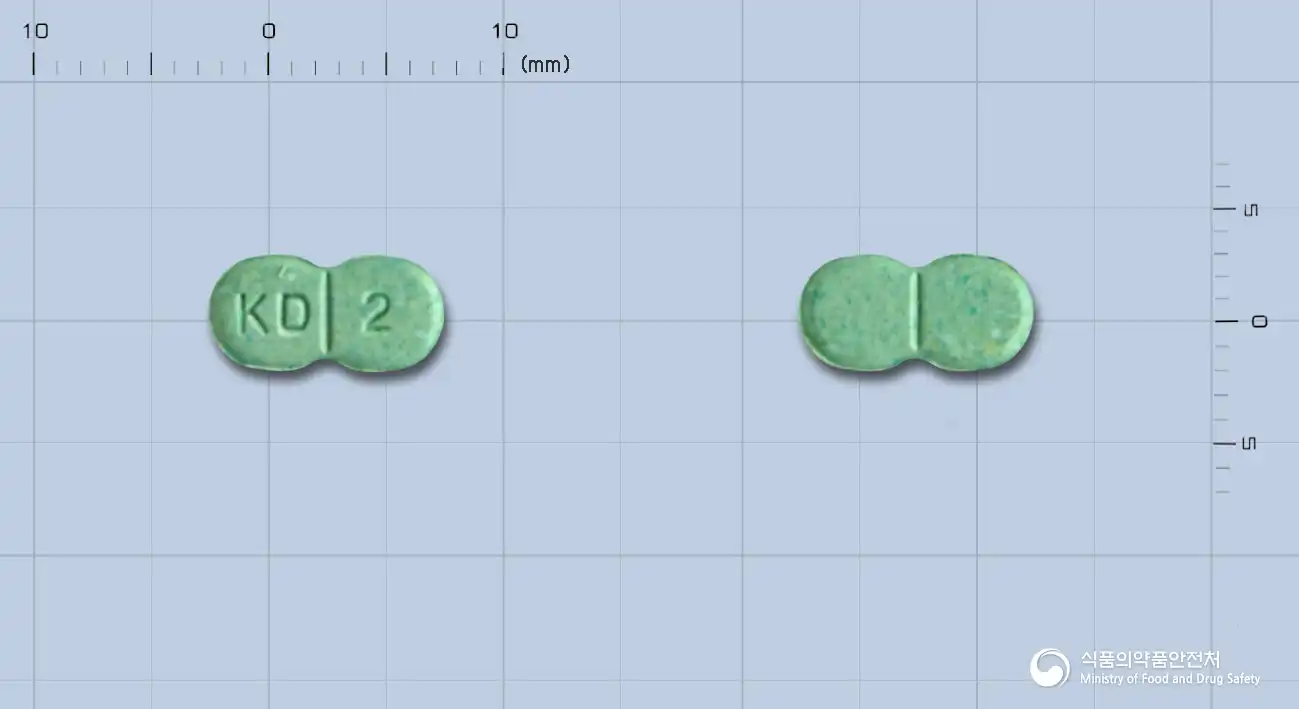
Diarrhea 2mg Tablets (Glimepiride)
Glimepiride 2mg
Tablet · Prescription medication
Kwangdong Pharmaceutical Co., Ltd.
MFDS item code 201306526 · Approved 2013.03.29 · Insurance code 641805500
Improvement of blood sugar control in type 2 diabetes
This medication is used to help control blood sugar levels in patients with type 2 diabetes along with diet and exercise. It can be used alone or in combination with other oral hypoglycemic agents or insulin when blood sugar control is difficult. Furthermore, it can be used with metformin when the effect of monotherapy with sulfonylureas or metformin is insufficient to support blood sugar management. This medication helps effectively improve blood sugar levels.
Adjusted individually for each patient. Swallow without chewing with more than 1/2 cup of water. This medication is taken orally once a day. It should be taken before breakfast or just before the first meal. It is very important not to skip meals. 1. Monotherapy Starting dose is 1 mg of Glimepiride, taken once daily. If needed, the dose can be increased by 1 mg at intervals of 1-2 weeks. Generally, when doses of 4 mg or more are administered, additional effects are minimal, but some patients may show better metabolic control with increases up to 6 mg (or 8 mg). If 4 mg once daily fails, first consider shifting to insulin therapy; otherwise, consider adding insulin or other oral diabetic medications.
This medication should not be used in patients with insulin-dependent diabetes, diabetic ketoacidosis, or those in a comatose state. Additionally, individuals allergic to this medication or its components, sulfonylureas, or sulfonamides should avoid taking it. There is no experience of use in patients with severe liver or kidney dysfunction, and switching to insulin therapy is recommended for these patients. It is also safe not to use this medication in pregnant or potentially pregnant women, as well as breastfeeding women. In patients with severe infections, pre- or post-surgery, or severe trauma, insulin therapy is recommended, and caution should be exercised in cases of gastrointestinal disorders due to the risk of hypoglycemia. This medication contains lactose, so patients with lactose intolerance or related genetic diseases should not take it. There is a high risk of hypoglycemia during the first week of treatment, so blood sugar should be monitored carefully. Special care should be taken especially for the elderly, those with poor nutritional status or irregular eating habits, those whose physical activity does not match their food intake, those who frequently consume alcohol, and those with weakened liver or kidney function. Additionally, the risk of hypoglycemia may increase in those with endocrine diseases or those taking other medications. This medication contains the dye Tartrazine (Yellow No. 5), so those allergic to this component should use it carefully. Symptoms of hypoglycemia may include headache, severe hunger, nausea, fatigue, anxiety, confusion, dizziness, etc., so if these symptoms occur, sugar should be consumed immediately. Various side effects such as blurred vision, gastrointestinal disturbances, liver dysfunction, blood dyscrasias, and allergic reactions may occur, so it is necessary to consult a doctor if abnormal symptoms appear. It is important to combine diet and exercise while taking this medication and be prepared to consume sugar immediately in case of hypoglycemia. When receiving treatment at other hospitals or pharmacies, it is essential to inform them that you are taking this medication, and in stressful situations or during surgery, switching to insulin therapy may be necessary. This medication is excreted through the kidneys, so dose adjustments may be needed for the elderly. In case of overdose, severe hypoglycemia may occur, necessitating immediate treatment at a hospital. When storing, keep it out of reach of children and store it in the original container.
Hives, severe swelling (edema), difficulty breathing, yellowing of the skin or eyes (jaundice), liver dysfunction, severe allergic reactions, hypotension, anaphylaxis, angioedema, skin-mucous membrane syndrome (Stevens-Johnson syndrome), severe hypoglycemia, brain convulsions, confusion, loss of consciousness, severe liver dysfunction, severe kidney dysfunction, severe hypoglycemic coma, thrombocytopenic purpura, serious blood dyscrasias.
Not everyone experiences these, and they can vary from person to person.
This medication must be stored in a tightly closed container to avoid exposure to air or moisture. It is also important to store the medication at room temperature, which should not be too hot or too cold, specifically between 1°C and 30°C.
Green oblong tablets
30 tablets/bottle, 300 tablets/bottle
Even with the same ingredient, strength, dosage form and how it is taken can differ.
Viewing nowGlimepiride 2mg
Tablet · Prescription medication
Kwangdong Pharmaceutical Co., Ltd.
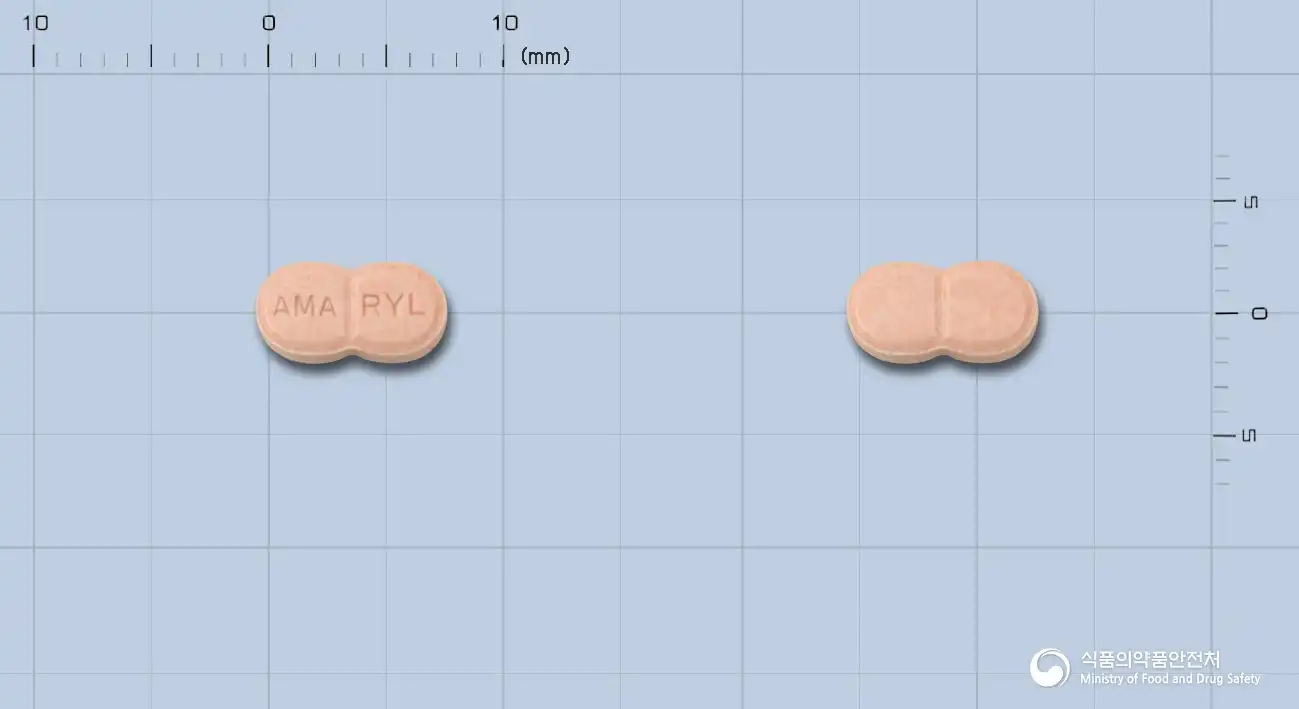
Glimepiride 1mg
Tablet · Prescription medication
Handok Co., Ltd.
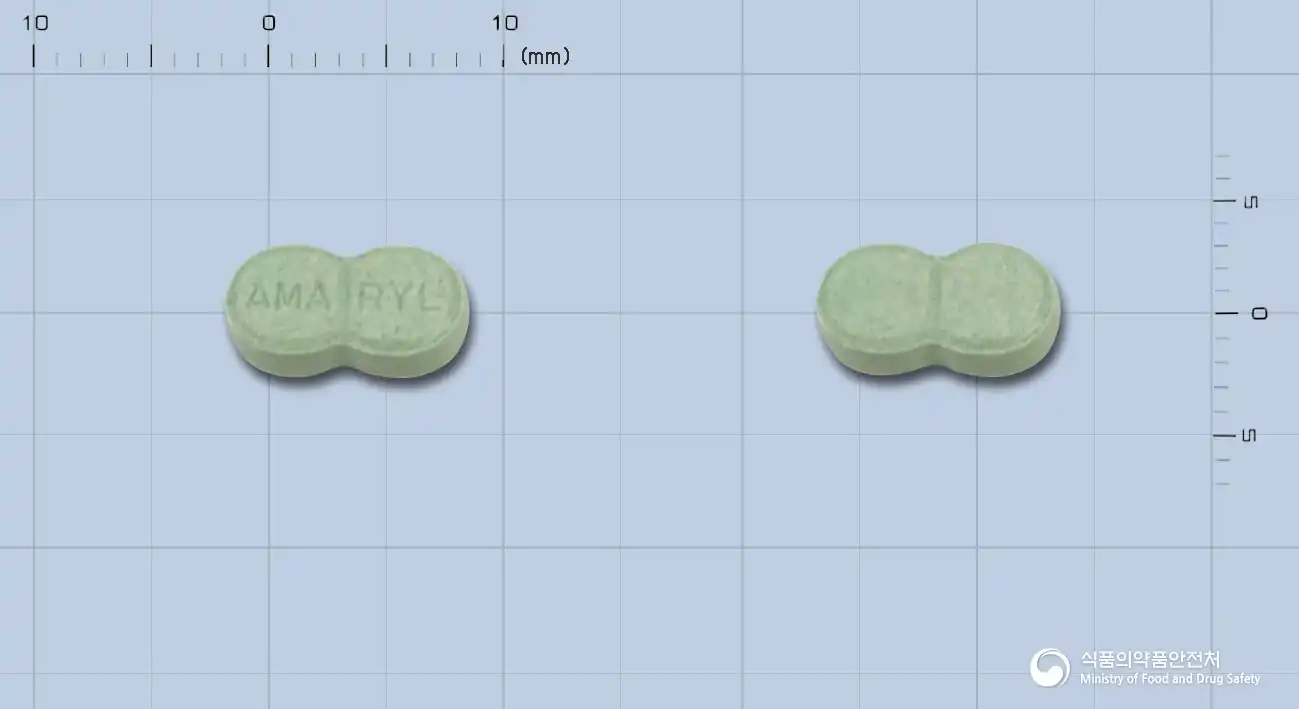
Glimepiride 2mg
Tablet · Prescription medication
Handok Co., Ltd.
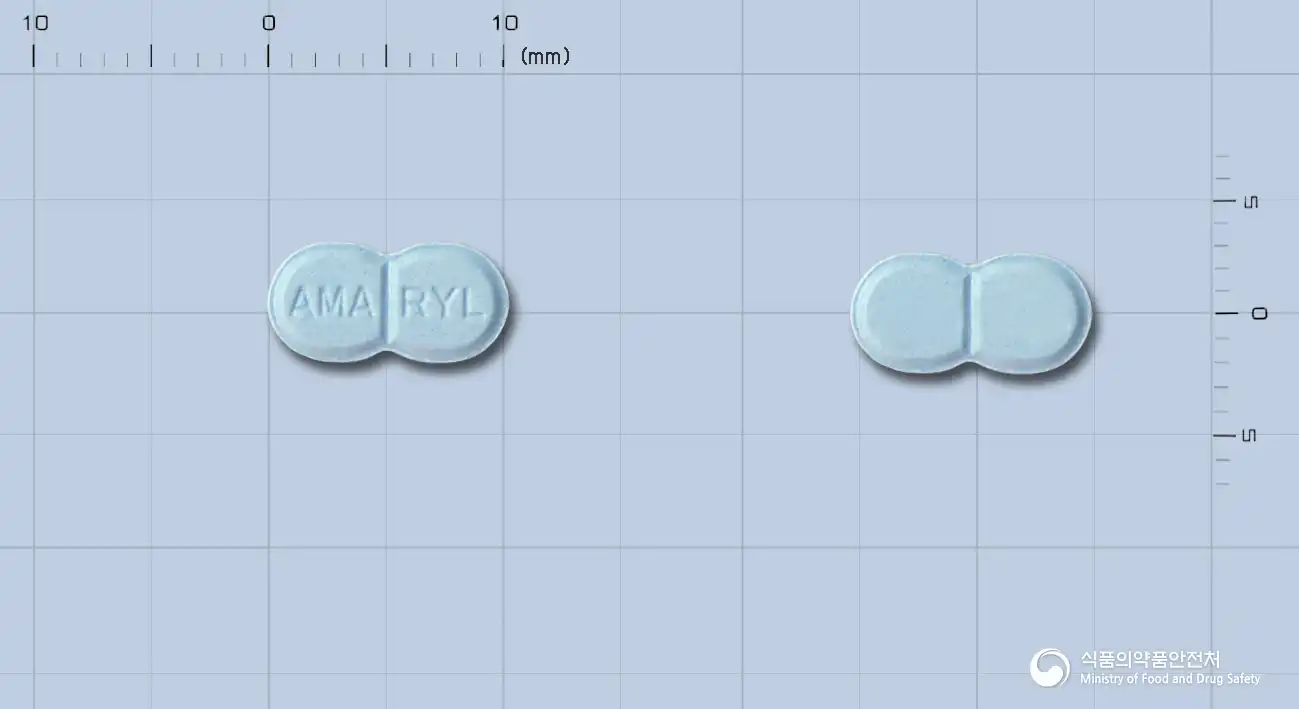
Glimepiride 4mg
Tablet · Prescription medication
(Hanmi Pharmaceutical Co., Ltd.)
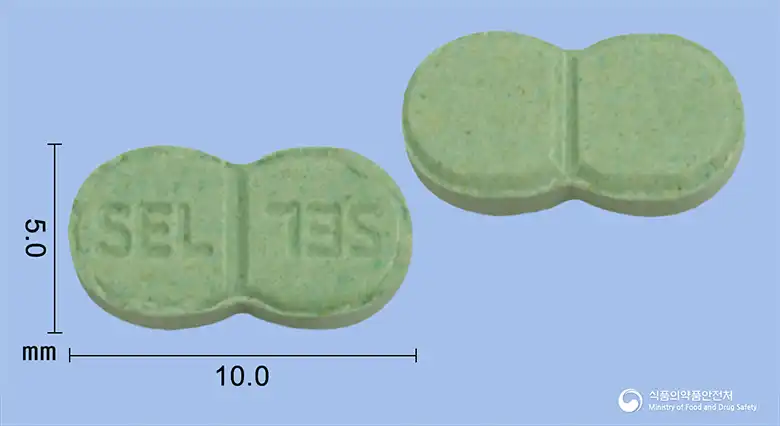
Glimepiride 2mg
Tablet · Prescription medication
Seoul Pharmaceutical Co., Ltd.
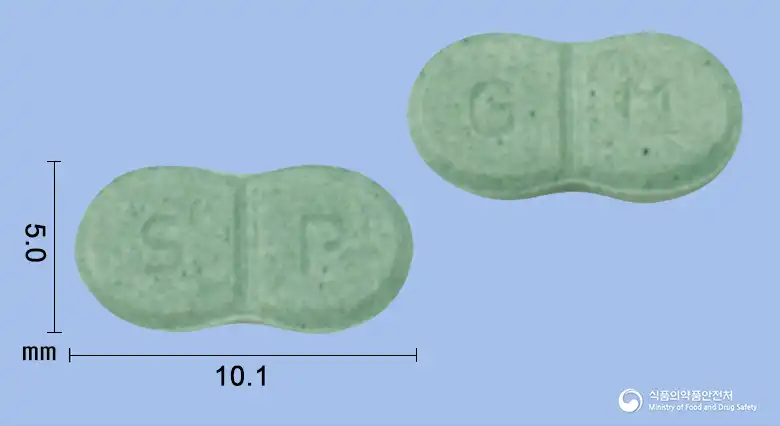
Glimepiride 2mg
Tablet · Prescription medication
Shinpoong Pharmaceutical Co., Ltd.
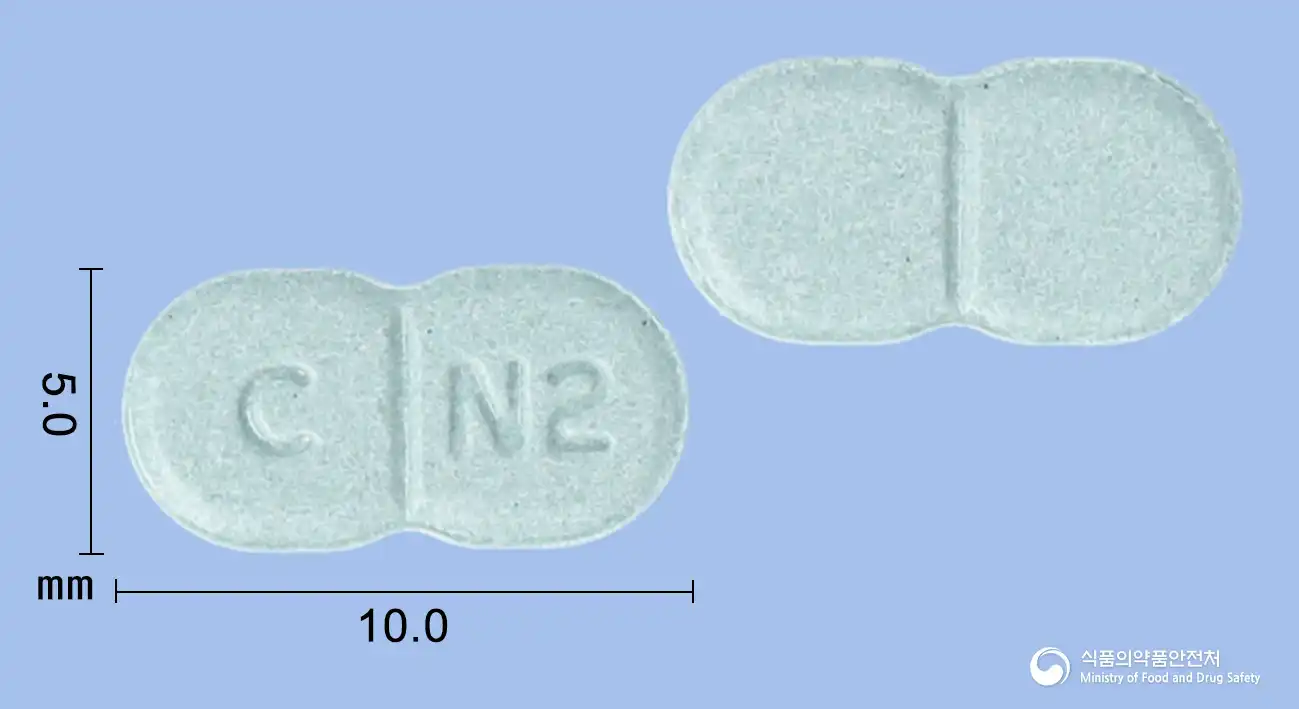
Glimepiride 2mg
Tablet · Prescription medication
Jongkundang Co., Ltd.
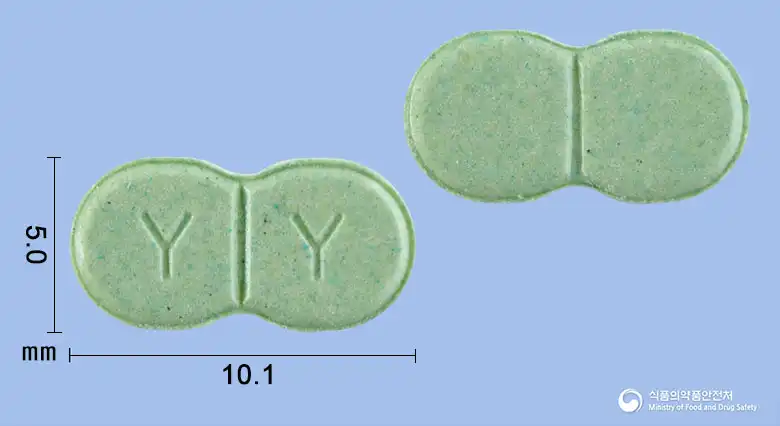
Glimepiride 2mg
Tablet · Prescription medication
IYun Pharmaceuticals Co., Ltd.
Even with the same ingredient, the dose and directions can differ by strength and dosage form. Talk to a doctor or pharmacist before switching from a medication you are already taking.
No questions yet.
For anything that needs medical judgment, consult a doctor or pharmacist.
This drug information is based on data provided by the Korea Ministry of Food and Drug Safety.
Consult a doctor or pharmacist for accurate dosage, administration, and usage instructions.