
 한국어
한국어 English
 日本語
日本語 中文(简体)
 Viewing now
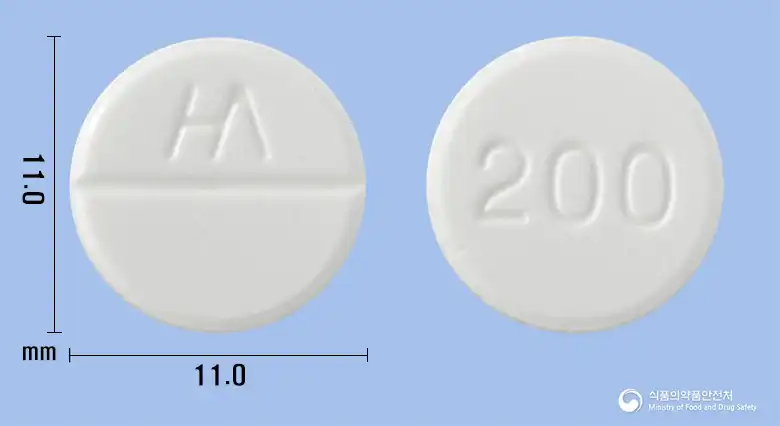
Udecol Tablet (Ursodeoxycholic Acid)
Ursodeoxycholic Acid 200mg
Tablet · Prescription medication
Hanol Biopharma Co., Ltd.
MFDS item code 201306446 · Notified 2013.03.22 · Insurance code 655604450
Treatment of cholesterol gallstones and improvement of liver function in primary biliary cirrhosis and chronic hepatitis C.
This medication is used to treat cholesterol gallstones. It also improves liver function in patients with primary biliary cirrhosis (PBC) as well as in patients with chronic hepatitis C. Therefore, it is effectively used for alleviating and treating symptoms of liver-related diseases.
1. Cholesterol Gallstones: 200-250 mg orally three times daily. 2. Primary Biliary Cirrhosis: 200-300 mg orally three times daily with meals. 3. Chronic Hepatitis C: 200 mg orally three times daily. If necessary, it can be increased to 300 mg orally three times daily.
This medication should not be taken by individuals who are allergic to certain ingredients. Patients with severe bile duct obstruction should not use this medication as it may aggravate their symptoms. Patients with acute liver inflammation should also avoid taking this medication. Those with calcified gallstones or non-functional gallbladders should not take this medication either. Patients with acute cholecystitis, women who are pregnant or may become pregnant, and nursing mothers should also avoid using this medication. Children and patients with kidney disease, patients with acute gastric or duodenal ulcers, and patients with inflammatory bowel diseases like Crohn's disease should not take this medication. This medication contains lactose, so individuals with certain genetic metabolic disorders should not take it. During the course of this medication, it should not be taken with oral diabetes medications, some antacids, cholesterol-lowering medications, and any drugs that may cause liver damage. Patients with severe pancreatic disease or bile duct stones should consult a doctor or pharmacist before taking this medication. Patients with variceal bleeding, hepatic encephalopathy, ascites, and those who may require urgent liver transplantation should consult a specialist before taking this medication. If gastrointestinal symptoms such as diarrhea, vomiting, loss of appetite, or abdominal pain occur, or if allergic reactions such as itching or skin rash appear, the medication should be stopped immediately and a specialist consulted. If symptoms of interstitial pneumonia such as fever, cough, or shortness of breath occur, the medication must be discontinued immediately and medical attention should be sought. If other unusual symptoms such as generalized malaise, dizziness, or increased liver enzymes occur, the medication should be stopped and a specialist consulted. In patients with cirrhosis who have severe jaundice, this medication should be used cautiously, and regular liver function tests should be performed during treatment. The risk of severe adverse reactions with overdose is low, but liver function testing may be warranted if necessary. Elderly patients may require dose adjustments considering diminished physical function. Dissolution therapy for gallstones usually takes 6 months to 2 years, so treatment effects should be verified through imaging every 6 months, and if gallstones have not decreased after one year, treatment should be discontinued. This medication should be stored out of reach of children and kept sealed in its original container. Care should be taken when transferring to other containers as this may lead to misuse or degradation of quality.
Fever, cough, shortness of breath (interstitial pneumonia), elevated serum bilirubin levels (jaundice)
Not everyone experiences these, and they can vary from person to person.
This medication can be sensitive to air and moisture, so it should be stored in a sealed container. Additionally, it is important to store it at a temperature between 1 to 30 degrees Celsius to maintain the effectiveness of the drug.
This medicine is a white tablet.
500 tablets/bottle, 100 tablets ((10 tablets/PTP)x10)
Even with the same ingredient, strength, dosage form and how it is taken can differ.
Viewing nowUrsodeoxycholic Acid 200mg
Tablet · Prescription medication
Hanol Biopharma Co., Ltd.
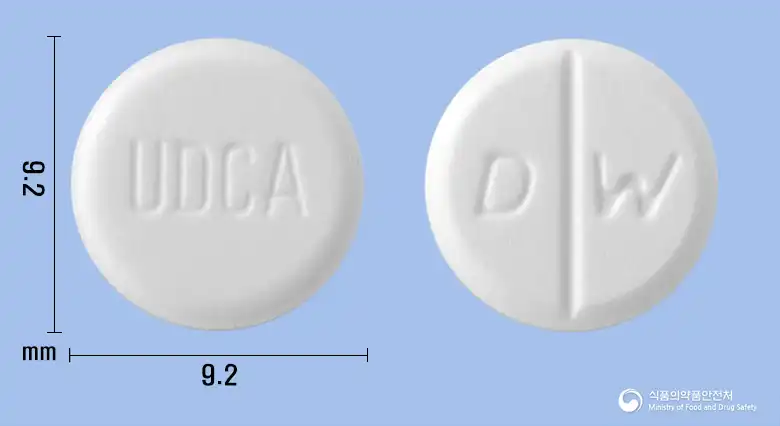
Ursodeoxycholic Acid 100mg
Tablet · OTC medication
DAEWOONG PHARMACEUTICAL CO., LTD.
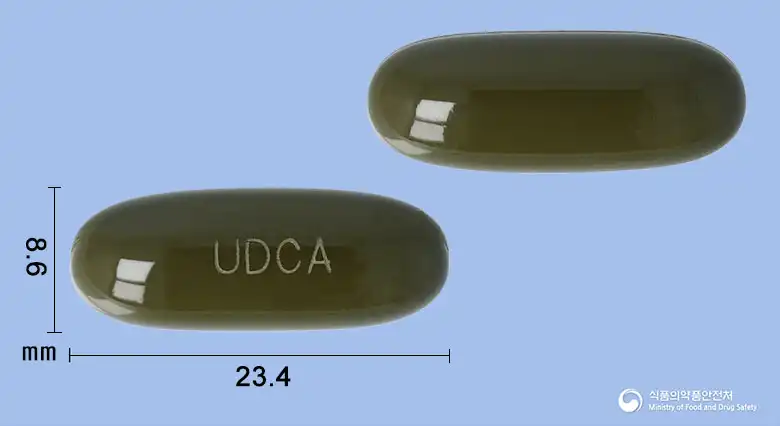
Ursodeoxycholic Acid 100mg
Soft capsule · OTC medication
DAEWOONG PHARMACEUTICAL CO., LTD.
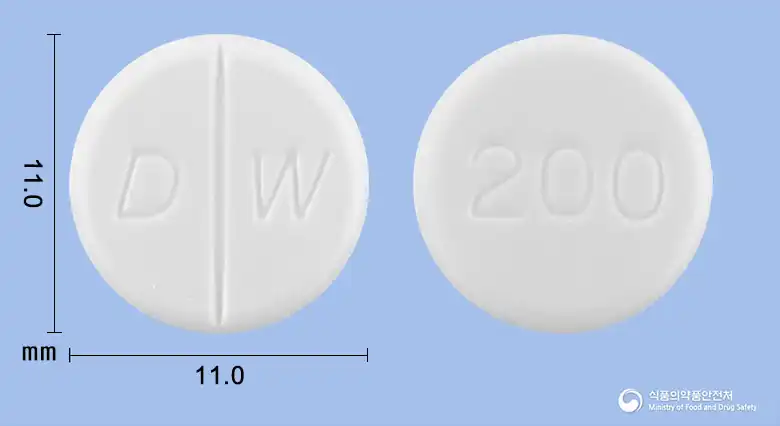
Ursodeoxycholic Acid 200mg
Tablet · Prescription medication
(Daiwoo Pharmaceutical Co., Ltd.)
Ursodeoxycholic Acid 250mg
Hard capsule · Prescription medication
Daewoong Pharmaceutical Co., Ltd.
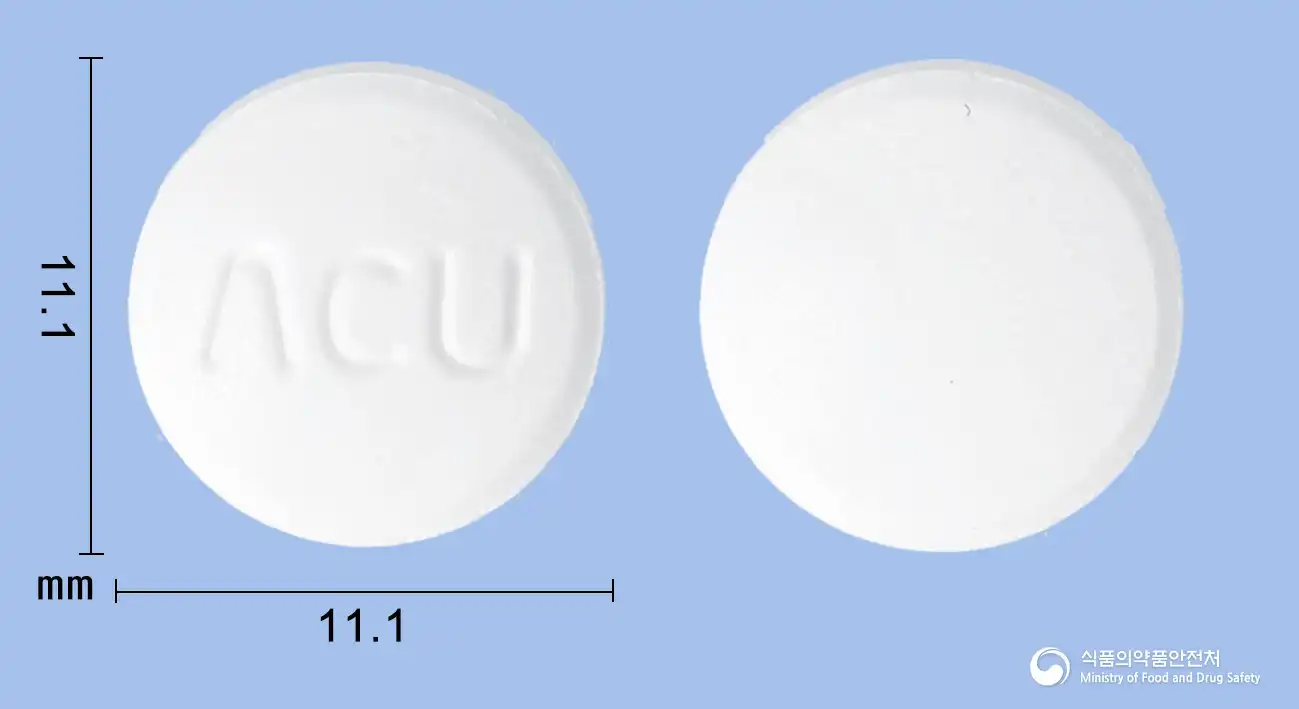
Ursodeoxycholic Acid 300mg
Tablet · Prescription medication
Allico Pharmaceutical Co., Ltd.
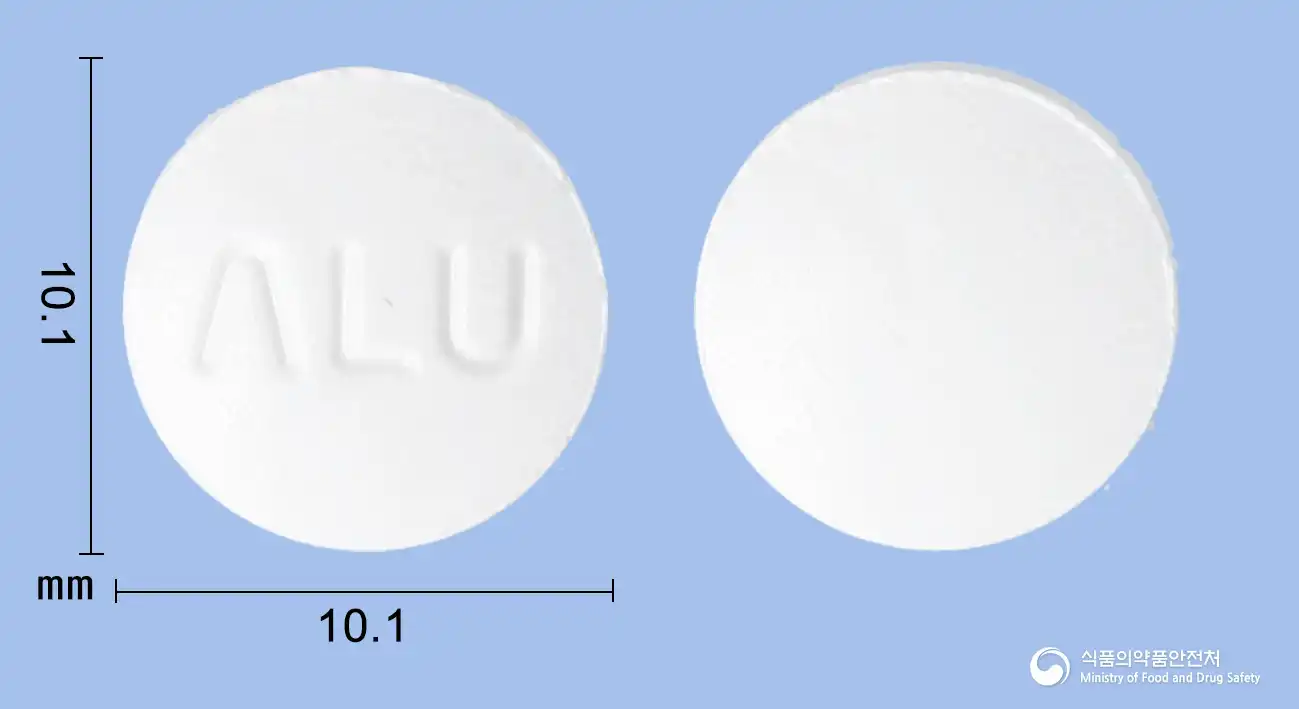
Ursodeoxycholic Acid 200mg
Tablet · Prescription medication
Allico Pharmaceutical Co., Ltd.
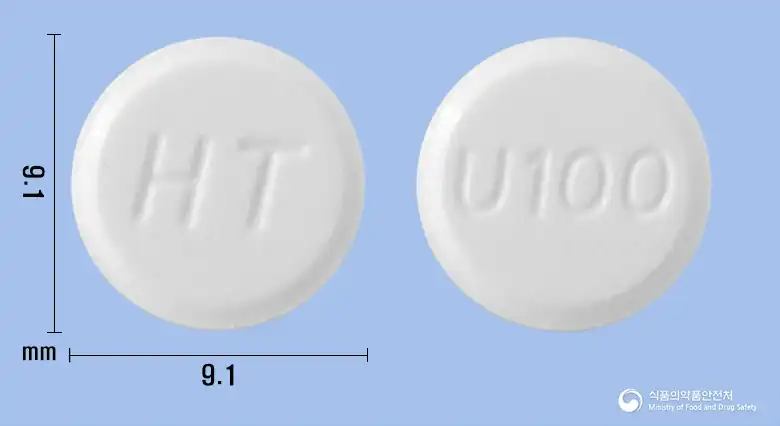
Ursodeoxycholic Acid 100mg
Tablet · OTC medication
Hanmi Pharmaceutical Co., Ltd.
Even with the same ingredient, the dose and directions can differ by strength and dosage form. Talk to a doctor or pharmacist before switching from a medication you are already taking.
No questions yet.
For anything that needs medical judgment, consult a doctor or pharmacist.
This drug information is based on data provided by the Korea Ministry of Food and Drug Safety.
Consult a doctor or pharmacist for accurate dosage, administration, and usage instructions.