
 한국어
한국어 English
 日本語
日本語 中文(简体)
 Viewing now
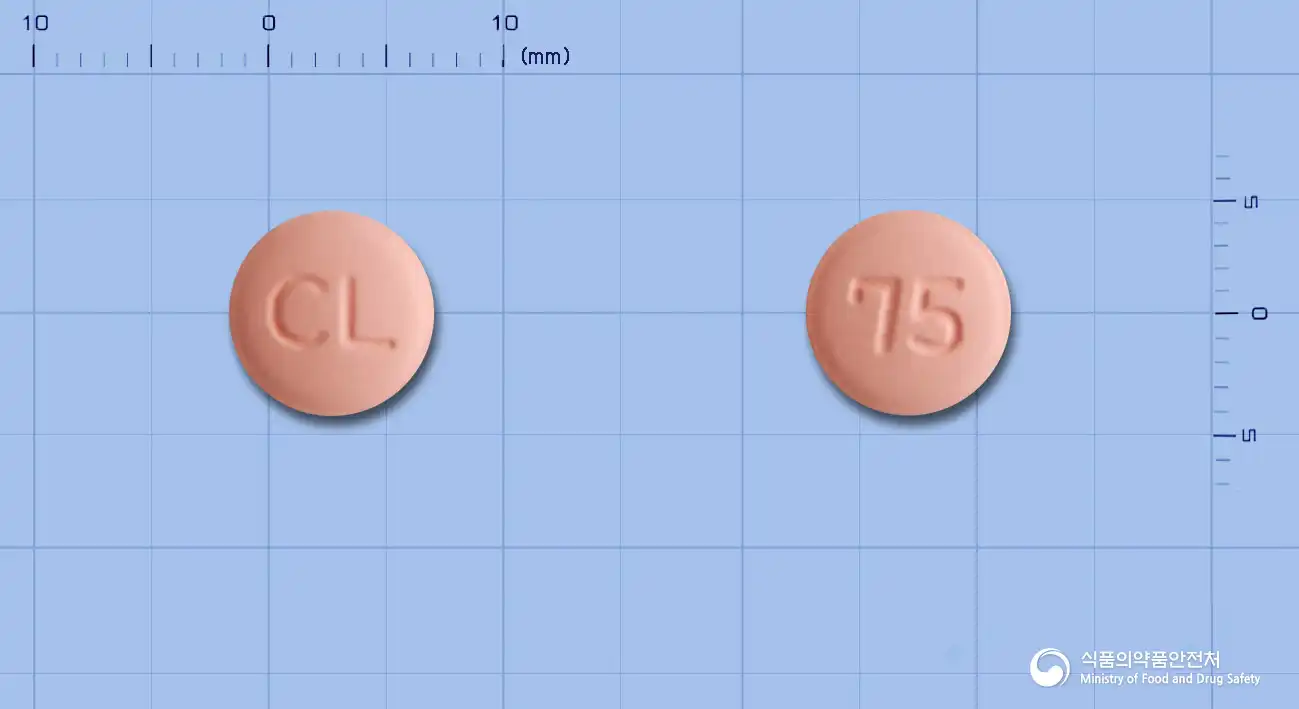
Newbix Tablet (Clopidogrel Hydrogen Sulfate)
Clopidogrel Bisulfate 97.875mg
Tablet · Prescription medication
SPC Co., Ltd.
MFDS item code 201306332 · Approved 2013.03.21 · Insurance code 669700090
Improvement of atherosclerotic symptoms such as ischemic stroke, myocardial infarction, and reduction of the risk of stroke and thromboembolism.
This medication is used to improve the condition of adult patients with atherosclerotic symptoms such as ischemic stroke, myocardial infarction, and peripheral artery disease. It also helps improve symptoms and lowers the risk of cardiovascular complications (death, myocardial infarction, stroke, refractory ischemia) in patients with acute coronary syndrome who have experienced unstable angina or non-Q wave myocardial infarction who have received medication treatment, coronary intervention, or coronary artery bypass surgery. Furthermore, it assists in reducing the risk of stroke and thromboembolism in patients with atrial fibrillation with one or more vascular risk factors who are unsuitable for vitamin K antagonist treatment. Due to these effects, it is used to proactively manage patients' cardiovascular health.
1. For patients with ischemic stroke, myocardial infarction, or peripheral artery disease, administer 75 mg of clopidogrel orally once daily. 2. For patients with acute coronary syndrome (unstable angina or non-Q wave myocardial infarction), initiate treatment with a loading dose of 300 mg of this medication orally once daily on the same day, followed by a maintenance dose of 75 mg orally once daily. Concurrent use of aspirin 75 mg to 325 mg is recommended. 3. For patients with atrial fibrillation, administer 75 mg of this medication orally once daily. Concurrent use of aspirin 75 mg to 100 mg with this medication is recommended. ○ In patients with renal impairment: Experience is limited in treating patients with renal impairment. ○ In patients with liver impairment: Experience is limited in treating moderate liver disease patients with bleeding diathesis. This medication can be administered regardless of food intake.
This medication may be less effective in individuals genetically deficient in CYP2C19 enzyme activity; therefore, alternative treatment should be considered in such cases. Avoid concomitant use with drugs that induce CYP2C19 as this can increase the active ingredient concentration, heightening the risk of bleeding. This medication should not be used in patients with known allergies to this drug or its components, those with severe bleeding, severe liver impairment, breastfeeding women, and patients with genetic issues such as lactose intolerance. Patients with bleeding risks, those with blood coagulation disorders, scheduled for surgery, elderly patients, and those with hypertension or decreased kidney and liver function should use this medication cautiously. When taken with aspirin, the risk of bleeding may increase; thus, follow your doctor's guidance and report any bleeding symptoms immediately. During treatment, if bleeding or abnormalities in blood conditions are suspected, immediate blood tests are crucial. This medication may cause side effects such as gastrointestinal disturbances, skin rash, headache, and dizziness; consult healthcare professionals if symptoms appear. If pregnant or breastfeeding, the decision to use this medication should be made after consulting a physician, especially if considering stopping before delivery due to bleeding risk. Safety and effectiveness in children have not been established; therefore, it is advisable not to use this medication in children. In case of overdose, the risk of bleeding may increase, and since no specific antidote is available, appropriate treatment should be sought immediately at a medical facility. While this medication is known not to significantly affect driving or machinery operation, individual variations may occur, so caution is advised. Store out of reach of children and do not transfer to other containers for safety.
Hives, severe swelling (edema), chest tightness, difficulty breathing, cold sweat, pallor, severe allergic reaction, high fever with severe rash, blisters, skin peeling, pain in oral/ocular mucosa, severe skin abnormalities, breathlessness or difficulty breathing, asthma attacks, respiratory abnormalities accompanied by cough and fever, jaundice (yellowing of the skin or eyes), severe lethargy, liver abnormalities (jaundice), sudden and severe
Not everyone experiences these, and they can vary from person to person.
This medication should be stored in a tightly closed container to prevent air or moisture from entering, and it is safe to store at room temperature between 1 and 30 degrees Celsius. Proper storage will help maintain the effectiveness of the medication for an extended period.
Pink round film-coated tablet
30 tablets/bottle, 300 tablets/bottle
Even with the same ingredient, strength, dosage form and how it is taken can differ.
Viewing nowClopidogrel Bisulfate 97.875mg
Tablet · Prescription medication
SPC Co., Ltd.
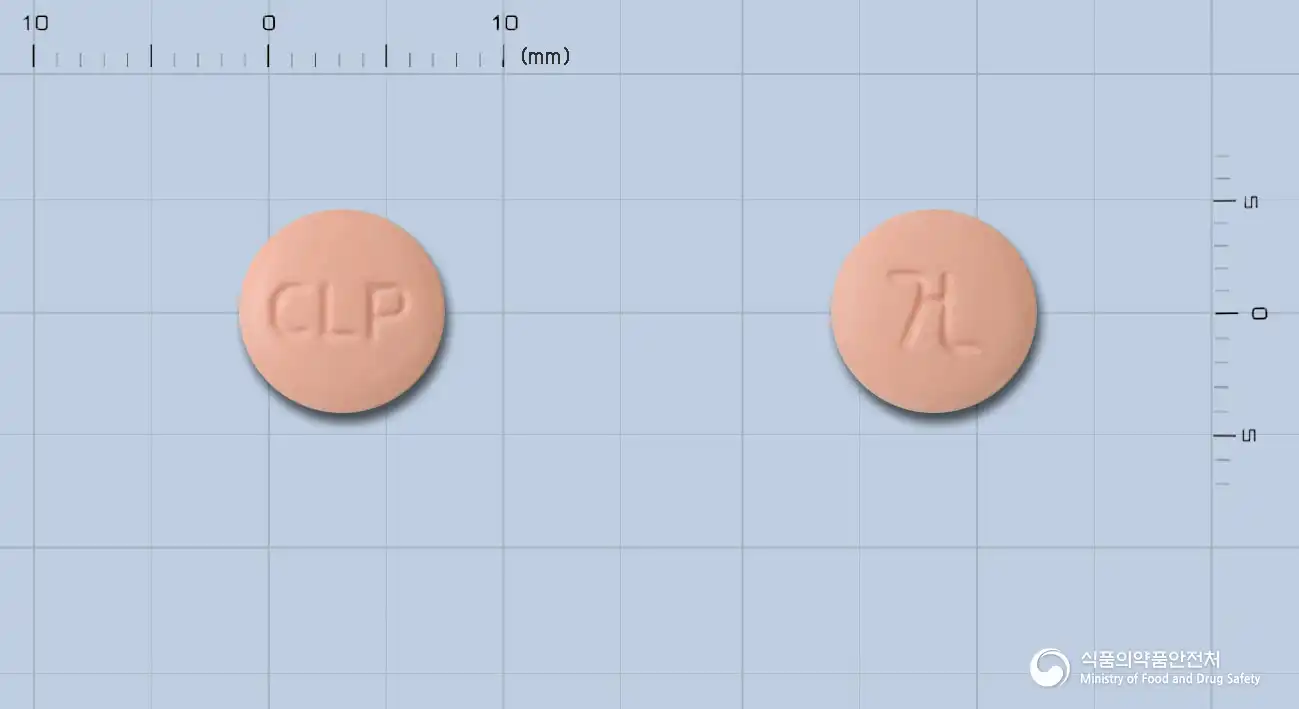
Clopidogrel Bisulfate 97.875mg
Tablet · Prescription medication
Geonil Pharmaceutical Co., Ltd.
Clopidogrel Bisulfate 97.875mg
Tablet · Prescription medication
Sama Pharmaceutical Co., Ltd.
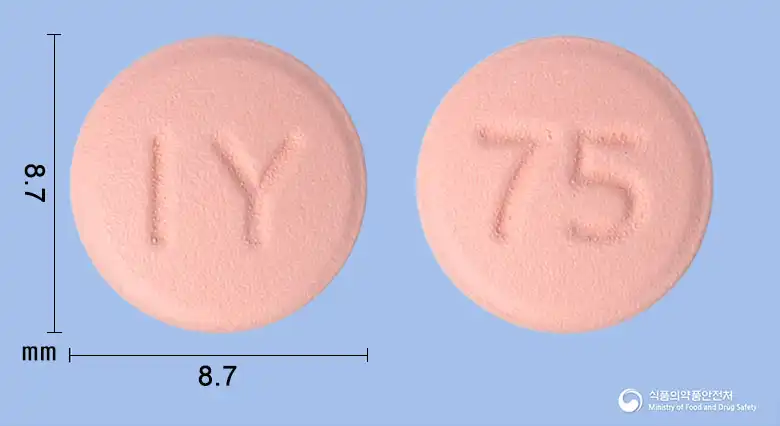
Clopidogrel Bisulfate 97.875mg
Tablet · Prescription medication
Il Yang Pharmaceutical Co., Ltd.
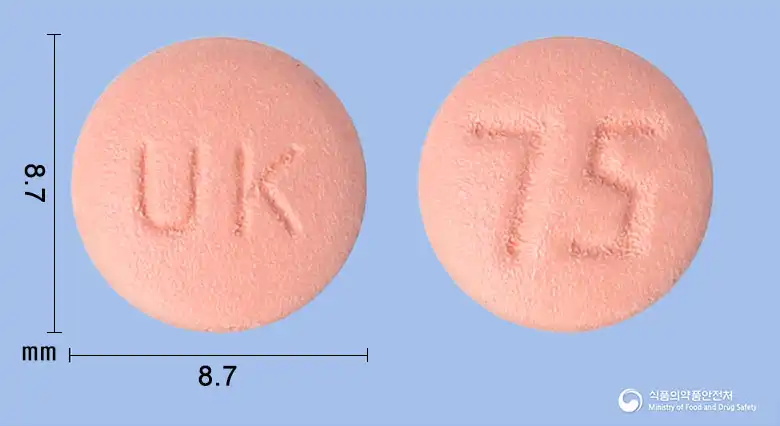
Clopidogrel Bisulfate 97.875mg
Tablet · Prescription medication
Korea Union Pharmaceutical Co., Ltd.

Clopidogrel Bisulfate 97.875mg
Tablet · Prescription medication
(Co., Ltd.) Korea Pharma
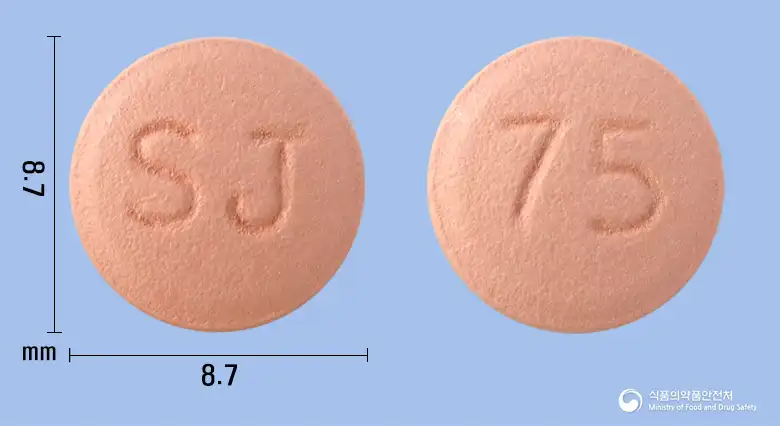
Clopidogrel Bisulfate 97.875mg
Tablet · Prescription medication
Samjin Pharmaceutical Co., Ltd.
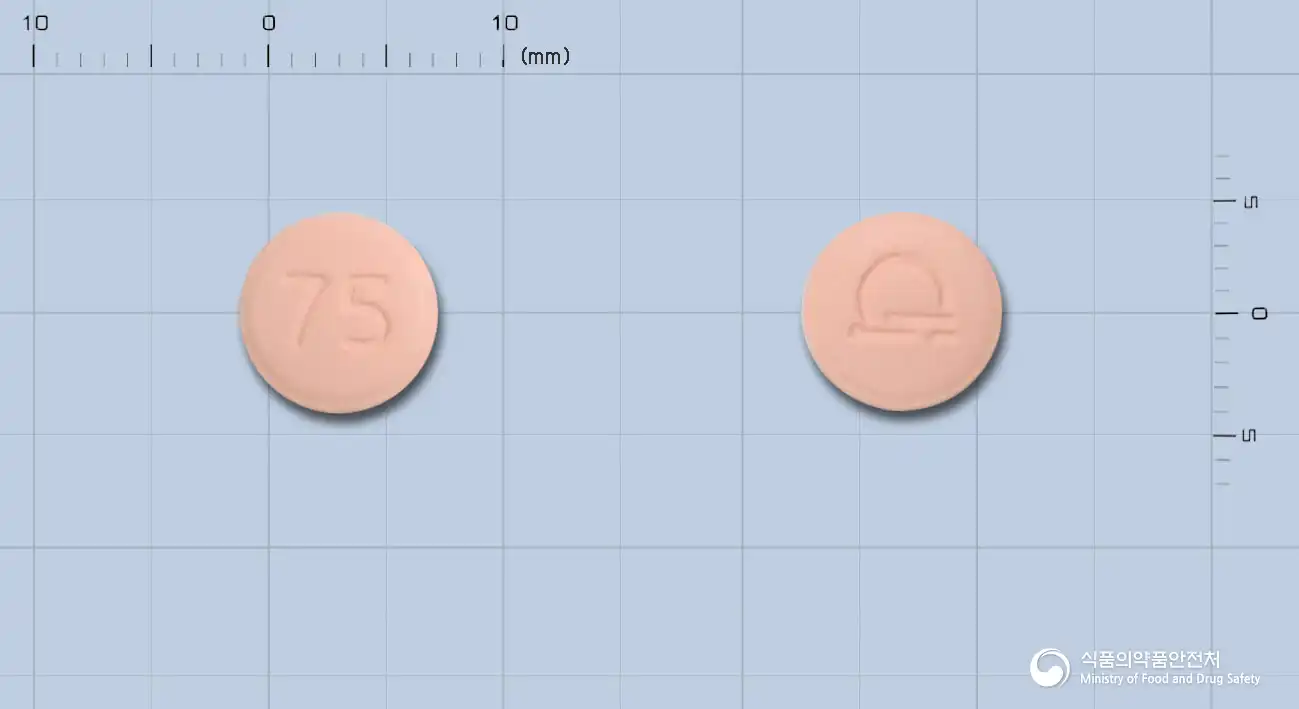
Clopidogrel Bisulfate 97.875mg
Tablet · Prescription medication
Daewon Pharmaceutical Co., Ltd.
Even with the same ingredient, the dose and directions can differ by strength and dosage form. Talk to a doctor or pharmacist before switching from a medication you are already taking.
No questions yet.
For anything that needs medical judgment, consult a doctor or pharmacist.
This drug information is based on data provided by the Korea Ministry of Food and Drug Safety.
Consult a doctor or pharmacist for accurate dosage, administration, and usage instructions.