
 한국어
 English
 日本語
 中文(简体)
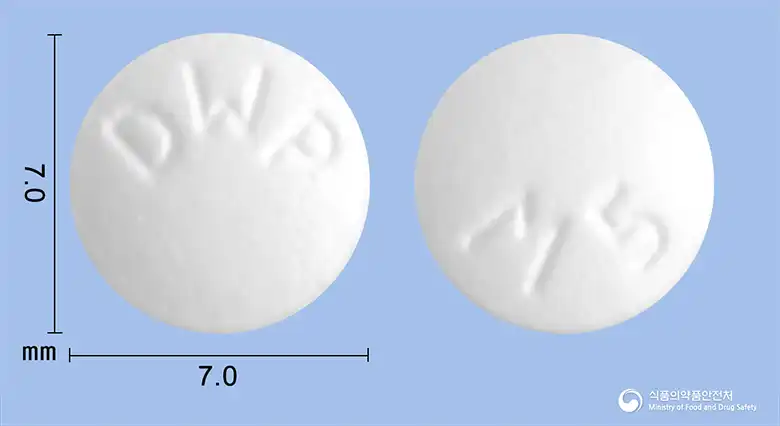 Viewing now
Migbos Film-Coated Tablets (Miglitol)
Miglitol 50mg
Tablet · Prescription medication
Daewon Pharmaceutical Co., Ltd.
MFDS item code 201306313 · Approved 2013.03.20
Treatment of non-insulin-dependent diabetes mellitus
This medicine is used to treat non-insulin-dependent diabetes that cannot be controlled by diet alone or is difficult to manage with the combination of diet and sulfonylurea.
Take once before meals with a small amount of water or with a small amount of food. Adults initially take 50 milligrams 3 times daily. Depending on tolerability, the dose is normally increased to a maintenance dose of up to 100 milligrams 3 times daily after 4-12 weeks of treatment.
This medicine should not be used in specific patients. Patients with allergies to this medicine or any of its ingredients, children and adolescents under 18 years of age, and pregnant or breastfeeding women should not take this medicine. Caution is warranted for patients with inflammatory bowel disease, colonic ulcers, a risk of bowel obstruction, and those with chronic digestive disorders or malabsorption, as their conditions may worsen. Patients with severely impaired kidney function, particularly those with a creatinine clearance of 25ml/min or less, should not take this medicine. When taken with sulfonylurea drugs, symptoms of hypoglycemia may be exacerbated, so dosage adjustments are necessary when using both medications concurrently. It is better to treat hypoglycemic symptoms with glucose rather than sugar, as this medicine delays the absorption of disaccharides rather than monosaccharides, making this measure necessary. Taking this medicine may lead to an increase in undigested carbohydrates in the intestines, resulting in increased intestinal gas. Symptoms such as abdominal distension, diarrhea, and abdominal pain may occur and are influenced by the dosage and food intake. In most cases, symptoms improve over time, but if symptoms are severe or persistent, dosage reduction or consultation with a doctor is recommended. There may be interactions between this medicine and certain drugs. For example, when taken with glibenclamide or metformin, the drug's effects may alter, so caution is required. Moreover, combining this medicine with gastrointestinal adsorbents or digestive enzymes may reduce its effectiveness, so it is advisable not to take them together. Dose adjustments may also be necessary when used with propranolol or ranitidine. Pregnant women are advised not to use this medicine as its safety has not been fully established. Women who are breastfeeding should also refrain from taking this medicine. In cases of overdose, symptoms such as abdominal distension, diarrhea, and abdominal pain may occur, and it is advisable to avoid carbohydrate-containing foods or beverages for 4-6 hours. If symptoms are severe, medical treatment should be sought. This medicine should be kept out of reach of children and should not be transferred to another container. The effects of this medicine on activities such as operating machinery or driving are not known.
Not everyone experiences these, and they can vary from person to person.
This medicine should be stored in a tightly sealed container to avoid exposure to air or moisture and it is important to store it at room temperature, between 1 and 30 degrees Celsius.
White film-coated round tablet
30 tablets/bottle, 500 tablets/bottle
Even with the same ingredient, strength, dosage form and how it is taken can differ.
Viewing nowMiglitol 50mg
Tablet · Prescription medication
Daewon Pharmaceutical Co., Ltd.
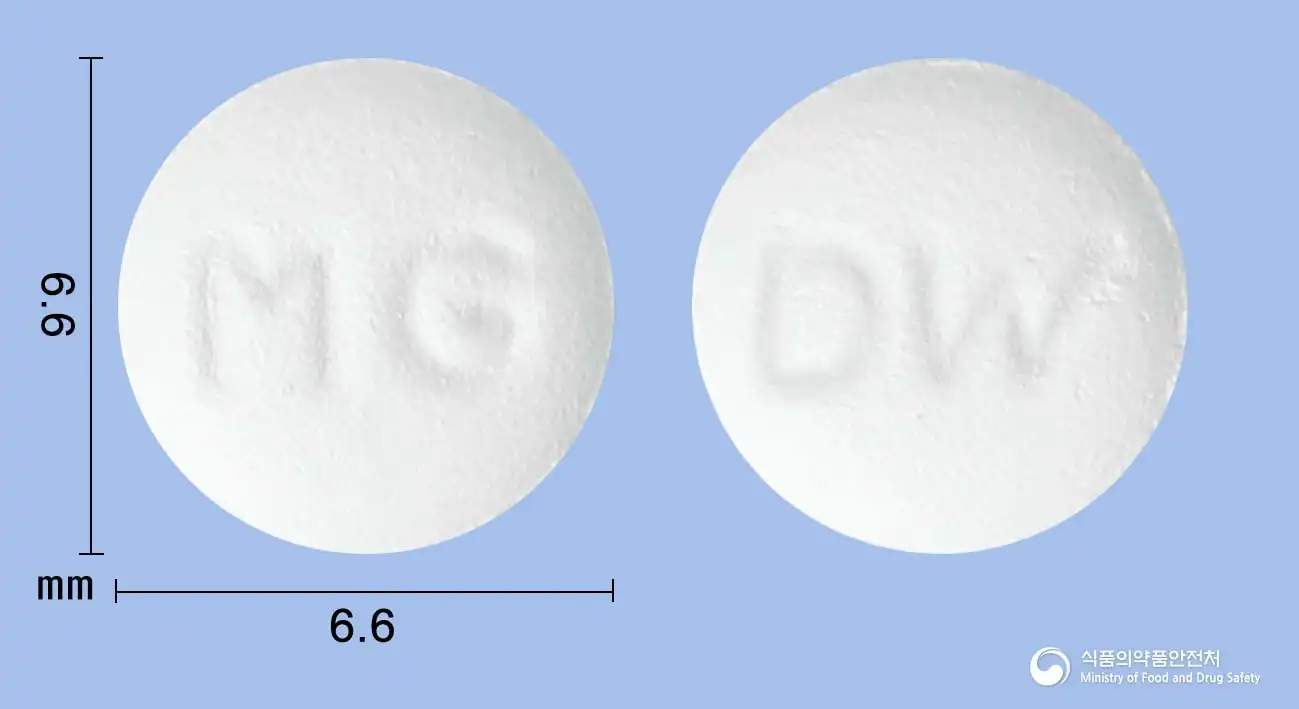
Miglitol 50mg
Tablet · Prescription medication
Daewoong Pharmaceutical Co., Ltd.
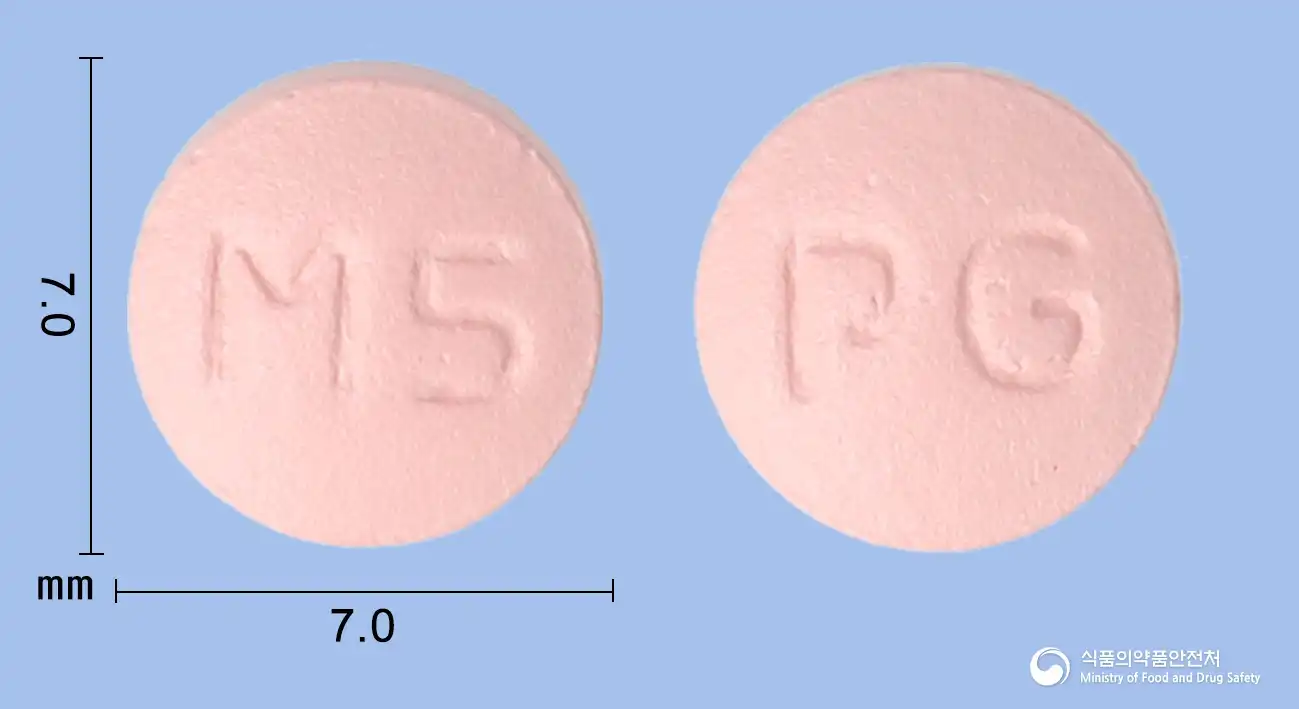
Miglitol 50mg
Tablet · Prescription medication
Palmgen Science Co., Ltd.
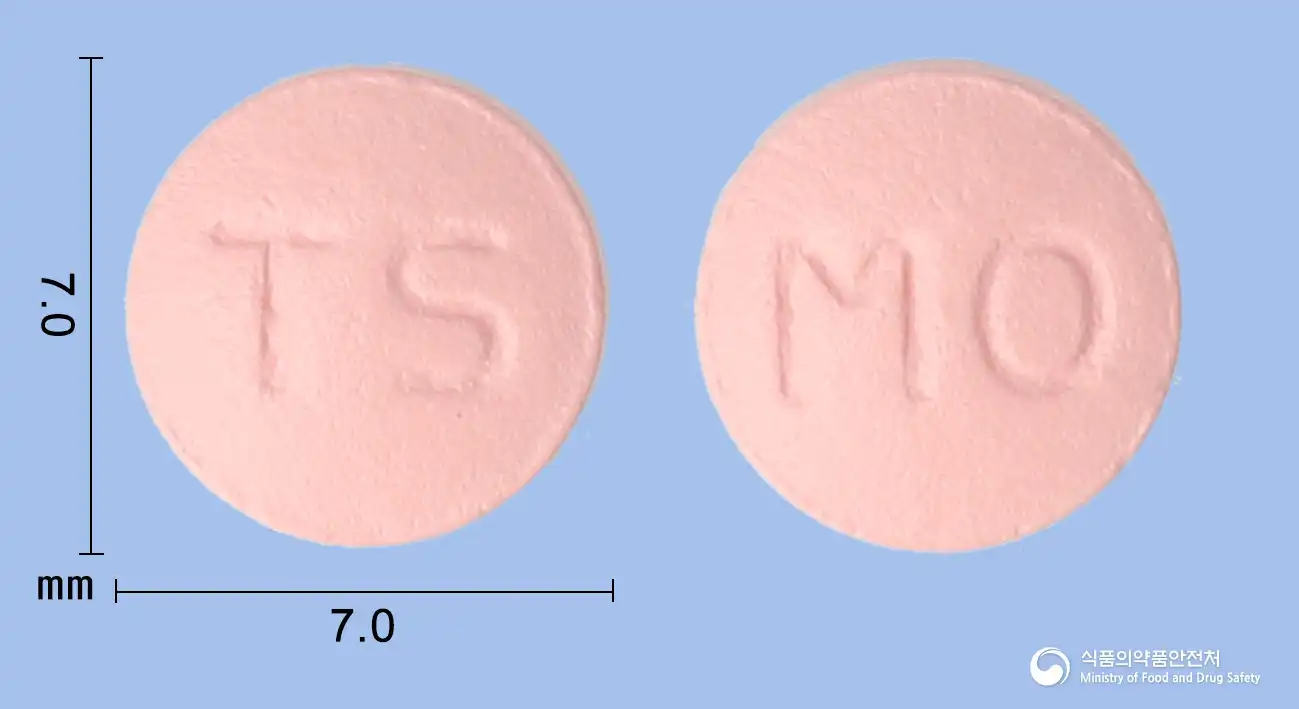
Miglitol 50mg
Tablet · Prescription medication
KMS Pharmaceutical Co., Ltd.
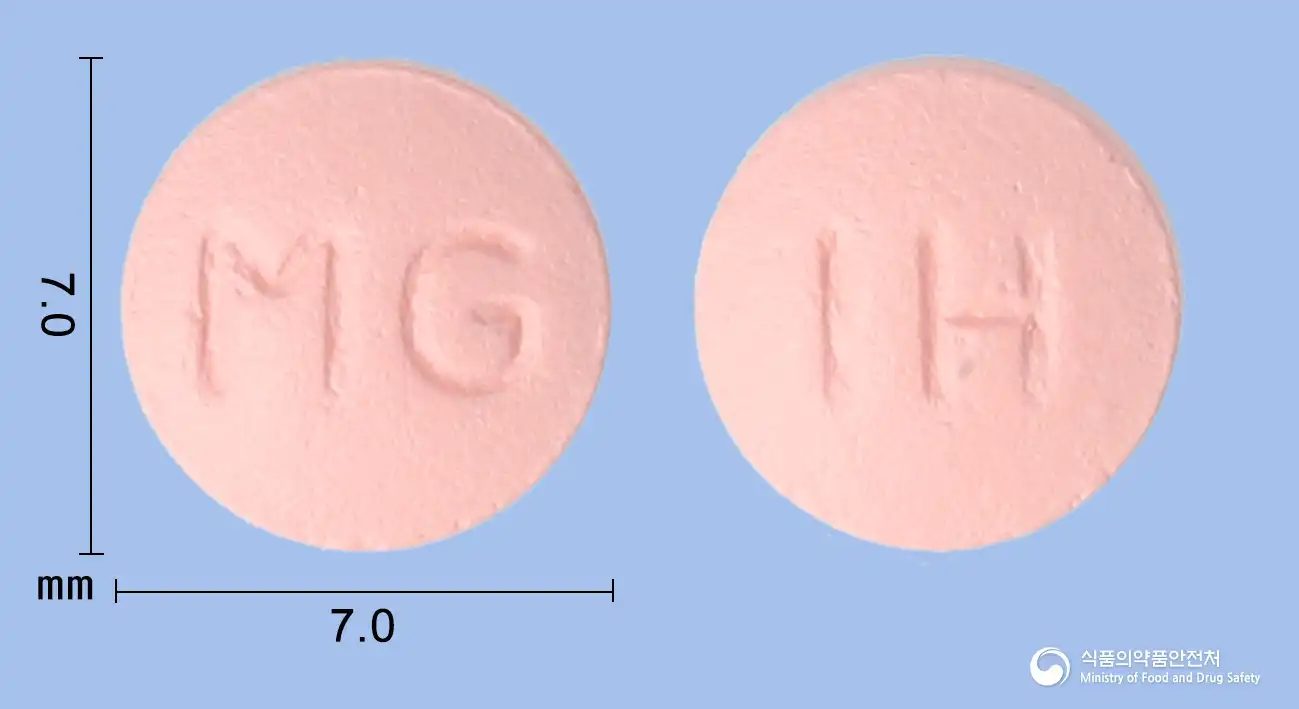
Miglitol 50mg
Tablet · Prescription medication
Ilhwa Co., Ltd.
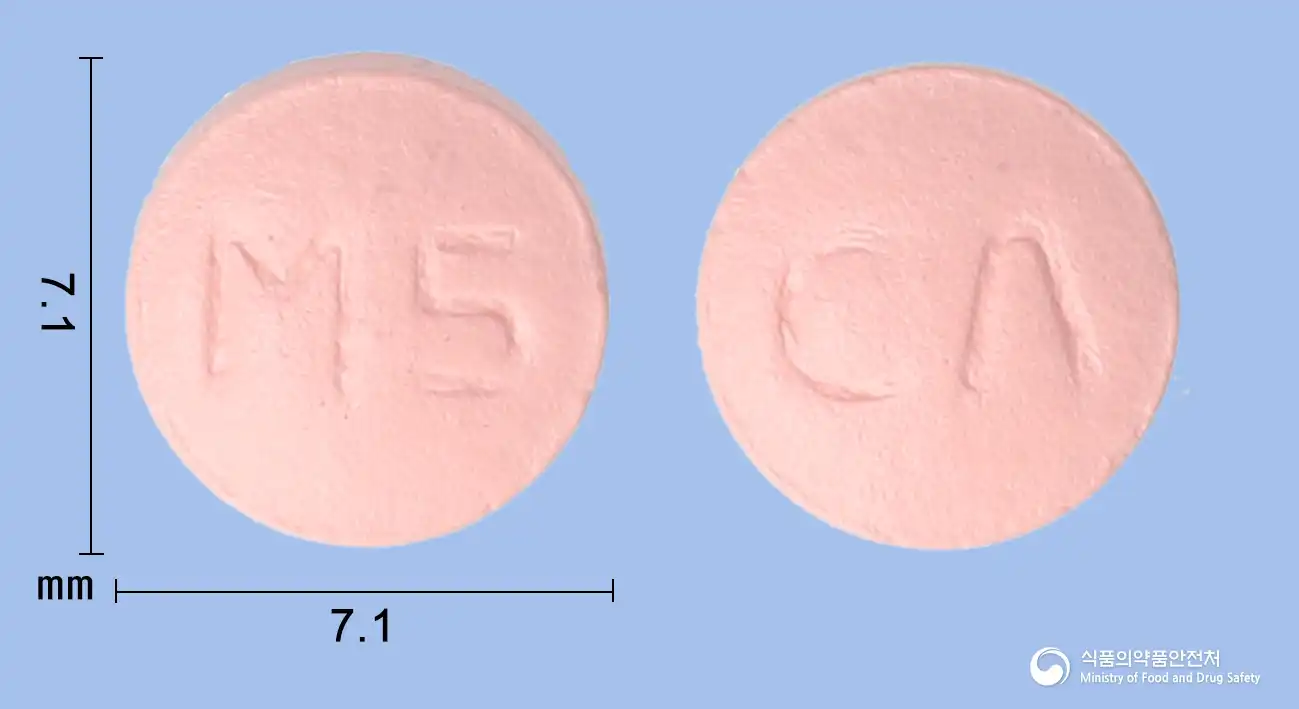
Miglitol 50mg
Tablet · Prescription medication
Joah Pharmaceutical Co., Ltd.
Miglitol 50mg
Tablet · Prescription medication
Huons Co., Ltd.
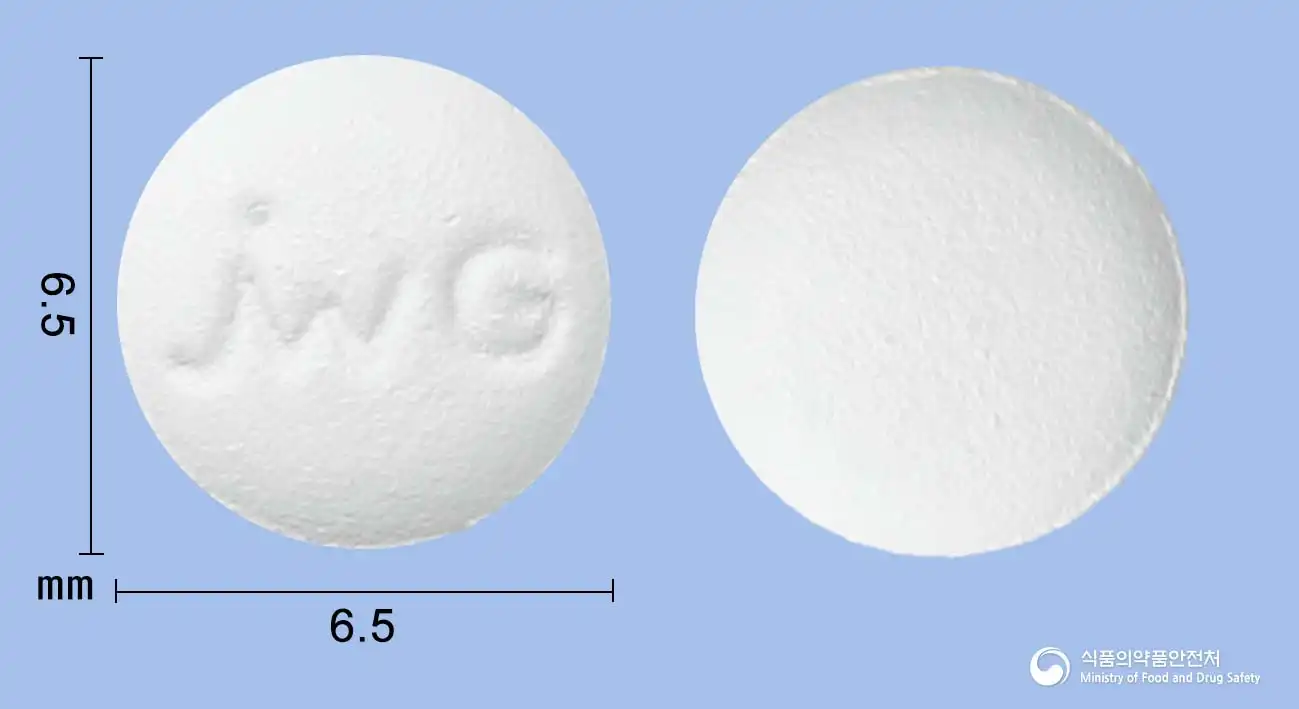
Miglitol 50mg
Tablet · Prescription medication
JW Pharmaceutical Co., Ltd.
Even with the same ingredient, the dose and directions can differ by strength and dosage form. Talk to a doctor or pharmacist before switching from a medication you are already taking.
No questions yet.
For anything that needs medical judgment, consult a doctor or pharmacist.
This drug information is based on data provided by the Korea Ministry of Food and Drug Safety.
Consult a doctor or pharmacist for accurate dosage, administration, and usage instructions.