
 한국어
 English
 日本語
 中文(简体)
Dosage form image
Viewing nowTanipty Tablet (Talniflumeate)
Talniflumate
Prescription medication
IYun Pharmaceutical Co., Ltd.
MFDS item code 201306042 · Approved 2013.03.06
This product's status changed to Expired on 2023.03.06. It may no longer be sold, so consult a doctor or pharmacist before taking it.
Treatment of arthritis (including rheumatoid arthritis)
This medication is used to alleviate joint inflammation and pain in conditions such as rheumatoid arthritis and osteoarthritis (degenerative joint disease).
Administer 370 mg of talniflumate orally 3 times daily. For severe cases, administer 740 mg per dose. Adjust the dose appropriately according to age and symptoms.
This medication should be discussed with a doctor or pharmacist if the person regularly consumes more than three alcoholic drinks a day. There is a risk of gastrointestinal bleeding when taken with this medication or other analgesics. Patients with cardiovascular diseases or risk factors should be cautious as serious cardiovascular problems such as myocardial infarction and stroke may occur. If cardiovascular symptoms appear, medical attention should be sought immediately. This medication can cause serious gastrointestinal adverse reactions such as gastrointestinal bleeding, ulcers, and perforation, particularly in the elderly. If gastrointestinal symptoms occur, treatment should be sought immediately, and medication may need to be discontinued if necessary. Patients with a history of peptic ulcers, allergic reactions to this medication or its components, asthma or sensitivity to aspirin should not take this medication. Women who are pregnant or may become pregnant, nursing mothers, and patients with severe liver, kidney, or heart diseases should also avoid this medication. Patients with weakened liver or kidney function, elderly patients, and those taking diuretics should use this medication with caution and have their condition monitored frequently. During treatment, gastrointestinal symptoms such as nausea, vomiting, diarrhea, and abdominal pain as well as adverse reactions such as skin rashes, hives, itching, and dizziness may occur, so caution is advised. If symptoms indicating cardiovascular issues, kidney function abnormalities, or liver function abnormalities appear, immediately consult a doctor. This medication may increase blood pressure or exacerbate existing hypertension, so blood pressure should be monitored regularly. Interactions may occur when taken with other NSAIDs, anticoagulants, diuretics, lithium, methotrexate, etc., so be sure to inform your doctor. In the late stages of pregnancy, this medication may be harmful to the fetus, and nursing mothers should either suspend breastfeeding or discontinue the medication. It is not to be administered to children, especially those under 12 years of age. Elderly patients should use the minimum dose cautiously and pay special attention to adverse reactions. This medication must be kept out of the reach of children and should not be transferred to other containers.
Not everyone experiences these, and they can vary from person to person.
This medication should be stored in a tightly sealed container that is well-ventilated and kept at room temperature between 1 and 30 degrees Celsius. Proper storage will help maintain the drug's effectiveness for a longer period.
Yellowish round film-coated tablet
30 tablets/bottle, 500 tablets/bottle
Even with the same ingredient, strength, dosage form and how it is taken can differ.
Talniflumate
Prescription medication
IYun Pharmaceutical Co., Ltd.
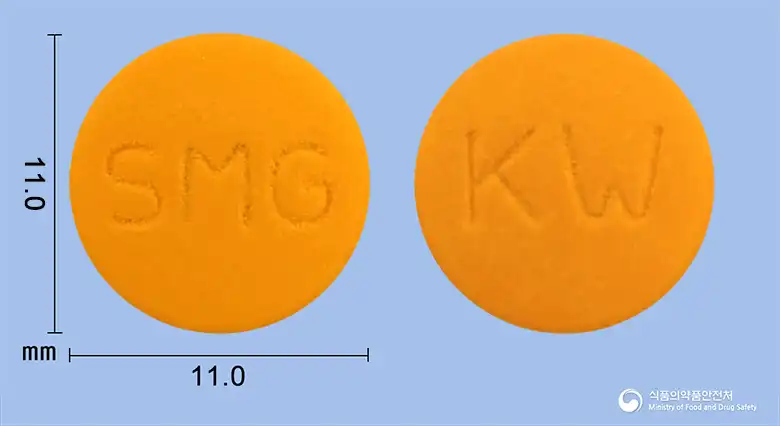
Talniflumate 370mg
Tablet · Prescription medication
Albozen Korea Co., Ltd.

Talniflumate 370mg
Tablet · Prescription medication
Dongsung Pharm Co., Ltd.
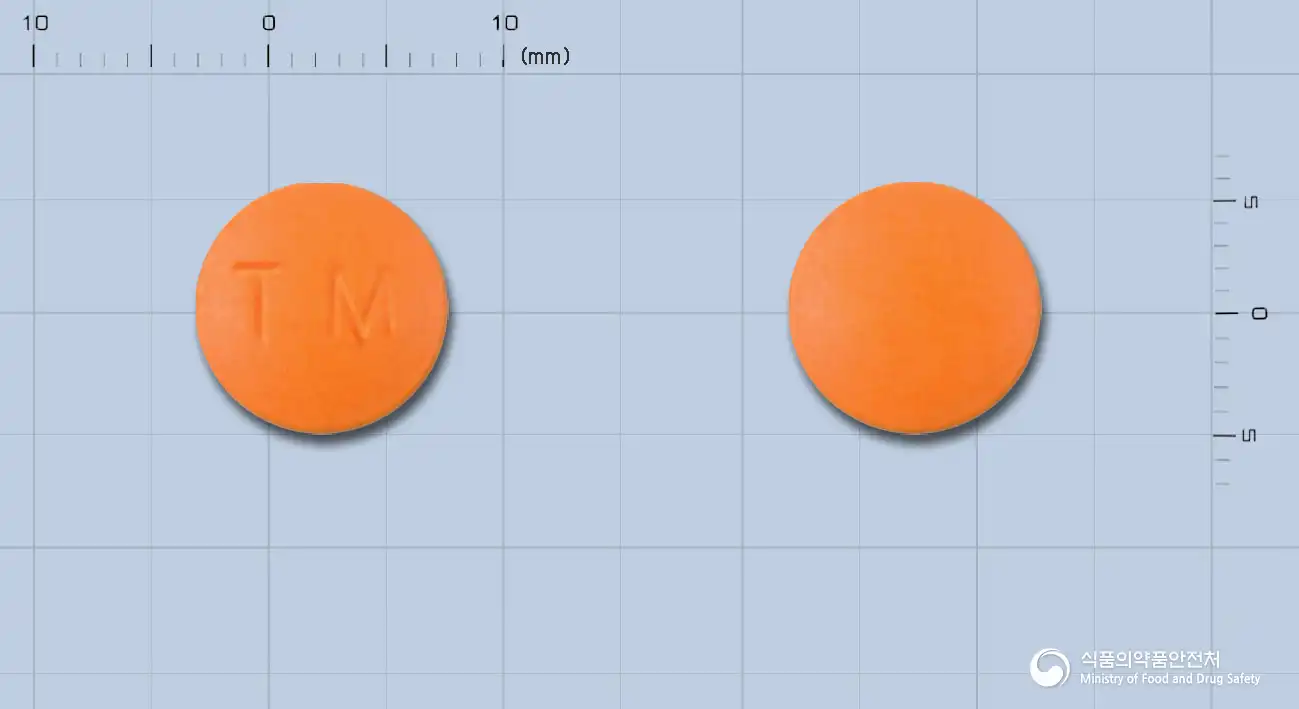
Talniflumate 370mg
Tablet · Prescription medication
Daewoo Pharmaceutical Co., Ltd.
Talniflumate 370mg
Tablet · Prescription medication
Samchundang Pharmaceutical Co., Ltd.
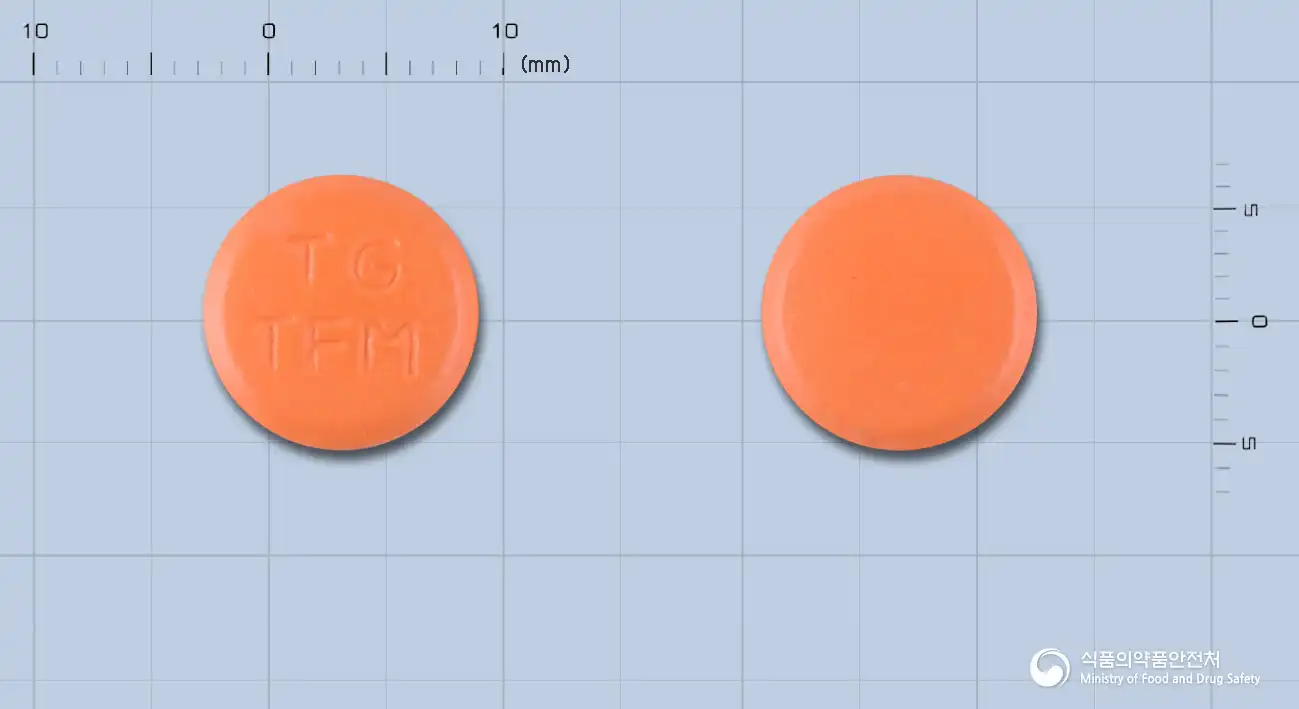
Talniflumate 370mg
Tablet · Prescription medication
Taegeuk Pharmaceutical Co., Ltd.

Talniflumate 370mg
Tablet · Prescription medication
Samjin Pharmaceutical Co., Ltd.
Talniflumate 370mg
Tablet · Prescription medication
Daehwa Pharmaceutical Co., Ltd.
Even with the same ingredient, the dose and directions can differ by strength and dosage form. Talk to a doctor or pharmacist before switching from a medication you are already taking.
No questions yet.
For anything that needs medical judgment, consult a doctor or pharmacist.
This drug information is based on data provided by the Korea Ministry of Food and Drug Safety.
Consult a doctor or pharmacist for accurate dosage, administration, and usage instructions.