
 한국어
 English
 日本語
 中文(简体)
 Viewing now
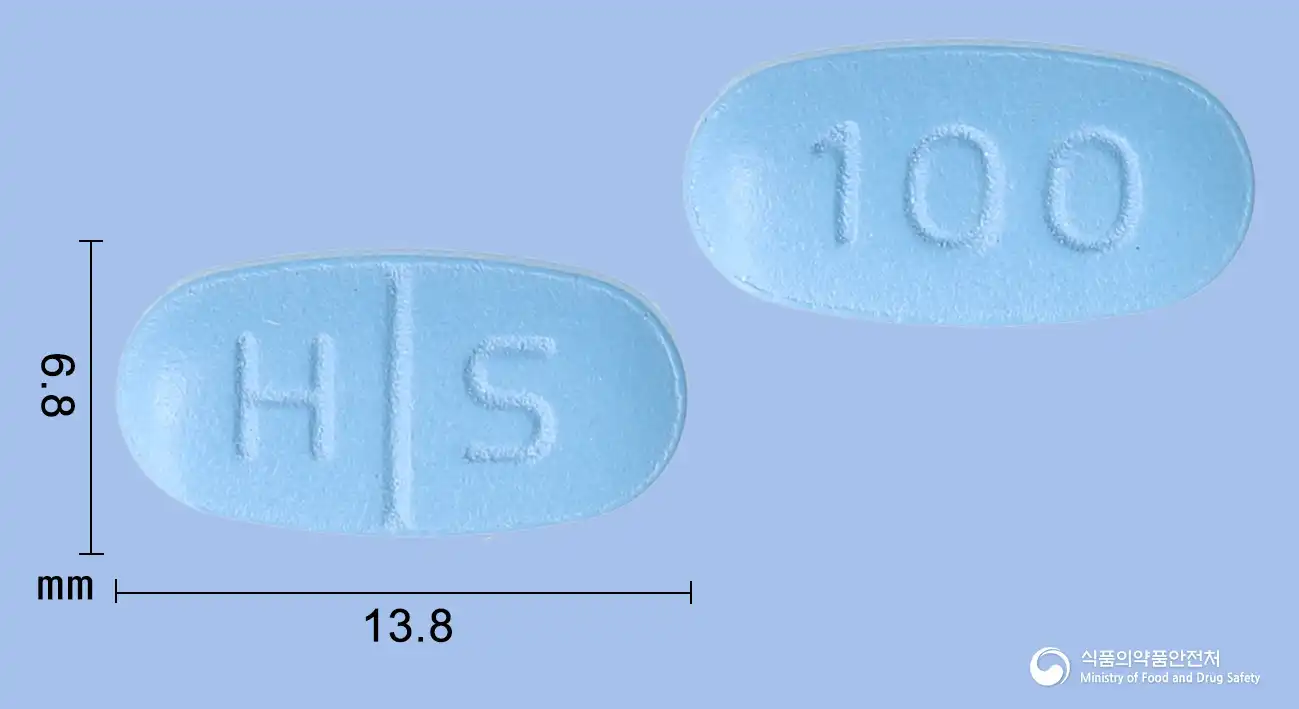
Pristine Tablet 100 mg (Sildenafil Citrate)
Sildenafil Citrate 140.45mg
Tablet · Prescription medication
Huons Co., Ltd.
MFDS item code 201305533 · Approved 2013.02.21
Treatment of erectile dysfunction
This medication is used for the treatment of erectile dysfunction.
Administer sildenafil orally once daily at the recommended dose of 25 ∼ 50 mg approximately 1 hour before sexual activity; in some cases, it may be taken from 4 hours to 30 minutes before sexual activity. The dose may be adjusted according to efficacy and tolerability. For the following patients, the initial dose should be adjusted to 25 mg because sildenafil plasma concentrations may be increased: - Age 65 years or older (AUC increased by 40 %) - Hepatic impairment (cirrhosis: 80 %) - Severe renal impairment (creatinine clearance 30 mL/min or less: 100 %) - Concomitant use with CYP3A4 inhibitors (e.g., ketoconazole, itraconazole, erythromycin (182 %), saquinavir (210 %)); increased blood concentrations may increase efficacy and the incidence of adverse reactions. - In patients receiving concomitant ritonavir, do not exceed 25 mg as a maximum single dose over a 48-hour period.
This medication can dilate blood vessels and may lower blood pressure. Therefore, patients taking nitrate compounds or nitric oxide (NO) donors should consult a physician before using this drug, as there is a risk of blood pressure dropping too low. Patients with heart or vascular problems should thoroughly check their cardiovascular condition before taking this medication. Especially, patients with heart disease or recent histories of myocardial infarction or stroke should be cautious, as this medication may pose a risk. This drug can put a strain on the heart during sexual activity, so it should not be used in patients with unstable cardiovascular conditions. Additionally, this medication may temporarily lower blood pressure when lying down, leading to dizziness or fainting; caution is advised. If an erection lasts more than 4 hours (priapism), immediate medical attention should be sought, as untreated priapism can cause penile tissue damage or loss of erectile function. Patients with specific heart diseases or difficulty controlling blood pressure, such as those with pigmentary retinopathy, should exercise caution, as the safety and efficacy of this drug have not been established in these groups. This medication may interact with certain drugs, so careful dose adjustments or monitoring is needed, especially in combination with potent CYP3A4 inhibitors or protease inhibitors. Formulations containing aspartame should not be administered to patients with phenylketonuria. This medication is not intended for use in children under 18 years of age or in women, and elderly patients or those with liver or kidney failure are recommended to start at a lower dose. Caution should be exercised when driving or operating machinery, as visual disturbances or dizziness may occur. This medication should not be used in patients with cardiovascular diseases in whom sexual activity is not recommended, and if unusual symptoms occur during sexual activity, use should be discontinued immediately and medical advice should be sought. This drug is not to be used for purposes other than treating erectile dysfunction and does not provide protection against sexually transmitted diseases. In case of overdose, symptomatic treatment should be administered, and renal dialysis is not effective in removing the drug.
Headache, flushing, rhinitis, hypersensitivity reaction, dizziness, drowsiness, seizures, seizure recurrence, fainting, blurred vision, visual impairment, cyanopsia, eye pain, photophobia, photopsia, chromatic vision, eye congestion, brightening of vision, eye swelling, eyelid edema, tachycardia, palpitations, facial flushing, flushing, hypotension, nasal congestion, epistaxis, sinus congestion, throat discomfort, nasal dryness, nasal swelling, nausea, dyspepsia, gastroesophageal reflux disease, vomiting, upper abdominal pain, dry mouth, oral sensory impairment, rash, myalgia, limb pain, priapism, increased erection, feeling hot, irritability, increased heart rate, urinary tract infection, diarrhea, migraine, confusion, weakness, pain, chills, accidental falls, allergic reaction, chest pain, accidental trauma, angina pectoris, atrioventricular block, palpitations, orthostatic hypotension, myocardial ischemia, cerebral thrombosis, cardiac arrest, heart failure, electrocardiogram abnormalities, cardiomyopathy, vasodilation, glossitis, colitis, dysphagia, gastritis, gastroenteritis, esophagitis, stomatitis, abnormal liver function, rectal bleeding, gingivitis, anemia, leukopenia, thirst, edema, gout, unstable diabetes, hyperglycemia, peripheral edema, hyperuricemia, hypoglycemia, hypernatremia, arthritis, arthrosis, tendon rupture, tenosynovitis, bone pain, myasthenia, synovitis, ataxia, tension increase, neuralgia, neuropathy, sensory abnormalities, tremor, depression, insomnia, abnormal dreams, reflex function decrease, sensory decline, asthma, dyspnea, laryngitis, pharyngitis, sinusitis, bronchitis, increased sputum, increased cough, urticaria, herpes simplex, pruritus, sweating, skin ulcer, contact dermatitis, exfoliative dermatitis, sudden hearing loss, hearing impairment, mydriasis, conjunctivitis, tinnitus, eye pain, ear pain, ocular hemorrhage, cataract, dry eye syndrome, cystitis, nocturia, frequent urination, chest enlargement, urinary incontinence, ejaculation disorder, genital swelling, sexual hypersensitivity, migraine, confusion, drowsiness, anxiety disorder, hematuria, epistaxis, hypersensitivity reaction, diplopia, transient vision loss, vision impairment, eye burning, eye swelling, increased intraocular pressure, retinal vascular disease, hemorrhage, vitreous detachment, contraction, macular edema, non-arteritic anterior ischemic optic neuropathy, hepatitis, virus, penile dysfunction, painful urination, polyuria, glaucoma, overflow incontinence, gastric adenoma, seborrhea, increased creatine kinase, increased BUN, increased red blood cells in urine, fatigue, increased uric acid in urine, decreased sodium levels, increased serum inorganic phosphate levels, increased urine protein, increased blood sugar in urine, increased urobilinogen
Not everyone experiences these, and they can vary from person to person.
This medication must be stored in a tightly sealed container to prevent exposure to air or moisture. It is important to maintain a storage temperature between 1°C and 30°C. This will help ensure the drug's effectiveness is preserved and prevent degradation.
Blue rectangular film-coated tablet
10 tablets/box [(5 tablets/PTPX2)]
Even with the same ingredient, strength, dosage form and how it is taken can differ.
Viewing nowSildenafil Citrate 140.45mg
Tablet · Prescription medication
Huons Co., Ltd.
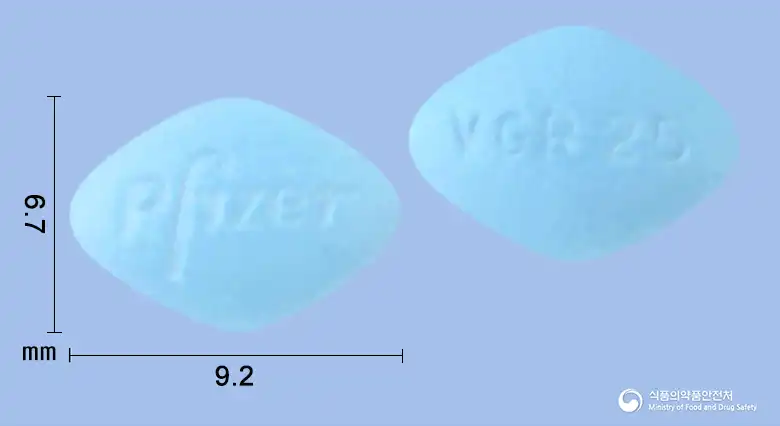
Sildenafil Citrate 35.112mg
Tablet · Prescription medication
Viatriss Korea Co., Ltd.
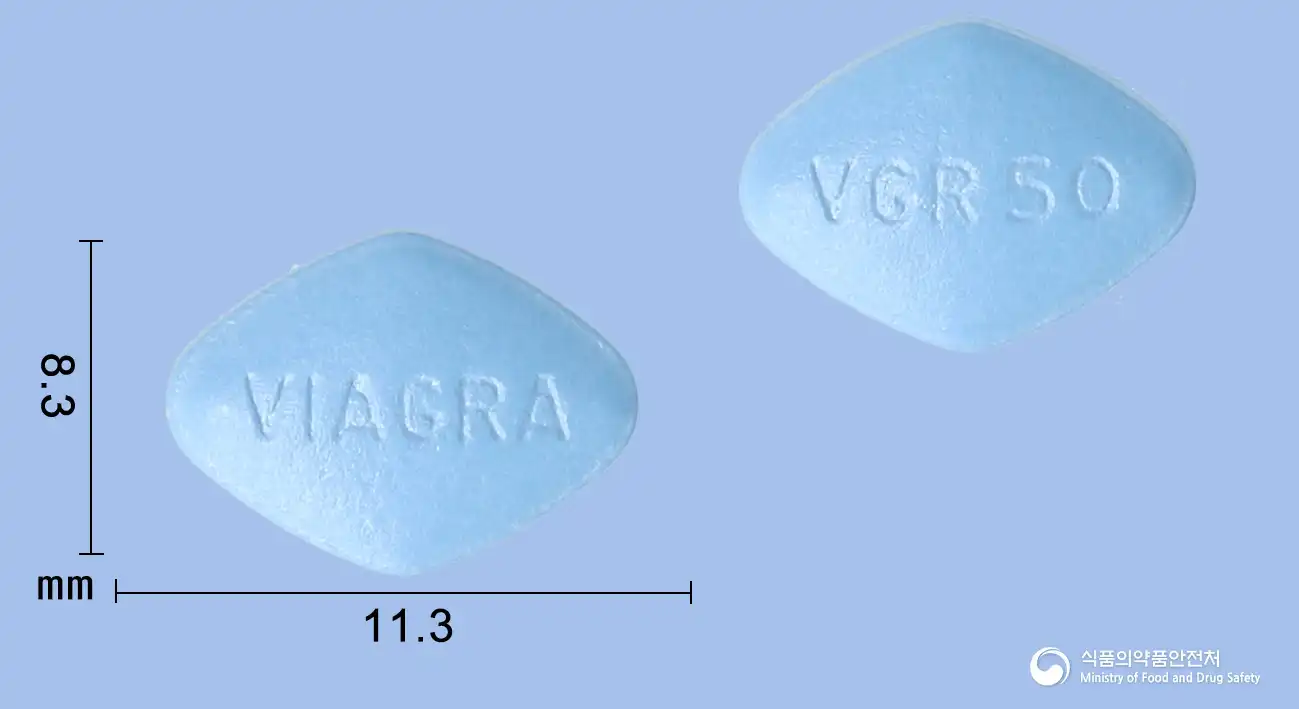
Sildenafil Citrate 70.225mg
Tablet · Prescription medication
Viatris Korea Co., Ltd.
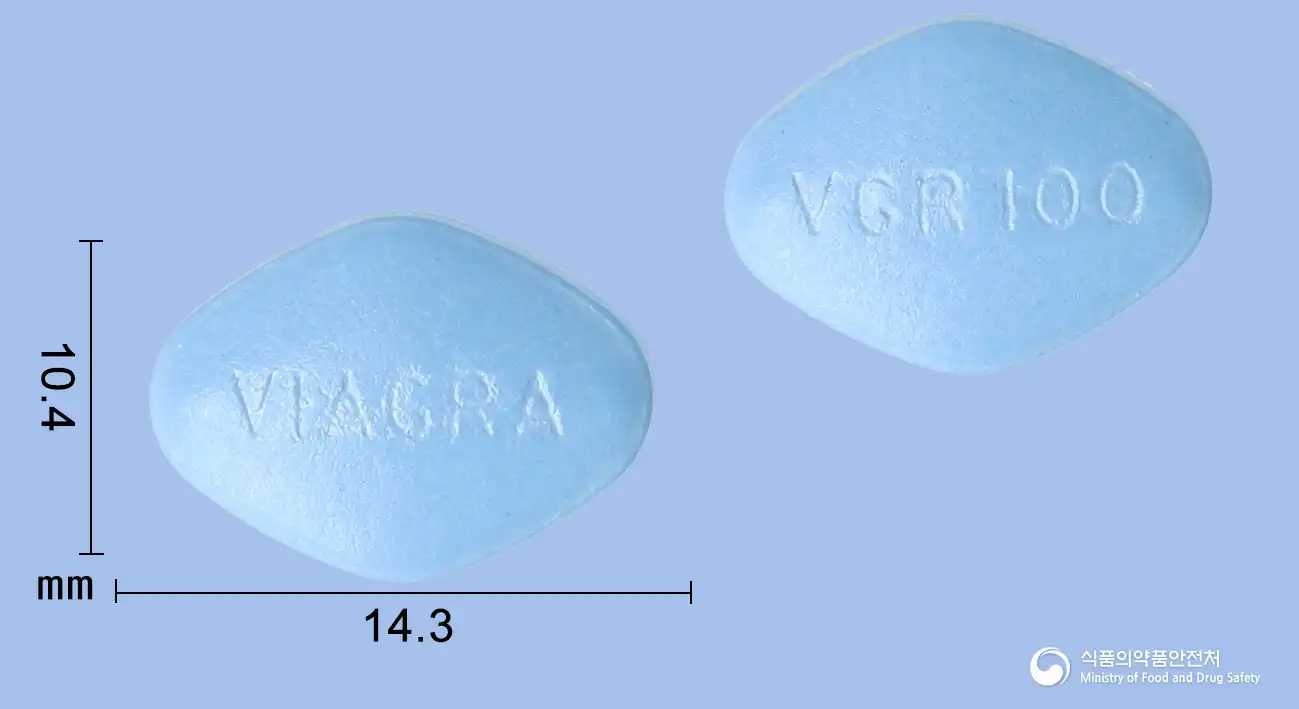
Sildenafil Citrate 140.45mg
Tablet · Prescription medication
Viatris Korea Co., Ltd.
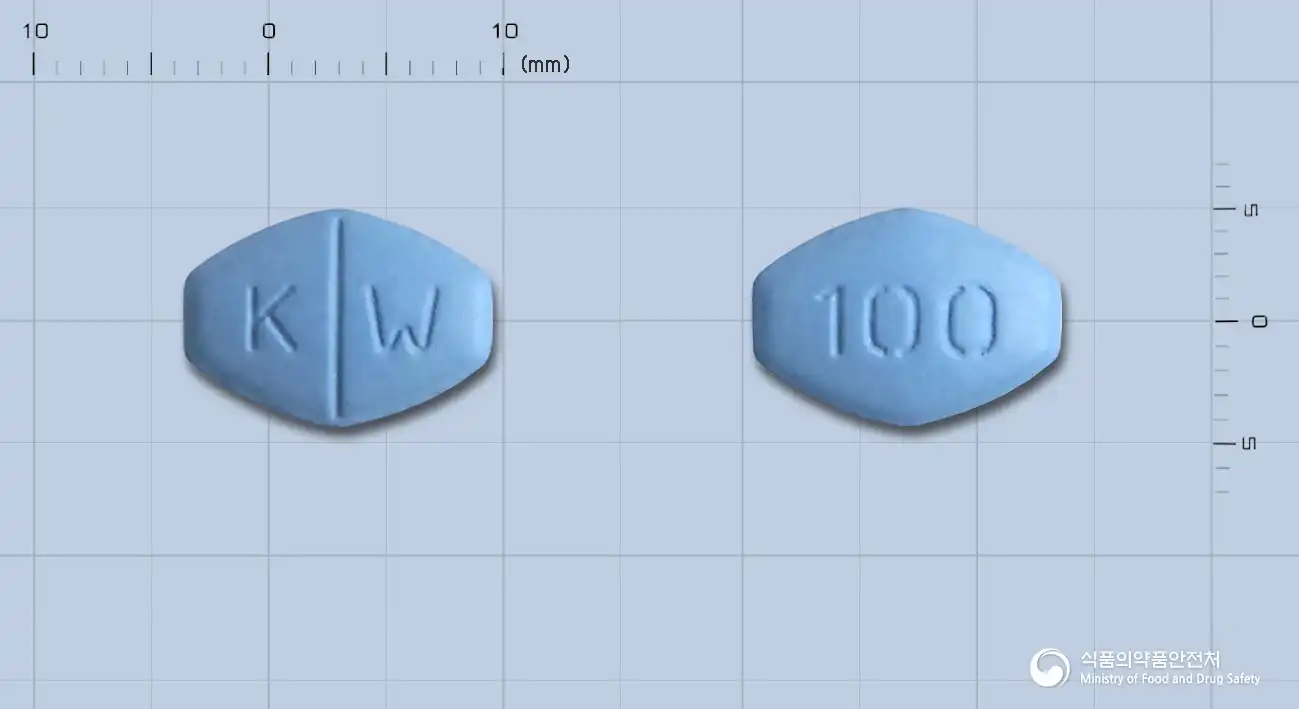
Sildenafil Citrate 140.45mg
Tablet · Prescription medication
Albozen Korea Co., Ltd.
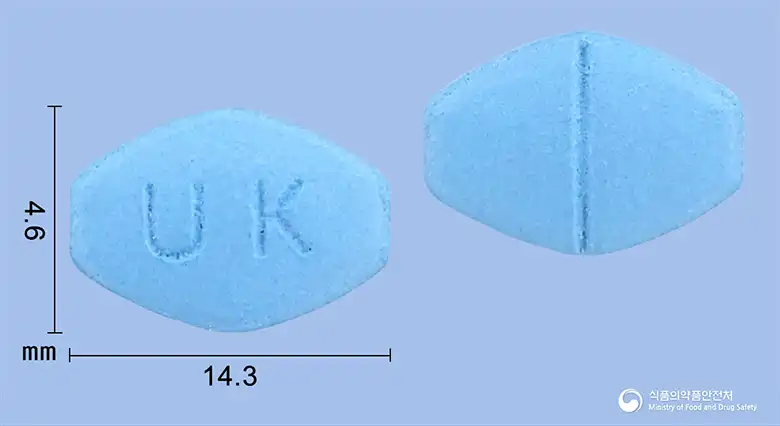
Sildenafil Citrate 140.45mg
Tablet · Prescription medication
Korea Union Pharmaceutical Co., Ltd.
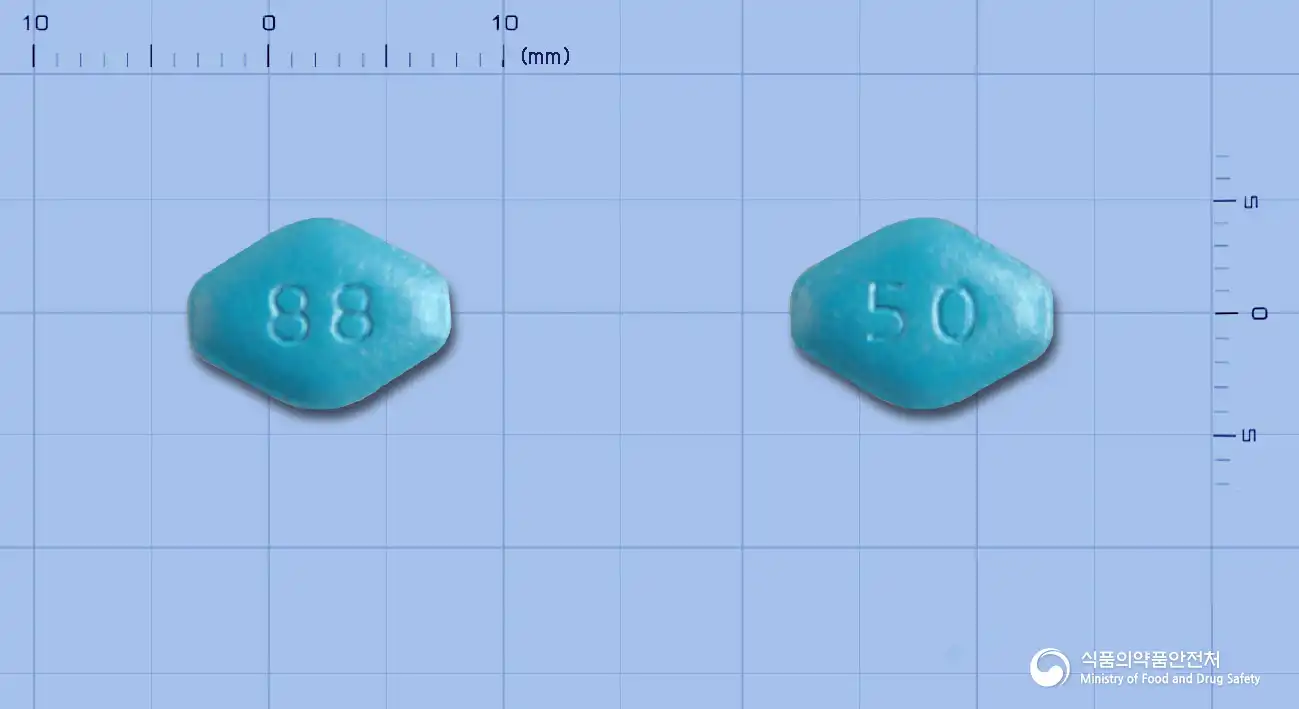
Sildenafil Citrate 70.23mg
Tablet · Prescription medication
Hanmi Pharmaceutical Co., Ltd.
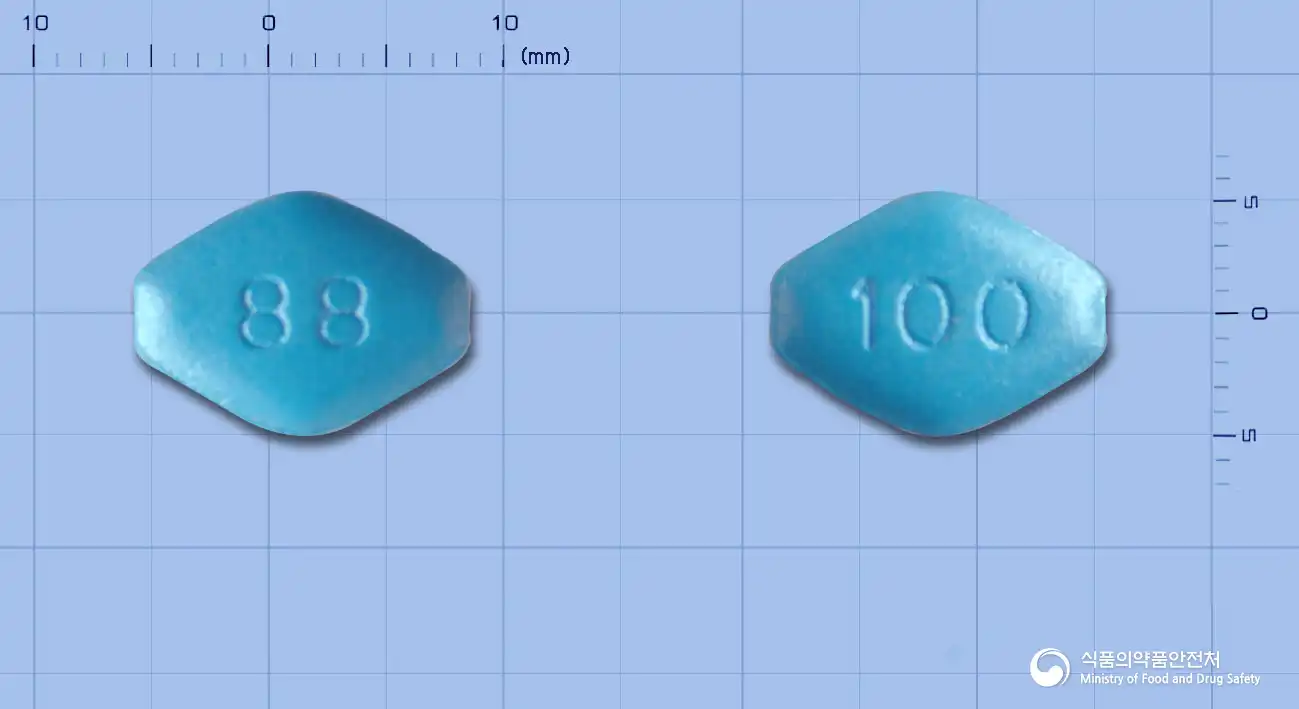
Sildenafil Citrate 140.45mg
Tablet · Prescription medication
Hanmi Pharmaceutical Co., Ltd.
Even with the same ingredient, the dose and directions can differ by strength and dosage form. Talk to a doctor or pharmacist before switching from a medication you are already taking.
No questions yet.
For anything that needs medical judgment, consult a doctor or pharmacist.
This drug information is based on data provided by the Korea Ministry of Food and Drug Safety.
Consult a doctor or pharmacist for accurate dosage, administration, and usage instructions.