
 한국어
 English
 日本語
 中文(简体)
Summary
- Main use
- Treatment of attention-deficit/hyperactivity disorder (ADHD) in children and adolescents aged 6~17
- Who takes it
- Adults
- Adult dose
- Because this is an extended-release tablet, swallow it whole without crushing, splitting, or chewing. This medicine may be taken with or without food. The dose of this medicine should be adjusted individually according to the patient's response and treatment needs. Treatment should be initiated with 0.1 mg at bedtime. The daily dose should be adjusted by increasing it by 0.1 mg/day each week until the desired response is achieved. This medicine should be taken twice daily, with the morning and bedtime doses being equal or the bedtime dose being higher (see Table 1). Table 1. Dosing guidelines for this medicine Total daily dose / Morning dose / Bedtime dose 0.1 mg/day / 0.1 mg 0.2 mg/day / 0.1 mg / 0.1 mg 0.3 mg/day / 0.1 mg / 0.2 mg 0.4 mg/day / 0.2 mg / 0.2 mg Doses exceeding 0.4 mg/day (0.2 mg twice daily) are not recommended, as they have not been evaluated in clinical trials of ADHD. When discontinuing this medicine, gradually reduce the total daily dose by no more than 0.1 mg every 3 ~ 7 days. The efficacy of long-term use of this medicine (more than 5 weeks) has not been systematically evaluated. Therefore, the usefulness of long-term treatment should be reassessed periodically.
Ingredients
- Manufacturer
- HK inno.N Co., Ltd.
Efficacy & effects
Treatment of attention-deficit/hyperactivity disorder (ADHD) in children and adolescents aged 6~17
- Inattention
- hyperactivity
View approved original textHide original text
This medication is used to treat Attention Deficit Hyperactivity Disorder (ADHD) in children and adolescents aged 6 to 17 years. Diagnosis should be based on the DSM-IV criteria or ICD-10 guidelines, thus it can be taken safely after an accurate diagnosis. This treatment helps improve concentration and behavior control, thereby improving daily adaptation.
How to take
Adult dose
Because this is an extended-release tablet, swallow it whole without crushing, splitting, or chewing. This medicine may be taken with or without food. The dose of this medicine should be adjusted individually according to the patient's response and treatment needs. Treatment should be initiated with 0.1 mg at bedtime. The daily dose should be adjusted by increasing it by 0.1 mg/day each week until the desired response is achieved. This medicine should be taken twice daily, with the morning and bedtime doses being equal or the bedtime dose being higher (see Table 1). Table 1. Dosing guidelines for this medicine Total daily dose / Morning dose / Bedtime dose 0.1 mg/day / 0.1 mg 0.2 mg/day / 0.1 mg / 0.1 mg 0.3 mg/day / 0.1 mg / 0.2 mg 0.4 mg/day / 0.2 mg / 0.2 mg Doses exceeding 0.4 mg/day (0.2 mg twice daily) are not recommended, as they have not been evaluated in clinical trials of ADHD. When discontinuing this medicine, gradually reduce the total daily dose by no more than 0.1 mg every 3 ~ 7 days. The efficacy of long-term use of this medicine (more than 5 weeks) has not been systematically evaluated. Therefore, the usefulness of long-term treatment should be reassessed periodically.
Precautions
This medication should not be used in individuals who have had an allergic reaction to this drug or its components. This medication contains lactose, so individuals with a genetic problem of lactose intolerance should not take it. Caution is required for those with low blood pressure or slow heart rates, as this medication may further lower blood pressure and heart rate when taken. Blood pressure and heart rate should be regularly monitored before and during treatment, and special caution should be taken for those with hypotension or heart-related conditions. Individuals with a history of fainting, dehydration, or orthostatic hypotension should be particularly careful when taking this medication. Consult your doctor if taking this medication with other antihypertensive drugs or medications that lower heart rate, as the risk of fainting may increase. This medication can cause drowsiness or sedation, so caution is advised when performing activities that require alertness such as driving or operating machinery. Alcohol intake may intensify drowsiness and sedation effects, so it is advisable to avoid it. Abruptly stopping this medication may cause a sudden spike in blood pressure, so it should be discontinued gradually under the guidance of a doctor. Individuals with heart or vascular diseases, or impaired renal function should exercise caution when taking this medication, and dosage adjustments may be required depending on their condition. Side effects, including drowsiness, headache, fatigue, gastrointestinal discomfort, and others, may occur during the use of this medication; consult your doctor if any unusual symptoms arise. Pregnant or breastfeeding women should be particularly careful when taking this medication, as it may affect the fetus or infant. The safety and efficacy of this medication have not been established in children under 6 years old; therefore, it should not be used in this age group. The sedative effects of this medication may be enhanced if taken with other CNS depressants or alcohol, so it's essential to consult with a doctor before doing so. In case of overdose, there is a risk of changes in blood pressure, heart rhythm abnormalities, and respiratory depression, so the prescribed dosage must be strictly followed. This medication should be kept out of reach of children and stored away from direct sunlight.
Side effects
drowsiness
Not everyone experiences these, and they can vary from person to person.
Storage
This medication is sensitive to light, so it should be stored in a tightly sealed container that blocks light. The storage temperature should be kept between 1 and 30 degrees Celsius at room temperature.
Appearance and packaging
Appearance
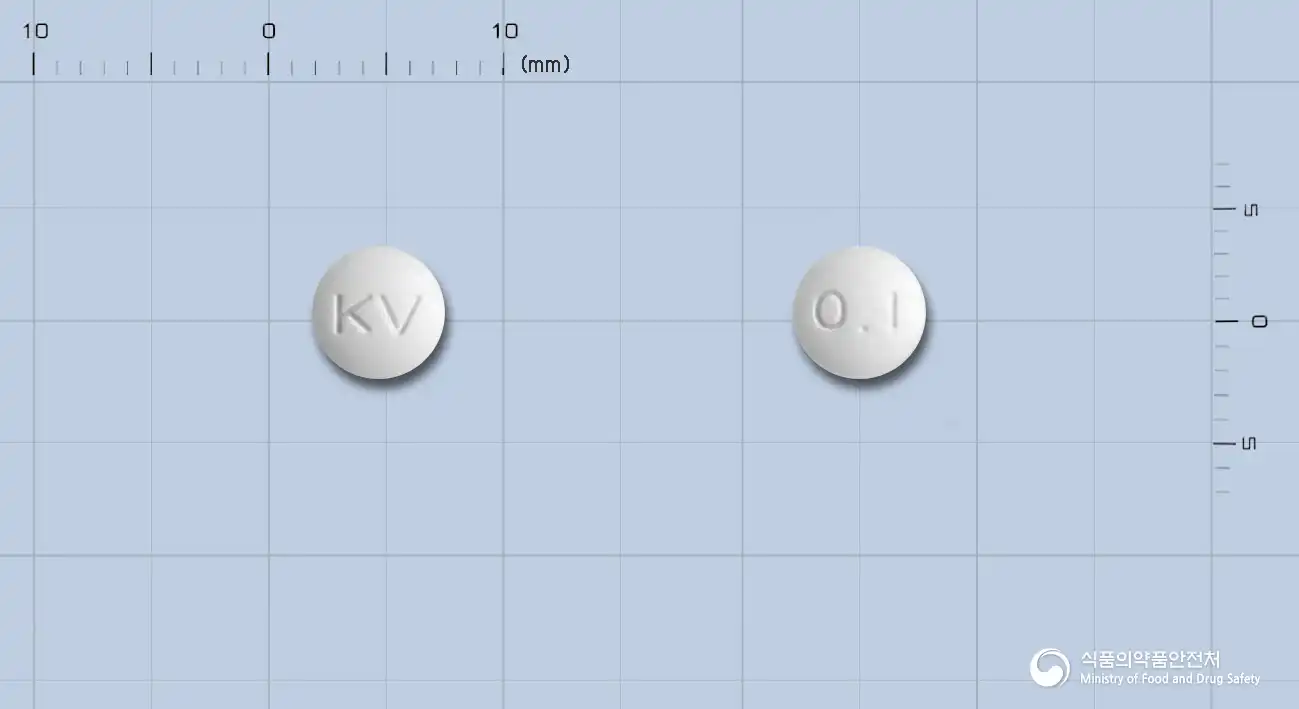
White, round, biconvex tablet
Package unit
30 tablets/bottle, 60 tablets/bottle
Questions about this medicine
No questions yet.
For anything that needs medical judgment, consult a doctor or pharmacist.