
 한국어
 English
 日本語
 中文(简体)
 Viewing now
Winatone 50 mg Tablet (Itopride Hydrochloride)
Itopride Hydrochloride 50mg
Tablet · Prescription medication
Hanwha Pharmaceutical Co., Ltd.
MFDS item code 201302390 · Approved 2013.01.25
Relief of functional dyspepsia symptoms (abdominal bloating, heartburn, nausea, etc.)
This medication is used to relieve gastrointestinal symptoms such as abdominal distension, upper abdominal pain, loss of appetite, heartburn, nausea, and vomiting caused by functional dyspepsia.
○ Adults: Itopride hydrochloride 50 mg orally 3 times daily before meals. Reduce the dose appropriately according to symptoms.
This medicine should not be used in patients who have had allergic reactions to this medication or its components. It should also not be administered to patients who may be harmed by gastrointestinal stimulation due to gastrointestinal bleeding, mechanical obstruction, or perforation. Additionally, since this medication contains lactose, it is advisable not to use it in patients with lactose intolerance or specific genetic issues. Serious allergic reactions such as shock or anaphylaxis may occur during treatment, so symptoms should be closely monitored. Because liver function may be affected, liver enzyme changes should be carefully monitored, and if problems are found, the medication should be discontinued. Gastrointestinal symptoms such as nausea, diarrhea, constipation, and abdominal pain may occur; if discomfort persists, consultation with a physician is recommended. Neurological symptoms such as headache, anxiety, sleep disturbances, and dizziness may also occur, necessitating caution. Endocrine disorders such as gynecomastia or increased prolactin levels have also been reported; if abnormal symptoms occur, the medication should be discontinued. Blood-related issues such as thrombocytopenia or leukopenia may occur, so regular blood tests are necessary. This medication may affect kidney function, so BUN and creatinine levels should also be monitored. In rare cases, hypersensitivity reactions such as skin rashes or itching may occur, and if symptoms arise, the medication should be stopped. If extrapyramidal symptoms such as tremors occur during treatment, a doctor should be consulted immediately. Chest or back pain and fatigue may manifest, so if these symptoms persist, medical personnel should be informed. As this medication enhances the action of acetylcholine, it should be used with this consideration in mind; if gastrointestinal symptoms do not improve, prolonged use should be avoided. If taken with anticholinergics, the effectiveness of this medication may be reduced, so caution should be taken regarding dosage intervals. Pregnant women or those who may become pregnant should use this medication only when necessary, as its safety has not been established. During breastfeeding, this medication may be secreted into breast milk; it should preferably be avoided, and if unavoidable, breastfeeding should be suspended. In children, safety has not been sufficiently established, so it should be used with caution. In the elderly, as physical functions are diminished, the risk of adverse reactions is heightened, necessitating careful observation and dose adjustments if needed. This medication should be stored out of reach of children and not transferred to other containers.
Not everyone experiences these, and they can vary from person to person.
This medication should be stored in a tightly closed container to avoid exposure to air or moisture. The recommended storage temperature is between 1 to 30 degrees Celsius at room temperature.
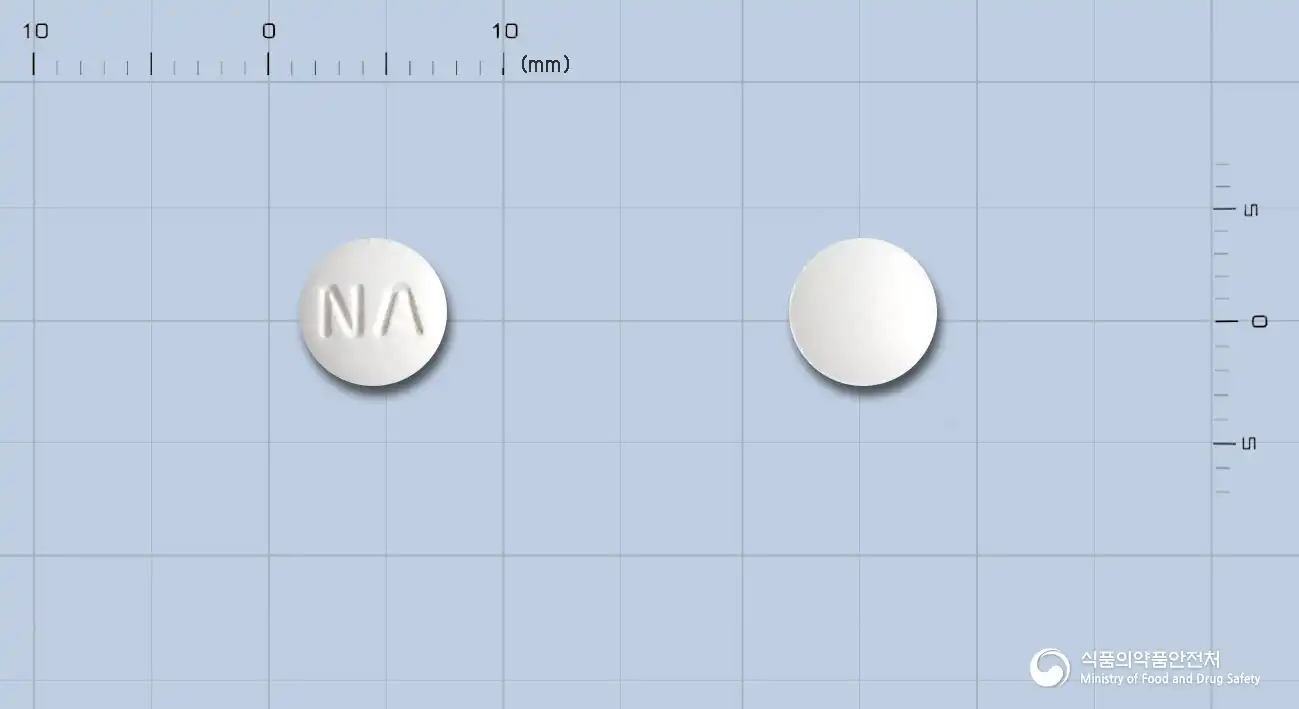
White round film-coated tablet
30 tablets/bottle, 100 tablets/bottle, 500 tablets/bottle
Even with the same ingredient, strength, dosage form and how it is taken can differ.
Viewing nowItopride Hydrochloride 50mg
Tablet · Prescription medication
Hanwha Pharmaceutical Co., Ltd.
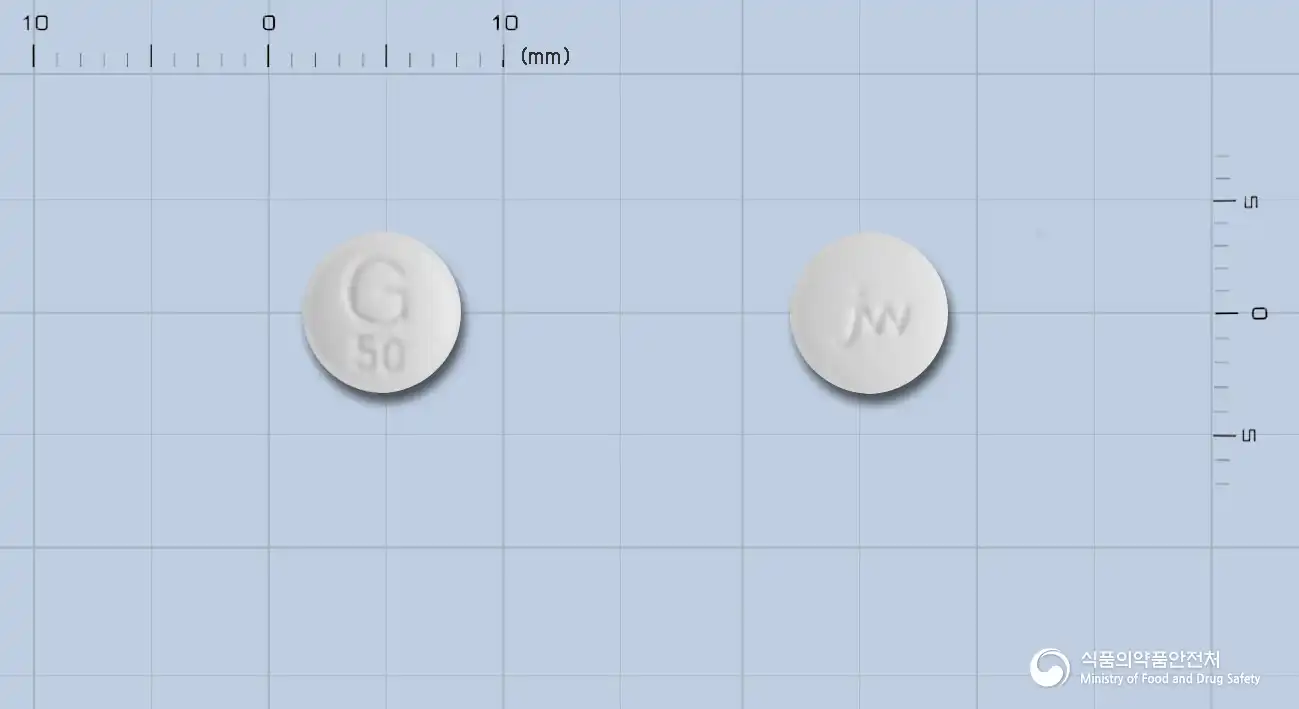
Itopride Hydrochloride 50mg
Tablet · Prescription medication
JW Pharmaceutical Corporation
Itopride Hydrochloride 50mg
Tablet · Prescription medication
Youngpoong Pharmaceutical Co., Ltd.
Itopride Hydrochloride 50mg
Tablet · Prescription medication
Shinpoong Pharmaceutical Co., Ltd.
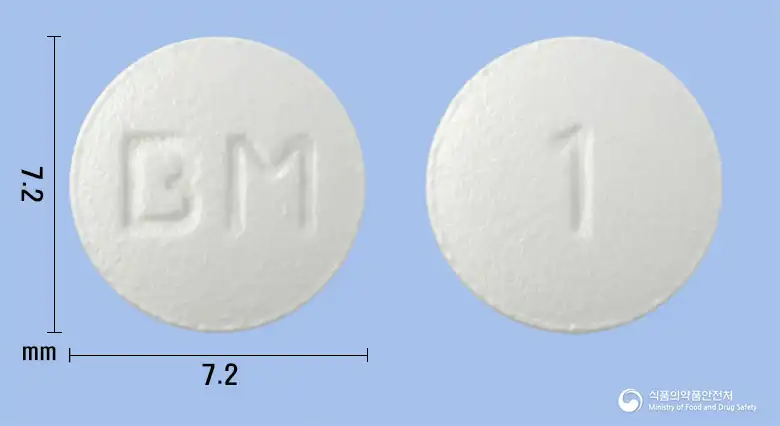
Itopride Hydrochloride 50mg
Tablet · Prescription medication
Korea B.M.I. Co., Ltd.
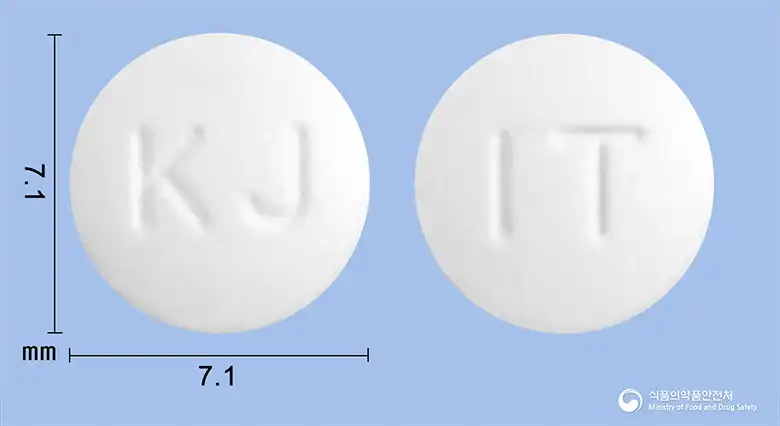
Itopride Hydrochloride 50mg
Tablet · Prescription medication
International Pharmaceutical Co., Ltd.
Itopride Hydrochloride 50mg
Tablet · Prescription medication
Dongwha Pharmaceutical Co., Ltd.
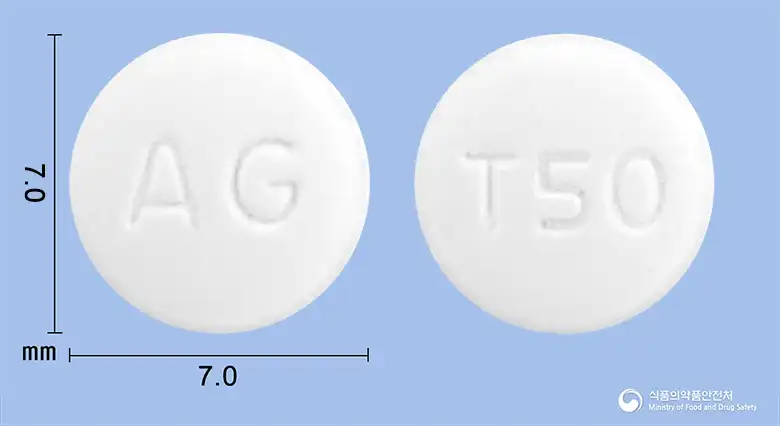
Itopride Hydrochloride 50mg
Tablet · Prescription medication
AhnGuk Pharmaceutical Co., Ltd.
Even with the same ingredient, the dose and directions can differ by strength and dosage form. Talk to a doctor or pharmacist before switching from a medication you are already taking.
No questions yet.
For anything that needs medical judgment, consult a doctor or pharmacist.
This drug information is based on data provided by the Korea Ministry of Food and Drug Safety.
Consult a doctor or pharmacist for accurate dosage, administration, and usage instructions.