
 한국어
한국어 English
 日本語
日本語 中文(简体)
 Viewing now
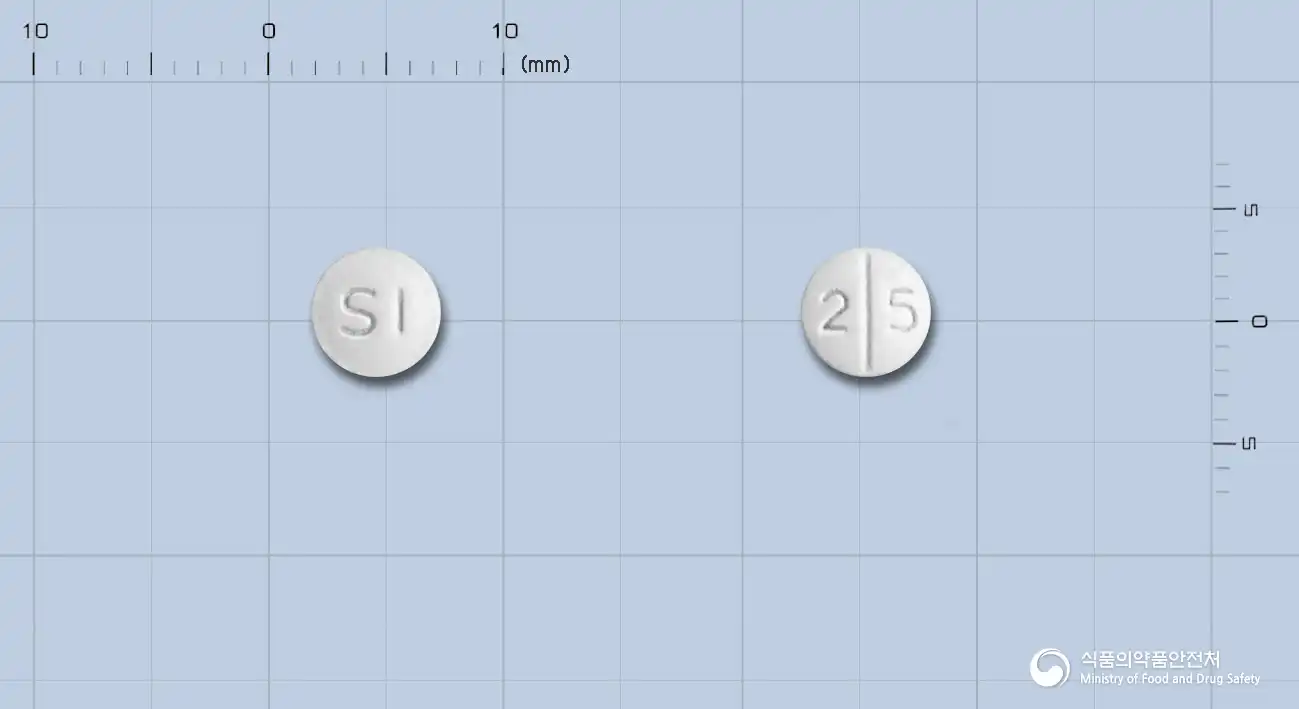
Shinil Atenolol Tablet 25 Milligrams (Atenolol)
Atenolol 25mg
Tablet · Prescription medication
Shinil Pharmaceutical Co., Ltd.
MFDS item code 201301654 · Approved 2013.01.21 · Insurance code 653804820
Improvement of hypertension and angina
This medication is used for hypertension and angina.
1. Hypertension: The initial dosage for adults is 50 mg of Atenolol once a day, either alone or in combination with a diuretic (thiazide), and if the effect does not manifest within 1-2 weeks, the dose can be increased to 100 mg once daily. Do not exceed 100 mg per day. 2. Angina: For this indication, the dosage is 100 mg per day divided into 1-2 doses, and do not exceed 100 mg per day. 3. Renal impairment.
This medication should not be used in certain patients. For example, those who are allergic to this drug or have severe asthma, serious heart problems, or severe hypotension may be at risk if they take it. Additionally, patients with severe diabetes or significantly impaired kidney and liver functions should use it with caution. These individuals should take it carefully under the guidance of a physician. Taking this medication may occasionally cause allergic reactions such as skin rash or itching. If these symptoms occur, you should stop taking the medication immediately and consult a doctor. Dry eyes or blurred vision may occur, as well as symptoms like slowed heart rate or low blood pressure. If these symptoms are severe, the dosage may need to be adjusted or the medication should be stopped. Furthermore, this medication can cause neurological symptoms such as mental confusion, insomnia, dizziness, and fatigue, so caution is necessary. It may also affect the gastrointestinal system, leading to nausea, vomiting, diarrhea, abdominal pain, etc., which should be reported to a doctor if severe. Individuals with respiratory diseases should be particularly careful as bronchospasm or breathing difficulties may occur. This medication can affect liver and kidney functions, so regular testing is necessary. During treatment, do not stop taking the medication suddenly; it should be reduced gradually under a physician's direction, as abrupt discontinuation may worsen heart problems. When driving or operating machinery, dizziness or drowsiness may occur, so caution is advised. This medication can interact with other medications, so it is essential to inform a doctor or pharmacist, especially when taken with antihypertensives, antidiabetic agents, calcium antagonists, anesthetics, etc. Women who are pregnant or breastfeeding may face risks when taking this medication, so consulting healthcare professionals before use is essential. The safety of this medication for children has not been established, thus caution is needed when used in this population. Elderly patients should start with a low dose and be carefully monitored during treatment. In the event of overdose, severe heart rate decrease, hypotension, or breathing difficulties may occur, and immediate medical treatment should be sought. This medication should be stored in a cool place out of reach of children, avoiding temperatures above 25 degrees Celsius.
Urticaria, severe swelling (edema), chest tightness, difficulty breathing, cold sweat, pallor, severe allergic reactions, severe rash with high fever, blisters, skin peeling, pain in mucous membranes of mouth/eyes, severe skin reactions, shortness of breath or difficulty breathing, asthma attacks, respiratory issues accompanied by cough and fever, yellowing of skin or eyes (jaundice), extreme lethargy, liver dysfunction (jaundice), sudden.
Not everyone experiences these, and they can vary from person to person.
This medication may be sensitive to air or moisture, so it should be stored in a tightly sealed container. It is advisable to maintain the storage temperature between 1 degree and 30 degrees Celsius to preserve its efficacy for a longer period.
White round film-coated tablet
30 tablets/bottle, 300 tablets/bottle
Even with the same ingredient, strength, dosage form and how it is taken can differ.
Viewing nowAtenolol 25mg
Tablet · Prescription medication
Shinil Pharmaceutical Co., Ltd.
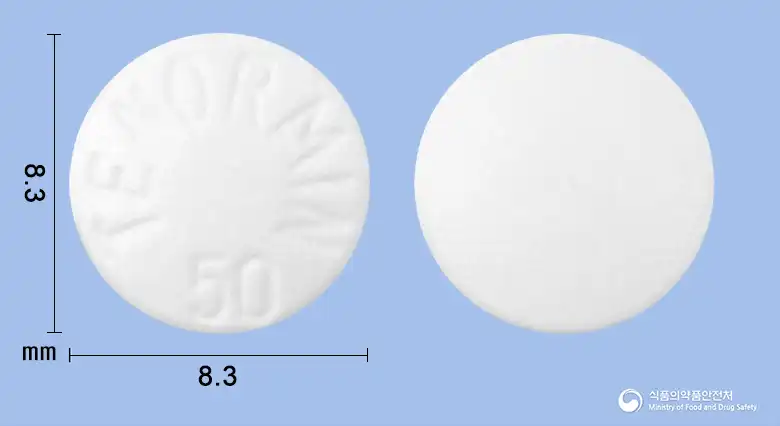
Atenolol 50mg
Tablet · Prescription medication
Hyundai Pharmaceutical Co., Ltd.
Atenolol
Prescription medication
Ildong Pharmaceutical Co., Ltd.
Atenolol 50mg
Prescription medication
Samjin Pharmaceutical Co., Ltd.
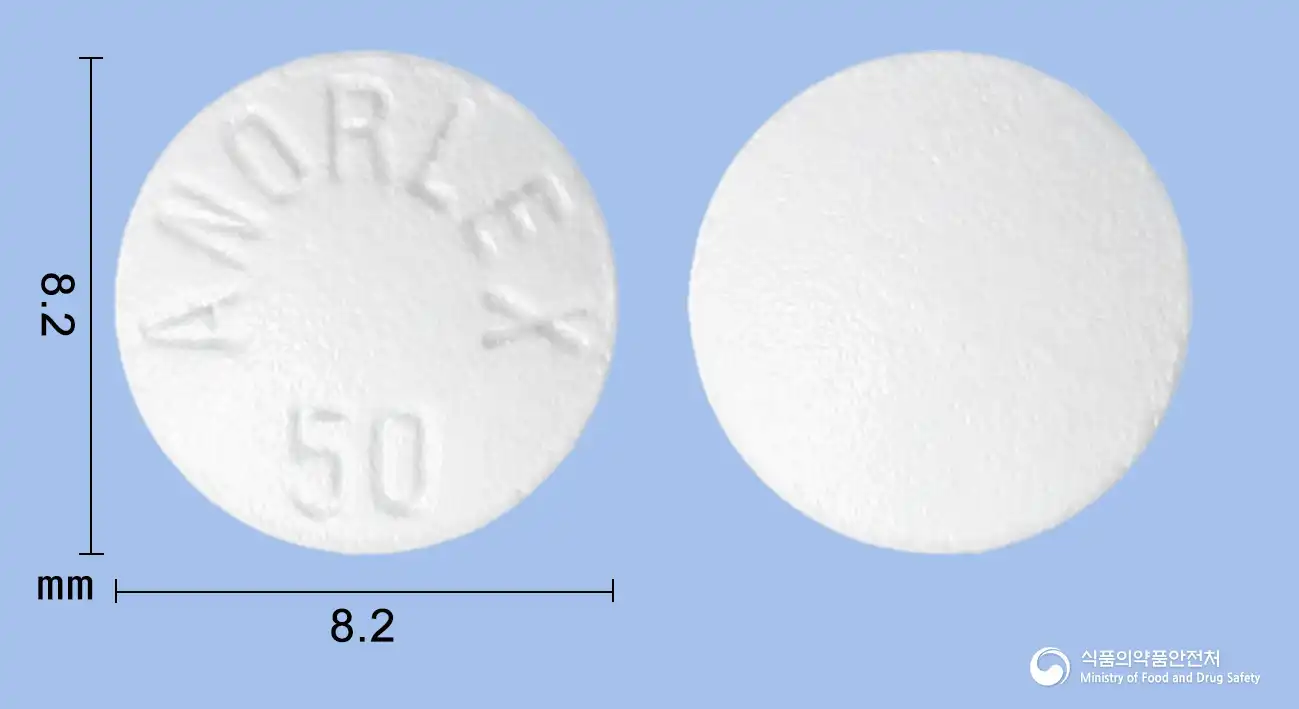
Atenolol 50mg
Tablet · Prescription medication
(CMG Pharmaceutical Co., Ltd.)
Atenolol
Prescription medication
Korea United Pharmaceutical Co., Ltd.
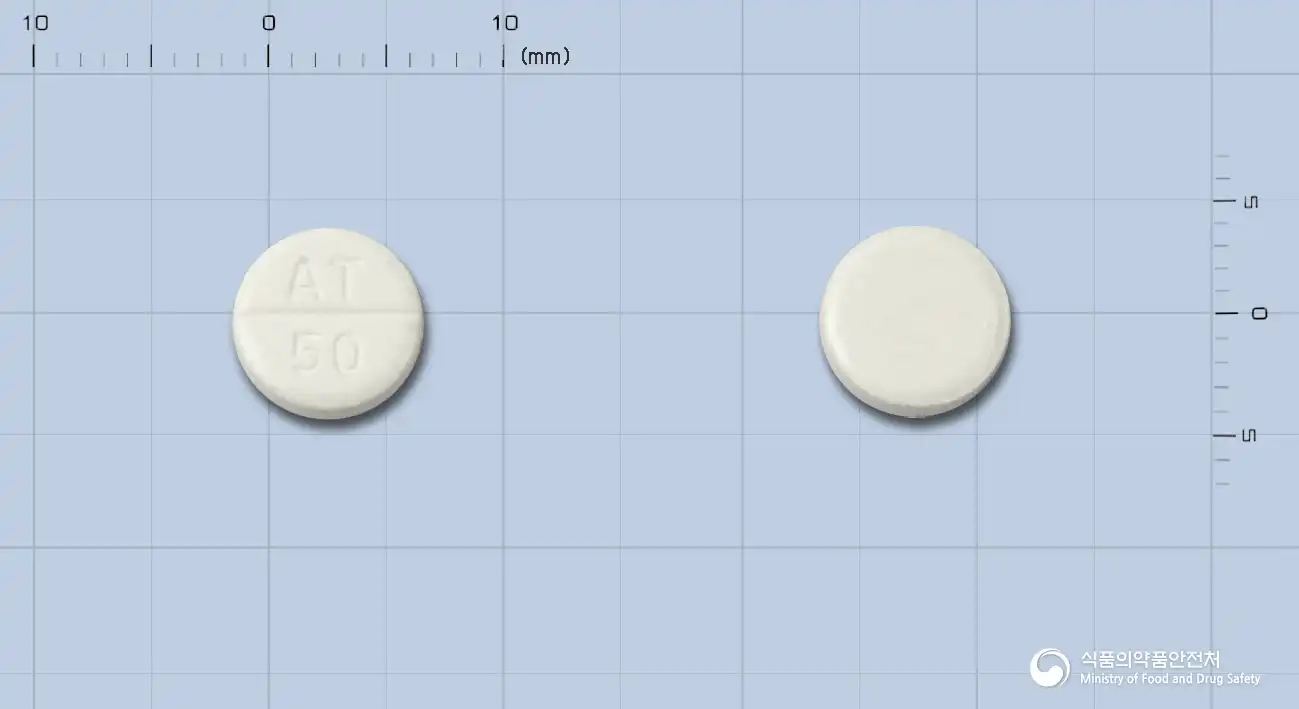
Atenolol 50mg
Tablet · Prescription medication
Daewoo Pharmaceutical Co., Ltd.
Atenolol
Prescription medication
Daewoong Pharmaceutical Co., Ltd.
Even with the same ingredient, the dose and directions can differ by strength and dosage form. Talk to a doctor or pharmacist before switching from a medication you are already taking.
No questions yet.
For anything that needs medical judgment, consult a doctor or pharmacist.
This drug information is based on data provided by the Korea Ministry of Food and Drug Safety.
Consult a doctor or pharmacist for accurate dosage, administration, and usage instructions.