
 한국어
 English
 日本語
 中文(简体)
 Viewing now
HaruTam Capsule (Tamsulosin Hydrochloride)
Tamsulosin Hydrochloride 0.2mg
Prescription medication
Hana Pharmaceutical Co., Ltd.
MFDS item code 201301236 · Approved 2013.01.14 · Insurance code 657805090
Improvement of urinary symptoms associated with benign prostatic hyperplasia
This medication is used to improve urination disorders caused by benign prostatic hyperplasia.
Adults: Administer 0.2 mg of tamsulosin hydrochloride orally once daily after a meal. Swallow this medicine whole; do not crush or chew it. Adjust the dose as appropriate according to symptoms.
This medication should not be administered to certain patients. For example, patients who have had allergic reactions to this drug or its components, patients with symptoms of orthostatic hypotension, patients with severely impaired liver function, and women who are pregnant or may become pregnant should not take this medication. In addition, patients with severely impaired kidney function, elderly patients, and patients taking certain other medications should use this drug with caution. Particularly, when taken in combination with antihypertensives, PDE5 inhibitors, CYP3A4 inhibitors, and alpha-1 blockers, the risk of adverse effects may increase due to interactions. During the use of this medication, symptoms such as fainting or loss of consciousness may occur, so patients should carefully monitor for these symptoms and be aware that side effects such as dizziness, headache, drowsiness, hypotension, and skin rash may occur. It is important to consult a doctor immediately if any of these symptoms arise. In case of overdose, there is a risk of significantly lowering blood pressure, so it is essential to adhere to the prescribed dosage, especially being cautious of dizziness caused by hypotension when standing up. Additionally, this medication is not a cause-specific treatment but rather a medication for symptom relief, so alternative treatment methods should be considered if it is ineffective. During treatment, patients should exercise caution when driving or performing hazardous tasks, and those with allergy to sulfa drugs should be cautious as allergic reactions may occur with this medication. This drug has not been established for safety and efficacy in pregnant women or children under 18 years of age, so it is not used in these populations. In elderly patients, a lower dose should be started considering the decline in kidney function, and progress should be monitored. When taking the medication, it is safest to swallow it whole directly from the packaging, and care should be taken not to chew or open the capsule as it may alter the drug's effectiveness. Finally, keep this medication out of the reach of children and do not store it in different containers to maintain the quality of the drug.
Fainting, loss of consciousness, dizziness, abnormal sense of balance, orthostatic dizziness, headache, drowsiness, nervousness, insomnia, decreased libido, anxiety, numbness, tachycardia, hypotension, orthostatic hypotension, palpitations, arrhythmia, rash, itching, hives, nausea, vomiting, discomfort in the stomach, heaviness in the stomach, stomach pain, loss of appetite, thirst, constipation, diarrhea, dental disorders, swallowing difficulties, increased AST, increased ALT, jaundice, burning sensation in the pharynx, general fatigue, nasal congestion, nosebleeds, edema, urinary incontinence, taste abnormalities, gynecomastia, priapism, infection, lethargy, back pain, chest pain, rhinitis, pharyngitis, increased cough, sinusitis, abnormal ejaculation, amblyopia, intraoperative floppy iris syndrome, blurred vision, visual impairment, erythema multiforme, exfoliative dermatitis, Stevens-Johnson syndrome, photosensitivity reaction, chest discomfort, dyspnea, erectile dysfunction, flushing, tinnitus, tongue skin disorders, lip skin disorders, facial skin disorders, skin peeling, rarely priapism, cataract, intraoperative floppy iris syndrome (IFIS), nephrolithiasis, hematuria, dysuria, frequency of urination, neurogenic bladder, urolithiasis, abdominal pain, acute abdominal pain, small bowel diverticulitis, hematochezia, abdominal distension, erectile dysfunction, impotence, inguinal hernia, prostatitis, periorbital edema, low back pain, systemic weakness, foreign body sensation, peripheral edema, tremors, myelopathy, Parkinson's disease, fractures, shoulder rotation syndrome, cholangitis, gynecomastia, hyperlipidemia, male reproductive abscess, prostate cancer, angina, hypertension, mental disorders, transient ischemic attack, cough
Not everyone experiences these, and they can vary from person to person.
This medication should be stored in a tightly closed container that blocks light and kept at room temperature between 1 to 30 degrees Celsius. Proper storage helps maintain the effectiveness of the medication and prevents degradation.
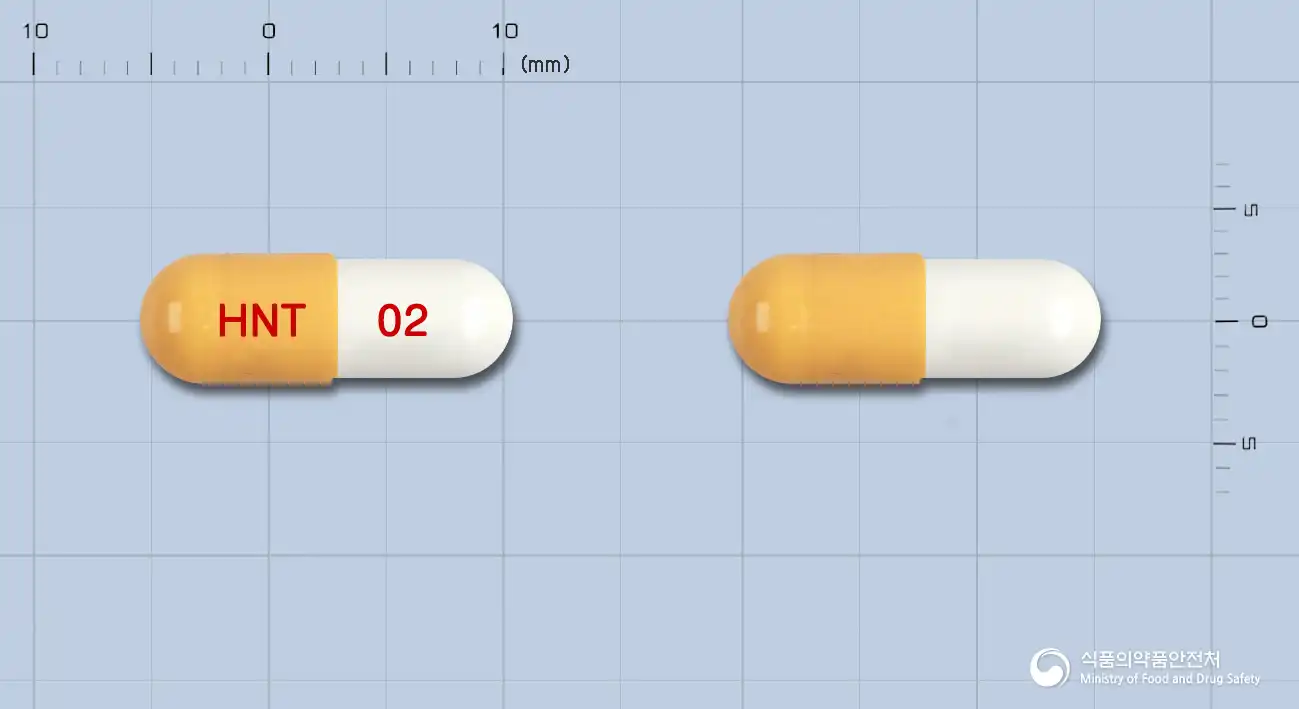
A light orange capsule with a pale white body containing pale yellow granules.
30 capsules/bottle, 100 capsules/bottle
Even with the same ingredient, strength, dosage form and how it is taken can differ.
Viewing nowTamsulosin Hydrochloride 0.2mg
Prescription medication
Hana Pharmaceutical Co., Ltd.
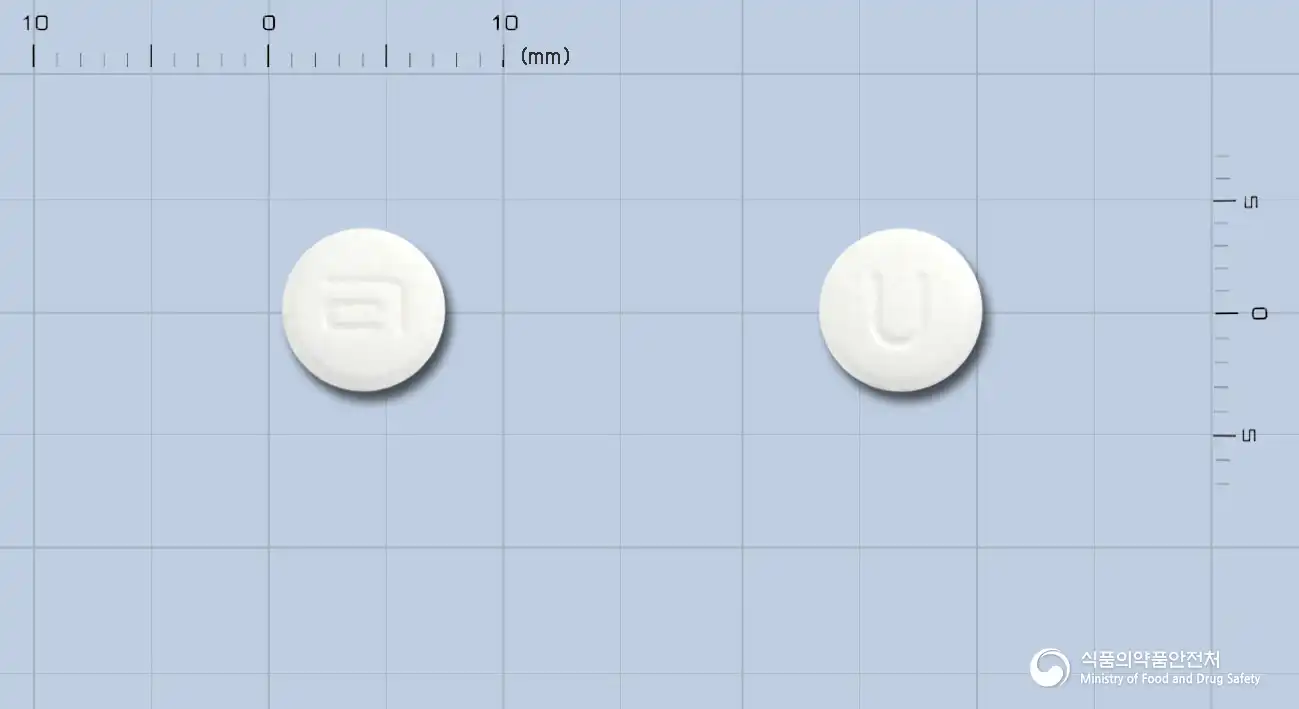
Tamsulosin Hydrochloride 0.2mg
Tablet · Prescription medication
Kyungdong Pharmaceutical Co., Ltd.
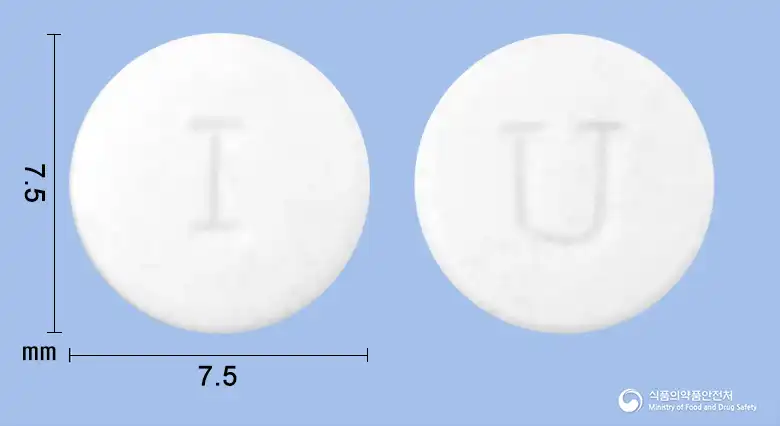
Tamsulosin Hydrochloride 0.2mg
Tablet · Prescription medication
Il Dong Pharmaceutical Co., Ltd.
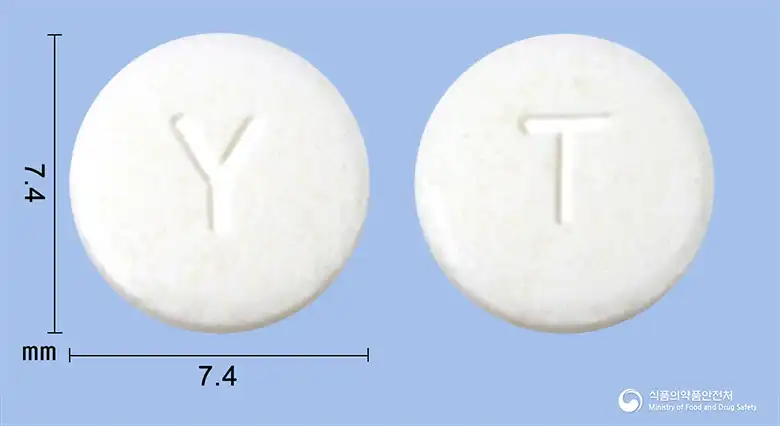
Tamsulosin Hydrochloride 0.2mg
Tablet · Prescription medication
Yuhan Corporation
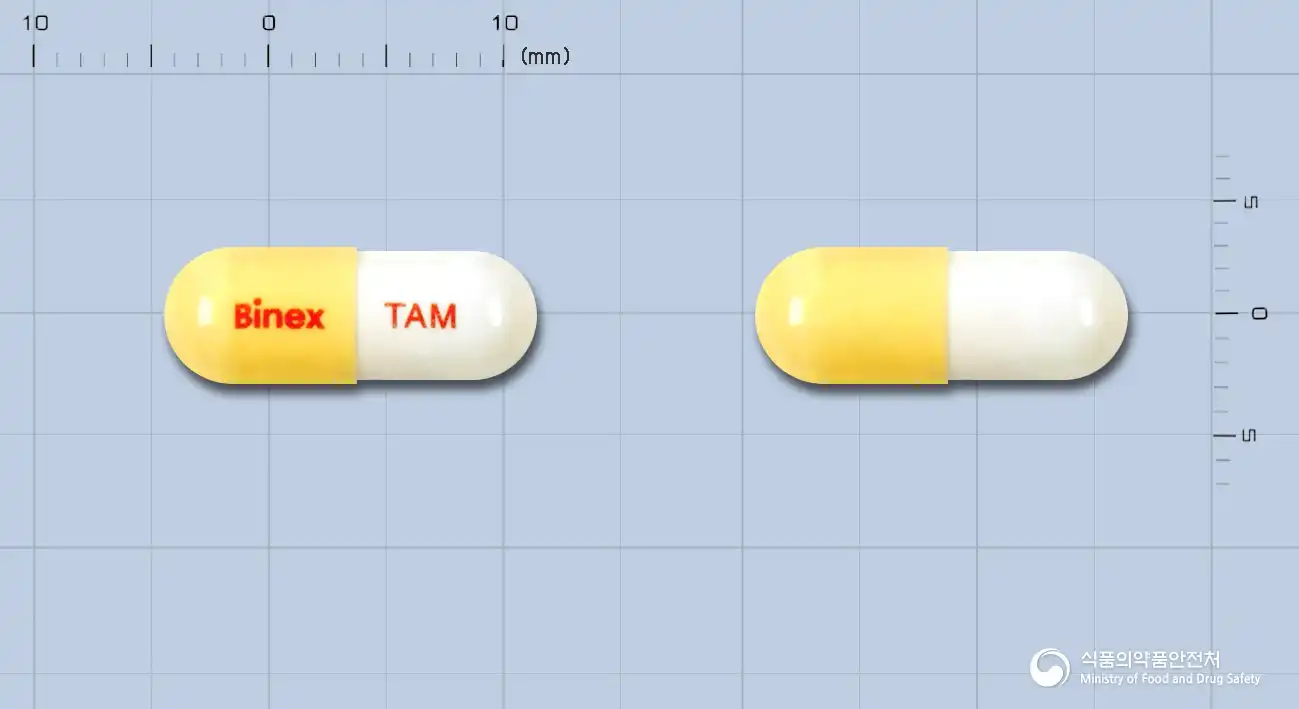
Tamsulosin Hydrochloride 0.2mg
Prescription medication
Bynex Co., Ltd.
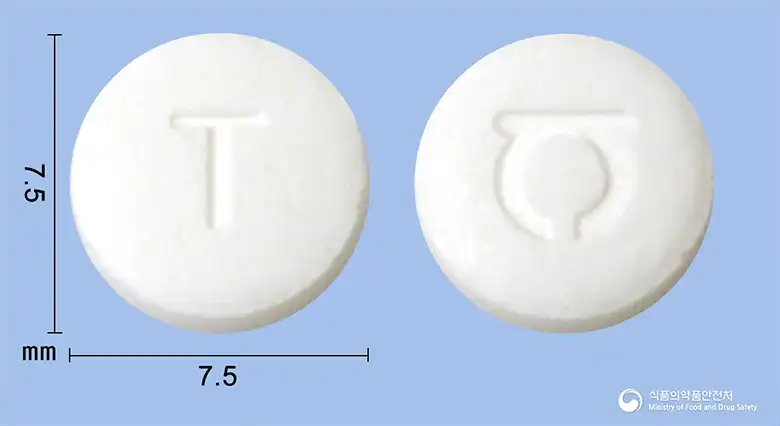
Tamsulosin Hydrochloride 0.2mg
Tablet · Prescription medication
Youngjin Pharmaceutical Co., Ltd.
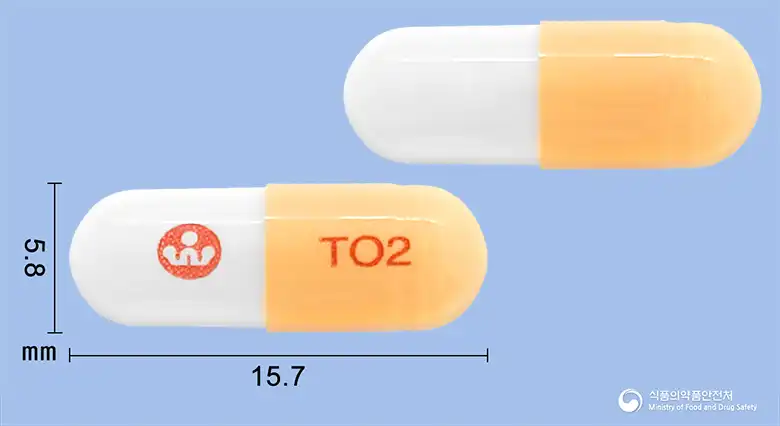
Tamsulosin Hydrochloride 0.2mg
Prescription medication
Han-in Pharmaceutical Co., Ltd.
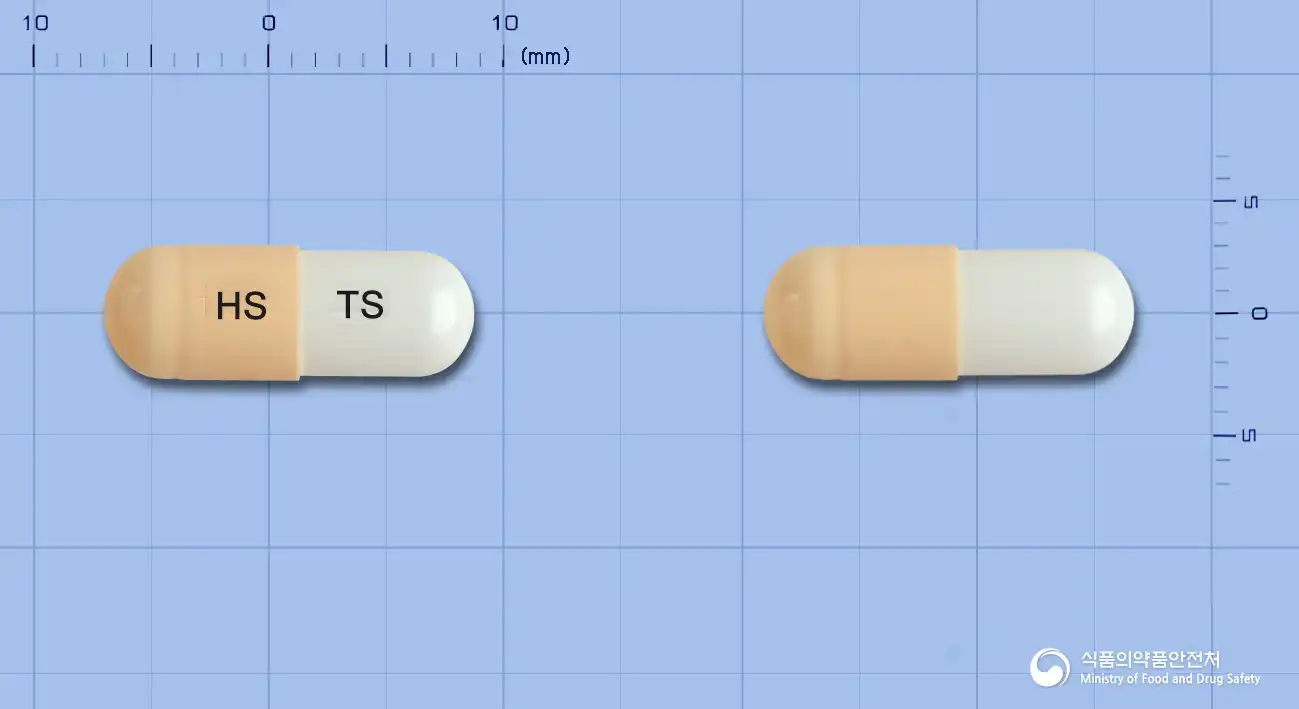
Tamsulosin Hydrochloride 0.2mg
Hard capsule · Prescription medication
Huons Co., Ltd.
Even with the same ingredient, the dose and directions can differ by strength and dosage form. Talk to a doctor or pharmacist before switching from a medication you are already taking.
No questions yet.
For anything that needs medical judgment, consult a doctor or pharmacist.
This drug information is based on data provided by the Korea Ministry of Food and Drug Safety.
Consult a doctor or pharmacist for accurate dosage, administration, and usage instructions.