
 한국어
한국어 English
 日本語
日本語 中文(简体)
 Viewing nowCombination
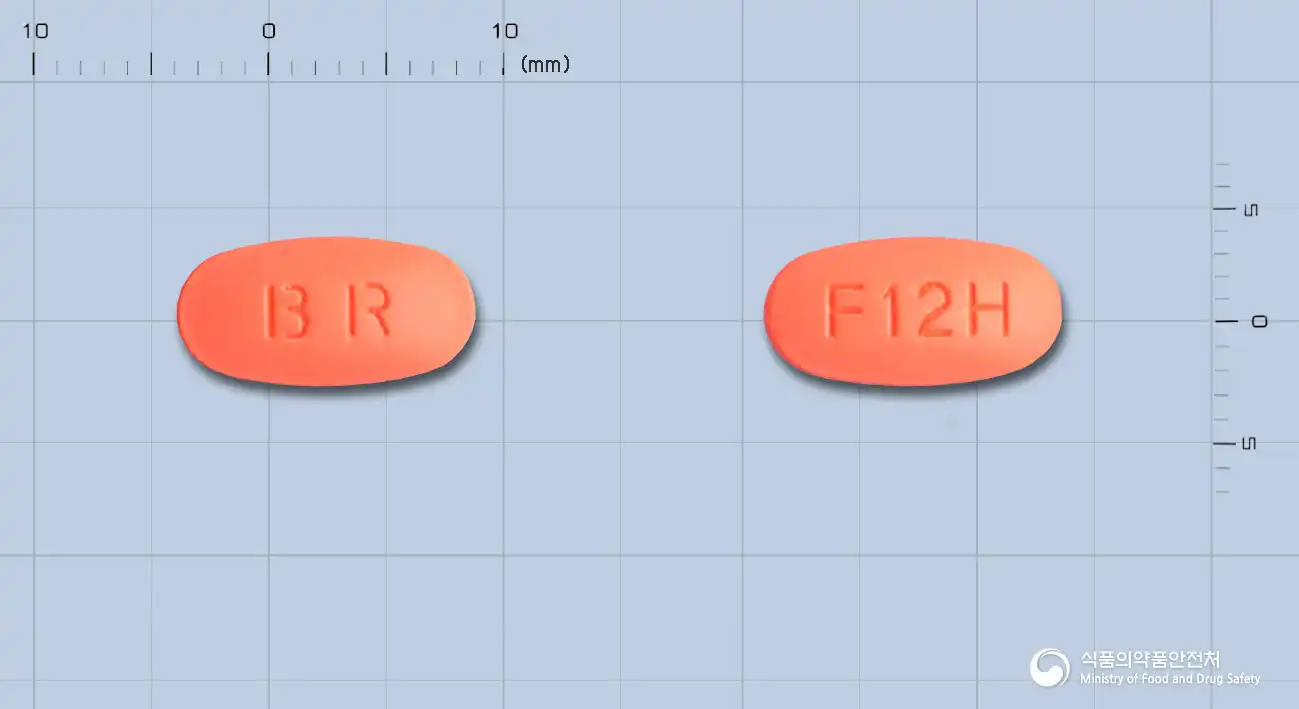
Kanab Plus Tablets 120/12.5mg
Fimasartan Potassium Trihydrate 132.02mg · Hydrochlorothiazide 12.5mg
Tablet · Prescription medication · Combination
Boryung Pharmaceutical Co., Ltd.
MFDS item code 201300049 · Approved 2013.01.04 · Insurance code 641906000
Improvement in blood pressure control for essential hypertension
Pimasartan is used in patients with essential hypertension and is used as an additional treatment when blood pressure is not sufficiently controlled with monotherapy. This medication helps lower blood pressure by dilating blood vessels and improving cardiovascular health. Thus, it can effectively contribute to blood pressure management.
The recommended dose of this medication is 1 tablet once daily, taken with water regardless of meals. It is advised to take it at the same time each day (e.g., morning). If blood pressure is not adequately controlled with 60 mg of Pimasartan, the dosage can be adjusted to either Kanab Plus 60/12.5 mg or 120/12.5 mg.
Safety and efficacy for pediatric and adolescent patients under 18 years have not been established.
This medication can cause serious harm to the fetus and newborn when taken during the second and third trimesters of pregnancy, so it must be stopped immediately if pregnancy is confirmed. Patients with allergies to any ingredients in this medication, certain kidney and liver diseases, or electrolyte imbalances should not take it. Patients with reduced blood volume or impaired kidney function may experience hypotension or worsening of kidney function while taking this medication and should be cautious. As this medication lowers blood pressure, symptoms of hypotension should be monitored when first taking it or increasing the dose, and dosage should be increased slowly. Hyperkalemia may occur, so particularly patients with heart failure or kidney impairment should regularly check their potassium levels in the blood. Drowsiness or dizziness may occur while taking this medication; therefore, caution should be exercised when driving or operating hazardous machinery. The hydrochlorothiazide component can increase sensitivity to sunlight, increasing the risk of skin cancer, so it is advisable to avoid sun exposure and take protective measures. This medication may interact with other antihypertensives, diuretics, potassium supplements, etc., so if you are taking other medications, you must inform your doctor or pharmacist. Pregnant or breastfeeding women should avoid taking this medication, and if breastfeeding, it is recommended to cease breastfeeding or stop taking the medication. Safety and efficacy in children under 18 years have not been established, so it is best not to use it. In case of overdose, symptoms of hypotension, electrolyte imbalance, and dehydration may occur, and immediate medical attention should be sought. This medication should be kept out of the reach of children and should not be transferred to other containers for safety.
Hives, severe swelling (edema), chest tightness, difficulty breathing, cold sweat, pale appearance, severe rash with high fever, blisters, skin peeling, pain in mucous membranes of mouth/eyes, shortness of breath or difficulty breathing, asthma attack, respiratory abnormalities with cough + fever, yellowing of skin or eyes (jaundice), systemic lethargy, sudden and severe headache, thunderclap headache, seizures, confusion of consciousness, visual disturbances, paralysis, urination.
Headache, dizziness, orthostatic dizziness, drowsiness, elevated ALT, elevated AST, increased triglycerides, decreased chloride, increased potassium, decreased sodium, skeletal muscle stiffness, chest discomfort, weakness, itching, flushing, erectile dysfunction, fainting, sedation, migraine, indigestion, vomiting, nausea, upper abdominal pain, foreign body sensation, decreased platelet count, increased serum creatine phosphokinase activity, cough, muscle cramps, musculoskeletal stiffness, local.
Not everyone experiences these, and they can vary from person to person.
This medication is sensitive to light, so it should be stored in a tightly closed container that blocks light. The storage temperature should be maintained between 1 to 30 degrees Celsius at room temperature. This will help maintain the medication's effectiveness for a long time.
Orange elliptical film-coated tablet
30 tablets/bottle
Even with the same ingredient, strength, dosage form and how it is taken can differ.
Viewing nowCombinationFimasartan Potassium Trihydrate 132.02mg · Hydrochlorothiazide 12.5mg
Tablet · Prescription medication · Combination
Boryung Pharmaceutical Co., Ltd.
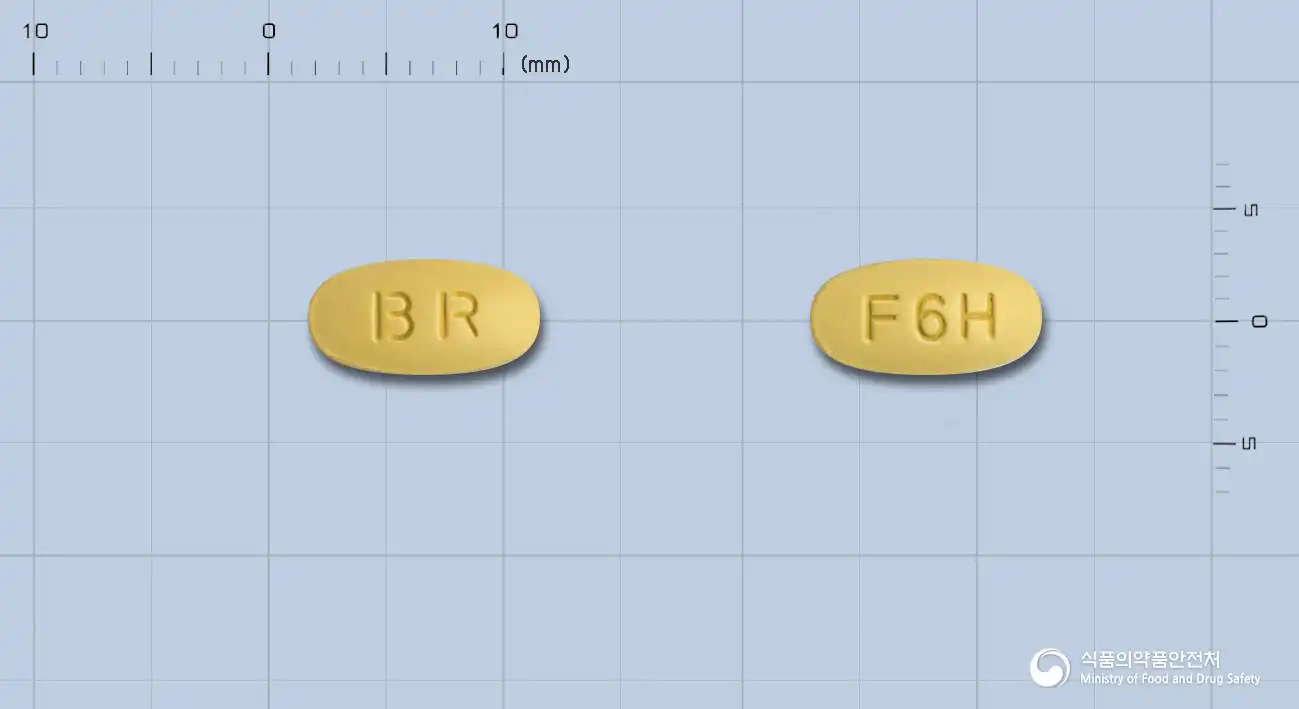 Combination
Fimasartan Potassium Trihydrate 66.01mg · Hydrochlorothiazide 12.5mg
Tablet · Prescription medication · Combination
Boryung Pharmaceutical Co., Ltd.
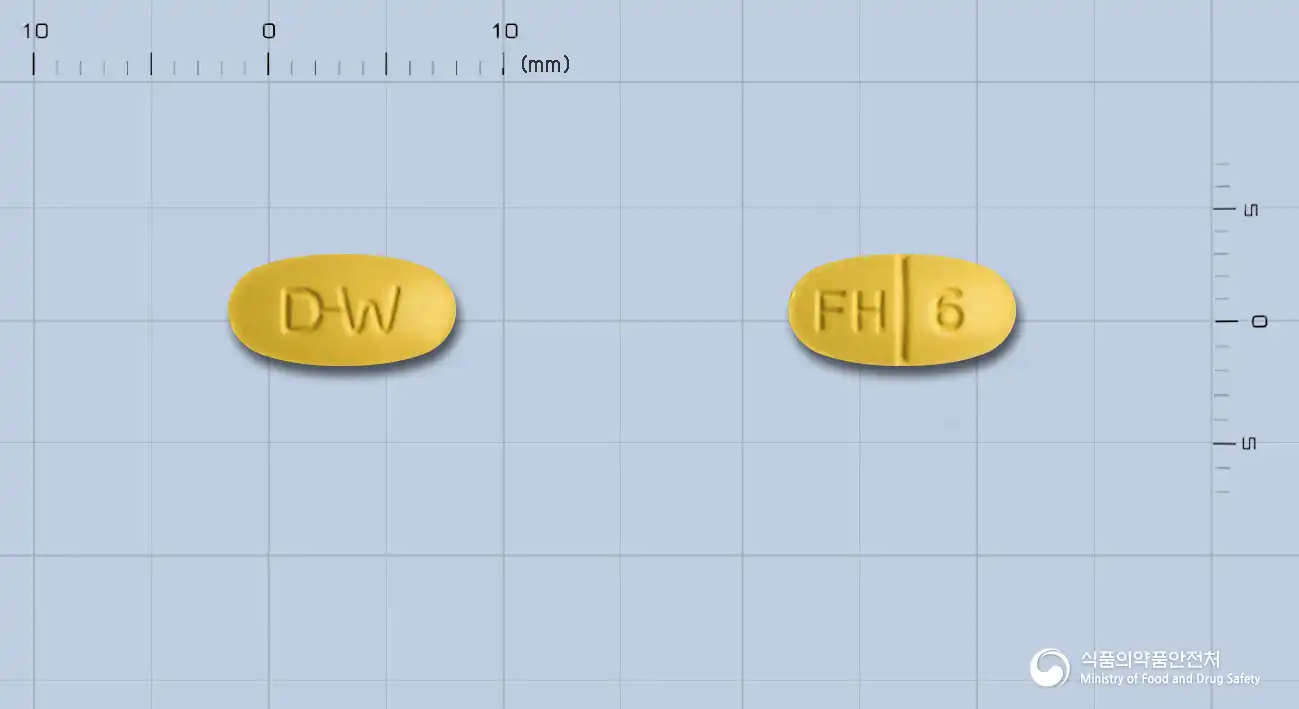 Combination
Fimasartan Potassium Trihydrate 66.01mg · Hydrochlorothiazide 12.5mg
Tablet · Prescription medication · Combination
Dongwha Pharmaceutical Co., Ltd.
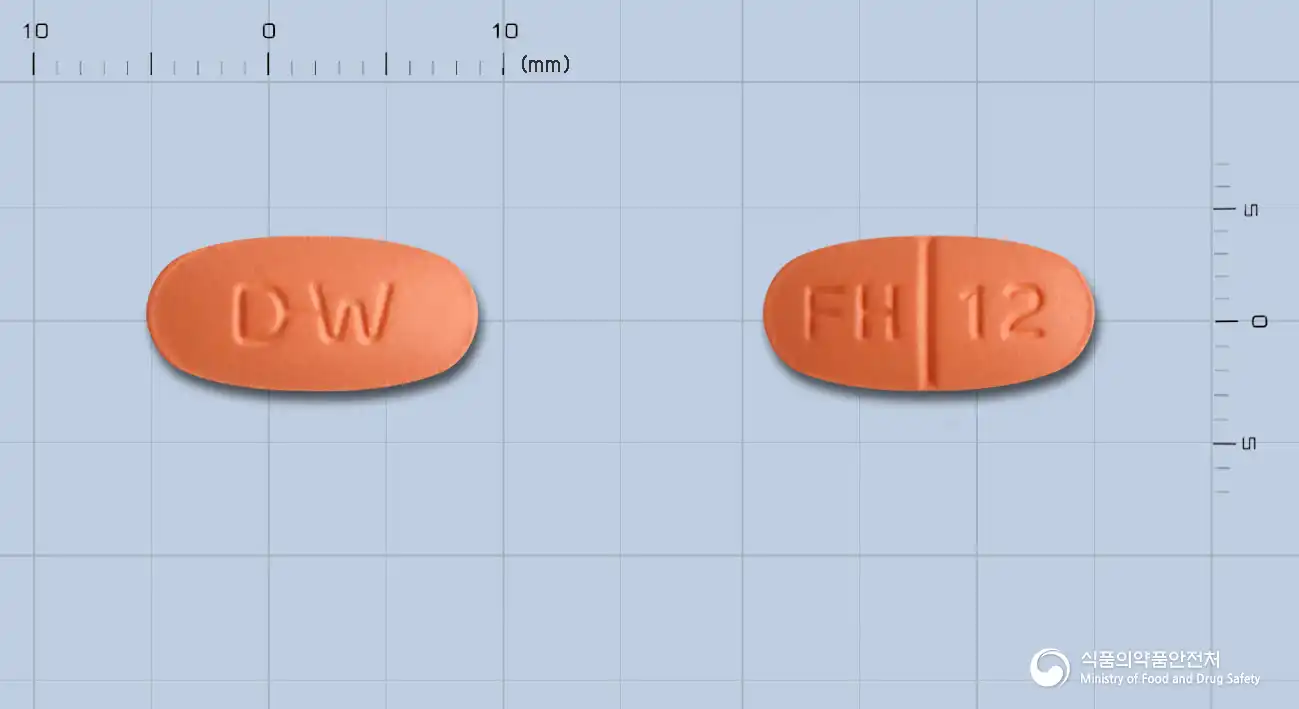 Combination
Fimasartan Potassium Trihydrate 132.02mg · Hydrochlorothiazide 12.5mg
Tablet · Prescription medication · Combination
Dongwha Pharmaceutical Co., Ltd.
Even with the same ingredient, the dose and directions can differ by strength and dosage form. Talk to a doctor or pharmacist before switching from a medication you are already taking.
No questions yet.
For anything that needs medical judgment, consult a doctor or pharmacist.
This drug information is based on data provided by the Korea Ministry of Food and Drug Safety.
Consult a doctor or pharmacist for accurate dosage, administration, and usage instructions.