
 한국어
 English
 日本語
 中文(简体)
 Viewing now
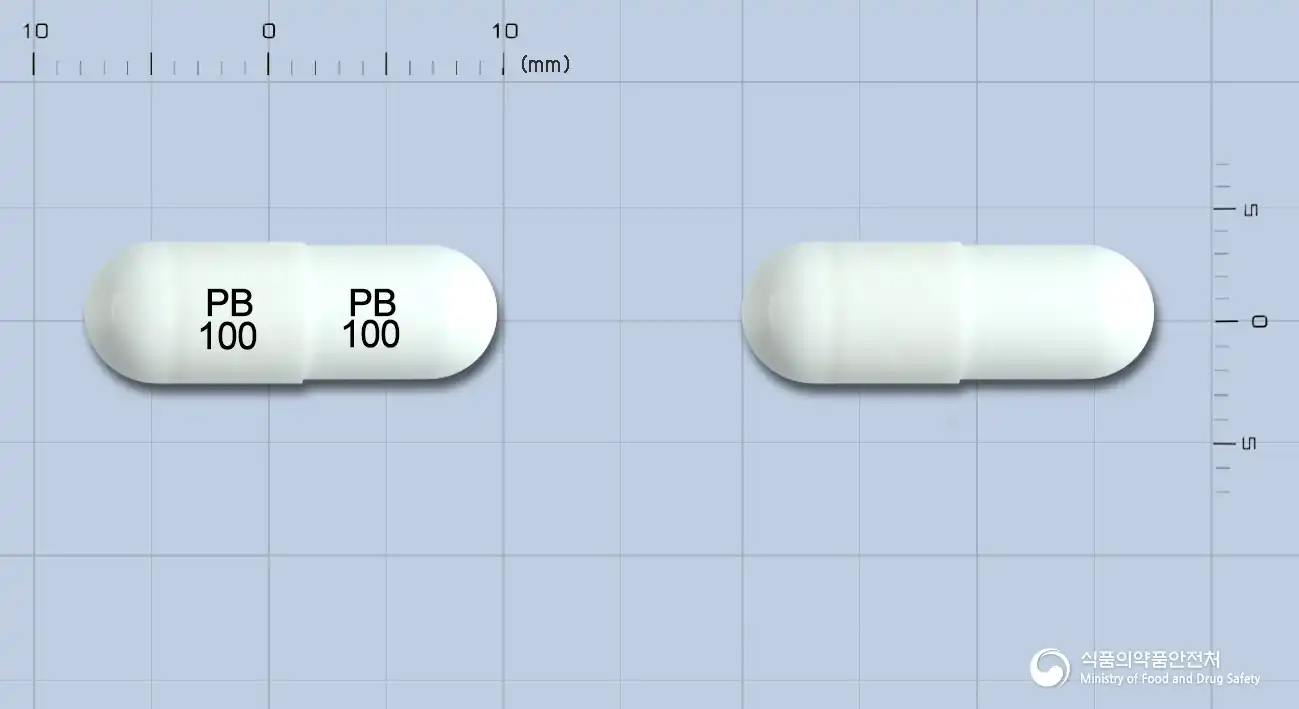
Geglon Capsule (Pentosan Polysulfate Sodium)
Pentosan Polysulfate Sodium 100mg
Hard capsule · Prescription medication
Korea Pambo Co., Ltd.
MFDS item code 201210737 · Approved 2012.12.26 · Insurance code 659900670
Relief of bladder pain and difficulty urinating caused by interstitial cystitis
This medication alleviates inflammation of the bladder and reduces pain when bladder pain and urinary difficulty occur due to interstitial cystitis. It also improves discomfort during urination, easing difficulties in daily life. This aids in restoring bladder health and effectively managing symptoms. Used primarily for bladder pain and urinary difficulty caused by interstitial cystitis.
Take 100mg 3 times daily, 1 hour before meals or 2 hours after meals. After 3 months of treatment, undergo an examination. If there is no improvement in the condition and no serious adverse effects, take the medicine again for another 3 months.
This medication should not be administered to patients with hypersensitivity to any of its ingredients. It may affect the central nervous system, occasionally resulting in headache, anxiety, depression, nystagmus, dizziness, and hyperactivity. It can also affect the gastrointestinal tract, leading to symptoms such as nausea, diarrhea, dyspepsia, abdominal pain, and jaundice, and may rarely cause vomiting, oral ulcers, enteritis, esophagitis, gastritis, bloating, constipation, and loss of appetite. Skin-related side effects may include rash, tearing, and sweating, and rarely itching and urticaria may occur. In the blood system, symptoms such as anemia, tendency to bleed, leukopenia, and thrombocytopenia may rarely occur. Respiratory effects may include rhinitis, pharyngitis, epistaxis, and dyspnea. In the urogenital system, vaginitis may occur. Rarely, allergic reactions or hypersensitivity symptoms such as phototoxic reactions may arise. Sensory disturbances may include conjunctivitis, tinnitus, optic neuritis, amblyopia, and retinal hemorrhage, which may rarely appear. This medicine has a mild anticoagulant effect, presenting a risk of bleeding, so patients undergoing surgery or with coagulation issues must be tested for bleeding. Patients with a history of thrombocytopenia should be particularly cautious when taking this medication. Patients with liver dysfunction or splenic disease must use this medication cautiously as its action in the body may change. Long-term use may temporarily increase liver function test values, and bleeding tendencies or thrombocytopenia may occur, necessitating regular monitoring. When used with heparin, hair loss may occur, primarily in patches on the scalp. Prolonged use may lead to a rare ocular condition called pigmentary maculopathy, so regular ophthalmic examinations are recommended. Although no significant problems were noted in animal experiments for pregnant women, it should only be administered to humans when the therapeutic effects outweigh the risks. It is unknown whether this drug is secreted in breast milk, so caution is advised as most drugs can be excreted in breast milk. Safety and efficacy have not been confirmed for children under 16 years old, so its use is not recommended. In the case of overdose, blood clotting reduction, bleeding, thrombocytopenia, liver dysfunction, and gastrointestinal disturbances may occur; therefore, if overdose is suspected, immediate emergency treatment such as gastric lavage should be conducted while closely monitoring the condition.
Not everyone experiences these, and they can vary from person to person.
This medication should be stored in a tightly sealed container to prevent exposure to air and moisture, ideally at room temperature between 15 to 30 degrees Celsius. Storing it this way helps maintain the medication's efficacy and prevent degradation.
An opaque hard capsule of off-white to light yellowish powder.
10 capsules/bottle, 100 capsules/bottle
Even with the same ingredient, strength, dosage form and how it is taken can differ.
Viewing nowPentosan Polysulfate Sodium 100mg
Hard capsule · Prescription medication
Korea Pambo Co., Ltd.
Pentosan Polysulfate Sodium
Prescription medication
J-Tec Biogen
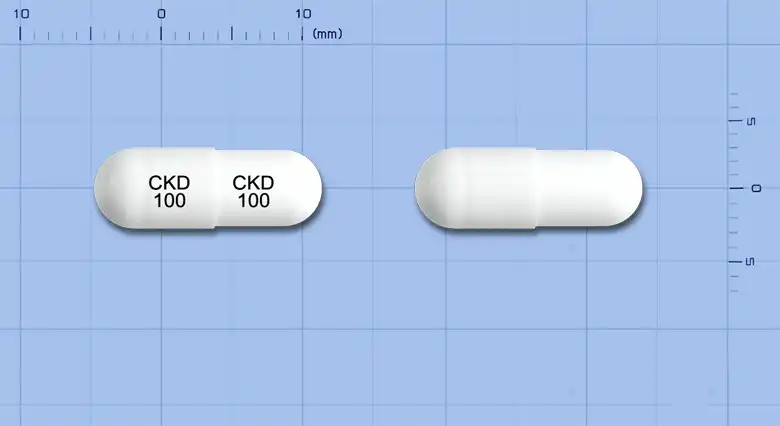
Pentosan Polysulfate Sodium 100mg
Hard capsule · Prescription medication
Jongkundang Co., Ltd.
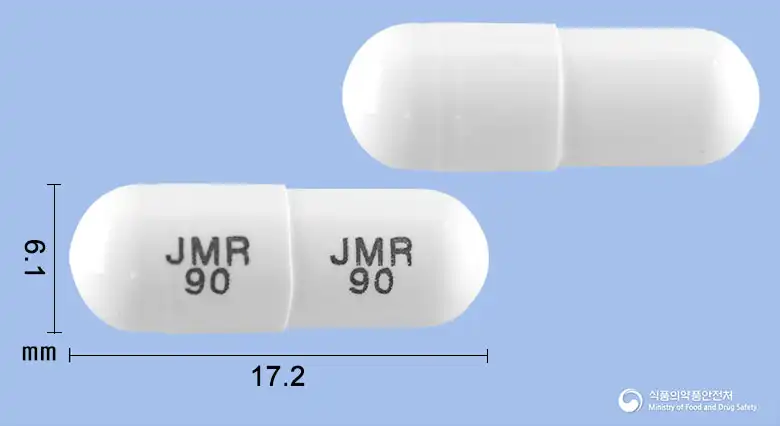
Pentosan Polysulfate Sodium 100mg
Hard capsule · Prescription medication
J-Tech Biofarm Co., Ltd.
Even with the same ingredient, the dose and directions can differ by strength and dosage form. Talk to a doctor or pharmacist before switching from a medication you are already taking.
No questions yet.
For anything that needs medical judgment, consult a doctor or pharmacist.
This drug information is based on data provided by the Korea Ministry of Food and Drug Safety.
Consult a doctor or pharmacist for accurate dosage, administration, and usage instructions.