
 한국어
 English
 日本語
 中文(简体)
 Viewing now
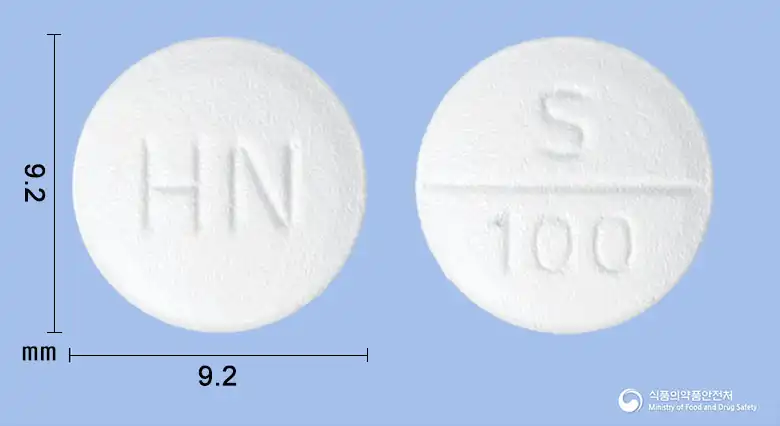
Saporan Tablets 100 mg (Sarpogrelate Hydrochloride)
Sarpogrelate Hydrochloride 100mg
Tablet · Prescription medication
Hana Pharmaceutical Co., Ltd.
MFDS item code 201210235 · Approved 2012.12.21 · Insurance code 657805020
Improvement of ischemic symptoms (such as ulcers and pain) caused by chronic arterial occlusive disease
This medication is used to improve ischemic symptoms such as ulcers, pain, and coldness caused by chronic arterial occlusion. It helps relieve symptoms in cases of chronic vascular diseases such as Buerger's disease, obliterative arteriosclerosis, and diabetic peripheral vascular disease, where blood circulation is not smooth. It is effective in reducing uncomfortable symptoms by improving blood flow in patients and enhancing their quality of life. This drug is recommended for improving overall ischemic symptoms.
Adults: Administer 100 mg of sarpogrelate hydrochloride orally 3 times daily after meals. Adjust the dose as appropriate according to symptoms.
This drug should not be used in patients with bleeding. In cases of bleeding risk such as hemophilia, capillary fragility, gastrointestinal ulcers, urinary bleeding, hematemesis, and primary bleeding, bleeding may worsen. It is advisable for women who are pregnant or may become pregnant to avoid taking this medication due to reports of negative effects on the fetus in animal experiments. Women who are menstruating or patients with bleeding tendencies should also use this drug cautiously due to the risk of increased bleeding. Patients taking anticoagulants or drugs that inhibit platelet aggregation should be careful as the risk of bleeding may increase when used with this drug. Patients with severely impaired kidney function and elderly individuals may experience delayed excretion of this drug, necessitating dose adjustment and condition monitoring. While taking this medication, careful observation for symptoms of bleeding, liver dysfunction, or blood abnormalities is required, and immediate consultation with a healthcare provider is necessary if adverse reactions occur. Regular blood tests are recommended during treatment to monitor the condition. Pregnant or breastfeeding women are advised not to use this drug, and if unavoidable, breastfeeding should be avoided. Safety in children has not been established, so it is advisable not to use this medication in children. It should be kept out of reach of children, and transferring the medication to another container is not good for maintaining quality and safety.
Not everyone experiences these, and they can vary from person to person.
This medication should be stored in a tightly closed container to avoid exposure to air or moisture, and it is safe to store it at room temperature between 1 degree and 30 degrees Celsius.
White round film-coated tablet
100 tablets/bottle, 30 tablets/bottle
Even with the same ingredient, strength, dosage form and how it is taken can differ.
Viewing nowSarpogrelate Hydrochloride 100mg
Tablet · Prescription medication
Hana Pharmaceutical Co., Ltd.
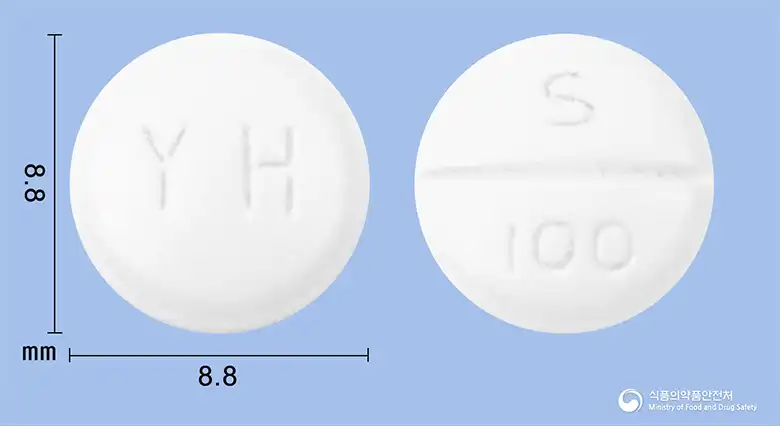
Sarpogrelate Hydrochloride 100mg
Tablet · Prescription medication
Yuhan Corporation
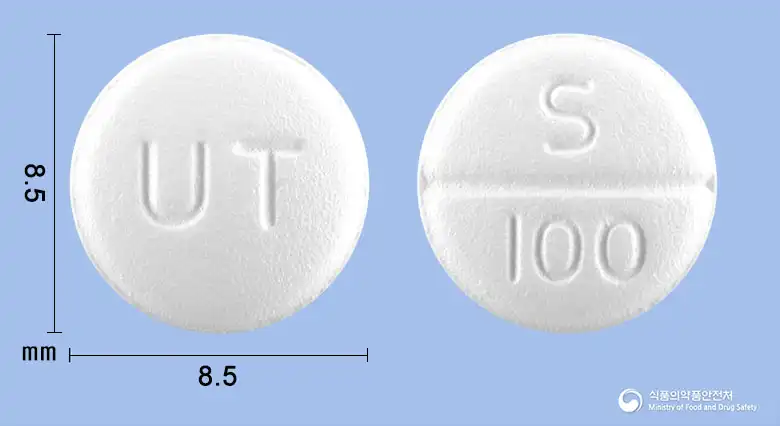
Sarpogrelate Hydrochloride 100mg
Tablet · Prescription medication
Korea United Pharmaceutical Co., Ltd.
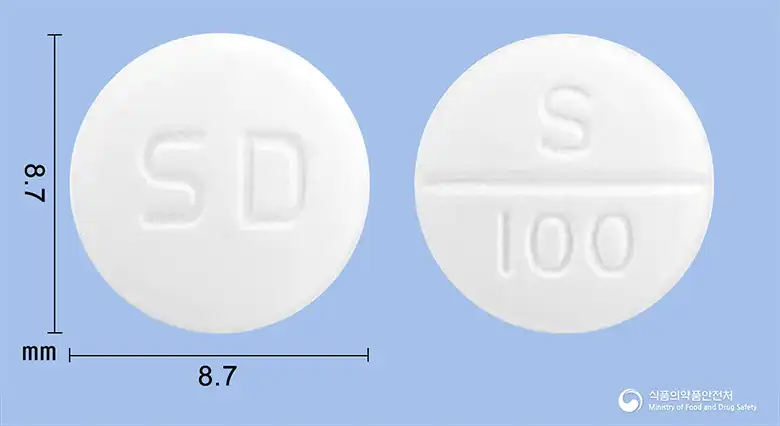
Sarpogrelate Hydrochloride 100mg
Tablet · Prescription medication
(Co., Ltd.) Pharmgen Science
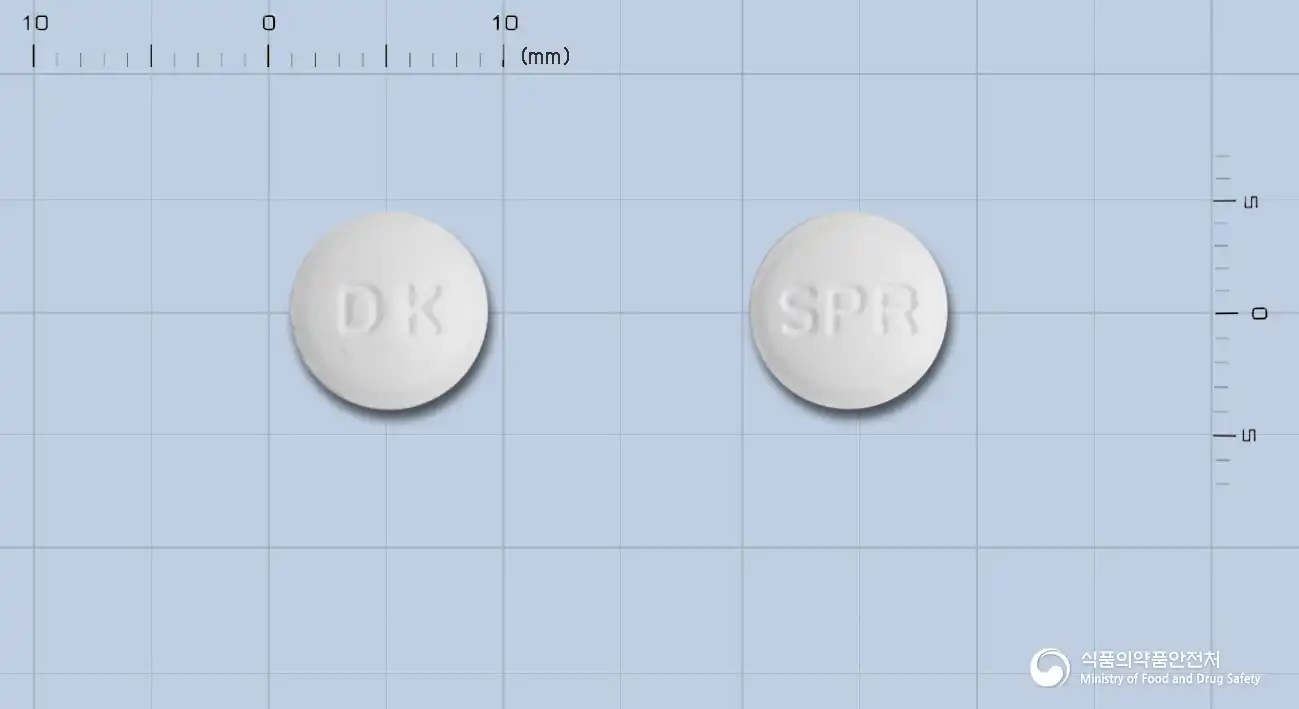
Sarpogrelate Hydrochloride 100mg
Tablet · Prescription medication
Dongkook Pharmaceutical Co., Ltd.
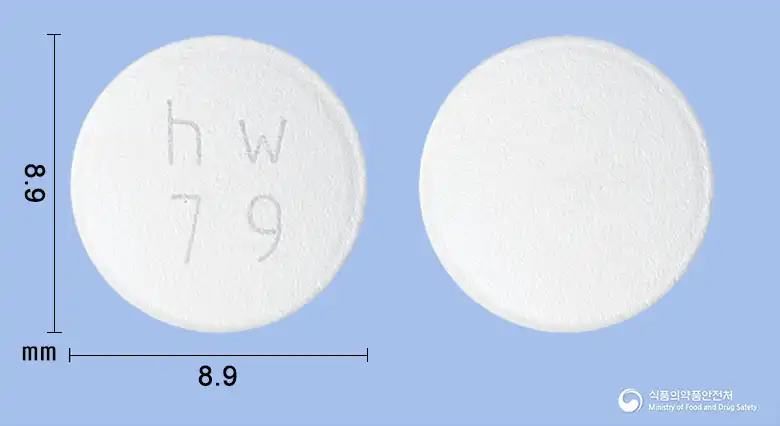
Sarpogrelate Hydrochloride 100mg
Tablet · Prescription medication
Haewon Pharmaceutical Co., Ltd.
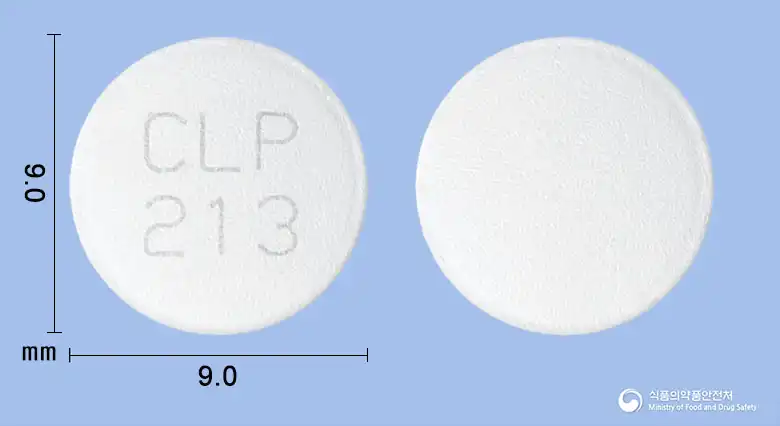
Sarpogrelate Hydrochloride 100mg
Tablet · Prescription medication
Celltrion Pharmaceutical Co., Ltd.
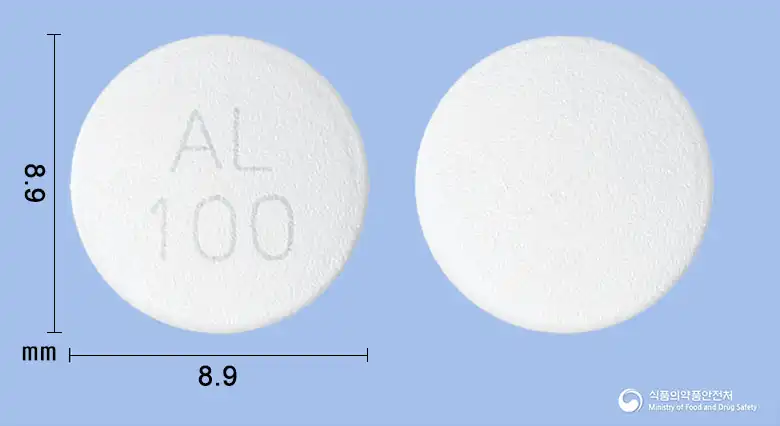
Sarpogrelate Hydrochloride 100mg
Tablet · Prescription medication
Allico Pharmaceuticals Co., Ltd.
Even with the same ingredient, the dose and directions can differ by strength and dosage form. Talk to a doctor or pharmacist before switching from a medication you are already taking.
No questions yet.
For anything that needs medical judgment, consult a doctor or pharmacist.
This drug information is based on data provided by the Korea Ministry of Food and Drug Safety.
Consult a doctor or pharmacist for accurate dosage, administration, and usage instructions.