
 한국어
한국어 English
 日本語
日本語 中文(简体)
 Viewing now
Cipron Tablet 250 mg (Ciprofloxacin Hydrochloride Monohydrate)
Ciprofloxacin Hydrochloride Hydrate 291mg
Tablet · Prescription medication
Hana Pharmaceuticals Co., Ltd.
MFDS item code 201208643 · Approved 2012.11.23 · Insurance code 657805000
Effectiveness in treating respiratory infections and urinary tract infections
This medication is used to treat various infections caused by bacteria such as respiratory infections, community-acquired pneumonia, ear, nose, and throat infections, bacterial prostatitis, and urinary tract infections. It is also effective in treating a wide range of infections including gonococcal cervicitis, gastrointestinal infections, skin and soft tissue infections, bone and joint infections, obstetric infections, and peritonitis. However, it is recommended to use this medication only when there are no alternative treatments available for acute bacterial sinusitis, chronic bronchitis, exacerbation of chronic obstructive pulmonary disease, uncomplicated urinary tract infections, and acute otitis media. This medication carries a risk of serious adverse reactions, so it should be taken carefully under medical supervision. Overall, it is used effectively to improve various bacterial infections.
Typically, adults take ciprofloxacin 250 to 500 mg orally twice daily between meals. In cases of severe complicated infections, the dose can be increased to 750 mg twice daily. For acute infections, treatment usually lasts 5 to 10 days, and it is important to continue for at least 3 more days after symptoms resolve. For patients with renal impairment, dosing should be adjusted based on creatinine clearance, and in the case of severe infection, severe renal impairment.
This medication can cause serious side effects such as tendonitis or tendon rupture and peripheral neuropathy, so it should be discontinued immediately if these symptoms occur. It should not be used in patients with myasthenia gravis as it may worsen symptoms. This medication is intended for specific bacterial infections and should be administered only when no other treatment options are available. Special caution should be exercised in elderly patients, those with poor renal function, and patients with a history of seizures when using this medication. It should not be administered to pregnant or breastfeeding women or to children under 18 years of age. This medication may interact with other drugs, particularly specific antiepileptics, hypoglycemics, and anticoagulants, so consultation with a specialist is recommended when taken concomitantly. If severe diarrhea, skin rash, liver function abnormalities, visual disturbance, or respiratory distress occurs during treatment, a physician should be consulted immediately. Avoid strong sunlight or ultraviolet exposure during treatment, and discontinue use if photosensitivity occurs. Caution is needed when driving or operating machinery, and it is advisable to avoid consuming alcohol while taking this medication. Overdose may lead to kidney damage, so the prescribed dosage and instructions should be strictly followed. This medication may affect joints and bones in children, so it should not be used in growing adolescents. Store in a cool place protected from direct sunlight and ultraviolet light, ensuring it is out of reach of children.
Hives, severe swelling (edema), chest tightness, difficulty breathing, cold sweat, pallor, severe rash with fever, blisters, peeling skin, pain in oral/ocular mucosa, shortness of breath or difficulty breathing, asthma attacks, respiratory abnormality accompanied by cough and fever, yellowing of skin or eyes (jaundice), extreme lethargy, sudden and very severe headache, thunderclap headache, seizures, altered consciousness, visual disturbances, numbness.
Decreased appetite, reduced food intake, increased alkaline phosphatase levels in the blood, hyperglycemia, hypoglycemia, increased lipase levels, abnormal prothrombin levels, increased amylase levels, psychomotor agitation/nervousness, confusion, disorientation, emotional instability, abnormal dreams, depression, hallucinations, psychotic reactions, toxic psychosis, headache, dizziness, sleep disorders, taste disorders, insomnia, sensory disturbances, sensory loss, loss of taste, tremors, lightheadedness, drowsiness, fatigue.
Not everyone experiences these, and they can vary from person to person.
This medication should be stored in a tightly closed container to prevent air ingress and should be kept at room temperature, ideally between 1 and 30 degrees Celsius. Proper storage will help maintain the drug's effectiveness and safety for use.
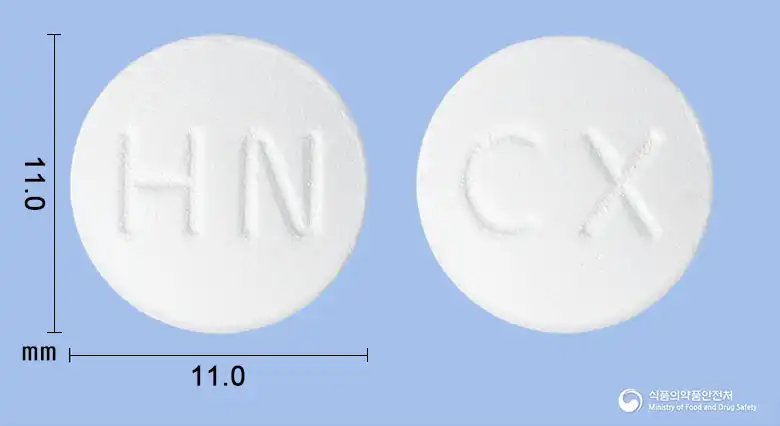
White round film-coated tablet
30 tablets/bottle, 100 tablets/bottle
Even with the same ingredient, strength, dosage form and how it is taken can differ.
Viewing nowCiprofloxacin Hydrochloride Hydrate 291mg
Tablet · Prescription medication
Hana Pharmaceuticals Co., Ltd.
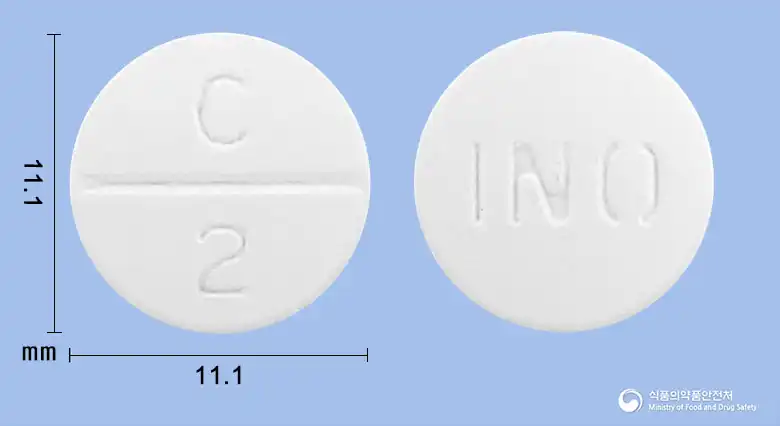
Ciprofloxacin Hydrochloride 291.5mg
Tablet · Prescription medication
HK inno.N Co., Ltd.
Ciprofloxacin Hydrochloride
Prescription medication
Dongkwang Pharmaceutical Co., Ltd.
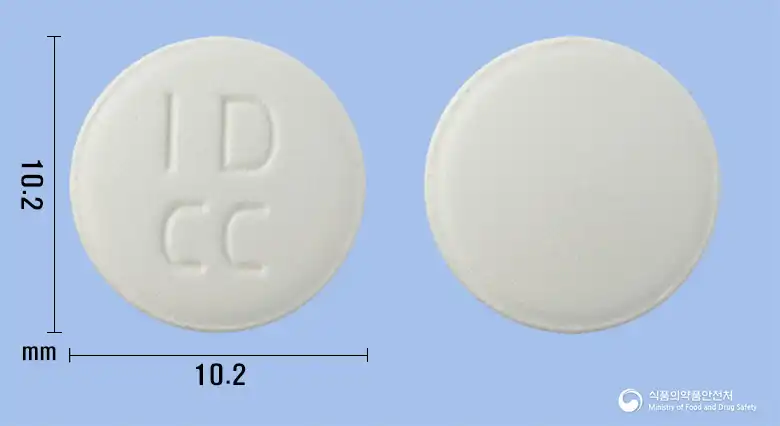
Ciprofloxacin Hydrochloride 291mg
Tablet · Prescription medication
Il Dong Pharmaceutical Co., Ltd.

Ciprofloxacin Hydrochloride 582mg
Tablet · Prescription medication
Il Dong Pharmaceutical Co., Ltd.
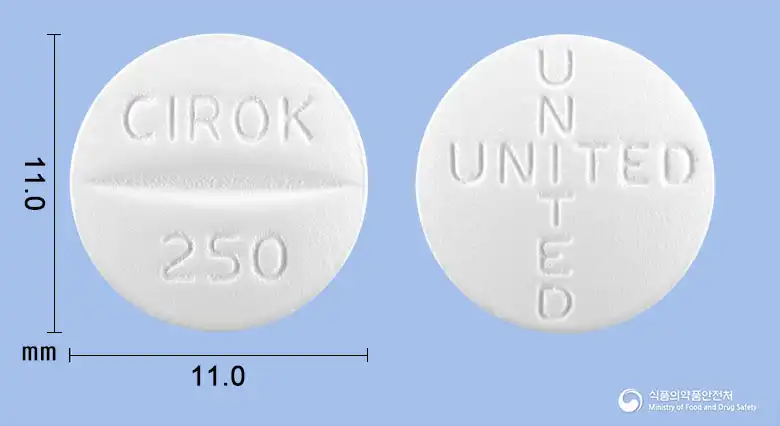
Ciprofloxacin Hydrochloride Hydrate 291mg
Tablet · Prescription medication
Korea United Pharm, Inc.
Ciprofloxacin Hydrochloride Hydrate 291mg
Tablet · Prescription medication
SK Chemicals Co., Ltd.

Ciprofloxacin Hydrochloride Hydrate 291mg
Tablet · Prescription medication
Donghwa Pharmaceutical Co., Ltd.
Even with the same ingredient, the dose and directions can differ by strength and dosage form. Talk to a doctor or pharmacist before switching from a medication you are already taking.
No questions yet.
For anything that needs medical judgment, consult a doctor or pharmacist.
This drug information is based on data provided by the Korea Ministry of Food and Drug Safety.
Consult a doctor or pharmacist for accurate dosage, administration, and usage instructions.