
 한국어
한국어 English
 日本語
日本語 中文(简体)
 Viewing now
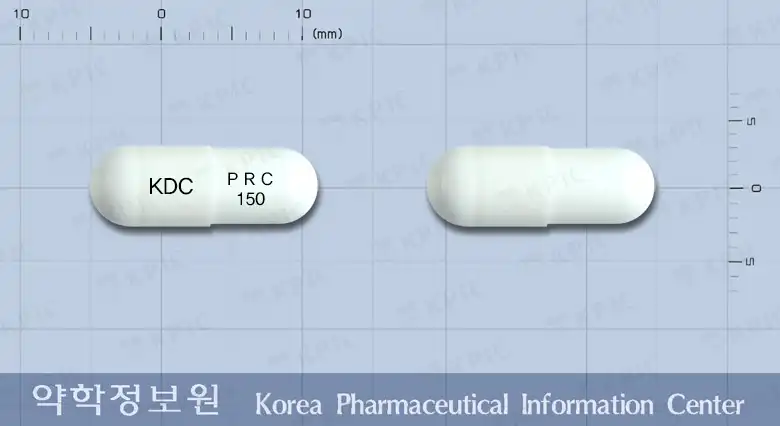
Pregalin Capsule 150 mg (Pregabalin)
Pregabalin 150mg
Hard capsule · Prescription medication
Korea Pharma Co., Ltd.
MFDS item code 201208481 · Approved 2012.11.20 · Insurance code 642802510
Treatment of peripheral and central neuropathic pain, adjunctive treatment for partial seizures in epilepsy, and improvement of fibromyalgia.
This medication is used to relieve peripheral and central neuropathic pain in adults. It is also used as an adjunctive treatment for patients with epilepsy, irrespective of the presence of secondary generalized symptoms for partial seizures. Moreover, it is effective in improving the symptoms of fibromyalgia. Overall, it helps manage neurological pain and seizures, thereby improving patient symptoms.
This medication is taken orally in two divided doses, regardless of meals. 1. Neuropathic Pain - Peripheral Neuropathic Pain: Initial dose is 150 mg once daily, which may be increased to 300 mg once daily after 3 to 7 days, and if necessary, further increased to a maximum of 600 mg once daily at week-long intervals. - Central Neuropathic Pain: Initial dose is 150 mg once daily, which may be increased to 300 mg once daily after one week, and potentially to the target daily dose of 600 mg after an additional week.
This medication may increase the risk of suicidal thoughts and behaviors, so patients taking it should immediately notify their healthcare provider if they experience mood changes or symptoms of depression. This medication should not be used in patients with hypersensitivity to any component, or in those with certain genetic lactose intolerances. Diabetic patients may need to adjust their blood sugar control medications due to potential weight gain from this drug. If signs of angioedema occur, the medication should be discontinued immediately, and elderly patients should be cautious of dizziness or drowsiness that could lead to injury. Visual disturbances or changes in eyesight may occur, so it is necessary to consult a healthcare provider if abnormal symptoms arise. Discontinuation of this medication should be done gradually under supervision, as withdrawal symptoms such as insomnia, headache, and anxiety may occur if stopped abruptly. Patients with a history of substance abuse should be carefully monitored for potential misuse of this medication. Dosing adjustments may be necessary for patients with impaired kidney function. Patients with severe heart disease should be cautious when using this medication, especially when combined with opioids, due to an increased risk of central nervous system depression. Patients with respiratory diseases or kidney impairment are at higher risk for severe respiratory depression and should have careful dosing adjustments and monitoring. Pregnant women in early pregnancy should avoid taking this medication due to the risk of fetal malformations. Women of childbearing age should use effective contraception. Lactating women should consider discontinuing breastfeeding or stopping the medication, as it can be transmitted through breast milk. This medication can cause dizziness and drowsiness; therefore, patients should confirm their symptoms before driving or operating hazardous machinery. In case of overdose, symptoms may include confusion, drowsiness, and depression. Emergency treatments such as dialysis may be required.
Hives, severe swelling (edema), chest tightness, difficulty breathing, cold sweat, paleness, severe rash with fever, blisters, skin peeling, pain in mucous membranes of the mouth/eyes, difficulty breathing or shortness of breath, asthma attacks, abnormal respiration with cough and fever, yellowing of skin or eyes (jaundice), extreme lethargy, sudden and severe headache, thunderclap headache, seizures, altered consciousness, visual disturbances, paralysis, urinary troubles
Not everyone experiences these, and they can vary from person to person.
This medication should be stored in a tightly sealed container to prevent exposure to air and moisture. It is also important to maintain a temperature between 15 to 30 degrees Celsius while storing the medication to preserve its effectiveness.
A hard capsule with white or light yellow powder, with a white body and cap.
30 capsules/bottle
Even with the same ingredient, strength, dosage form and how it is taken can differ.
Viewing nowPregabalin 150mg
Hard capsule · Prescription medication
Korea Pharma Co., Ltd.
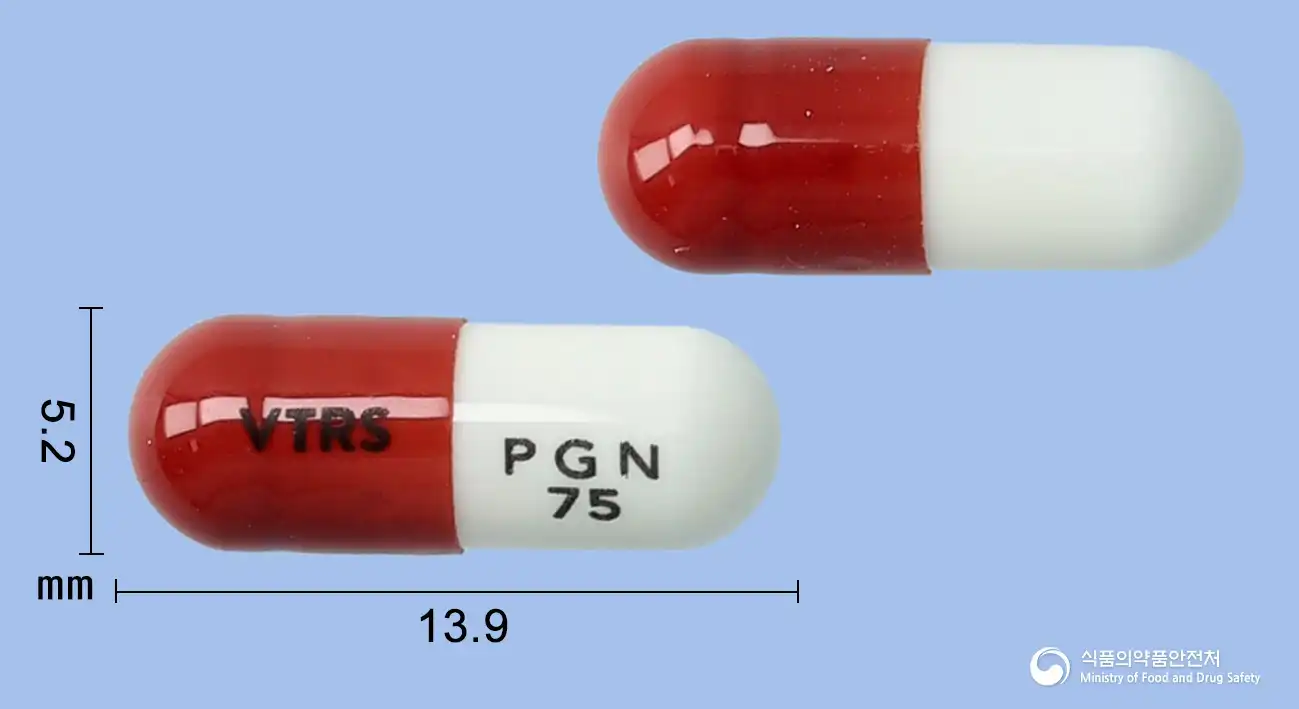
Pregabalin 75mg
Hard capsule · Prescription medication
Viatris Korea Co., Ltd.
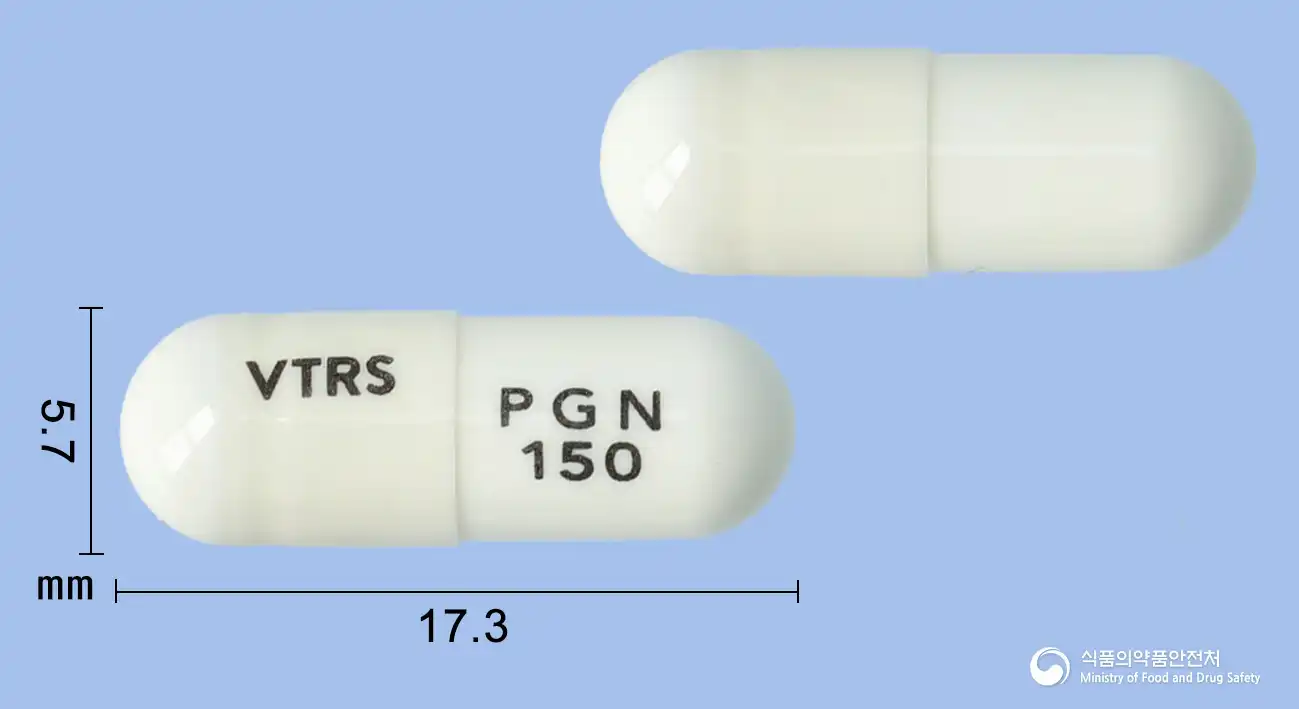
Pregabalin 150mg
Hard capsule · Prescription medication
Viatris Korea Co., Ltd.
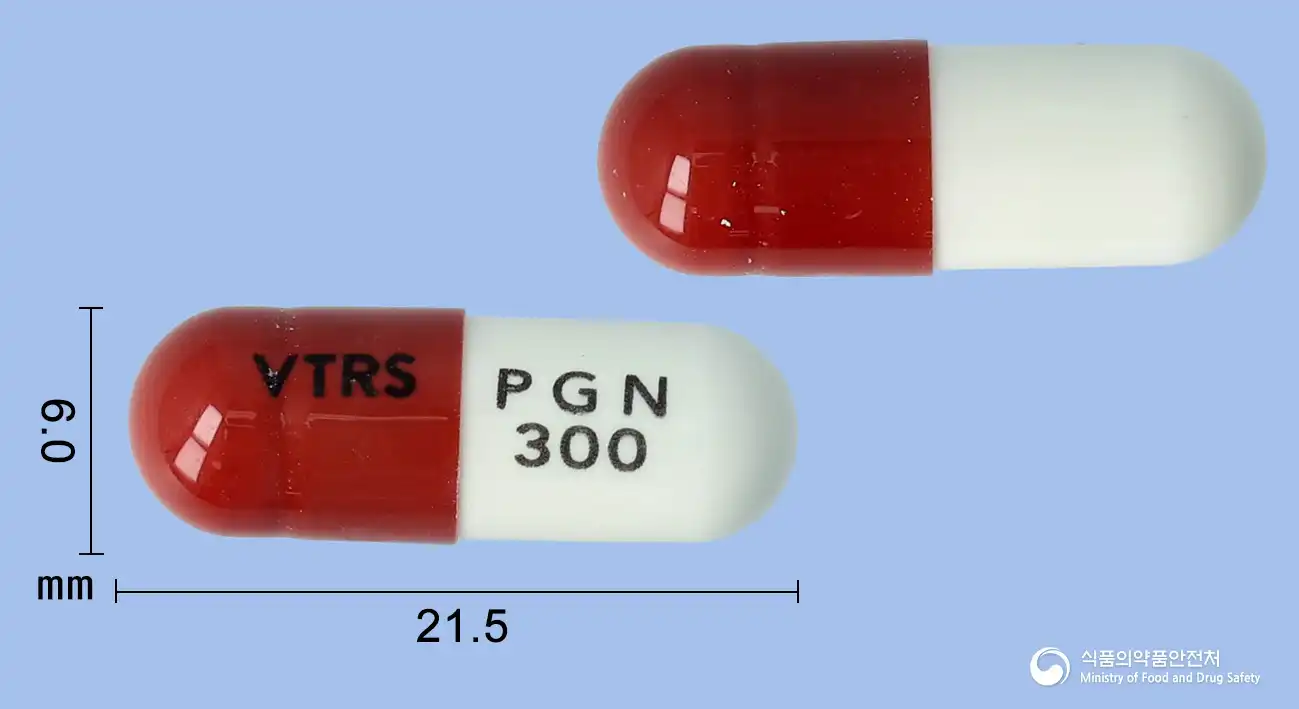
Pregabalin 300mg
Hard capsule · Prescription medication
Viatris Korea Co., Ltd.
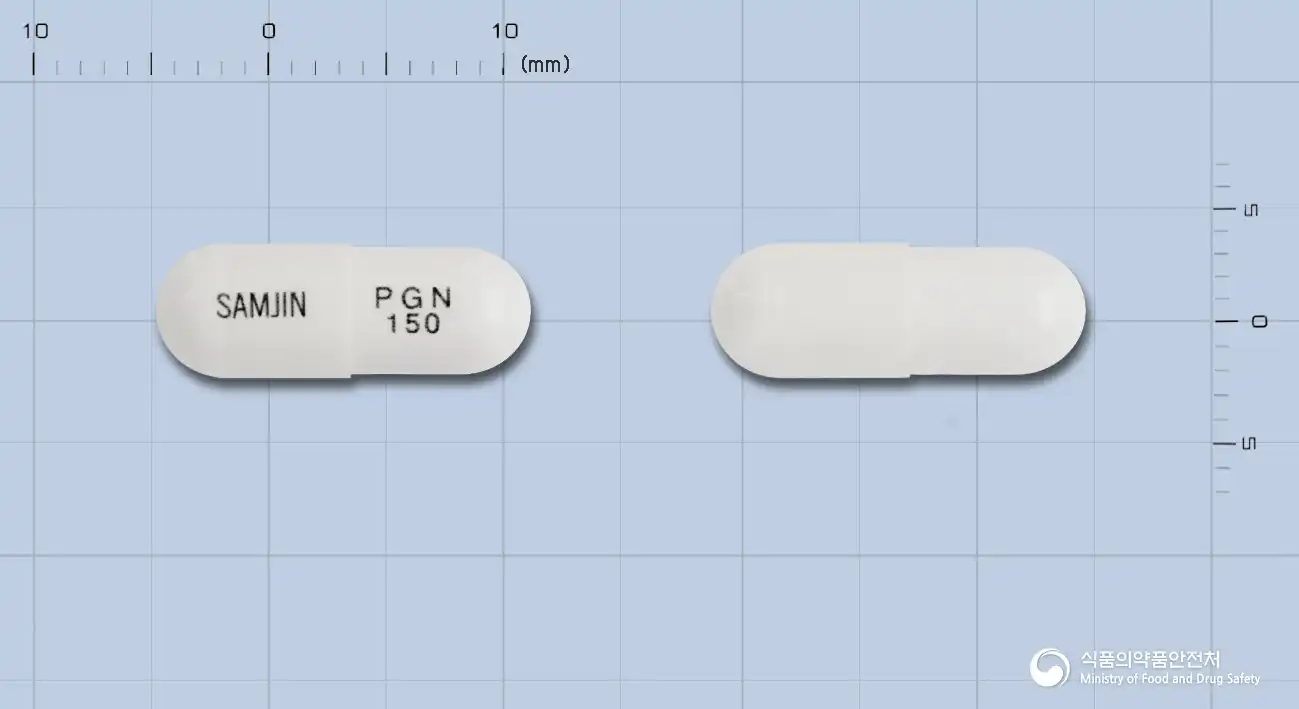
Pregabalin 150mg
Hard capsule · Prescription medication
Samjin Pharmaceutical Co., Ltd.
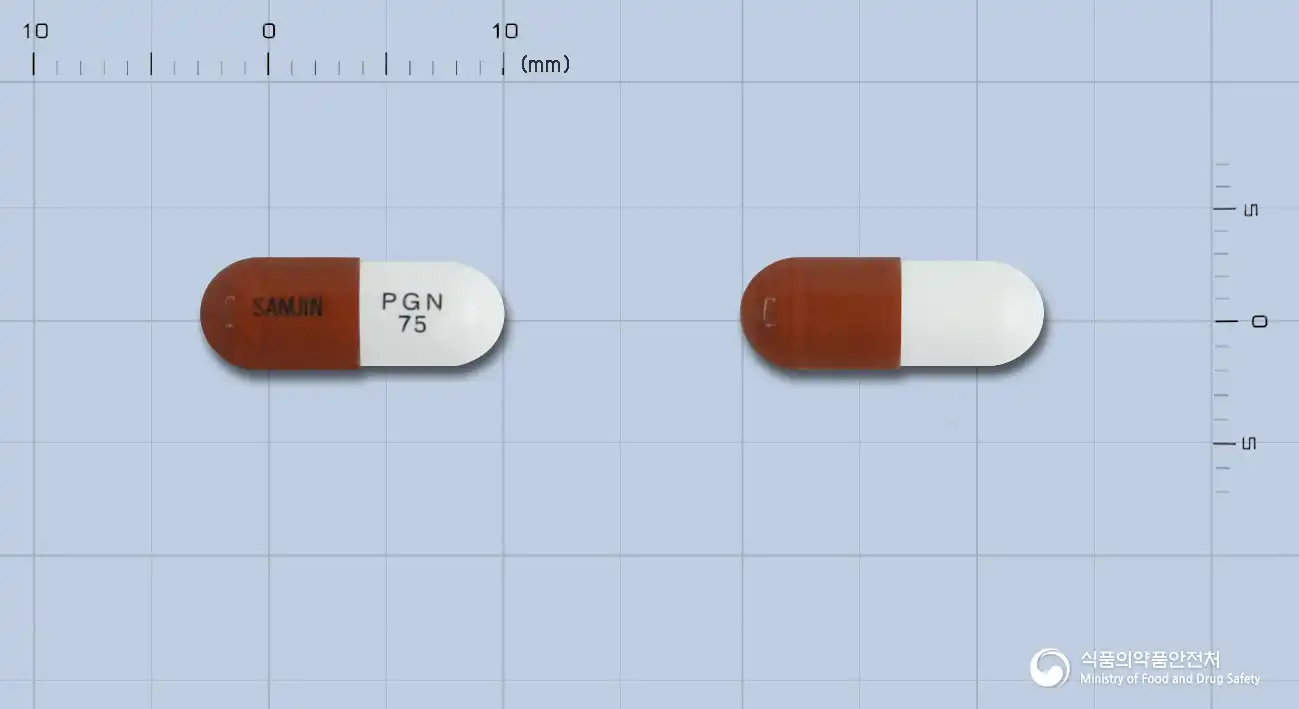
Pregabalin 75mg
Hard capsule · Prescription medication
Samjin Pharmaceutical Co., Ltd.
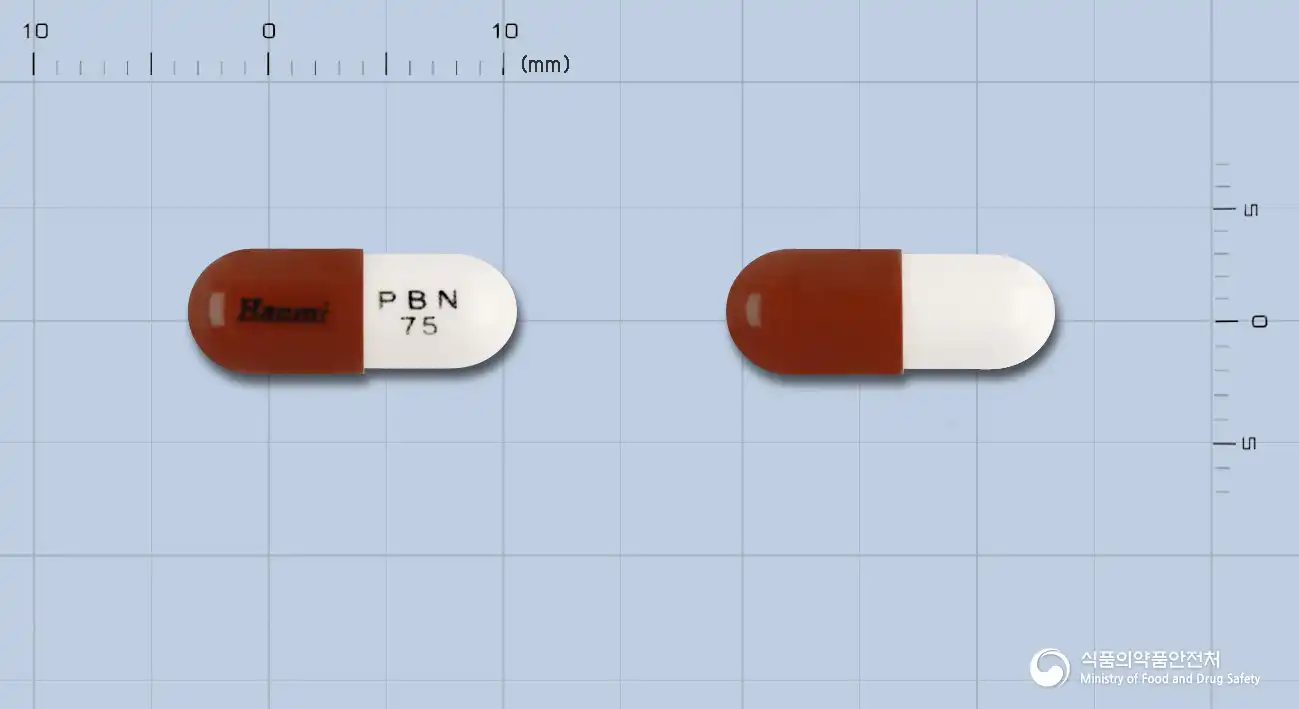
Pregabalin 75mg
Hard capsule · Prescription medication
Hanmi Pharm. Co., Ltd.
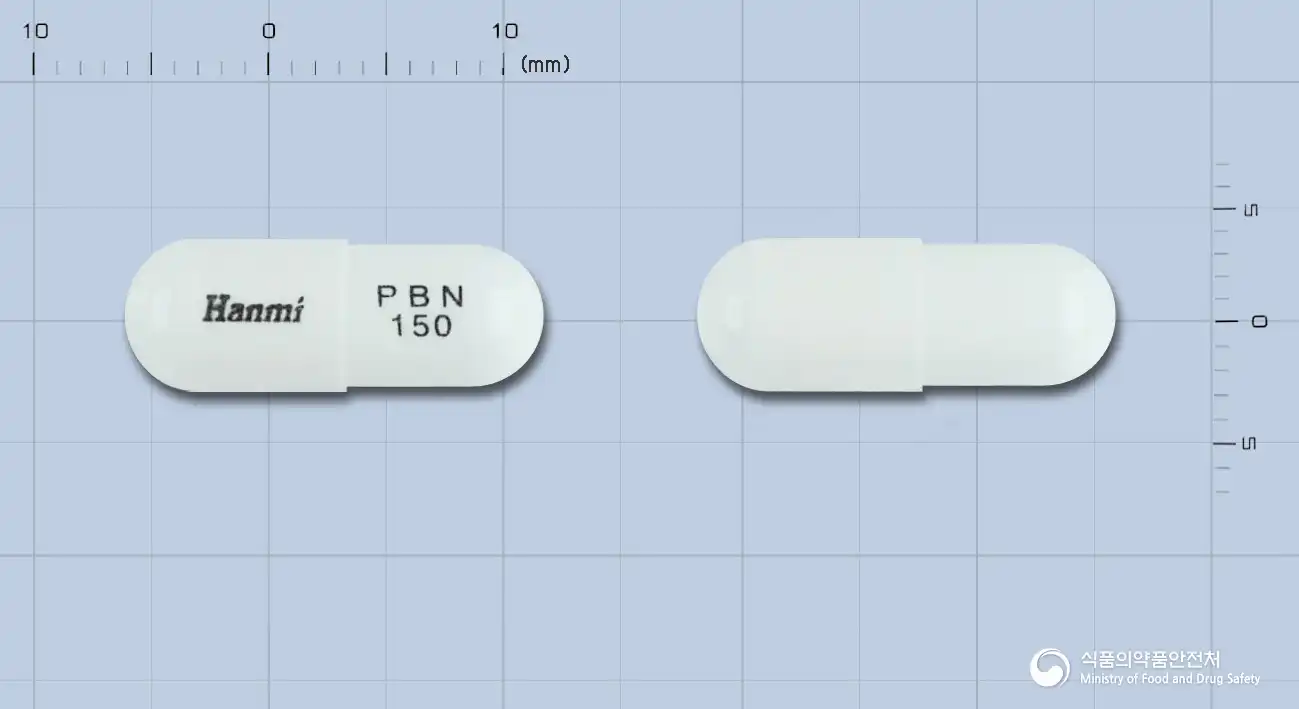
Pregabalin 150mg
Hard capsule · Prescription medication
Hanmi Pharmaceutical Co., Ltd.
Even with the same ingredient, the dose and directions can differ by strength and dosage form. Talk to a doctor or pharmacist before switching from a medication you are already taking.
No questions yet.
For anything that needs medical judgment, consult a doctor or pharmacist.
This drug information is based on data provided by the Korea Ministry of Food and Drug Safety.
Consult a doctor or pharmacist for accurate dosage, administration, and usage instructions.