
 한국어
한국어 English
 日本語
日本語 中文(简体)
 Viewing now
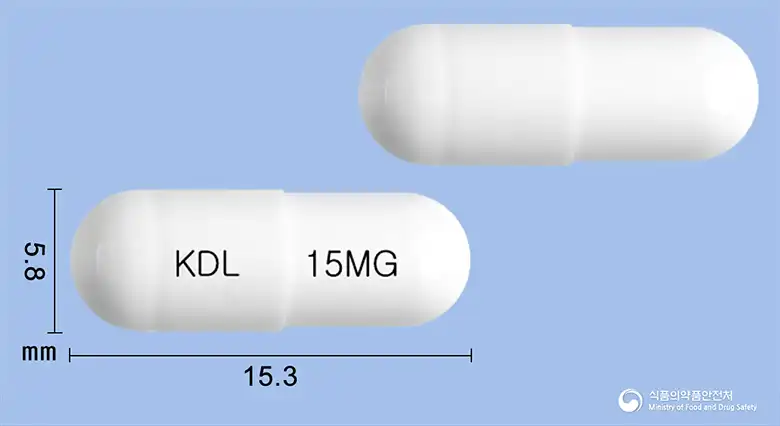
Rangaton Capsule 15mg (Lansoprazole)
Lansoprazole 15mg
Hard capsule · Prescription medication
Kwangdong Pharmaceutical Co., Ltd.
MFDS item code 201208079 · Approved 2012.11.09 · Insurance code 641805400
Treatment of duodenal ulcers and gastric ulcers (active, NSAIDs induced), eradication of Helicobacter pylori, treatment and maintenance of gastroesophageal reflux disease and erosive reflux esophagitis, suppression of hypersecretion states.
This medicine is used for the short term treatment of active duodenal ulcers and benign gastric ulcers. It is also effective in eradicating Helicobacter pylori to prevent the recurrence of duodenal ulcers. After treatment, it can be used for maintenance therapy of duodenal ulcers and erosive reflux esophagitis to prevent recurrence. It also helps in treating gastric ulcers caused by non-steroidal anti-inflammatory drugs and reducing the risk of their occurrence. It is used to temporarily relieve the symptoms of gastroesophageal reflux disease and erosive reflux esophagitis, and treats pathological hypersecretion states such as Zollinger-Ellison syndrome. This medication effectively manages gastric and esophageal diseases and improves symptoms.
This medication should be taken before meals. 1. Short-term treatment of active duodenal ulcer: Administer 15mg of lansoprazole orally once daily for 4 weeks. 2. Short-term treatment of active benign gastric ulcer: Administer 30mg of lansoprazole orally once daily for 8 weeks. 3. Eradication of Helicobacter pylori to prevent recurrence of duodenal ulcers: 1) Administer 30mg of lansoprazole with 250-500mg of clarithromycin and amoxicillin 1,000mg, twice daily (every 12 hours) for 7 days. Depending on circumstances, it may be used for up to 14 days. 2) Combine 30mg of lansoprazole and 1,000mg of amoxicillin, and administer three times daily (every 8 hours) for 14 days. 4. Maintenance therapy after treatment of duodenal ulcers: Administer 15mg of lansoprazole orally once daily. Comparative clinical trials did not exceed 12 months. 5. Treatment of NSAID-induced gastric ulcers: Administer 30mg of lansoprazole orally once daily for 8 weeks. The duration of the comparative clinical trial did not exceed 8 weeks. 6. Reduction of the risk of occurrence of NSAID-induced gastric ulcers: Administer 15mg of lansoprazole orally once daily for 12 weeks. The duration of the comparative clinical trial did not exceed 12 weeks. 7. Short-term treatment of symptoms related to gastroesophageal reflux disease: Administer 15mg of lansoprazole orally once daily for 8 weeks. 8. Short-term treatment of erosive reflux esophagitis: Administer 30mg of lansoprazole orally once daily for 8 weeks. 9. Maintenance therapy after treatment of erosive reflux esophagitis: Administer 15mg of lansoprazole orally once daily. 10. Pathological hypersecretion states, including Zollinger-Ellison syndrome: Dosing of lansoprazole for pathological hypersecretion states varies by patient. Typically, start with 60mg once daily for adults. The dosage should be adjusted according to the patient's needs, and it may be continued as long as clinically effective. It has been administered up to 90mg twice daily. If over 120mg is administered in a day, it should be split into doses. ○ Children and adolescents aged 12 to 17 1. Short-term treatment of symptoms related to non-erosive gastroesophageal reflux disease: 15mg once daily for 8 weeks. 2. Short-term treatment of erosive reflux esophagitis: 30mg once daily for 8 weeks. ○ Children aged 1 to 11 Short-term treatment of symptoms related to gastroesophageal reflux disease and erosive reflux esophagitis: Under 30kg: 15mg once daily for 12 weeks. Over 30kg: 30mg once daily for 12 weeks. ○ Elderly Dosage adjustment is required as clearance of this medication is decreased in the elderly. Do not exceed a daily dose of 30mg. ○ Patients with liver impairment: Dosing in patients with liver impairment may be delayed in metabolism and excretion; therefore, administer cautiously with dosage adjustment.
○ Children and adolescents aged 12 to 17 1. Short-term treatment of symptoms related to non-erosive gastroesophageal reflux disease: 15mg once daily for 8 weeks. 2. Short-term treatment of erosive reflux esophagitis: 30mg once daily.
This medication should not be administered to patients with certain allergic reactions. For example, patients who are allergic to this medication or similar components, or who are hypersensitive to penicillin and macrolide antibiotics should not use it. Patients who are pregnant or have genetically determined lactose intolerance should also avoid taking this medication. Furthermore, patients with impaired liver function, elderly individuals, nursing mothers, and children should use this medication cautiously. This medication can rarely cause severe allergic reactions, blood abnormalities, liver dysfunction, serious skin reactions, etc., so if any abnormal symptoms occur during use, seek medical advice immediately. Long-term use may result in side effects such as vitamin B12 deficiency and hypomagnesemia, therefore regular checks are necessary. Additionally, there is an increased risk of fractures, so caution should be exercised during long-term use at high doses. This medication can interact with other drugs; therefore, it is essential to inform your physician or pharmacist, especially when used in conjunction with HIV medications, antibiotics, anticoagulants, and immunosuppressants. Symptoms such as dizziness or drowsiness may occur during administration, so caution is necessary while driving or operating machinery. In case of overdose, it cannot be removed by hemodialysis, so please visit a medical institution immediately to receive appropriate treatment. Store this medication out of reach of children, and do not transfer it to another container to maintain quality.
Urticaria, angioedema, difficulty breathing, anaphylaxis, anaphylactic shock, generalized rash, facial swelling, shock, pancytopenia, agranulocytosis, hemolytic anemia, neutropenia, thrombocytopenia, anemia, jaundice, toxic liver dysfunction, toxic epidermal necrolysis (Lyell syndrome), mucocutaneous syndrome (Stevens-Johnson syndrome), DRESS syndrome, interstitial pneumonia, pneumonia, interstitial nephritis, acute kidney failure, membranous colitis, Clostridium difficile.
Headache, diarrhea, taste disturbance, abdominal bloating, nausea, vomiting, abdominal pain, stomatitis, glossitis, thirst, heartburn, gastroesophageal reflux, loss of appetite, allergic reactions, back pain, malaise, candidiasis, chills, chest pain, edema, fever, flu-like symptoms, halitosis, infection, fatigue, neck stiffness/pain, pelvic pain, angina, arrhythmia, bradycardia/tachycardia, cerebrovascular accident/cerebral infarction, hypertension/hypotension, migraine, myocardial infarction, palpitations, vasodilation, syncope.
Not everyone experiences these, and they can vary from person to person.
This medication should be stored in a tightly sealed container to avoid exposure to air or moisture. It should be stored at room temperature between 1°C and 30°C, away from extreme heat or cold.
A hard capsule with a white to light brown granule, with a white upper and lower part.
30 capsules/bottle
Even with the same ingredient, strength, dosage form and how it is taken can differ.
Viewing nowLansoprazole 15mg
Hard capsule · Prescription medication
Kwangdong Pharmaceutical Co., Ltd.
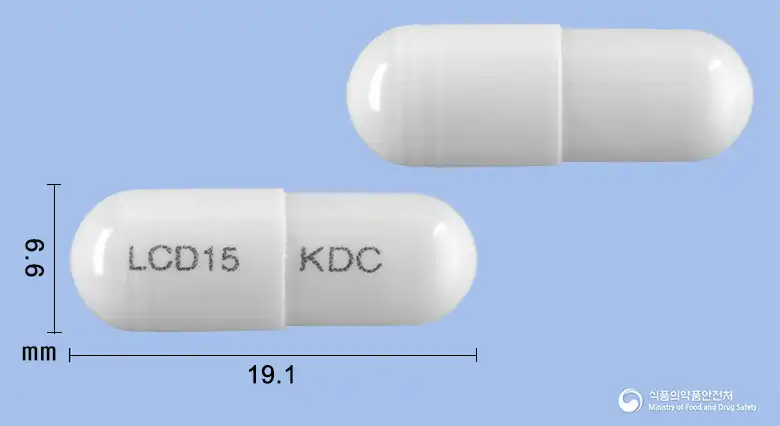
Lansoprazole 15mg
Hard capsule · Prescription medication
Korea Pharmaceutical Co., Ltd.
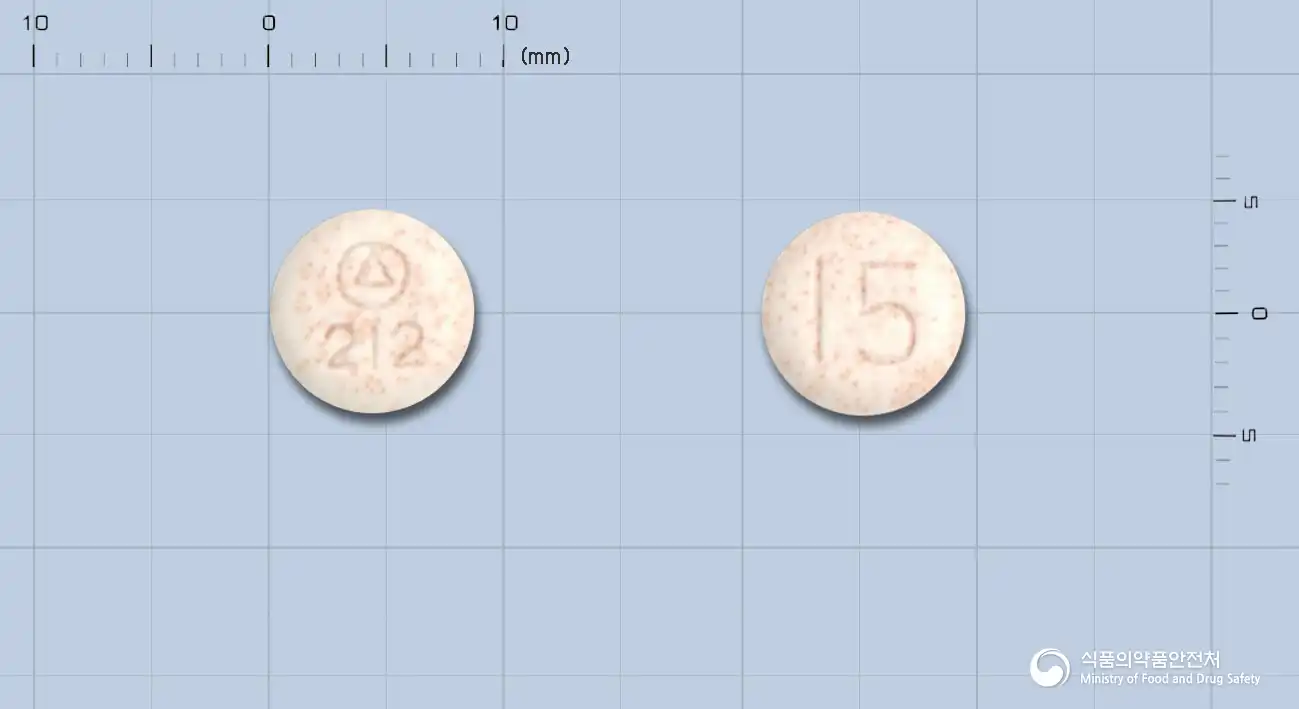
Lansoprazole 15mg
Orally disintegrating Tablet · Prescription medication
Takeda Pharmaceuticals Korea Co., Ltd.
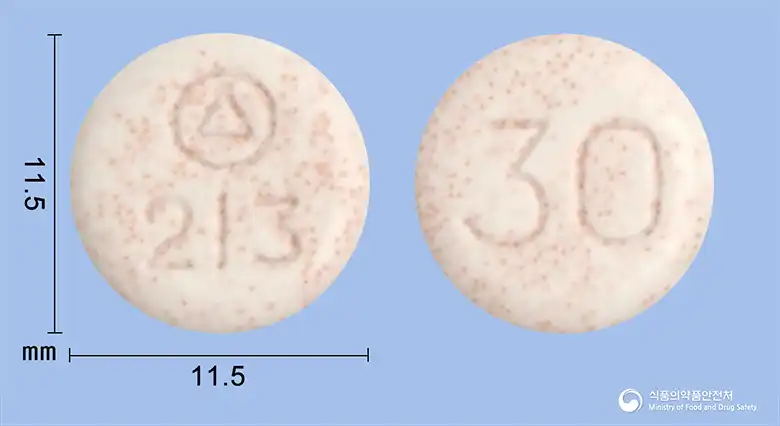
Lansoprazole 30mg
Orally disintegrating Tablet · Prescription medication
Takeda Pharmaceuticals Korea Co., Ltd.
Lansoprazole 15mg
Tablet · Prescription medication
Samil Pharmaceutical Co., Ltd.
Lansoprazole 30mg
Hard capsule · Prescription medication
Kwangdong Pharmaceutical Co., Ltd.
Lansoprazole 30mg
Hard capsule · Prescription medication
Aprogen Biologics Co., Ltd.
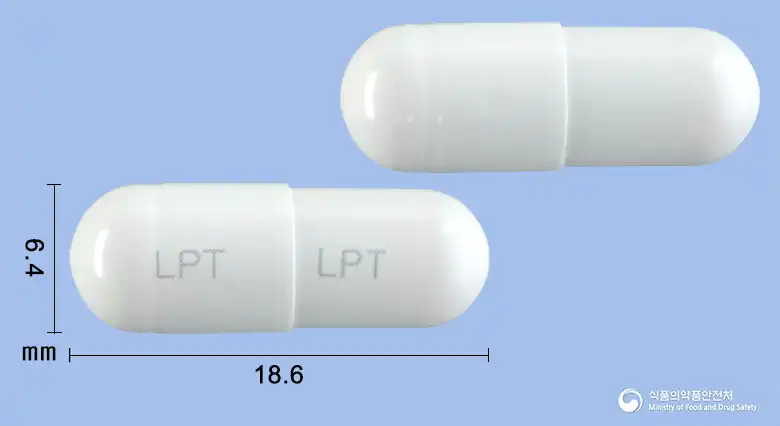
Lansoprazole 30mg
Hard capsule · Prescription medication
Samchundang Pharmaceutical Co., Ltd.
Even with the same ingredient, the dose and directions can differ by strength and dosage form. Talk to a doctor or pharmacist before switching from a medication you are already taking.
No questions yet.
For anything that needs medical judgment, consult a doctor or pharmacist.
This drug information is based on data provided by the Korea Ministry of Food and Drug Safety.
Consult a doctor or pharmacist for accurate dosage, administration, and usage instructions.