
 한국어
한국어 English
 日本語
日本語 中文(简体)
 Viewing now
Canarb Tablets 30mg (Pimasartan Potassium Hydrate)
Fimasartan Potassium Trihydrate 33.005mg
Tablet · Prescription medication
Boryung Pharmaceutical Co., Ltd.
MFDS item code 201207542 · Approved 2012.10.30 · Insurance code 641905940
Treatment of essential hypertension and reduction of proteinuria in diabetic kidney disease
This medicine is used to treat essential hypertension and is particularly effective in reducing proteinuria in patients with hypertension and type 2 diabetic chronic kidney disease. Therefore, it helps in blood pressure management as well as in protecting kidney function. This drug also contributes to preventing various complications associated with hypertension, improving the overall health of the patient.
For essential hypertension, take 30 to 60 mg once daily, regardless of meals. If blood pressure is not adequately controlled, the dosage may be increased to 120 mg once daily. For the elderly (aged 70 or older), an initial dose of 30 mg once daily is recommended. In patients with renal impairment who are severely ill, treatment should start with 30 mg once daily and should not exceed 60 mg. For essential hypertension in patients with type 2 diabetic chronic kidney disease.
This drug can cause serious harm to the fetus and newborn, especially when taken during the second and third trimesters of pregnancy, so it should be discontinued immediately upon confirmation of pregnancy. Patients who are allergic to any of the components in this drug, undergoing kidney dialysis, have severe liver impairment, or have bile duct obstruction should not take this medication. Patients with decreased blood volume or salt deficiency, impaired kidney function, or renovascular hypertension should exercise caution when taking this medication, and their condition should be closely monitored when starting or increasing the dosage. This medication can cause various side effects such as headaches, dizziness, dyspepsia, muscle pain, and skin rashes, so if any symptoms appear, consultation with a healthcare professional is necessary. Hypotension or electrolyte imbalances may occur, so especially if taking diuretics or having low salt intake, blood pressure and electrolyte status should be checked periodically. Due to the risk of increased potassium levels, patients with heart disease or kidney disease should have their serum potassium levels monitored regularly. When taken with other antihypertensives, potassium-sparing diuretics, lithium preparations, or non-steroidal anti-inflammatory drugs, precautions are necessary due to increased risk of side effects from interactions. During pregnancy, there is a risk of decreased fetal kidney function, decreased amniotic fluid, and malformations, so those planning or currently pregnant should consult a healthcare provider. Breastfeeding women are advised to either discontinue breastfeeding or the medication as this drug may be excreted into breast milk. In children under 18, safety and efficacy have not been established, so use should be avoided. In elderly patients, while the concentration of the drug in the body may increase, dosage adjustment is generally not necessary, but caution should be exercised based on their condition. Patients with moderate to severe liver impairment should avoid taking this drug, and it is important to check liver function status. In cases of overdose, symptoms such as hypotension or arrhythmia may occur, so immediate notification of a healthcare provider is necessary for appropriate treatment. This medication should be kept out of reach of children, and care should be taken as transferring it to another container can adversely affect its quality.
Urticaria, severe swelling (edema), chest tightness, difficulty breathing, cold sweat, pallor, severe rash with fever, blisters, skin peeling, pain in oral/eye mucosa, shortness of breath or difficulty breathing, asthma attack, respiratory abnormalities with cough and fever, jaundice (yellowing of skin or eyes), profound fatigue, sudden and severe headache, thunderclap headache, seizures, confusion, visual disturbances, paralysis, urination.
Headache, dizziness, fainting, sedation, migraine, dyspepsia, vomiting, nausea, upper abdominal pain, fatigue, foreign body sensation, elevated liver enzyme levels (ALT, AST), decreased platelet count, increased serum creatine phosphokinase levels, cough, muscle spasms, musculoskeletal stiffness, itching, localized urticaria, facial flushing, flushing, erectile dysfunction, seizure, amyotrophic lateral sclerosis, neuropathy, neuroinflammation, facial paralysis, normal pressure hydrocephalus.
Not everyone experiences these, and they can vary from person to person.
This drug is sensitive to light, so it should be stored in a tightly closed container that is light-blocking. Additionally, to maintain the drug's effectiveness, it should be stored at room temperature, that is between 1 degree and 30 degrees Celsius.
Green hexagonal biconvex film-coated tablet with rounded corners
Domestic use - 30 tablets/bottle, Domestic use - 300 tablets/bottle, Export use - 10 tablets/box [(10 tablets/PTP x 1)], Export use - 30 tablets/box [(10 tablets/PTP x 3)]
Even with the same ingredient, strength, dosage form and how it is taken can differ.
Viewing nowFimasartan Potassium Trihydrate 33.005mg
Tablet · Prescription medication
Boryung Pharmaceutical Co., Ltd.

Fimasartan Potassium Trihydrate 132.02mg
Tablet · Prescription medication
Boryung Co., Ltd.

Fimasartan Potassium Trihydrate 66.01mg
Tablet · Prescription medication
Boryung Pharmaceuticals Co., Ltd.

Fimasartan Potassium Trihydrate 66.01mg
Tablet · Prescription medication
Aliko Pharmaceutical Co., Ltd.
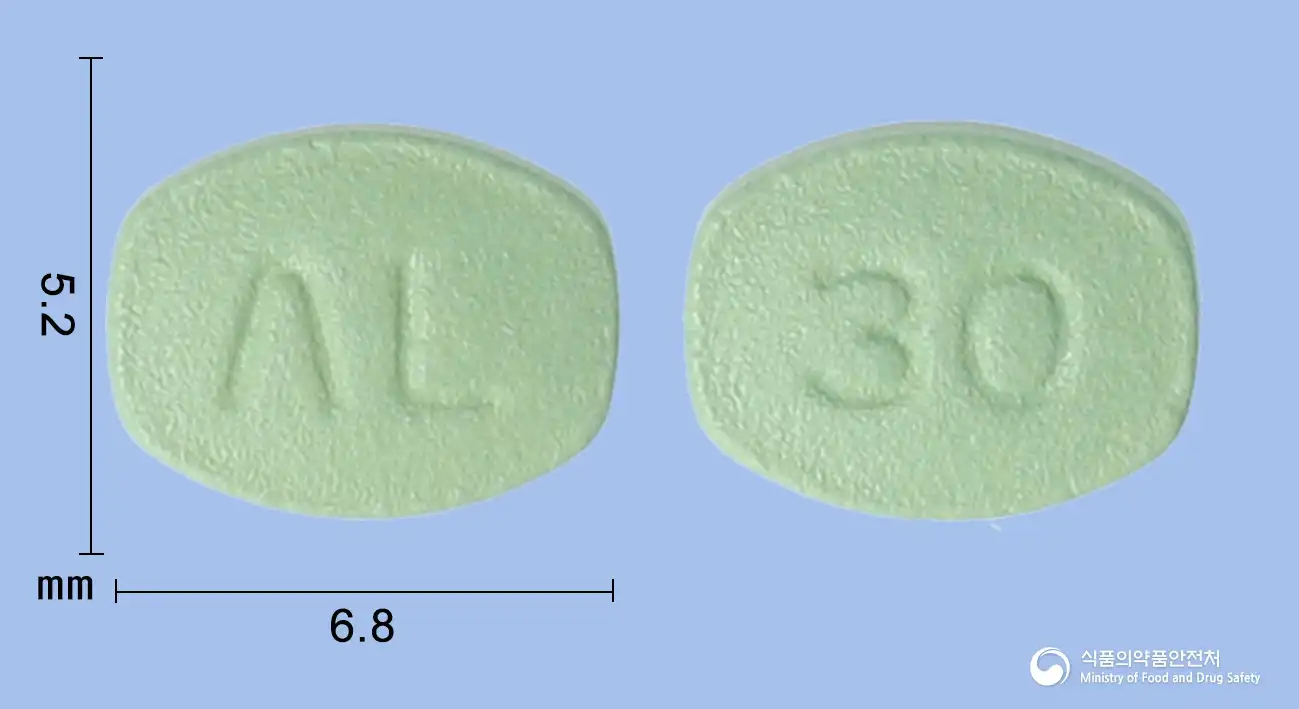
Fimasartan Potassium Trihydrate 33.005mg
Tablet · Prescription medication
Aliko Pharmaceutical Co., Ltd.
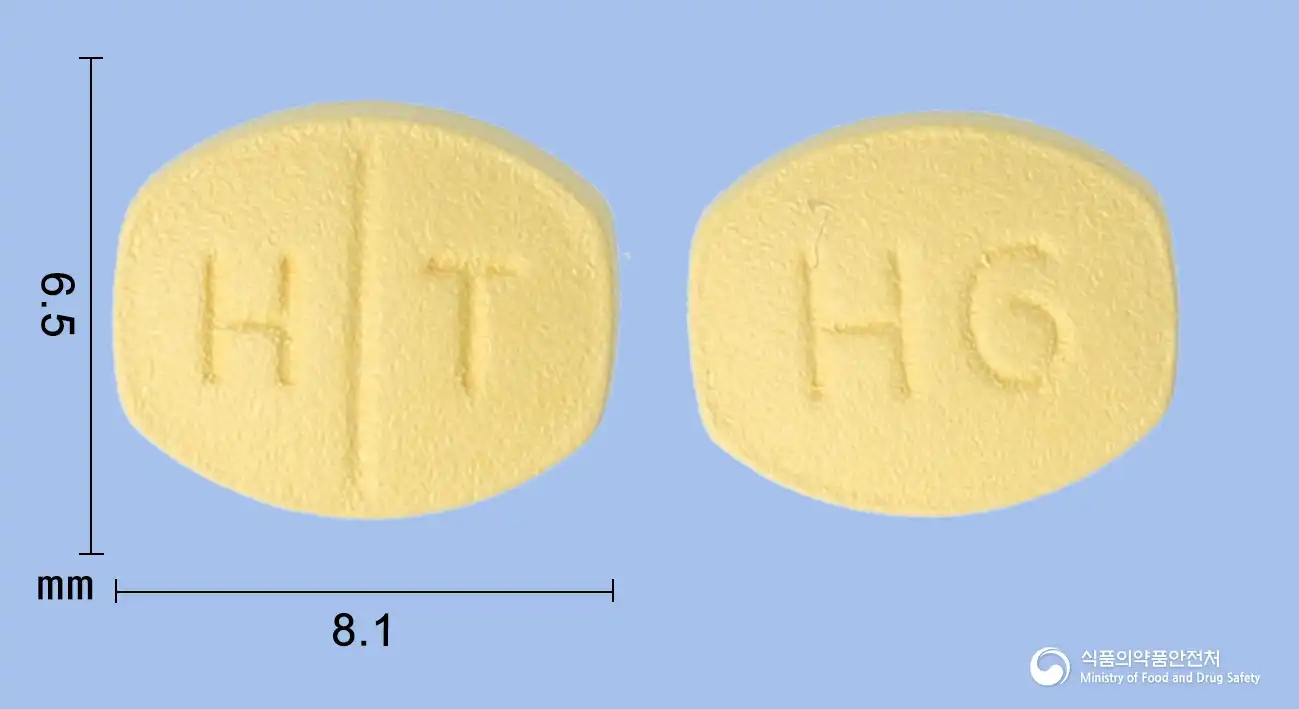
Fimasartan Potassium Trihydrate 66.01mg
Tablet · Prescription medication
Korea Hyutex Pharmaceuticals Co., Ltd.
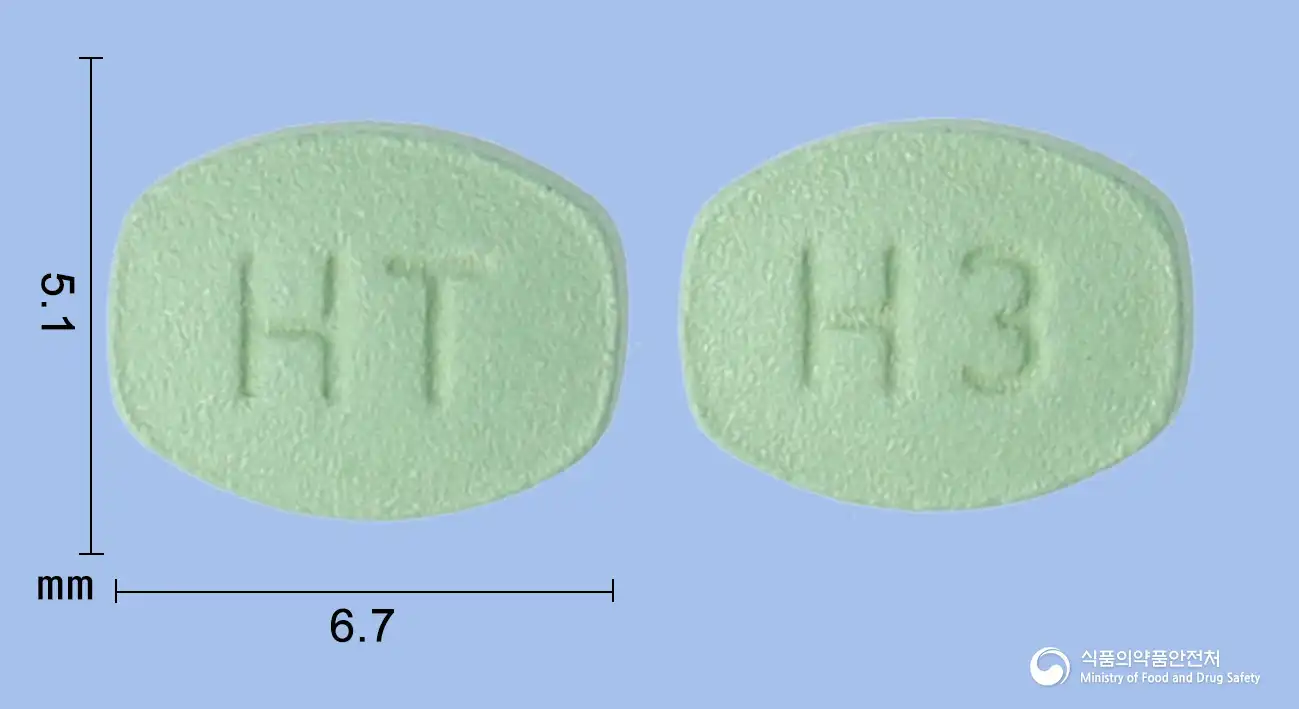
Fimasartan Potassium Trihydrate 33.005mg
Tablet · Prescription medication
HanKook Hytex Pharmaceutical Co., Ltd.
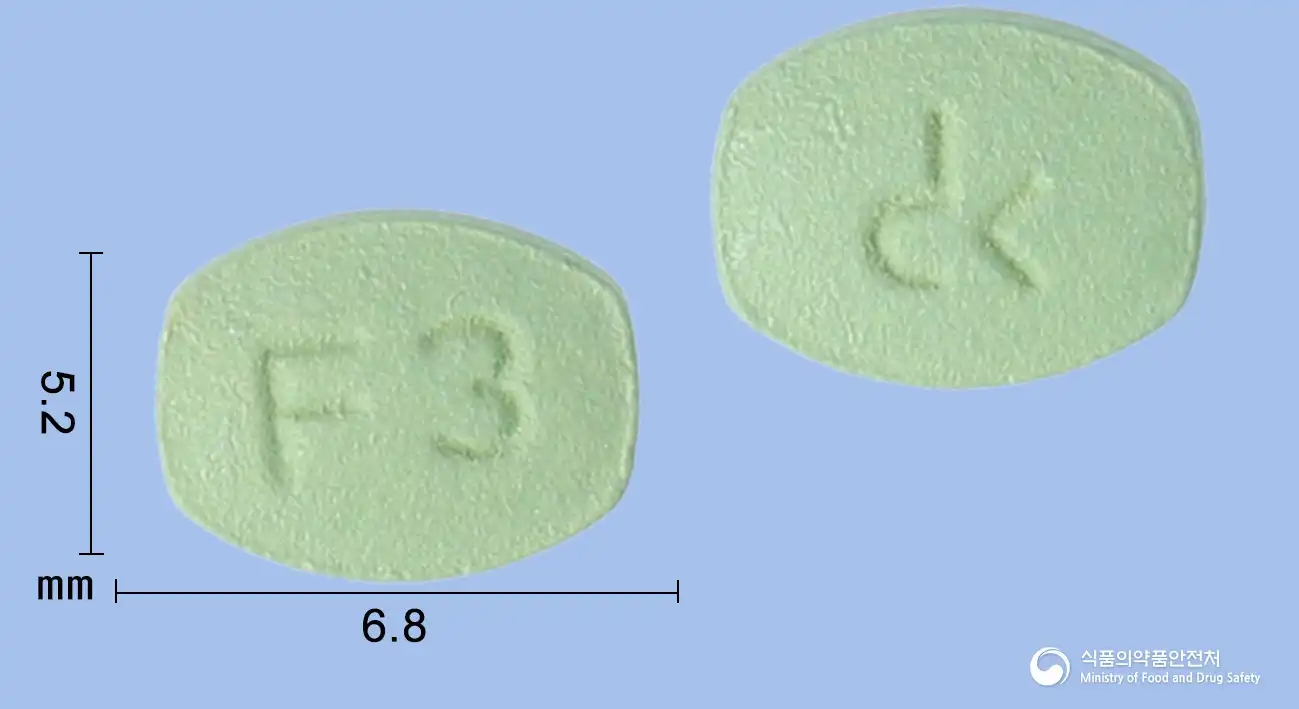
Fimasartan Potassium Trihydrate 33.005mg
Tablet · Prescription medication
Dongkuk Pharm Co., Ltd.
Even with the same ingredient, the dose and directions can differ by strength and dosage form. Talk to a doctor or pharmacist before switching from a medication you are already taking.
No questions yet.
For anything that needs medical judgment, consult a doctor or pharmacist.
This drug information is based on data provided by the Korea Ministry of Food and Drug Safety.
Consult a doctor or pharmacist for accurate dosage, administration, and usage instructions.