
 한국어
한국어 English
 日本語
日本語 中文(简体)
 Viewing now
Clopidogrel 75 mg (Clopidogrel Bisulfate)
Clopidogrel Bisulfate 97.875mg
Tablet · Prescription medication
Huons Co., Ltd.
MFDS item code 201207517 · Approved 2012.10.30 · Insurance code 670606340
Treatment to improve symptoms associated with atherosclerosis such as ischemic stroke and myocardial infarction, and to reduce the risk of thromboembolism in stroke.
This medication is used to improve symptoms of atherosclerosis in adult patients with ischemic stroke, myocardial infarction, and peripheral artery disease. It also reduces the risk of death, myocardial infarction, and stroke due to cardiovascular events in patients with acute coronary syndrome who have undergone medical therapy, coronary intervention, or coronary artery bypass surgery. Furthermore, it has been shown to lower the risk of stroke and thromboembolism in adult patients with atrial fibrillation who have vascular risk factors but are unable to take vitamin K antagonists. Therefore, this drug is used to improve various thrombotic and atherosclerotic symptoms related to cardiovascular diseases.
1. For patients with ischemic stroke, myocardial infarction, or peripheral artery disease, administer clopidogrel at a dosage of 75 mg orally once daily. 2. For patients with acute coronary syndrome (unstable angina or non-ST elevation myocardial infarction), start with a loading dose of 300 mg orally on the day of medication initiation, followed by a maintenance dose of 75 mg orally once daily. At this time, aspirin 75 – 325 mg should be given in combination with this medication once daily. 3. For patients with atrial fibrillation, administer 75 mg orally once daily of this medication. At this time, aspirin 75 – 100 mg should also be taken in combination with this medication once daily. ○ Renal impairment patients: Treatment experience in patients with renal disorders is limited. ○ Liver impairment patients: Treatment experience in patients with moderate liver disease with bleeding diathesis is limited. This medication can be taken regardless of food intake.
This medication helps prevent platelets from aggregating, allowing blood to flow more easily. Certain genetic factors may cause the drug to not work effectively in patients taking this medication, and genetic testing may need to be considered for alternative treatment options. Additionally, taking this medication with certain drugs that activate specific enzymes may increase the risk of bleeding, so combination with such medications is not recommended. This drug should not be administered to patients with a history of hypersensitivity or bleeding, severe liver impairment, breastfeeding women, and certain genetic lactose intolerance patients. Patients with a high risk of bleeding or those scheduled for surgery should exercise caution when using this medication and may need to discontinue the medication 5-7 days prior to surgery if necessary. This medication may increase the risk of bleeding when used in combination with other bleeding risk medications, necessitating careful monitoring during concurrent use. If any bleeding symptoms occur while taking this medication, notify your healthcare provider immediately and have your condition checked through blood tests, etc. Rarely, this medication may cause a serious blood disorder called Thrombotic Thrombocytopenic Purpura (TTP), requiring immediate treatment if related symptoms appear. Possible side effects include bleeding, gastrointestinal symptoms, headache, dizziness, skin rash, etc. Immediate medical attention is necessary for any serious adverse reactions. Use during pregnancy should be carefully considered for potential effects on the fetus, while breastfeeding mothers should determine whether to discontinue breastfeeding, given the possibility of the drug being excreted into breast milk. Elderly patients or those with decreased renal and liver function may have an increased risk of bleeding, thus requiring dosage adjustments and monitoring. In the event of overdose, bleeding time may be prolonged, and due to the lack of a specific antidote, platelet transfusion may be necessary to halt bleeding. Keep this medication out of reach of children, and avoid transferring it to other containers.
Hives, severe swelling (edema), chest tightness, difficulty breathing, cold sweat, pallor, severe rash with fever, blisters, peeling skin, pain in mouth/eye mucosa, shortness of breath or difficulty in breathing, asthma attack, respiratory abnormalities accompanied by cough and fever, jaundice (yellowing of skin or eyes), severe malaise, sudden and very severe headache, thunderclap headache, seizures, confusion, visual disturbances, paralysis, urination
Not everyone experiences these, and they can vary from person to person.
This medication may be sensitive to air and moisture, so it should be stored in a tightly sealed container. It is recommended to maintain storage temperatures between 1 to 30 degrees Celsius (room temperature). This way, the effectiveness of the medication can be preserved safely for a long time.
Pink round film-coated tablets
30 tablets/bottle, 300 tablets/bottle
Even with the same ingredient, strength, dosage form and how it is taken can differ.
Viewing nowClopidogrel Bisulfate 97.875mg
Tablet · Prescription medication
Huons Co., Ltd.
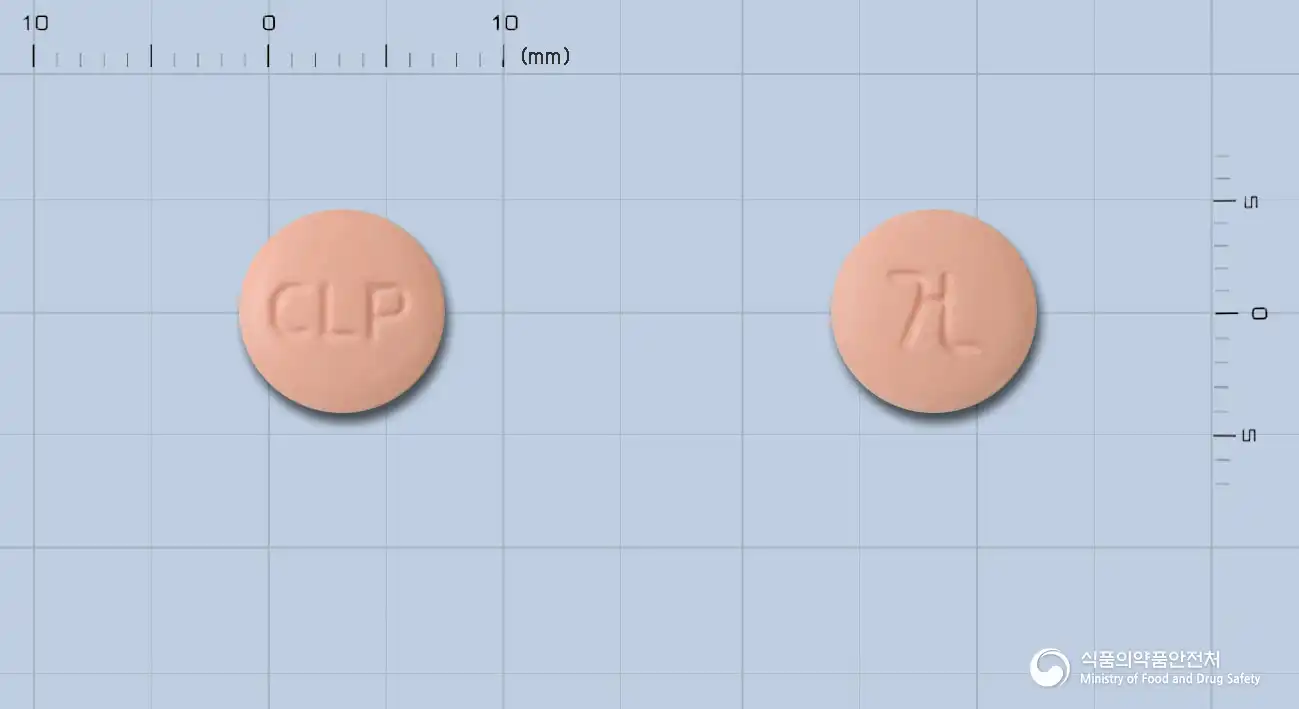
Clopidogrel Bisulfate 97.875mg
Tablet · Prescription medication
Geonil Pharmaceutical Co., Ltd.
Clopidogrel Bisulfate 97.875mg
Tablet · Prescription medication
Sama Pharmaceutical Co., Ltd.
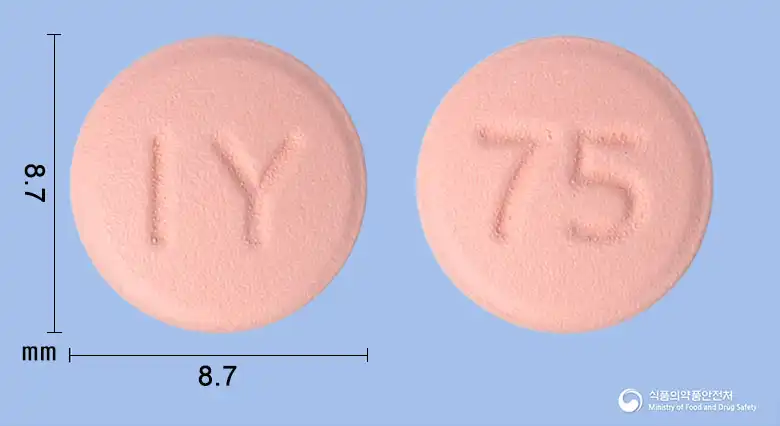
Clopidogrel Bisulfate 97.875mg
Tablet · Prescription medication
Il Yang Pharmaceutical Co., Ltd.
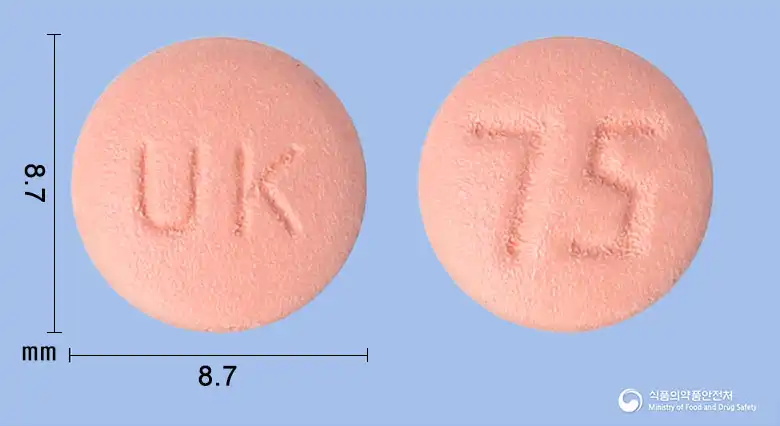
Clopidogrel Bisulfate 97.875mg
Tablet · Prescription medication
Korea Union Pharmaceutical Co., Ltd.

Clopidogrel Bisulfate 97.875mg
Tablet · Prescription medication
(Co., Ltd.) Korea Pharma

Clopidogrel Bisulfate 97.875mg
Tablet · Prescription medication
Samjin Pharmaceutical Co., Ltd.
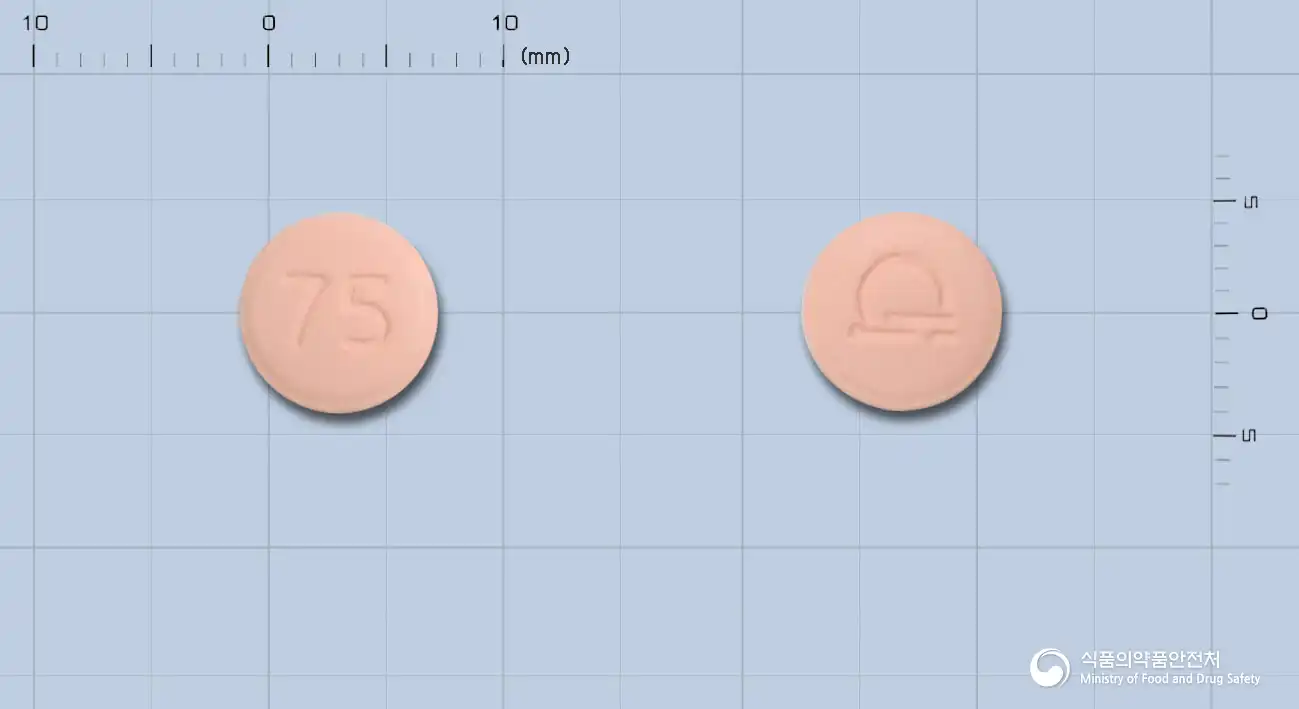
Clopidogrel Bisulfate 97.875mg
Tablet · Prescription medication
Daewon Pharmaceutical Co., Ltd.
Even with the same ingredient, the dose and directions can differ by strength and dosage form. Talk to a doctor or pharmacist before switching from a medication you are already taking.
No questions yet.
For anything that needs medical judgment, consult a doctor or pharmacist.
This drug information is based on data provided by the Korea Ministry of Food and Drug Safety.
Consult a doctor or pharmacist for accurate dosage, administration, and usage instructions.