
 한국어
한국어 English
 日本語
日本語 中文(简体)
 Viewing now
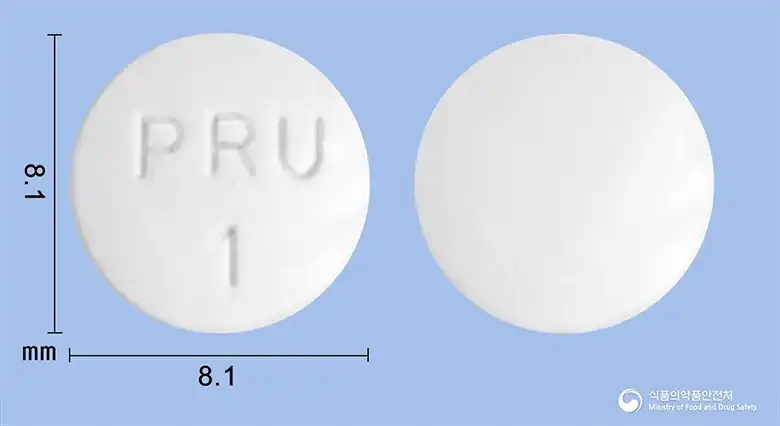
Rezolo Tablet 1mg (Prucalopride Succinate)
Prucalopride Succinate 1.321mg
Tablet · Prescription medication
Hanmi Menarini Co., Ltd.
MFDS item code 201207464 · Approved 2012.10.29
Treatment of chronic constipation symptoms
This medication is used in adults with chronic constipation who have failed to achieve relief from symptoms with conventional laxatives. It helps improve chronic constipation symptoms and promotes bowel movements for easier defecation. Regular use contributes to maintaining bowel health and reducing discomfort.
This medication is administered orally and can be taken at any time of the day, regardless of meals. Adults take 2mg once daily. Patients aged 65 years or older should start with an initial dose of 1mg once daily, which may be increased to 2mg once daily if necessary. Patients with severe renal impairment should take 1mg once daily. For patients with mild to moderate renal impairment, dose adjustment is not needed. In patients with liver impairment,
This medication should not be used in certain patients. Individuals allergic to any component or excipients of this medication should not take it. Patients with severely impaired kidney function requiring dialysis should also not use this medication. It should not be taken by those with perforation or obstruction in the intestines, those with Crohn's disease, or severe inflammatory bowel disease. Additionally, this medication contains lactose, and it should not be administered to patients with lactose intolerance or related genetic disorders. Patients with severely impaired kidney function should use this medication cautiously with a reduced dose. Careful administration is required for patients with serious comorbidities such as liver, heart, lung, neurological, psychiatric disorders, cancer, or endocrine diseases. Special caution is needed for those with a history of arrhythmias or ischemic heart disease. Dosing should also be reduced for patients with severely compromised liver function. Caution is needed when using this medication with other drugs that may affect heart rhythm. Common side effects include headache and gastrointestinal symptoms (abdominal pain, nausea, diarrhea), which mostly occur early in treatment and diminish over time. Additionally, various side effects such as dizziness, tremor, vomiting, fatigue, and increased urination have been reported. If new onset palpitations occur, consultation with a physician is essential. Severe diarrhea may reduce the effectiveness of oral contraceptives, so additional contraceptive methods are recommended. Changes in mental state, such as depression or suicidal thoughts, should be closely monitored during treatment, and any abnormal symptoms should be reported to a physician immediately, and the medication should be discontinued. Drug interactions are generally minimal, but caution is required as the concentration of certain drugs may change when used together. Special caution is necessary when combined with medications that affect heart rhythm, and drugs like atropine may reduce the effectiveness of this medication. Use of this medication during pregnancy is not recommended, and women of childbearing age should use effective contraception during treatment. It is advisable for breastfeeding women to avoid using this medication. The use of this medication in children or adolescents under 18 years of age is not recommended. In cases of overdose, symptoms such as headache, nausea, and diarrhea may occur, and appropriate treatment should be provided based on symptoms. Rehydration may be necessary in the case of severe diarrhea and vomiting leading to fluid and electrolyte loss. This medication may cause dizziness or fatigue when first taken, so caution is advised when driving or operating machinery.
Chest discomfort, ventricular premature contractions
Not everyone experiences these, and they can vary from person to person.
This medication should be stored in a container that blocks light and air, and kept in a cool room temperature, between 1 to 30 degrees Celsius, avoiding areas with high humidity. Storing it this way will help maintain its effectiveness for a longer period.
Round film-coated tablets, white to off-white
28 tablets (7 tablets * 4 PTP)/box
Even with the same ingredient, strength, dosage form and how it is taken can differ.
Viewing nowPrucalopride Succinate 1.321mg
Tablet · Prescription medication
Hanmi Menarini Co., Ltd.
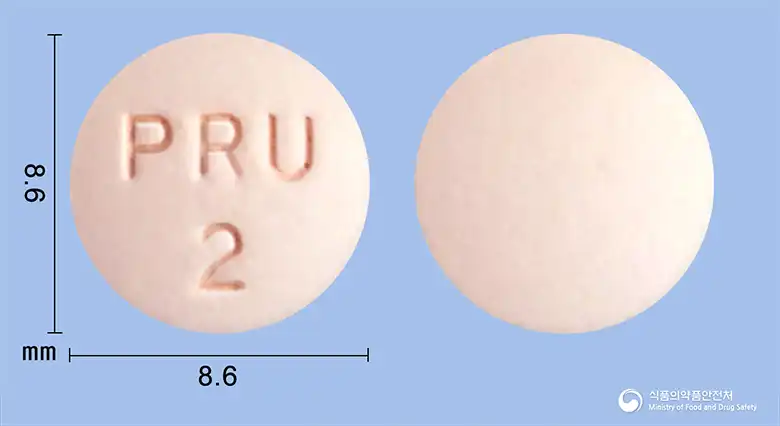
Prucalopride Succinate 2.642mg
Tablet · Prescription medication
Korea Menarini Co., Ltd.
Prucalopride Succinate 1.321mg
Tablet · Prescription medication
Genewon Science Co., Ltd.
Prucalopride Succinate 2.642mg
Tablet · Prescription medication
Genewell Science Co., Ltd.
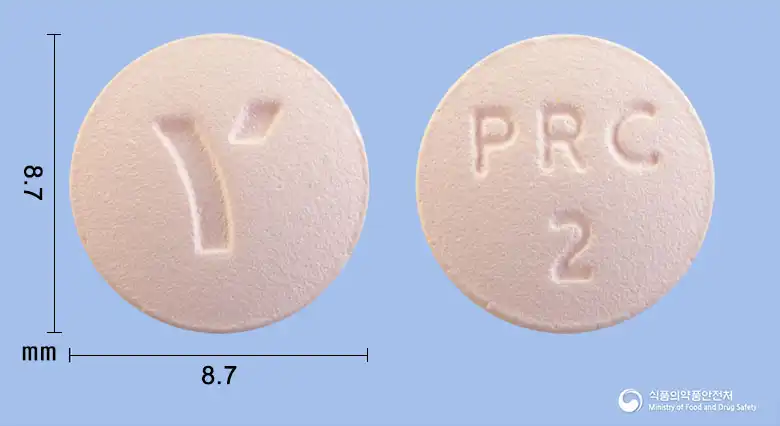
Prucalopride Succinate 2.642mg
Tablet · Prescription medication
Yooyoung Pharmaceutical Co., Ltd.
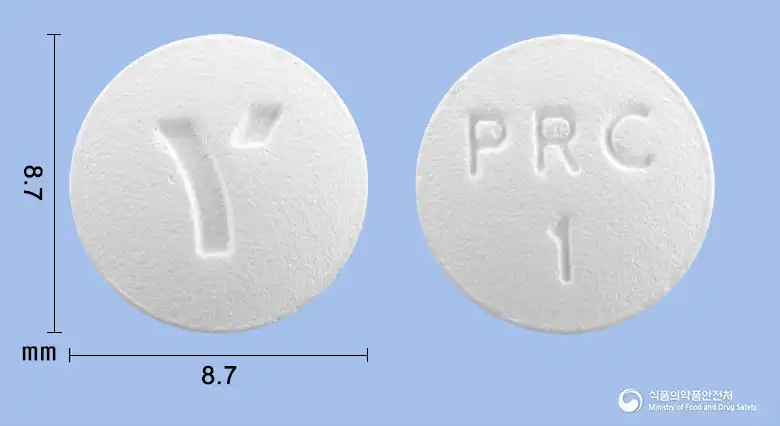
Prucalopride Succinate 1.321mg
Tablet · Prescription medication
YuYoung Pharmaceutical Co., Ltd.
Prucalopride Succinate 1.321mg
Tablet · Prescription medication
Huons Co., Ltd.
Prucalopride Succinate 2.642mg
Tablet · Prescription medication
Huons Co., Ltd.
Even with the same ingredient, the dose and directions can differ by strength and dosage form. Talk to a doctor or pharmacist before switching from a medication you are already taking.
No questions yet.
For anything that needs medical judgment, consult a doctor or pharmacist.
This drug information is based on data provided by the Korea Ministry of Food and Drug Safety.
Consult a doctor or pharmacist for accurate dosage, administration, and usage instructions.