
 한국어
한국어 English
 日本語
日本語 中文(简体)
 Viewing now
Phenocid Capsule (Fenofibric Acid)
Fenofibric Acid 135mg
Hard capsule · Prescription medication
Hanmi Pharmaceutical Co., Ltd.
MFDS item code 201207406 · Approved 2012.10.24 · Insurance code 643506410
Treatment of hypercholesterolemia and hypertriglyceridemia
This medication is primarily used to treat primary dyslipidemia. It is particularly effective for hypercholesterolemia (Type IIa), combined hypercholesterolemia and hypertriglyceridemia (Type IIb), and hypertriglyceridemia (Type IV). It helps to normalize blood lipid levels, thereby reducing the risk of cardiovascular disease. Patients are advised that consistent usage combined with dietary control and exercise will enhance treatment effectiveness. This drug is used to lower cholesterol and triglyceride levels in the blood.
As fenofibric acid, take 135mg (1 capsule) orally once a day, and diet control must be adhered to. This drug can be taken regardless of meals.
This medication should not be used by patients with severely impaired liver function or those with gallbladder problems. Patients with severely reduced kidney function should also not take this medication. It is also advisable for women who are pregnant, potentially pregnant, or breastfeeding to avoid using this medication. It should never be taken if there is an allergic reaction to this drug. Patients with mildly reduced kidney function or a history of issues, patients with weak liver function, and those with low protein levels should exercise more caution when using this drug. Special care is needed for children. Regular liver function tests are important as this medication may cause liver problems. Side effects such as itching, rashes, or hair loss may occur infrequently. There may be instances of dizziness, headaches, or feelings of weakness; caution is advised. Muscle pain or cramps may occur, and in severe cases, rhabdomyolysis may develop, so patients should consult a doctor immediately if symptoms arise. Increased sensitivity to sunlight may cause rashes or inflammation on the skin, so attention should be given to UV protection when going outdoors. Gastrointestinal disturbances such as dyspepsia, nausea, vomiting, and diarrhea may occur. Changes in blood components may require blood tests. Long-term use may affect kidney function, so regular kidney function tests should be performed. Before taking this medication, kidney function status should be confirmed and adjustments in medication dosage or intervals made as necessary. Before administration, an accurate diagnosis of dyslipidemia should be made, and lifestyle improvements like dietary changes, exercise, and blood pressure management should be considered. If there is no treatment effect, medication can be discontinued within 3 months. If acute allergic reactions occur, stop taking the medication immediately and seek emergency treatment. There may be interactions when this medication is used with others, so it is essential to consult with a doctor or pharmacist. Particular caution is needed when used with medications that carry the risk of muscle damage, anticoagulants, hypoglycemic agents, or uric acid treatments. It is safest not to use this medication during pregnancy or breastfeeding for the health of the fetus and baby. Children may experience side effects such as urination difficulties, so caution is advised. Animal studies have reported cases of liver tumors with long-term use, necessitating precaution with prolonged usage.
Not everyone experiences these, and they can vary from person to person.
This medication should be stored in a sealed container to prevent exposure to air or moisture. It is advisable to maintain a storage temperature between 1 degree and 30 degrees Celsius at room temperature.
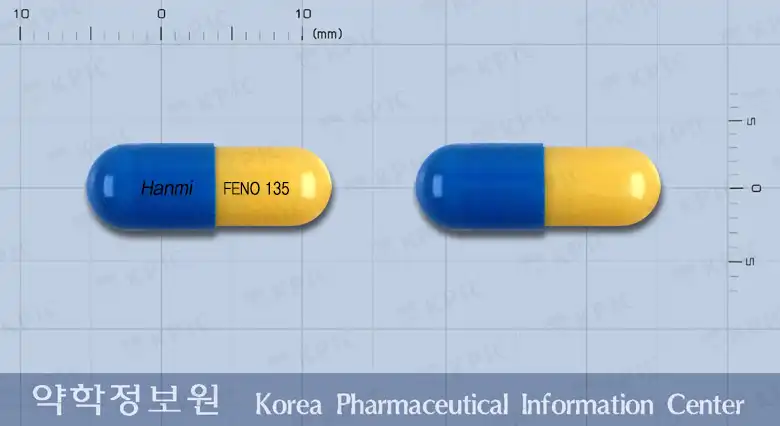
A hard capsule with a dark blue upper part and a yellow lower part containing light yellow granules
30 capsules/bottle, 300 capsules/bottle
Even with the same ingredient, strength, dosage form and how it is taken can differ.
Viewing nowFenofibric Acid 135mg
Hard capsule · Prescription medication
Hanmi Pharmaceutical Co., Ltd.
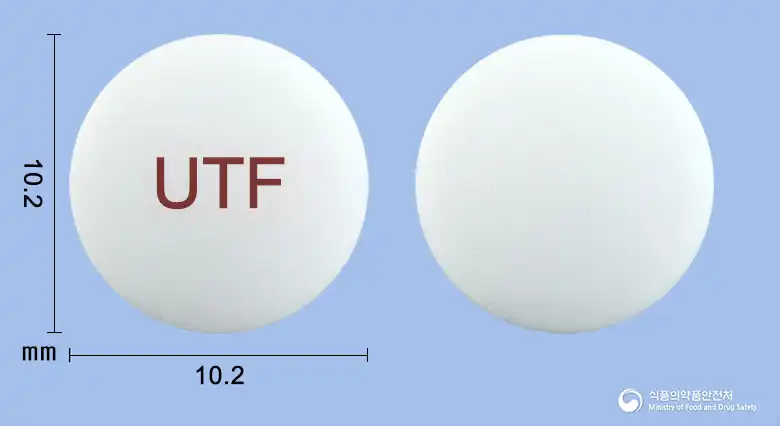
Fenofibric Acid 110mg
Tablet · Prescription medication
Korea United Pharmaceutical Co., Ltd.
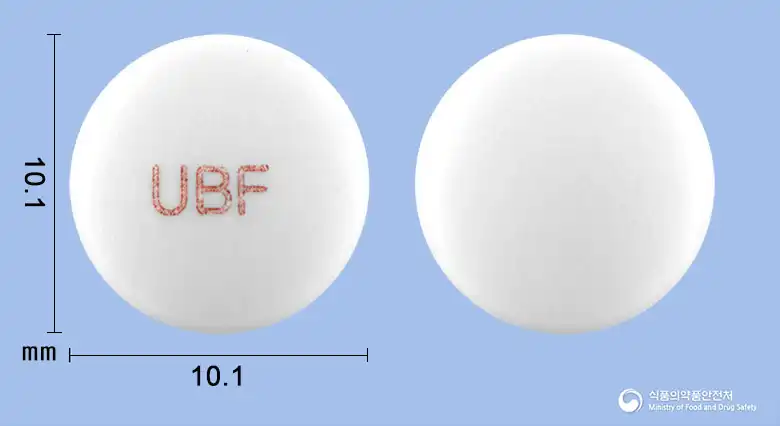
Fenofibric Acid 110mg
Tablet · Prescription medication
Korea Biochem Pharmaceutical Co., Ltd.
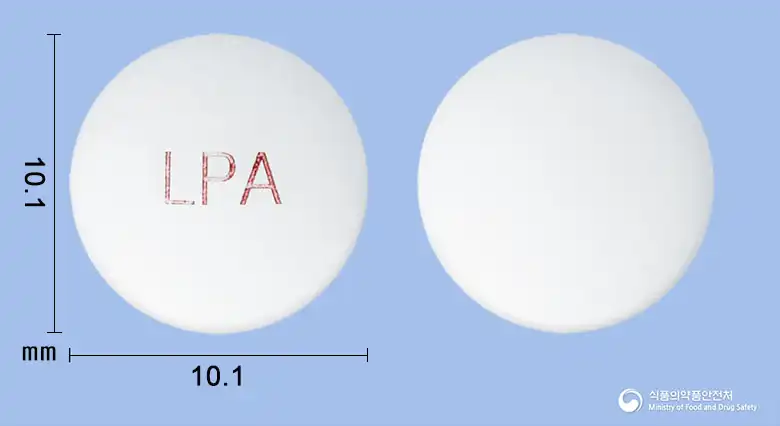
Fenofibric Acid 110mg
Tablet · Prescription medication
Albozen Korea Co., Ltd.
Even with the same ingredient, the dose and directions can differ by strength and dosage form. Talk to a doctor or pharmacist before switching from a medication you are already taking.
No questions yet.
For anything that needs medical judgment, consult a doctor or pharmacist.
This drug information is based on data provided by the Korea Ministry of Food and Drug Safety.
Consult a doctor or pharmacist for accurate dosage, administration, and usage instructions.