
 한국어
한국어 English
 日本語
日本語 中文(简体)
 Viewing now
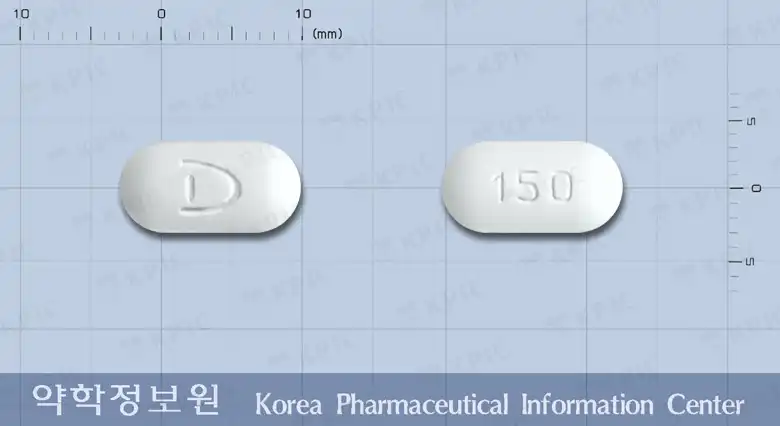
BonGard 150 mg (Ibandronic Acid Sodium Hydrate)
Ibandronate Sodium Monohydrate 168.75mg
Tablet · Prescription medication
Darim Biotech Co., Ltd.
MFDS item code 201207400 · Approved 2012.10.23 · Insurance code 664602070
Improvement of postmenopausal osteoporosis
This medication is used to treat osteoporosis that may occur in postmenopausal women. Due to the decrease in female hormones caused by menopause, bone density decreases, increasing the risk of osteoporosis. This medication helps maintain bone health and reduce the risk of fractures. Therefore, it is effective in preventing and treating postmenopausal osteoporosis.
Take 1 tablet monthly regularly on the same day each month, in the morning, at least 1 hour before consuming food, beverages (except water), or other oral medications or dietary supplements (including calcium) with a sufficient amount of water. This medication must be swallowed standing or sitting upright with a sufficient amount (180-240 mL) of water, and the patient must not lie down for 60 minutes after taking it. Mineral water can reduce the absorption of this medication.
The efficacy and safety in children under 18 years of age have not been studied.
This medication should not be used in certain patients. It should not be administered to patients who are allergic to this drug or its components, patients with untreated hypocalcemia, patients who cannot remain upright for more than 60 minutes, and patients with esophageal function issues that make swallowing difficult. Additionally, this medication contains lactose and should not be used in patients with galactose intolerance or other genetic lactose metabolic disorders. Severe renal failure patients should use this medication with caution, and it is important to treat hypocalcemia and bone and mineral metabolism disorders before starting this medication. This medication can irritate the gastrointestinal mucosa, so patients with upper gastrointestinal diseases such as gastritis, esophagitis, or esophageal ulcer should take precautions. When taking this medication, the patient must remain sitting or standing upright for at least 60 minutes, and if symptoms such as difficulty swallowing, chest pain, or heartburn occur, they should discontinue use immediately and consult a doctor. Caution is necessary when used with non-steroidal anti-inflammatory drugs due to the risk of gastrointestinal irritation. Rare side effects such as osteonecrosis of the jaw and external auditory canal osteonecrosis have been reported during the use of this medication, thus oral examinations before dental treatment are recommended, and excessive dental treatment should be avoided. Moreover, severe bone, joint, or muscle pain may occur, and atypical fractures may occur in the femur and other bones, so if pain occurs, the healthcare provider should be notified immediately. This medication's absorption is reduced when taken with food or multivalent cations such as calcium, aluminum, magnesium, and iron, so these should not be ingested for at least one hour after taking the medication. It is recommended that pregnant or breastfeeding women do not use this medication. No dosage adjustment is required for elderly patients, but safety and efficacy in children under 18 years of age have not been established. In case of overdose, gastrointestinal disturbances and hypocalcemia may occur, and vomiting should not be induced; the patient should maintain an upright position. This medication should be kept out of reach of children, and unused medications should be disposed of properly.
Hives, severe swelling (edema), chest tightness, difficulty breathing, cold sweat, pallor, severe rash with high fever, blisters, skin peeling, pain in oral/eye mucosa, shortness of breath or difficulty breathing, asthma attack, respiratory problems accompanied by coughing and fever, yellowing of skin or eyes (jaundice), extreme lethargy, sudden and severe headache, lightning headache, seizures, confusion, visual disturbances, paralysis, urination changes
Not everyone experiences these, and they can vary from person to person.
This medication should be stored in a tightly closed container to prevent air or moisture from entering, and it is recommended to store it at room temperature between 1 and 30 degrees Celsius. Proper storage will maintain the medication's effectiveness and prevent deterioration.
White to almost white oblong film-coated tablet
1 tablet/PTP packaging x 1/box
Even with the same ingredient, strength, dosage form and how it is taken can differ.
Viewing nowIbandronate Sodium Monohydrate 168.75mg
Tablet · Prescription medication
Darim Biotech Co., Ltd.
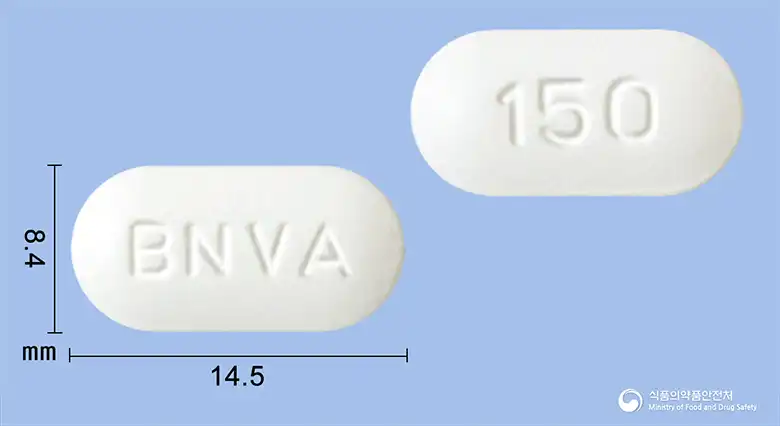
Ibandronate Sodium Monohydrate 168.75mg
Tablet · Prescription medication
Jeil Pharmaceutical Co., Ltd.
Ibandronate Sodium Monohydrate 3.375mg
Solution · Prescription medication
Jeil Pharmaceutical Co., Ltd.
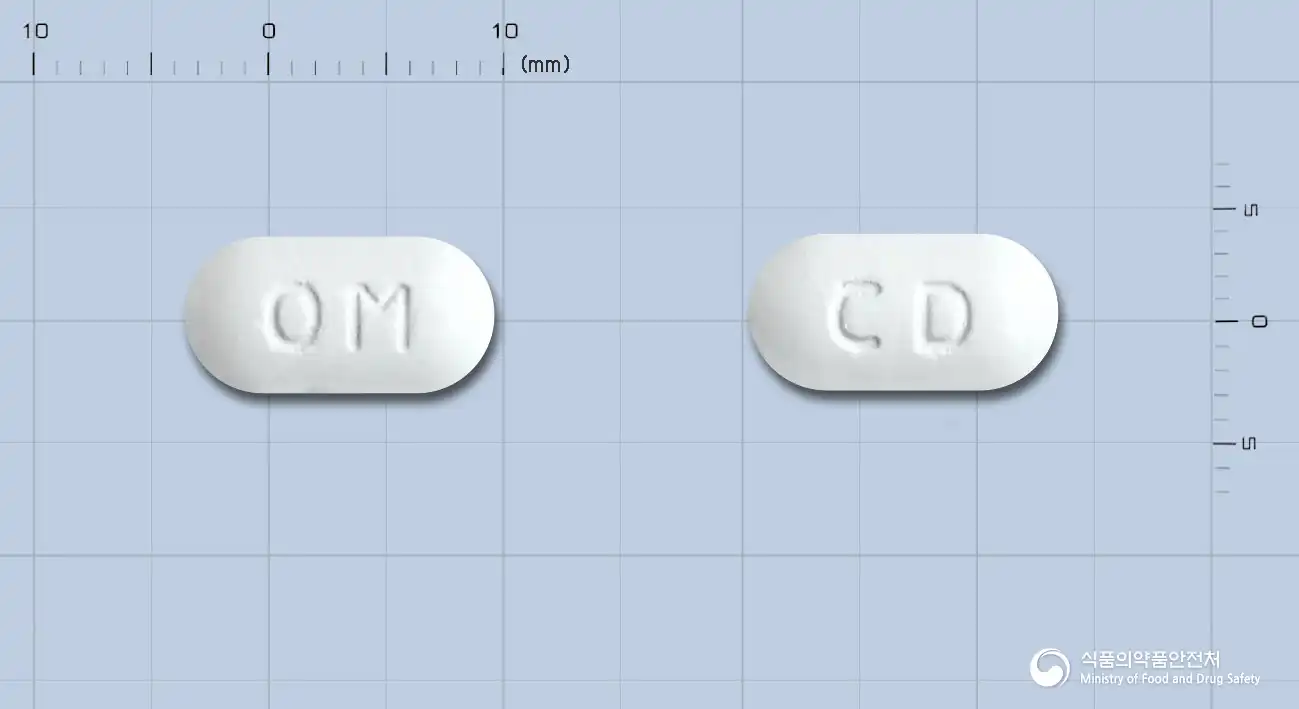
Ibandronate Sodium Monohydrate 168.75mg
Tablet · Prescription medication
Chodang Pharmaceutical Co., Ltd.
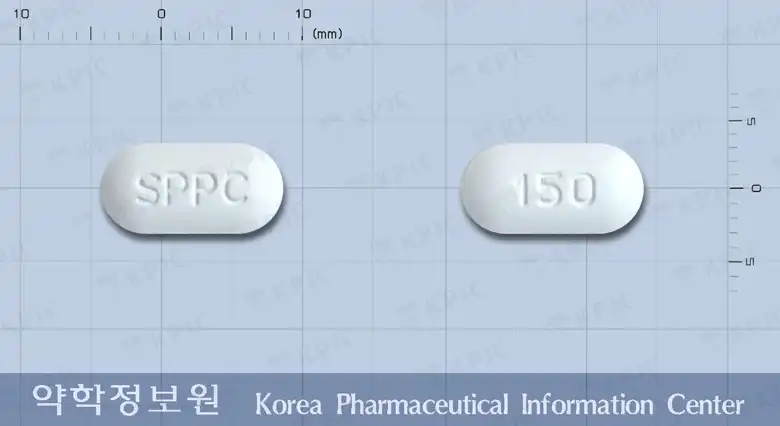
Ibandronate Sodium Monohydrate 168.75mg
Tablet · Prescription medication
Shinpoong Pharmaceutical Co., Ltd.
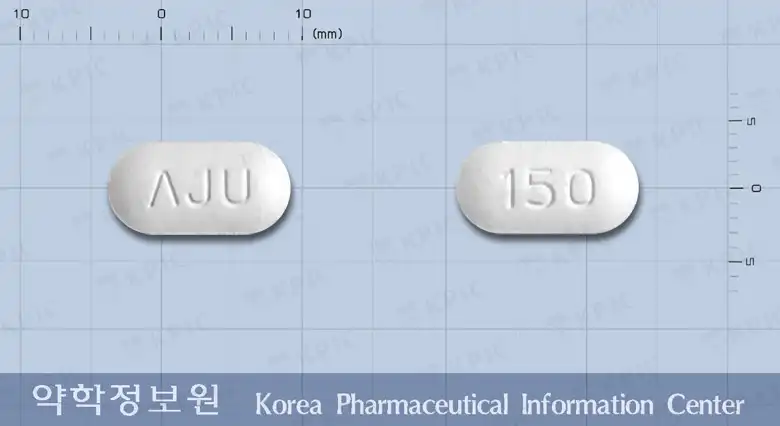
Ibandronate Sodium Monohydrate 168.75mg
Tablet · Prescription medication
Ajou Pharmaceutical Co., Ltd.
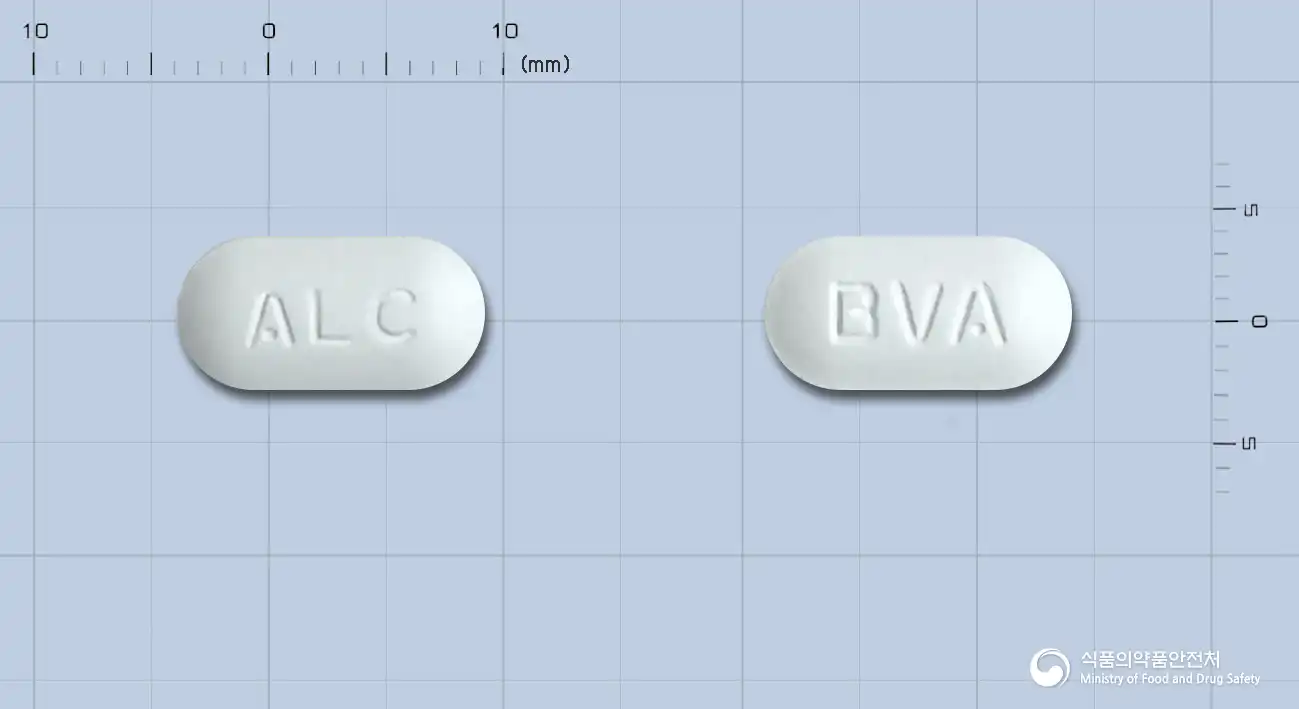
Ibandronate Sodium Monohydrate 168.75mg
Tablet · Prescription medication
Aliko Pharmaceutical Co., Ltd.
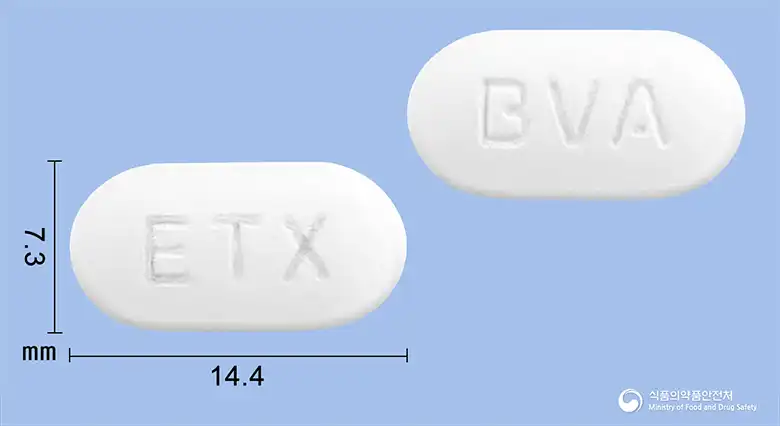
Ibandronate Sodium Monohydrate 168.75mg
Tablet · Prescription medication
Teragen Etex Co., Ltd.
Even with the same ingredient, the dose and directions can differ by strength and dosage form. Talk to a doctor or pharmacist before switching from a medication you are already taking.
No questions yet.
For anything that needs medical judgment, consult a doctor or pharmacist.
This drug information is based on data provided by the Korea Ministry of Food and Drug Safety.
Consult a doctor or pharmacist for accurate dosage, administration, and usage instructions.