
 한국어
한국어 English
 日本語
日本語 中文(简体)
 Viewing nowCombination
Glimepiride Metformin Extended-Release Tablet 2/500 mg
Metformin Hydrochloride 500mg · Glimepiride 2mg
Tablet · Prescription medication · Combination
Hanmi Pharmaceutical Co., Ltd.
MFDS item code 201206847 · Approved 2012.09.19 · Insurance code 643506350
Improvement of blood sugar control in type 2 diabetes
This medication is used as an adjunct to diet and exercise to effectively improve blood sugar control in patients with type 2 diabetes. Glimepiride and metformin work together to stabilize blood sugar levels and aid in health management. Therefore, this medication facilitates smooth blood sugar management and shows positive effects in diabetes treatment.
The initial dosage of this medication is 2/500 mg once daily, and the dosage should be adjusted based on the patient's blood sugar levels and the current medications taken. In case of replacing a combination therapy, the previous total daily dose should be maintained, with a maximum recommended dose of glimepiride 8 mg and metformin 2000 mg. This medication should be taken once daily before or with the main meal. If a dose is missed, it should not be compensated for by taking more than the usual dose next time.
This medication may cause severe lactic acidosis or hypoglycemia, so caution is required. Particularly, if renal function declines sharply, the drug may accumulate in the body, increasing the risk of lactic acidosis; therefore, dosing should be stopped or adjusted if renal function is impaired. If dehydration, severe diarrhea, vomiting, fever, etc., occur, it is advisable to temporarily suspend the use of this medication and consult a physician. Additionally, great care should be taken when using this drug with other medications that can affect renal function. In patients at risk of cardiovascular disease, the use of this medication may be associated with an increased rate of cardiovascular mortality; thus, the risks and benefits of treatment should be thoroughly considered. This medication should not be administered to patients with type 1 diabetes, acute metabolic acidosis, severe liver dysfunction, moderate or greater renal impairment, recent myocardial infarction or heart failure, severe infections, or patients pre- and post-surgery. During the initial dosing, the risk of hypoglycemia is high; therefore, it is important to avoid situations that can induce hypoglycemia, such as irregular meals, malnutrition, excessive exercise, and alcohol intake, and to take immediate action if symptoms occur. This medication can commonly cause gastrointestinal side effects (diarrhea, vomiting, abdominal distension, etc.), and while these symptoms are usually temporary, if severe, discontinuation of the medication may be necessary. Rarely, allergic reactions or blood disorders, vitamin B12 deficiency, abnormal liver function, etc., may occur; therefore, if abnormal symptoms arise, immediate consultation with a physician is necessary. This medication should not be crushed or chewed but taken whole, and during use, regular monitoring of blood sugar, renal function, and blood tests is required. There are many potential interactions with other medications, which may result in changes in blood sugar or side effects, so if there are other medications being taken, it is essential to inform the physician or pharmacist. It is safest for pregnant or breastfeeding women not to use this medication, and insulin therapy is recommended as an alternative if needed. In cases of overdose, serious side effects like hypoglycemia or lactic acidosis may occur, so immediate medical attention is required. Elderly patients commonly experience reduced renal function, and thus dosage adjustments and regular renal function tests may be necessary. During the use of this medication, alcohol consumption should be avoided, and prior to surgery or contrast examinations, it is essential to discontinue this medication and check renal function. Finally, this medication should be kept out of the reach of children and should not be transferred to other containers.
Not everyone experiences these, and they can vary from person to person.
This medication should be stored in a sealed container to prevent exposure to air or moisture, and it is recommended to store at a temperature between 1 degree and 30 degrees Celsius. Storing it this way will maintain the drug's effectiveness and allow for safe use.
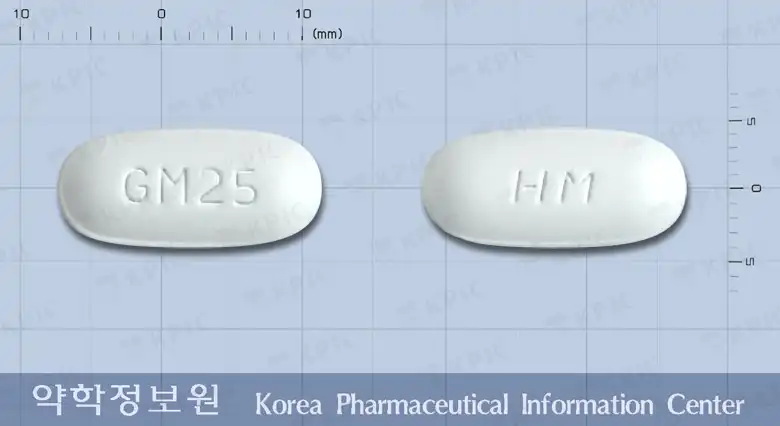
White oblong film-coated tablets
30 tablets/bottle
Even with the same ingredient, strength, dosage form and how it is taken can differ.
Viewing nowCombinationMetformin Hydrochloride 500mg · Glimepiride 2mg
Tablet · Prescription medication · Combination
Hanmi Pharmaceutical Co., Ltd.
 Combination
Metformin Hydrochloride 500mg · Glimepiride 1mg
Tablet · Prescription medication · Combination
Hanmi Pharmaceutical Co., Ltd.
 Combination
Metformin Hydrochloride 500mg · Glimepiride 2mg
Tablet · Prescription medication · Combination
Handok Co., Ltd.
 Combination
Metformin Hydrochloride 500mg · Glimepiride 2mg
Tablet · Prescription medication · Combination
Teragen Etex Co., Ltd.
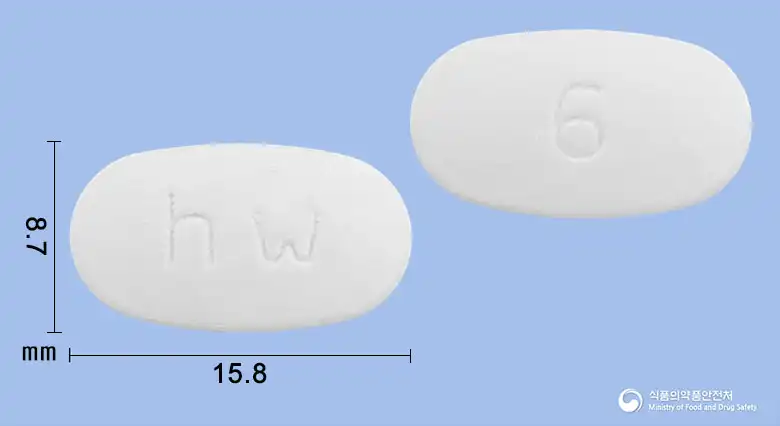 Combination
Glimepiride 2mg · Metformin Hydrochloride 500mg
Tablet · Prescription medication · Combination
Hawon Pharmaceutical Co., Ltd.
Metformin Hydrochloride 500mg · Glimepiride 2mg
Tablet · Prescription medication · Combination
TDS Pharm Co., Ltd.
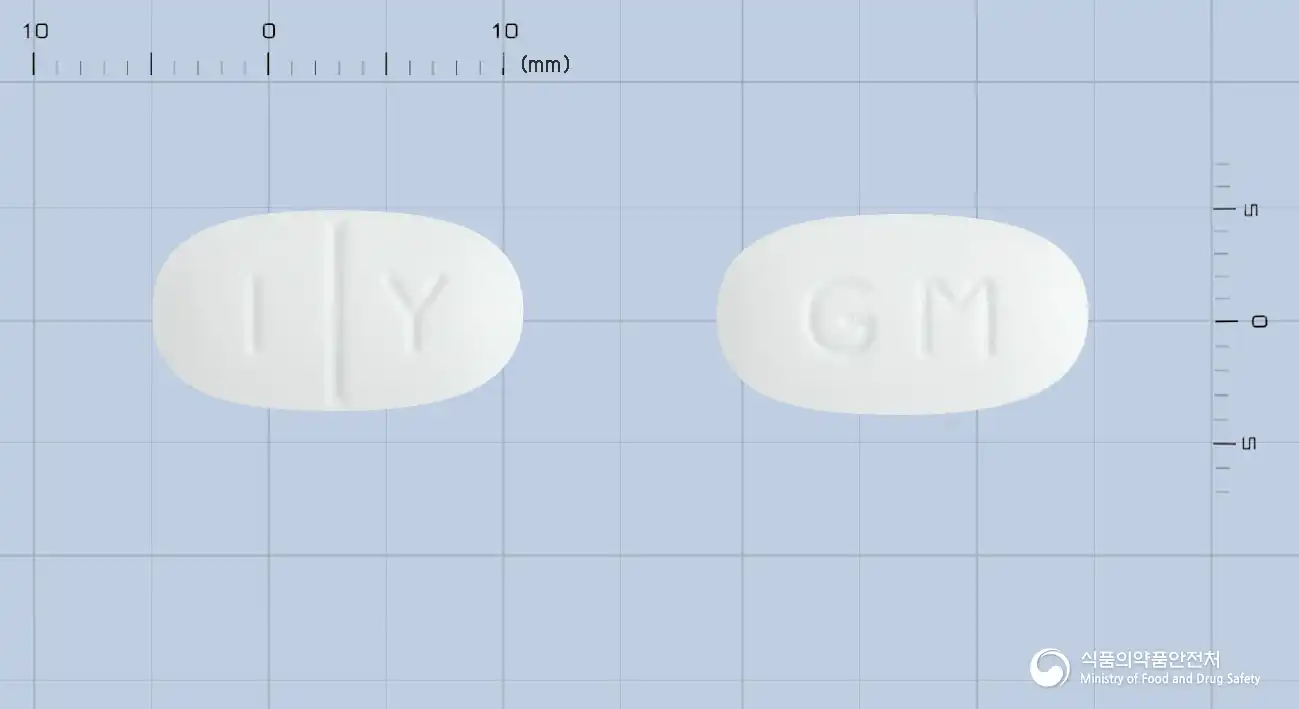 Combination
Glimepiride 2mg · Metformin Hydrochloride 500mg
Tablet · Prescription medication · Combination
Il Yang Pharmaceutical Co., Ltd.
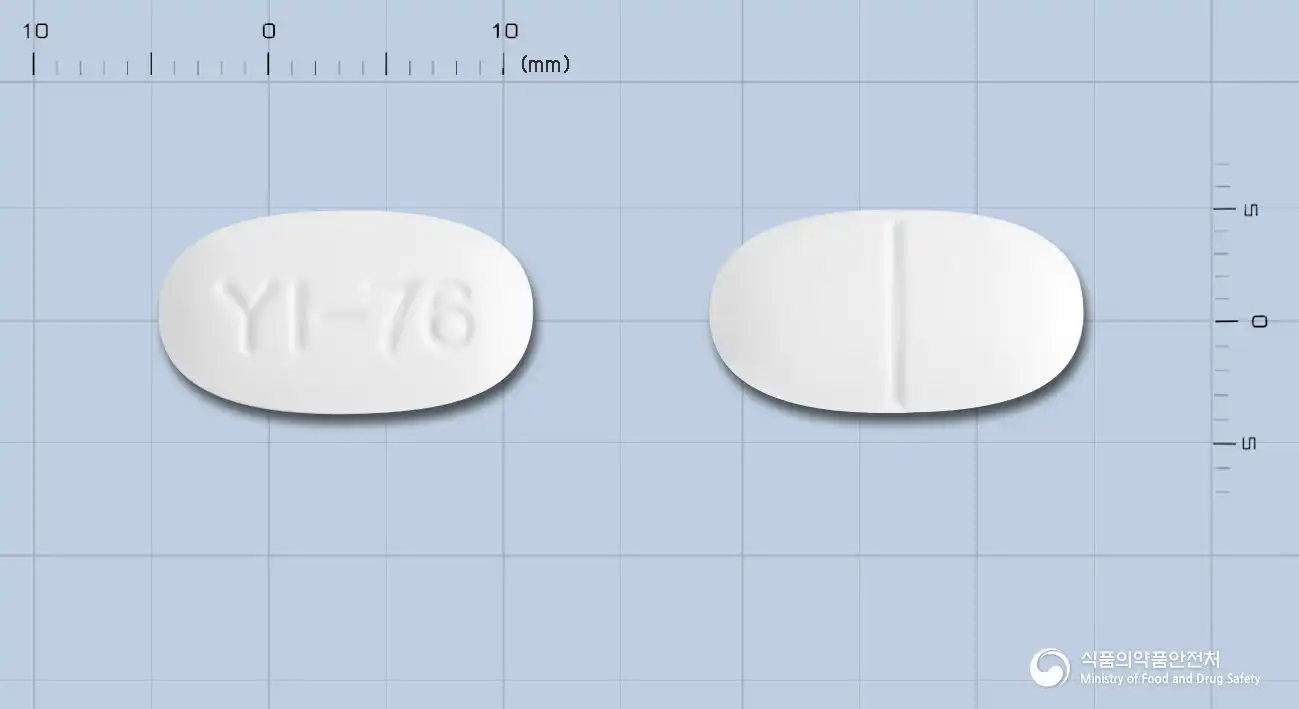 Combination
Glimepiride 2mg · Metformin Hydrochloride 500mg
Tablet · Prescription medication · Combination
Youngil Pharmaceutical Co., Ltd.
Even with the same ingredient, the dose and directions can differ by strength and dosage form. Talk to a doctor or pharmacist before switching from a medication you are already taking.
No questions yet.
For anything that needs medical judgment, consult a doctor or pharmacist.
This drug information is based on data provided by the Korea Ministry of Food and Drug Safety.
Consult a doctor or pharmacist for accurate dosage, administration, and usage instructions.