
 한국어
 English
 日本語
 中文(简体)
 Viewing now
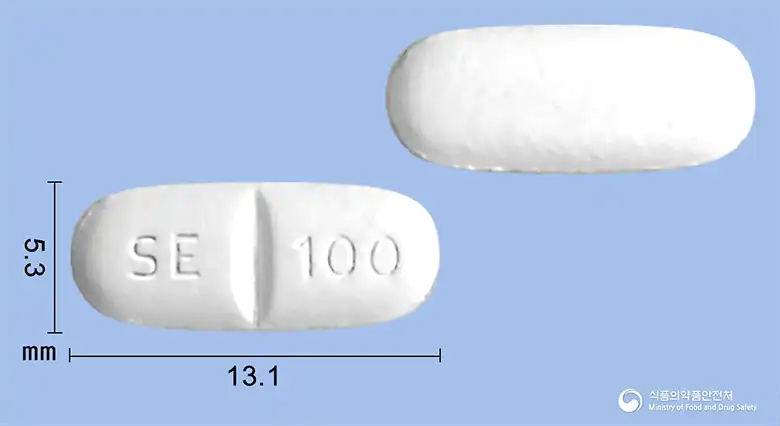
Sandoz Sertraline Tablets 100 Milligrams (Sertraline Hydrochloride)
Sertraline Hydrochloride 111.9mg
Tablet · Prescription medication
Samil Pharmaceutical Co., Ltd.
MFDS item code 201206823 · Approved 2012.09.17 · Insurance code 668101160
Treatment of depression, premenstrual dysphoric disorder, anxiety and stress disorders (including panic disorder), and obsessive-compulsive disorder
This medication is effective for the treatment of depression and is used to improve obsessive-compulsive disorder in both adults and children. It also alleviates symptoms of panic disorder and post-traumatic stress disorder, and is beneficial for treating social anxiety disorder or social phobia. It helps improve symptoms of premenstrual dysphoric disorder. It is widely used to improve various mental health issues.
Depression and obsessive-compulsive disorder: The initial dose is 50 mg of sertraline once daily by mouth. The maintenance dose is 50-100 mg per day. If the effect is inadequate, the dose may be increased by 50 mg at a time up to a maximum of 200 mg per day, with dose adjustments made at intervals of at least 1 week. Panic disorder, post-traumatic stress disorder, and social anxiety disorder: Start with a dose of 25 mg once daily, and increase the dose to 50 mg once daily after 1 week. Doses of 50-200 mg per day may be used to achieve a clinical therapeutic effect. For patients who do not respond to a dose of 50 mg once daily, the dose may be increased up to a maximum of 200 mg per day. Dose adjustments should be made at intervals of at least 1 week. This medicine should be taken once daily, regardless of whether it is taken in the morning or evening. For continued maintenance therapy, adjust the dose to the lowest effective level, taking the patient's response into account. Premenstrual dysphoric disorder: Take a dose of 50 mg once daily either continuously throughout the menstrual cycle or only during the luteal phase. For continuous dosing throughout the menstrual cycle, patients who do not respond to a dose of 50 mg once daily may increase the dose by 50 mg starting on day 1 of the next menstrual cycle, up to a maximum of 150 mg once daily. For dosing only during the luteal phase, patients who do not respond to a dose of 50 mg once daily may increase the dose up to a maximum of 100 mg once daily. In this case, administer 50 mg once daily on days 1-3 of the luteal phase and 100 mg once daily from day 4 until the onset of menstruation. Elderly patients: No special dosage adjustment is necessary. Adjust the dose appropriately according to symptoms. Switching from MAO inhibitors used to treat psychiatric disorders: If discontinuing an MAO inhibitor used to treat psychiatric disorders and starting treatment with this medicine, an interval of at least 14 days must be allowed. Conversely, if starting an MAO inhibitor to treat psychiatric disorders, at least 14 days must have elapsed after discontinuing this medicine. Patients receiving linezolid or intravenous methylene blue should not start this medicine. If it becomes necessary to urgently administer linezolid or intravenous methylene blue to a patient already receiving this medicine, this medicine may be stopped immediately and linezolid or intravenous methylene blue administered. Patients should be monitored for symptoms of serotonin syndrome for 2 weeks after administration of linezolid or intravenous methylene blue, or until 24 hours after the last dose, whichever comes first. Treatment with this medicine may be restarted 24 hours after the last dose of linezolid or intravenous methylene blue. Administration of methylene blue by a non-intravenous route (oral tablets or local injection), or intravenous administration of this medicine at a dose of 1mg/kg or less
6-12 years: Obsessive-compulsive disorder; start treatment at 25 mg once daily. For patients who do not respond to a dose of 25 mg once daily, the dose may be increased up to a maximum of 200 mg per day. 13-17 years: Obsessive-compulsive disorder; start treatment at 50 mg once daily. For patients who do not respond to a dose of 50 mg once daily, the dose may be increased up to a maximum of 200 mg per day. 6-17 years: Doses in the range of 25-200 mg/day have been administered to pediatric patients with obsessive-compulsive disorder.
This medication may increase the risk of suicidal thoughts or behaviors when used in children, adolescents, or young adults with depression or psychiatric disorders; therefore, careful monitoring is required. Serotonin syndrome, a serious side effect, may occur during treatment with this medication, so if any changes in mental status, high fever, tremors, vomiting, or similar symptoms occur, consult a doctor immediately. Co-administration with MAO inhibitors can lead to dangerous side effects, so MAO inhibitors should not be used during treatment or within 14 days after discontinuing this medication. When used with other serotonergic medications, there is an increased risk of side effects, thus following medical advice is essential. Patients with moderate to severe liver dysfunction, a history of hypersensitivity to this medication, or those taking certain medications should not use this medication. Patients with epilepsy or slightly impaired liver function should be closely monitored as there is a risk of seizures when using this medication. Caution is needed when driving or operating hazardous machinery, particularly avoiding co-administration with sedatives. This medication may lead to suicidal tendencies or worsening of psychiatric symptoms with prolonged use, so a careful observation is particularly important during the initial weeks. Women who are pregnant or may become pregnant should be careful with this medication as it may affect the fetus, and should decide with medical consultation. If breastfeeding, it's important to consult a healthcare professional as this medication may be present in breast milk. Serious side effects may occur in case of overdose, so the dosing regimen must be strictly observed, and any decision to discontinue use should be discussed with a physician. This medication should be stored out of reach of children, and it's best not to transfer it to another container.
Increased suicidal tendencies, serotonin syndrome, neuroleptic malignant syndrome, leukopenia, thrombocytopenia, hypersensitivity, pseudoanaphylactic reaction, hypothyroidism, abnormal secretion of antidiuretic hormone, hyperprolactinemia, decreased appetite, increased appetite, diabetes mellitus, hyponatremia, hypoglycemia, hyperglycemia, insomnia, depressive symptoms, decreased libido, restlessness, anxiety, hallucinations, aggression, euphoria, confusion, bruxism, psychotic disorder, nightmares, drowsiness, dizziness, headache, paresthesia, muscle rigidity, tremor, involuntary muscle contractions, coma, seizures, syncope, extrapyramidal disorder, hyperactivity, akathisia, migraine, sensory reduction, abnormal muscle tension, visual impairment, mydriasis, periorbital edema, tinnitus, palpitations, tachycardia, Torsade de Pointes, facial flushing, bleeding, hypertension, cerebral vasoconstriction, yawning, bronchospasm, nasal bleeding, eosinophilic pneumonia, pulmonary hypertension, diarrhea, dry mouth, nausea, vomiting, abdominal pain, constipation, dyspepsia, gastrointestinal bleeding, pancreatitis, liver damage, rash, hyperhidrosis, urticaria, purpura, pruritus, alopecia, toxic epidermal necrolysis, Stevens-Johnson syndrome, angioedema, exfoliative rash, photosensitive skin reaction, arthralgia, muscle spasm, rhabdomyolysis, trismus, urinary retention, incontinence, hematuria, nocturnal enuresis, ejaculation disorder, sexual dysfunction, irregular menstruation, priapism, galactorrhea, gynecomastia, postpartum hemorrhage, fatigue, chest pain, malaise, gait disorder, facial edema, peripheral edema, fever, weakness, drug withdrawal syndrome, increased alanine aminotransferase, increased aspartate aminotransferase, weight loss, weight gain, abnormal laboratory tests, prolonged QT interval on ECG, abnormal platelet function test, increased serum cholesterol, fracture
Not everyone experiences these, and they can vary from person to person.
This medication should be stored in a tightly sealed container, protected from air and moisture. It is advisable to keep it at room temperature between 1 to 30 degrees Celsius. By doing so, the medication's effectiveness can be maintained for a longer period.
White, oblong film-coated tablet with a scoring line on one side
30 tablets/bottle, 100 tablets/bottle
Even with the same ingredient, strength, dosage form and how it is taken can differ.
Viewing nowSertraline Hydrochloride 111.9mg
Tablet · Prescription medication
Samil Pharmaceutical Co., Ltd.
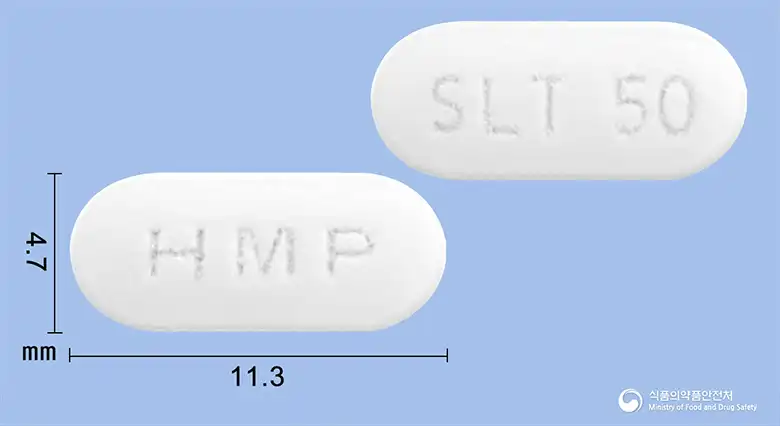
Sertraline Hydrochloride 55.95mg
Tablet · Prescription medication
Hanmi Pharmaceutical Co., Ltd.
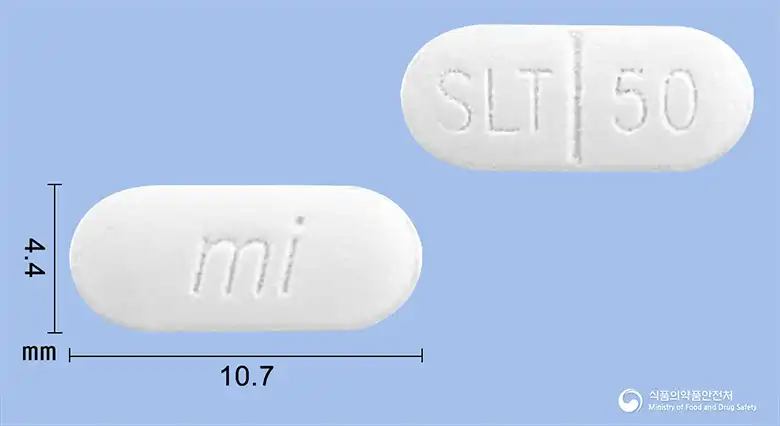
Sertraline Hydrochloride 55.95mg
Tablet · Prescription medication
Myungin Pharmaceutical Co., Ltd.
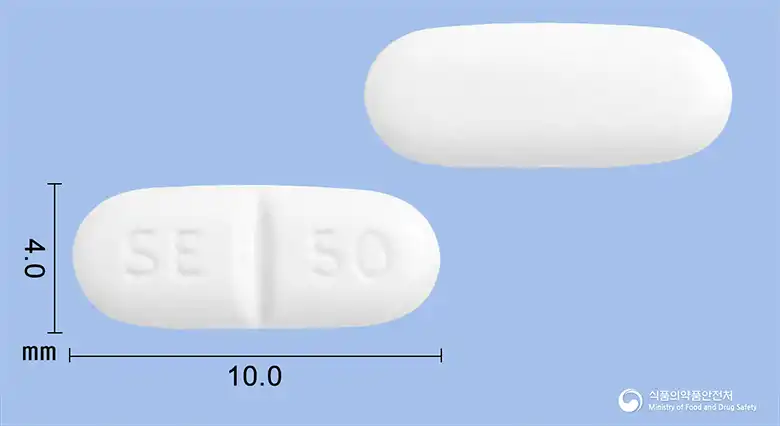
Sertraline Hydrochloride 55.95mg
Tablet · Prescription medication
Samil Pharmaceutical Co., Ltd.
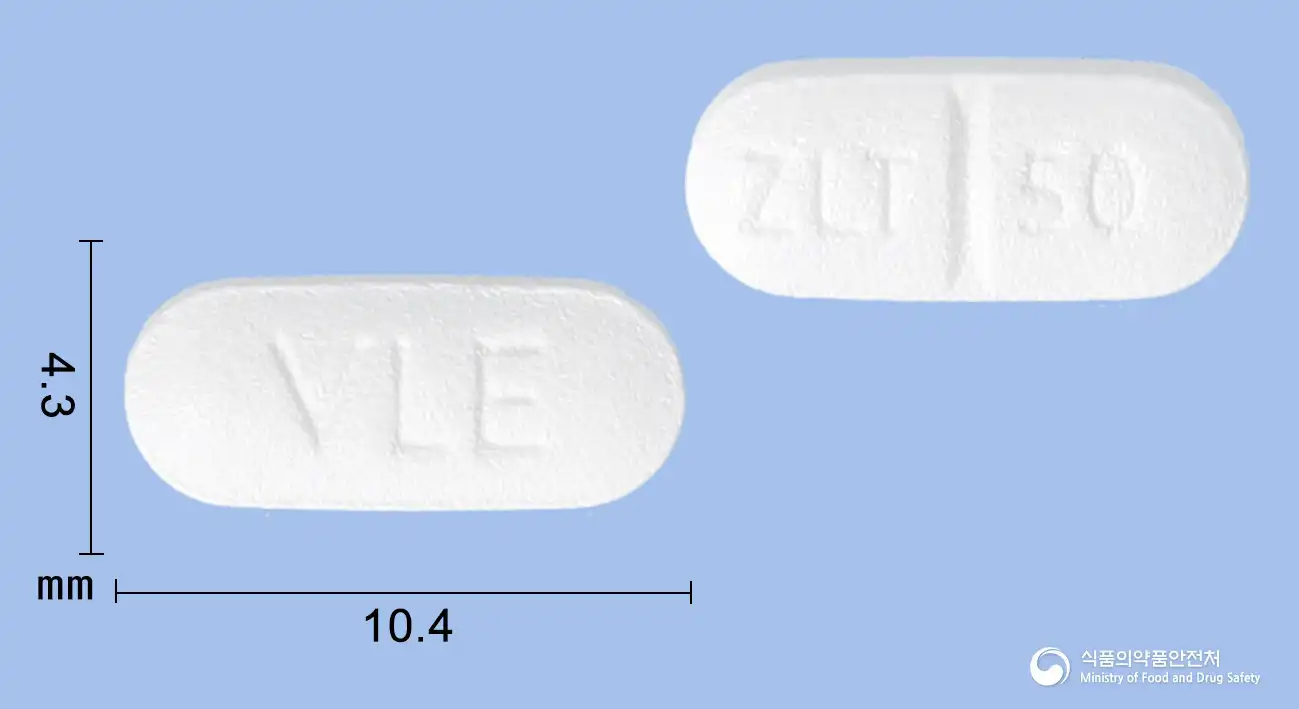
Sertraline Hydrochloride 55.95mg
Tablet · Prescription medication
Viatris Korea Co., Ltd.
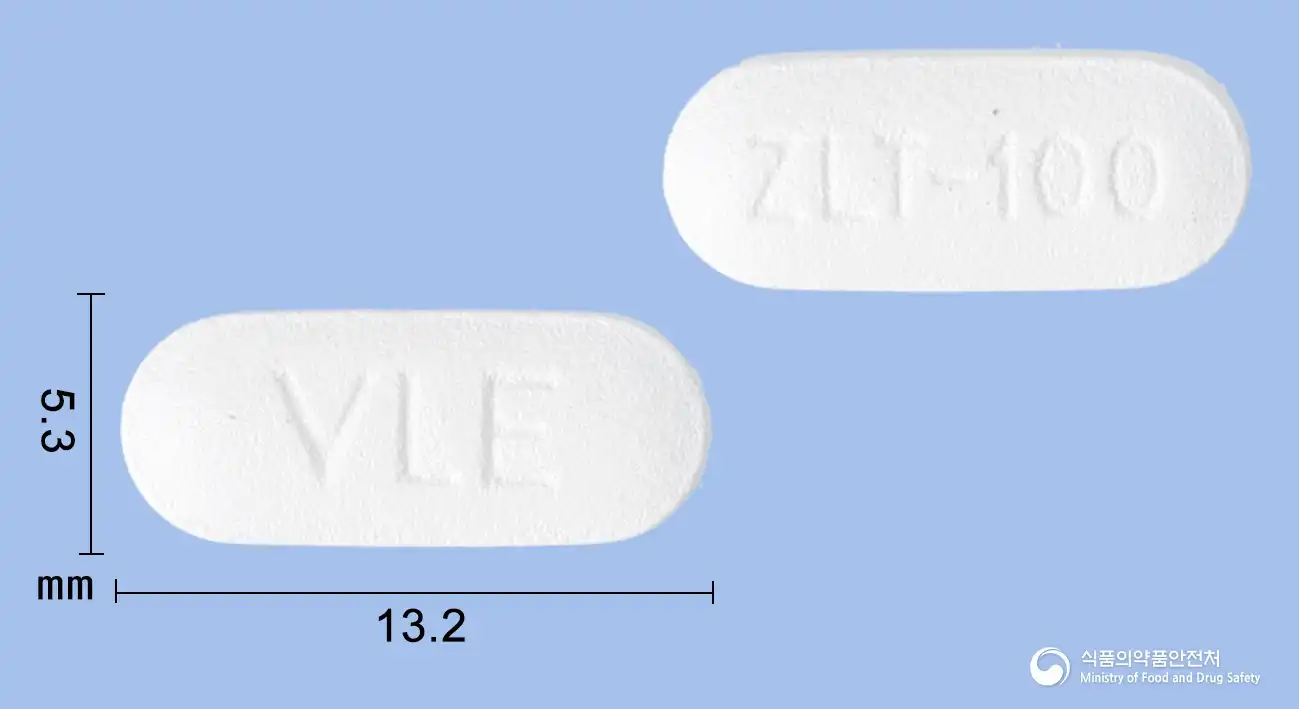
Sertraline Hydrochloride 111.9mg
Tablet · Prescription medication
Viatris Korea Co., Ltd.
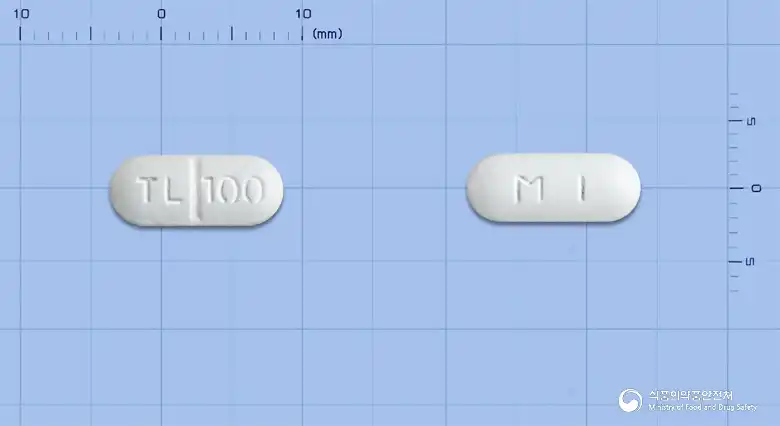
Sertraline Hydrochloride 111.9mg
Tablet · Prescription medication
Myungjin Pharmaceutical Co., Ltd.
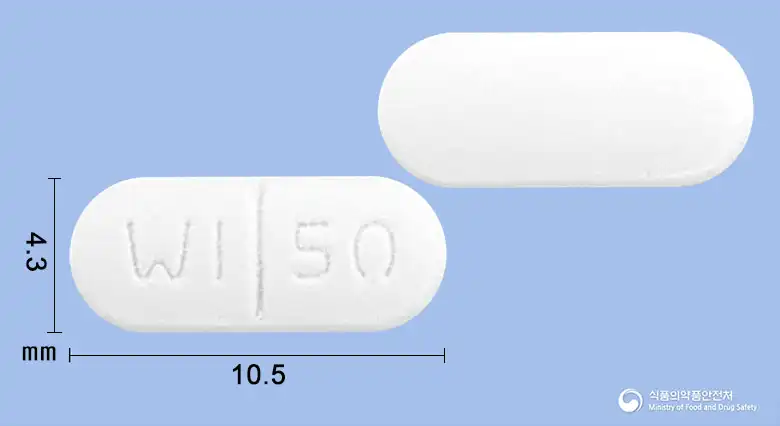
Sertraline Hydrochloride 55.95mg
Tablet · Prescription medication
Han-in Pharmaceutical Co., Ltd.
Even with the same ingredient, the dose and directions can differ by strength and dosage form. Talk to a doctor or pharmacist before switching from a medication you are already taking.
No questions yet.
For anything that needs medical judgment, consult a doctor or pharmacist.
This drug information is based on data provided by the Korea Ministry of Food and Drug Safety.
Consult a doctor or pharmacist for accurate dosage, administration, and usage instructions.