
 한국어
한국어 English
 日本語
日本語 中文(简体)
Dosage form image
Viewing nowCombinationSebika HCT Tablet 10/40/25 Milligrams
Olmesartan Medoxomil · Amlodipine Besylate +1 more
Prescription medication · Combination
Korea Daiichi Sankyo Co., Ltd.
MFDS item code 201206781 · Approved 2012.09.13
This product's status changed to Expired on 2023.09.13. It may no longer be sold, so consult a doctor or pharmacist before taking it.
Improvement in blood pressure control for essential hypertension
Amlodipine and Olmesartan Medoxomil are used to treat essential hypertension, which is high blood pressure of unknown cause. These medications lower blood pressure through different mechanisms, reducing the burden on the cardiovascular system. Amlodipine dilates blood vessels to lower blood pressure, while Olmesartan Medoxomil blocks hormonal actions that raise blood pressure. When used in combination, they can effectively manage blood pressure even in cases where monotherapy is insufficient, helping to reduce risks of heart disease or stroke. Therefore, combination therapy improves blood pressure control in essential hypertension.
This drug should be taken once daily with water, regardless of meals. It is recommended to take it at the same time each day (e.g., in the morning). The recommended dosage is as follows: - 5/20/12.5mg: Administered to patients whose blood pressure is not adequately controlled with the combination of Amlodipine/Olmesartan Medoxomil 5/20mg. - 5/40/12.5mg: Administered to patients whose blood pressure is not adequately controlled with the combination of Amlodipine/Olmesartan Medoxomil 5/40mg.
Safety and efficacy in pediatric patients under 18 years of age have not been established; therefore, administration of this medication is not recommended.
This medication can cause serious harm to the fetus and newborn during the second and third trimesters of pregnancy, so it should be discontinued immediately if pregnancy is confirmed. This drug should not be used in patients with allergies to the ingredients or similar drugs, pregnant or breastfeeding women, patients with severe hypotension, or those with major issues concerning the heart, kidneys, or liver. Patients with reduced blood volume, impaired kidney function, or liver disease should be especially cautious when using this medication, as it may cause side effects such as hypotension or worsening kidney function, so their condition should be monitored closely. This drug can lower blood pressure, which may cause dizziness or lightheadedness, so caution is required when driving or operating hazardous machinery. During treatment with this drug, regular blood tests to monitor electrolyte levels and kidney function are important, as there is a risk of potassium levels becoming too high or too low. Some patients may experience side effects such as skin allergies, indigestion, headaches, swelling, fatigue, etc., and in rare cases, serious allergic reactions or liver function abnormalities have been reported. Particularly, the skin may become sensitive to sunlight; therefore, prolonged exposure to sunlight should be avoided, and any adverse reactions should be reported to a physician immediately. This drug may interact with other antihypertensive medications, diuretics, or non-steroidal anti-inflammatory drugs, so if other medications are being taken, it is essential to inform the doctor or pharmacist. Women who are pregnant or planning to become pregnant should avoid this medication, and nursing women should also avoid use or consult a specialist. Safety and efficacy in children under 18 have not been established, so administration to this age group is not recommended. Overdosage may result in severe hypotension or arrhythmias; therefore, seek immediate medical attention for appropriate treatment. This drug should be stored in a place protected from moisture, heat, and direct sunlight, out of reach of children, and it is advised not to change the storage container.
Urticaria, severe swelling (edema), anaphylaxis, acute renal failure, renal failure, thrombocytopenia, jaundice, hepatitis, jaundice (cholestatic jaundice), toxic skin necrosis, Stevens-Johnson syndrome, Quincke's edema, vasculitis (including necrotizing vasculitis), thrombosis, embolism, myocardial infarction, arrhythmias (including bradycardia, ventricular tachycardia, and atrial fibrillation), dyspnea, respiratory distress syndrome, pulmonary edema, acute respiratory distress syndrome (ARDS)
Not everyone experiences these, and they can vary from person to person.
This medication may be sensitive to air or moisture, so it should be stored in a tightly sealed container. It is recommended to maintain a storage temperature between 1 and 30 degrees Celsius.
Grayish-red oval film-coated tablet
Manufacturer packing unit
Even with the same ingredient, strength, dosage form and how it is taken can differ.
Olmesartan Medoxomil · Amlodipine Besylate +1 more
Prescription medication · Combination
Korea Daiichi Sankyo Co., Ltd.
Olmesartan Medoxomil · Amlodipine Besylate +1 more
Prescription medication · Combination
Hanmi Daiichi Sankyo Co., Ltd.
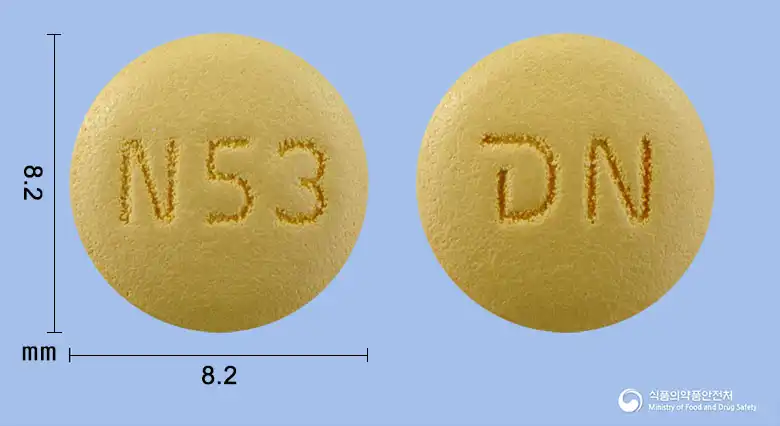 Combination
Olmesartan Medoxomil 40mg · Amlodipine Besylate 6.944mg +1 more
Tablet · Prescription medication · Combination
Daehan Newpharm Co., Ltd.
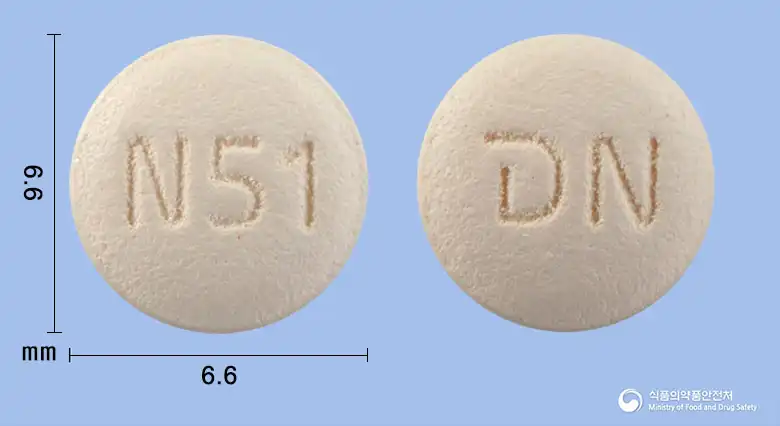 Combination
Olmesartan Medoxomil 20mg · Amlodipine Besylate 6.944mg +1 more
Tablet · Prescription medication · Combination
Daehan New Pharm Co., Ltd.
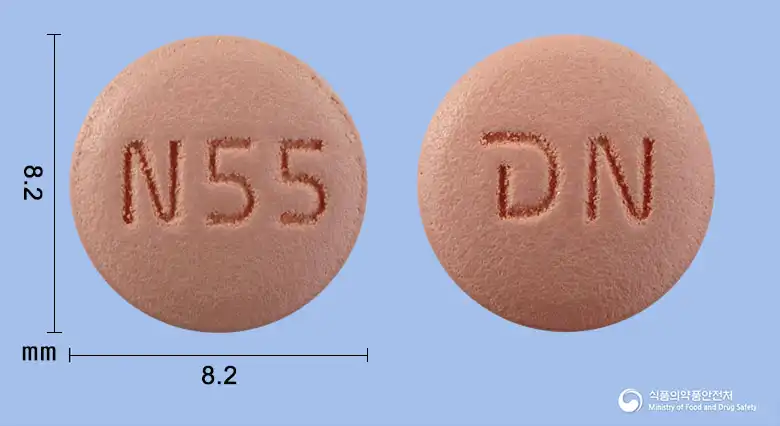 Combination
Olmesartan Medoxomil 40mg · Amlodipine Besylate 13.888mg +1 more
Tablet · Prescription medication · Combination
Daehan Newpharm Co., Ltd.
Amlodipine Besylate 13.888mg · Olmesartan Medoxomil 40mg +1 more
Tablet · Prescription medication · Combination
Shinil Pharmaceutical Co., Ltd.
Olmesartan Medoxomil 40mg · Amlodipine Besylate 6.944mg +1 more
Tablet · Prescription medication · Combination
FarmGen Science Co., Ltd.
Olmesartan Medoxomil 20mg · Amlodipine Besylate 6.944mg +1 more
Tablet · Prescription medication · Combination
Palmgen Science Co., Ltd.
Even with the same ingredient, the dose and directions can differ by strength and dosage form. Talk to a doctor or pharmacist before switching from a medication you are already taking.
No questions yet.
For anything that needs medical judgment, consult a doctor or pharmacist.
This drug information is based on data provided by the Korea Ministry of Food and Drug Safety.
Consult a doctor or pharmacist for accurate dosage, administration, and usage instructions.