
 한국어
한국어 English
 日本語
日本語 中文(简体)
 Viewing now
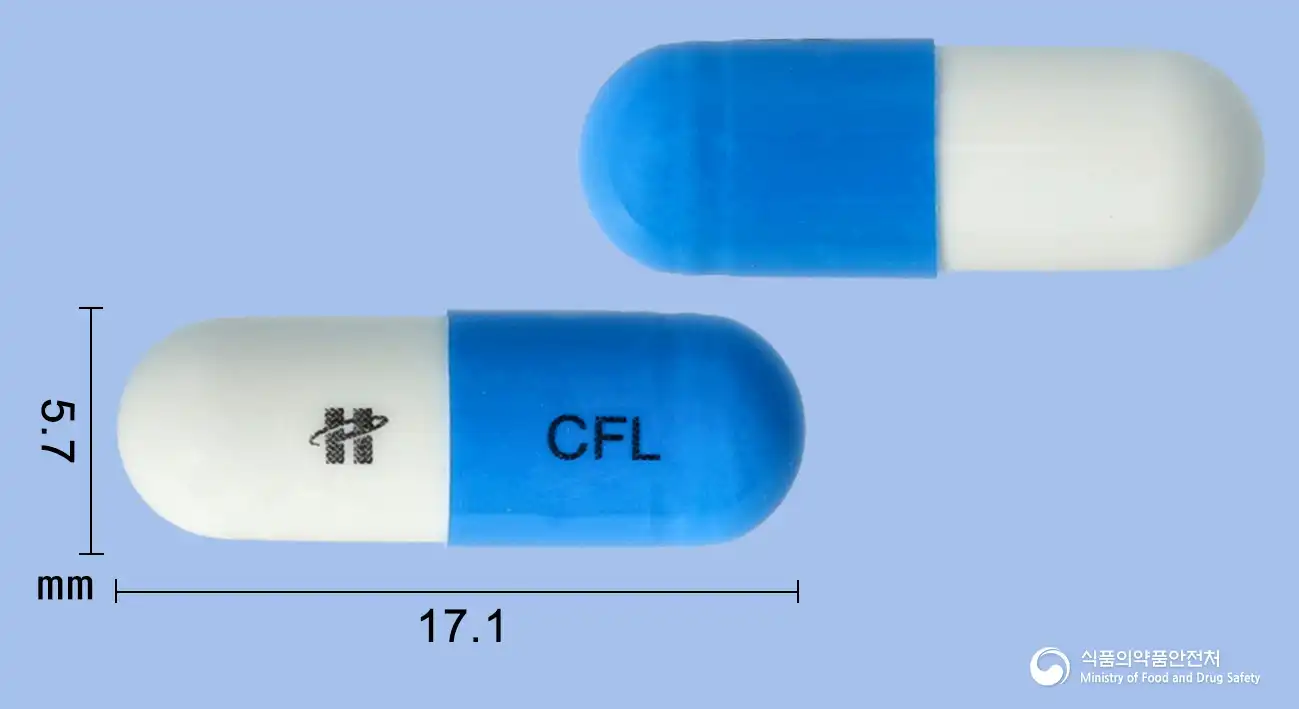
Hyucler Capsule (Cefaclor Hydrate)
Cefaclor Hydrate 250mg
Hard capsule · Prescription medication
Humedics Co., Ltd.
MFDS item code 201206594 · Approved 2012.08.27 · Insurance code 683100730
Treatment of otitis media, respiratory infections (pneumonia, pharyngitis), and urinary tract infections (pyelonephritis, cystitis)
This medication is effective against various harmful bacteria such as Streptococcus pneumoniae, influenza bacteria, Staphylococcus, and Escherichia coli. It is used for respiratory infections such as otitis media, pneumonia, pharyngitis, tonsillitis, and bronchitis, as well as urinary tract infections such as pyelonephritis, cystitis, and gonococcal urethritis. It is also suitable for the treatment of skin and soft tissue infections such as boils, abscesses, folliculitis, soft tissue infections, and wound infections. This medicine helps treat diseases caused by various bacterial infections. Therefore, this medication is used for the treatment of respiratory, urinary, and skin infection diseases.
Adults: As cefaclor hydrate, administer 250 mg (potency) once every 8 hours orally. For severe infections (such as pneumonia) and infections with low sensitivity, the dosage may be doubled. In cases of acute gonococcal urethritis, this drug 3 g may be administered in a single dose with probenecid 1 g.
Children: Administer 20 mg (potency) per kg of body weight divided every 8 hours. For severe infections, otitis media, and infections with low sensitivity, a dosage of 40 mg (potency) per kg of body weight may be given.
This drug is an antibiotic that kills certain bacteria. It should not be used in patients who have experienced severe allergic reactions or shock from this drug. Patients who are allergic to this drug or to other antibiotics of a similar class should also avoid administration. Patients with a history of allergic reactions such as allergies to penicillin antibiotics, asthma, rashes, or hives should use this drug with caution. Patients with severely impaired renal function, those who cannot take medication orally, elderly patients, and those in poor general health should be closely monitored when administering this drug. Caution should be exercised in patients with gastrointestinal diseases, especially those with a history of colitis. This drug may rarely cause shock or severe allergic reactions; if symptoms arise, administration should be stopped immediately, and appropriate treatment should be given. Serious skin reactions such as Stevens-Johnson syndrome, which may manifest with severe rashes or blisters, should be observed carefully. Abnormalities in blood may occur, and if symptoms such as anemia, thrombocytopenia, or leukopenia manifest, administration should be stopped and treated. Liver or kidney function abnormalities may occur, so regular testing is necessary; if abnormalities are found, the medication should be discontinued. Gastrointestinal issues such as diarrhea, abdominal pain, nausea, and vomiting may occur, especially if symptoms of colitis with bloody stools manifest, requiring immediate cessation of the drug. Respiratory symptoms such as fever, cough, and difficulty breathing necessitate stopping the drug and seeking treatment. Central nervous system side effects may occasionally include agitation, anxiety, dizziness, hallucinations, and drowsiness. Changes in flora in the oral cavity or candidiasis may occur. Rarely, there may be a tendency to bleed due to vitamin K deficiency or symptoms of vitamin B complex deficiency. The safety of this drug during pregnancy has not been established, so it should be used cautiously when necessary, and it may be transferred into breast milk in small amounts, requiring caution during lactation. The safety and efficacy of this drug have not been established in neonates less than 1 month old. Elderly patients may experience more pronounced side effects due to decreased bodily functions, so dosage and administration intervals should be adjusted, and careful observation is required. This drug may interact with other medications, especially those affecting the kidneys, anticoagulants, and oral contraceptives, so consultation with a professional is necessary.
Hives, severe swelling (edema), chest tightness, difficulty breathing, cold sweat, pallor, severe allergic reactions, severe rashes with high fever, blisters, peeling skin, pain in oral/ocular mucosa, serious skin adverse reactions, difficulty breathing or shortness of breath, asthma attacks, cough with fever associated respiratory distress, respiratory problems, yellowing of the skin or eyes (jaundice), extreme lethargy, liver abnormalities (jaundice), sudden and
Not everyone experiences these, and they can vary from person to person.
This drug should be stored in a tightly closed container that blocks light and kept at a temperature between 1 and 30 degrees Celsius. Storing it this way will help maintain its effectiveness and prevent deterioration.
A crystalline powder that is white to pale yellow contained in an upper blue opaque and a lower white opaque hard capsule.
30 capsules/bottle, 100 capsules/bottle
Even with the same ingredient, strength, dosage form and how it is taken can differ.
Viewing nowCefaclor Hydrate 250mg
Hard capsule · Prescription medication
Humedics Co., Ltd.

Cefaclor Hydrate 250mg
Hard capsule · Prescription medication
Ildong Pharmaceutical Co., Ltd.
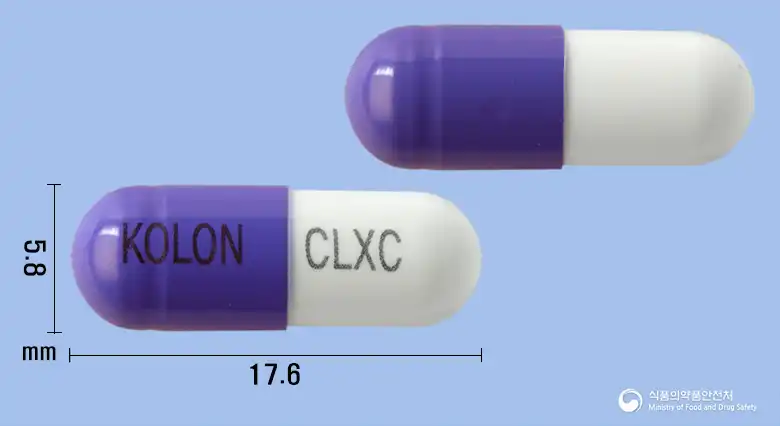
Cefaclor Hydrate 250mg
Hard capsule · Prescription medication
Kolon Pharmaceutical Co., Ltd.
Cefaclor Hydrate 3.75g
Syrup · Prescription medication
Youngjin Pharmaceutical Co., Ltd.
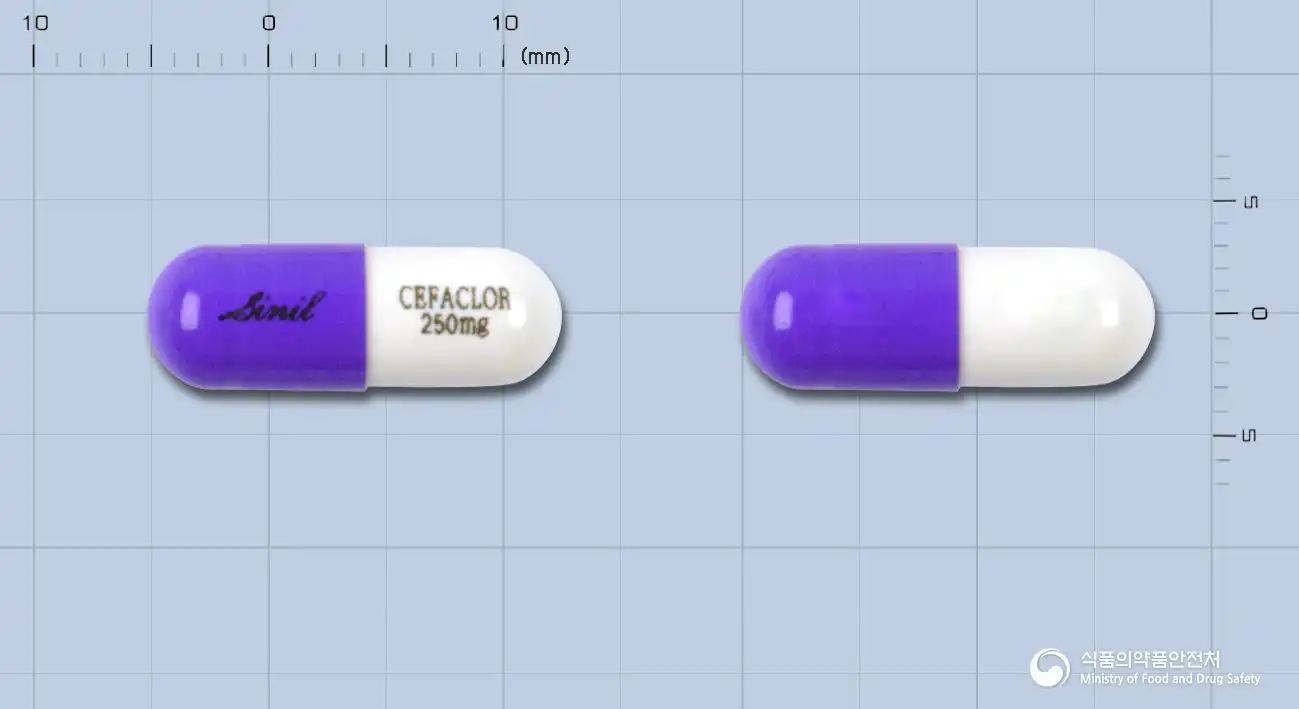
Cefaclor Hydrate 250mg
Hard capsule · Prescription medication
Shinil Pharmaceutical Co., Ltd.
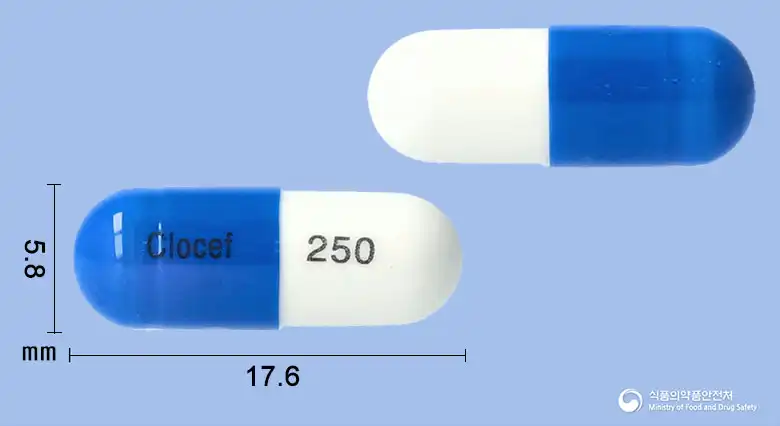
Cefaclor Hydrate 250mg
Hard capsule · Prescription medication
Hanmi Pharmaceutical Co., Ltd.
Cefaclor Hydrate 2.5g
Syrup · Prescription medication
Hanmi Pharmaceutical Co., Ltd.
Cefaclor Hydrate 3.75g
Syrup · Prescription medication
Shinpoong Pharmaceutical Co., Ltd.
Even with the same ingredient, the dose and directions can differ by strength and dosage form. Talk to a doctor or pharmacist before switching from a medication you are already taking.
No questions yet.
For anything that needs medical judgment, consult a doctor or pharmacist.
This drug information is based on data provided by the Korea Ministry of Food and Drug Safety.
Consult a doctor or pharmacist for accurate dosage, administration, and usage instructions.