
 한국어
한국어 English
 日本語
日本語 中文(简体)
Dosage form image
Viewing nowAlpha Day Eye Drop 0.2% (Olopatadine Hydrochloride) (Single Use), Alpha Day Eye Drop 0.2% (Olopatadine Hydrochloride)
Olopatadine Hydrochloride 2.22mg
Eye drops · Prescription medication
Taejun Pharmaceutical Co., Ltd.
MFDS item code 201206438 · Approved 2012.08.10 · Insurance code 650102511,650103031
Relief of symptoms of allergic conjunctivitis
This medicine is used to relieve symptoms such as itching, redness, and tearing in the eyes caused by allergic conjunctivitis.
1 drop once a day.
This medication should not be used in patients who have an allergic reaction to the active ingredient or components. Neurological symptoms such as headaches, taste disturbances, and dizziness may very rarely occur when using this medication. Symptoms such as punctate keratitis, keratitis, pain, dryness, swelling, itching, discharge, redness, keratinization, and discomfort in the eyes may occur and caution is needed. Additionally, glare, blurred vision, and eyelid erythema may rarely occur. Dryness of the nose or symptoms of rhinitis may occur, and dryness in the mouth or skin reactions such as contact dermatitis have also been reported infrequently. Fatigue may also be experienced occasionally. Symptoms similar to a cold or pharyngitis may occur in about 10% of patients, and symptoms such as malaise, low back pain, flu-like symptoms, frequent coughing, infections, nausea, and sinusitis have also been reported in some patients. Increased tear production may also occur. This medication contains phosphates, and in patients with severe corneal damage, calcification of the cornea may very rarely occur, so caution is necessary. This medication should not be used to relieve irritation associated with contact lens wear, and if wearing soft contact lenses, they should be put on at least 15 minutes after instillation. Vision may be temporarily blurred after instillation, so it is advisable to wait until vision is clear before driving or operating machinery. There have been no studies on drug interactions with this medication, so any concurrent medications should be discussed with a physician. If pregnant, there is insufficient research on the effects of this medication on the fetus, so it should be used cautiously under medical advice. If breastfeeding, since components of this medication may be excreted in breast milk and potentially affect the infant, it is recommended to consult with a physician prior to use. It can be safely used in children aged 3 years and older, and there are no special precautions needed for the elderly. In case of overdose, appropriate monitoring and management are needed, so the prescribed dosage and frequency should be strictly followed. This medication is for use in the eyes only and should not be used by any other route. Care should be taken to avoid direct contact of the vial opening with the eyes and to maintain cleanliness while using it. When using other eye drops, they should be used at least 5 minutes apart, and for single-use products, they should only be used once after opening. This medication requires proper storage, and it must be kept tightly closed when not in use.
Not everyone experiences these, and they can vary from person to person.
This medication should be stored in a tightly closed container to avoid exposure to air or moisture. It is recommended to store at room temperature between 2 degrees and 25 degrees. Proper storage will help maintain the medication’s effectiveness.
[Multiple Use] An eye drop solution in an opaque white container, containing a colorless to yellowish liquid. [Single Use] An eye drop solution in a transparent plastic container, containing a colorless to yellowish liquid.
Multiple Use: 3mL/bottle x 1 bottle/carton, Single Use: 0.3mL/EA x 10EA/carton
Even with the same ingredient, strength, dosage form and how it is taken can differ.
Olopatadine Hydrochloride 2.22mg
Eye drops · Prescription medication
Taejun Pharmaceutical Co., Ltd.
Olopatadine Hydrochloride 1.11mg
Eye drops · Prescription medication
Novartis Korea Co., Ltd.
Olopatadine Hydrochloride 5mg
Tablet · Prescription medication
Korea Kyowa Kirin Co., Ltd.
Olopatadine Hydrochloride 2.22mg
Eye drops · Prescription medication
Novartis Korea Co., Ltd.
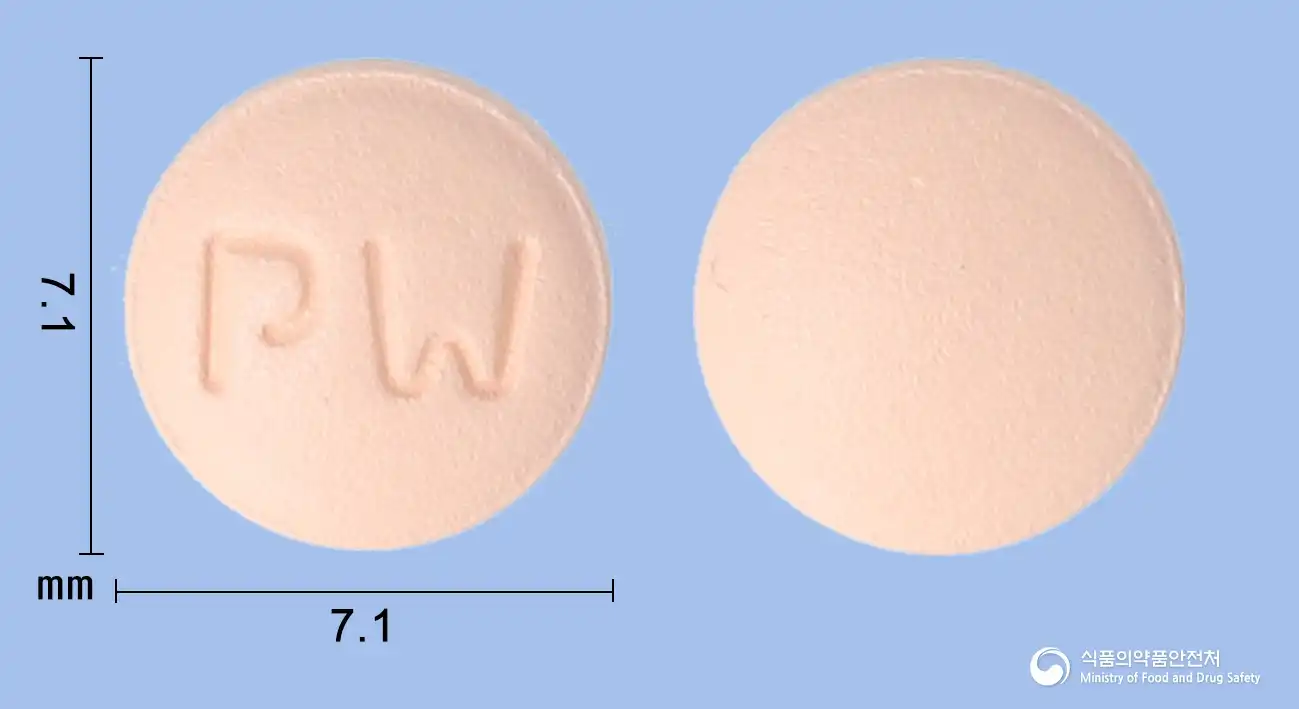
Olopatadine Hydrochloride 5mg
Tablet · Prescription medication
Daewoong Pharmaceutical Co., Ltd.
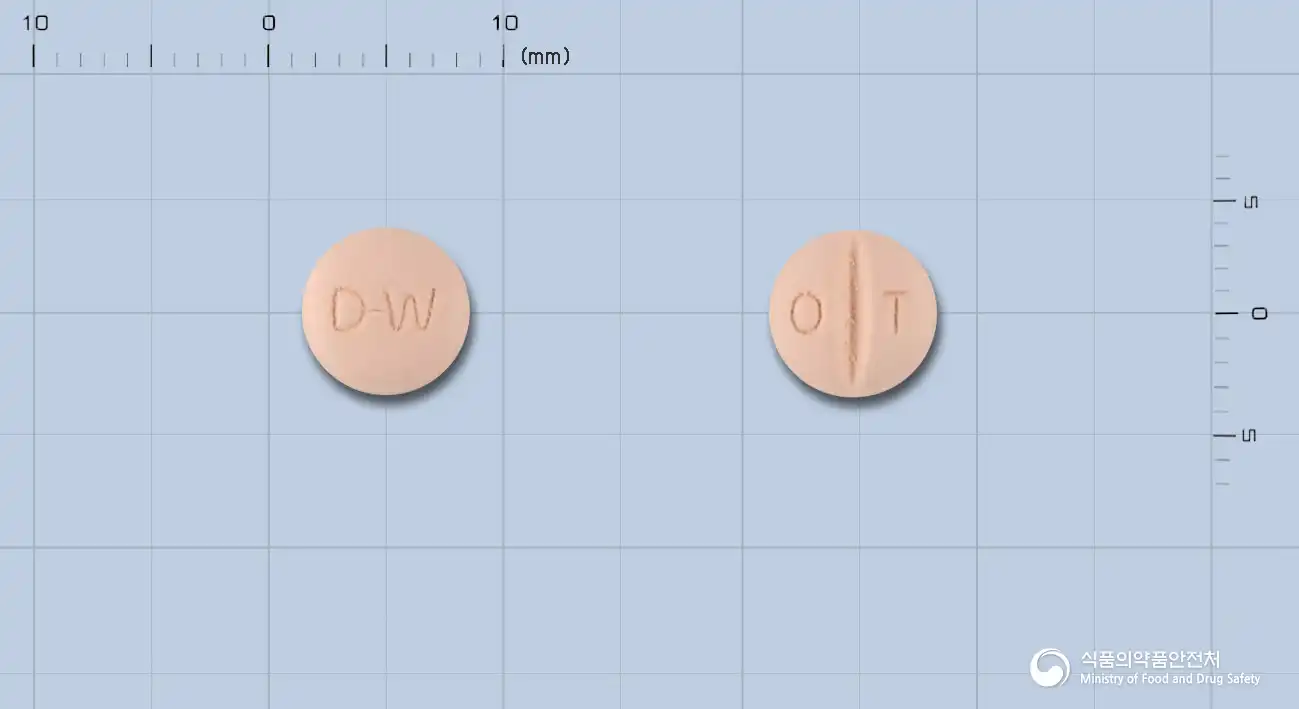
Olopatadine Hydrochloride 5mg
Tablet · Prescription medication
Dongwha Pharmaceutical Co., Ltd.
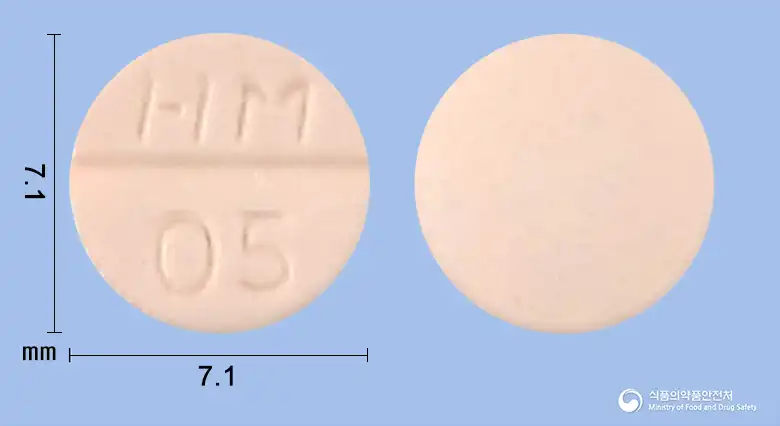
Olopatadine Hydrochloride 5mg
Tablet · Prescription medication
Hanmi Pharmaceutical Co., Ltd.
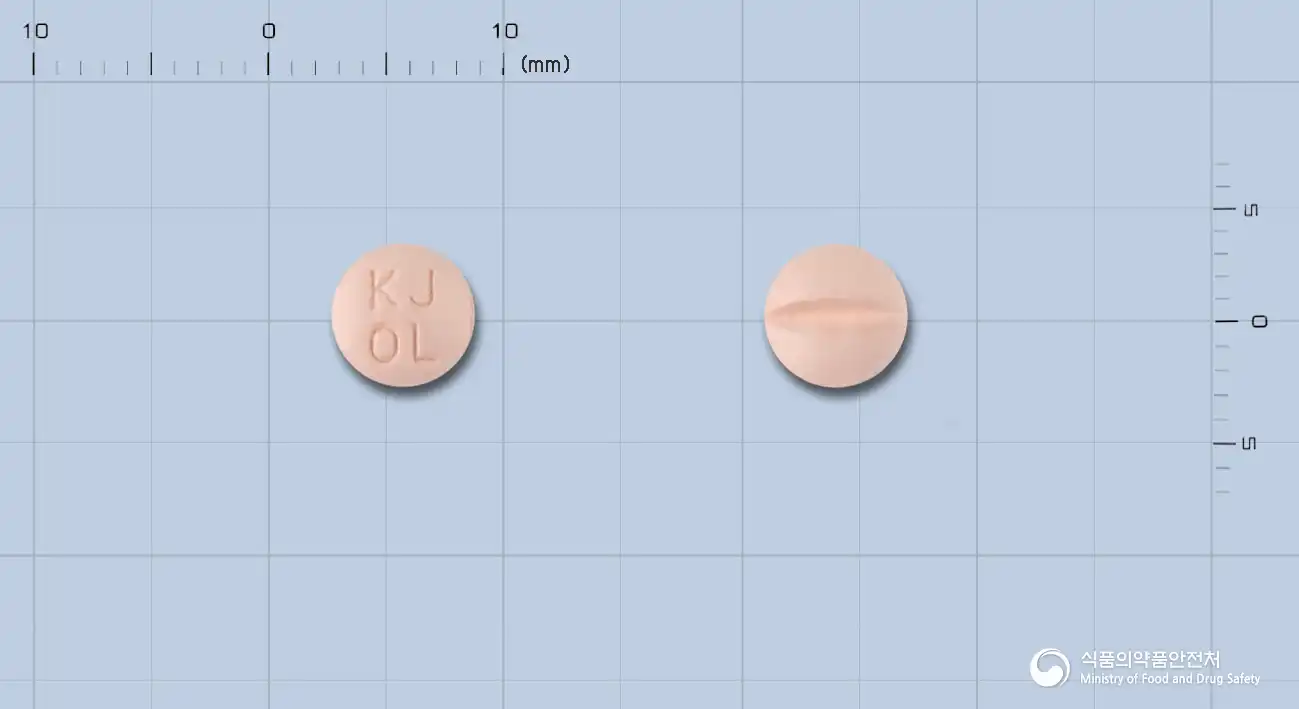
Olopatadine Hydrochloride 5mg
Tablet · Prescription medication
International Pharmaceutical Co., Ltd.
Even with the same ingredient, the dose and directions can differ by strength and dosage form. Talk to a doctor or pharmacist before switching from a medication you are already taking.
No questions yet.
For anything that needs medical judgment, consult a doctor or pharmacist.
This drug information is based on data provided by the Korea Ministry of Food and Drug Safety.
Consult a doctor or pharmacist for accurate dosage, administration, and usage instructions.