
 한국어
한국어 English
 日本語
日本語 中文(简体)
 Viewing now
Plus D Tablet (Cholecalciferol Concentrate Powder)
Cholecalciferol Concentrate Powder 10mg
Tablet · OTC medication
Hanool BioPharma Co., Ltd.
MFDS item code 201206435 · Approved 2012.08.09
Adjunct treatment for osteoporosis and prevention of vitamin D deficiency diseases (such as rickets)
This medication is used to assist in the treatment of osteoporosis and to prevent diseases caused by vitamin D deficiency. It is also effective in preventing rickets.
Adjunct treatment for osteoporosis: 1 tablet (1000 IU) once daily Prevention of vitamin D deficiency diseases in healthy individuals without absorption issues: 1/2 tablet (500 IU) once daily Prevention of rickets: 1/2 tablet (500 IU) once daily Take with sufficient water.
For infants who have difficulty swallowing tablets: place the tablet on a spoon and dissolve it in water, then administer it with food when possible. When adding it to food, do so after cooking, and if it is a vitamin D-rich food, dosage may need adjustment.
This medication should not be used by individuals with hypercalcemia or hypercalciuria. Additionally, patients with galactose intolerance, lactase deficiency, or glucose-galactose malabsorption should not take this medication. Those with kidney stones or allergies to this medication or its ingredients should avoid use, and infants under 3 months of age should not use this medication. Taking this medication with thiazide diuretics may dangerously elevate calcium levels in the blood, so they should not be taken together. Infants under 1 year old, patients undergoing treatment from a doctor, those with a history of kidney stones, or patients with sarcoidosis should consult with a doctor or pharmacist before use. Children who receive ample sunlight and maintain a normal diet should avoid vitamin D or calcium supplements. Pregnant women need to be cautious as excessive use may cause deformities in the fetus, while nursing mothers should be aware that the ingredients can transfer to breast milk and may lead to hypercalcemia in newborns. Patients with impaired kidney function or those taking other vitamin D preparations, as well as those on specific medications (such as phenytoin, barbiturates, glucocorticoids, or thiazide diuretics), should consult a healthcare provider before use. This medication contains Yellow No. 5; those allergic to this component should be cautious. If symptoms such as mental confusion, altered consciousness, headache, nausea, vomiting, loss of appetite, weight loss, increased urination, or increased thirst occur during treatment, discontinue use immediately and consult a doctor or pharmacist. Significantly elevated calcium levels can cause serious issues such as cardiac arrhythmias, kidney stones, muscle pain, joint pain, and calcification of surrounding tissues. If a daily dose exceeds 500 IU, regular monitoring of calcium levels in blood and urine as well as kidney function is necessary, and dosage adjustments may be required. When tablets are difficult for infants or young children to swallow, it is advisable to dissolve the medication in water and administer it with food. Store this medication out of reach of children, in the original container to maintain quality, and protect it from direct sunlight in a cool, dry place.
Not everyone experiences these, and they can vary from person to person.
Do not take this medication with benzothiazide derivatives. Consult with a doctor or pharmacist when taking other vitamin D preparations, phenytoin, barbiturate drugs, thiazide diuretics, or glucocorticoids.
This medication should be stored in a tightly sealed container to avoid exposure to air and moisture, preferably at room temperature between 1 to 30 degrees Celsius. Proper storage can help maintain the medication's effectiveness over time.
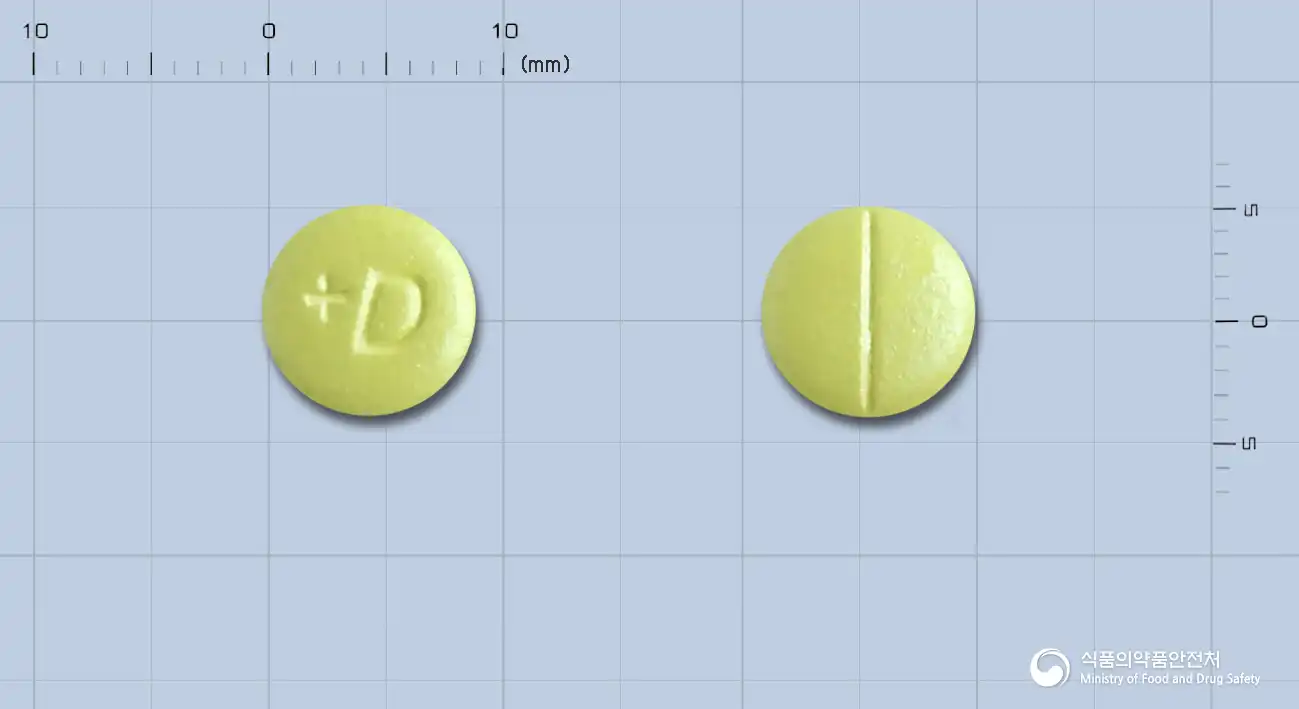
Yellow round film-coated tablet with silver pearl
30 tablets (10 tablets/PTP x 3), 90 tablets/bottle
Even with the same ingredient, strength, dosage form and how it is taken can differ.
Viewing nowCholecalciferol Concentrate Powder 10mg
Tablet · OTC medication
Hanool BioPharma Co., Ltd.
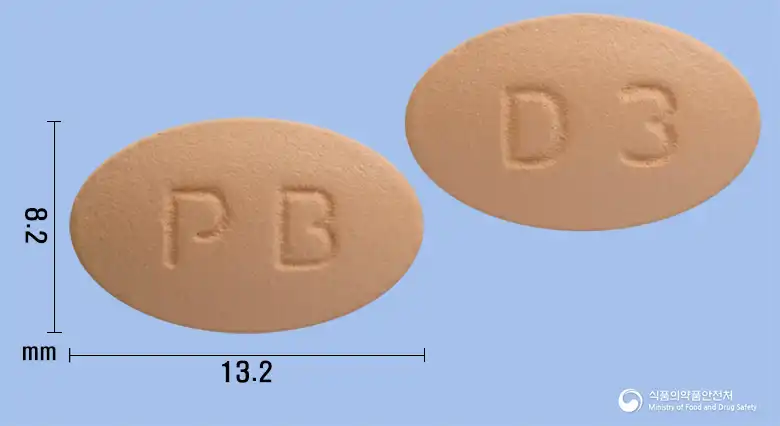
Cholecalciferol Concentrate Powder 250mg
Tablet · Prescription medication
Korea Pharmbio Co., Ltd.
Cholecalciferol Concentrate Powder
Prescription medication
Repure Healthcare Co., Ltd.
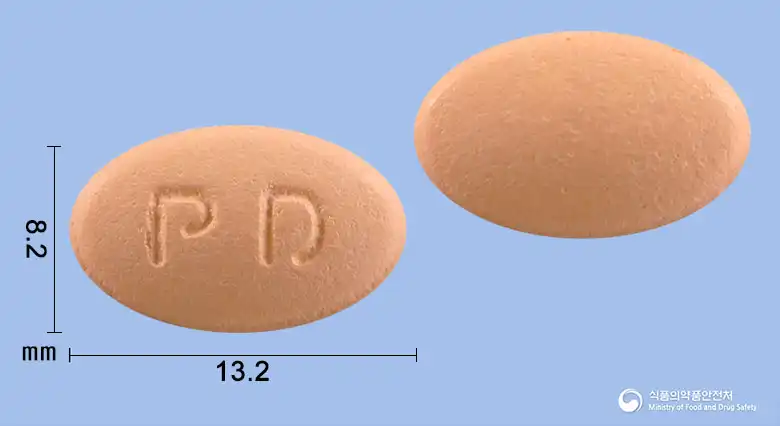
Cholecalciferol Concentrate Powder 250mg
Tablet · Prescription medication
McNulty Pharmaceutical Co., Ltd.
Even with the same ingredient, the dose and directions can differ by strength and dosage form. Talk to a doctor or pharmacist before switching from a medication you are already taking.
No questions yet.
For anything that needs medical judgment, consult a doctor or pharmacist.
This drug information is based on data provided by the Korea Ministry of Food and Drug Safety.
Consult a doctor or pharmacist for accurate dosage, administration, and usage instructions.