
 한국어
한국어 English
 日本語
日本語 中文(简体)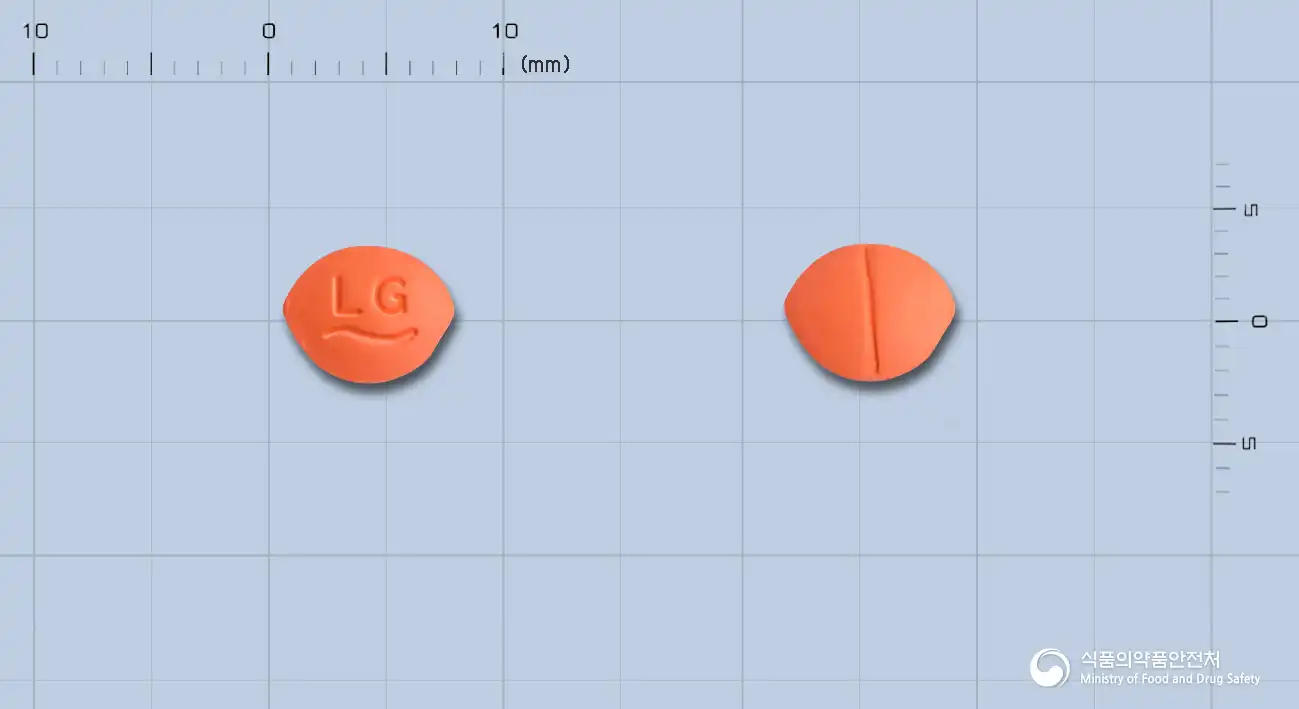
Summary
- Main use
- Improvement of blood sugar control in type 2 diabetes
- Who takes it
- Adults
- Adult dose
- This medication is administered once daily at a dose of 50 mg, either as monotherapy or in combination therapy, with a maximum dosage of 50 mg per day. This medication can be taken regardless of meals. When co-administered with sulfonylureas or insulin, a reduction in sulfonylurea or insulin may be considered to reduce the risk of hypoglycemia. Dose adjustments are not necessary for patients with renal impairment or mild to moderate liver dysfunction.
Ingredients
- Manufacturer
- (주)엘지화학
Efficacy & effects
Improvement of blood sugar control in type 2 diabetes
- Abnormal blood sugar control in patients with type 2 diabetes
View approved original textHide original text
This medication is used to improve blood sugar control in patients with type 2 diabetes. It mainly supports dietary and exercise therapy and can be administered alone or in combination with other medications to enhance effectiveness. This helps to manage blood sugar levels more stably.
How to take
Adult dose
This medication is administered once daily at a dose of 50 mg, either as monotherapy or in combination therapy, with a maximum dosage of 50 mg per day. This medication can be taken regardless of meals. When co-administered with sulfonylureas or insulin, a reduction in sulfonylurea or insulin may be considered to reduce the risk of hypoglycemia. Dose adjustments are not necessary for patients with renal impairment or mild to moderate liver dysfunction.
Precautions
This medication should not be used in certain patients. For example, it is not administered to patients who have had serious allergic reactions to this medication or other DPP-4 inhibitors, or to patients with type 1 diabetes. Additionally, caution is necessary for patients taking sulfonylureas, those with heart failure, severe liver impairment, or a history of pancreatitis. It is especially not recommended for patients with severe heart failure. This medication contains color additive Tartrazine (Yellow No. 5), and patients allergic to this component should also be cautious. While taking this medication, gastrointestinal disturbances such as indigestion, constipation, diarrhea, nausea, and upper abdominal pain may occur; if symptoms persist, consult a doctor. Hypoglycemic symptoms have been frequently reported, so caution is needed for hypoglycemia risk when taken with blood sugar control medications. The risk of hypoglycemia may increase especially when used with sulfonylureas or insulin. This medication may affect liver and pancreatic enzyme levels, thus regular blood tests may be necessary. Additionally, severe joint pain or skin adverse reactions such as blistering-like pemphigus may occur, so if these symptoms appear, notify a doctor immediately. Serious allergic reactions or severe hypersensitivity reactions such as Stevens-Johnson Syndrome have been rarely reported; therefore, if symptoms such as rash, facial swelling, or difficulty in breathing occur, stop using the medication immediately and consult healthcare professionals. This medication has a low interaction potential with other medications, but caution should be taken when used with strong CYP3A4 inducers as it may reduce the effectiveness. It is not recommended for use in pregnant or nursing women as its safety has not been established. Safety and efficacy have not been confirmed in children or adolescents under 18 years of age, so it should not be used in this population. In elderly patients, liver and kidney function may decline, so careful monitoring and cautious administration are required. In case of overdose, general symptomatic treatment should be initiated, and additional treatment may be necessary depending on the patient's condition. Finally, this medication should be stored out of reach of children and kept in its original container to prevent misuse or degradation of quality.
Side effects and when to seek care immediately
Serious side effects
Hives, severe swelling (edema), chest tightness, difficulty breathing, cold sweats, pallor, severe rash with fever, blisters, skin peeling, pain in oral/conjunctival mucosa, shortness of breath or difficulty breathing, asthma attacks, respiratory difficulties associated with cough + fever, yellowing of skin or eyes (jaundice), extreme lethargy, sudden severe headache, thunderclap headache, seizures, consciousness confusion, visual disturbances, paralysis, urination issues
Mild side effects
- Indigestion
- constipation
- diarrhea
- nausea
- upper abdominal pain
- gastrointestinal disturbances
- belching
- hemorrhagic gastritis
- excessive gastric acid
- edema
Show 13 moreCollapse
- asymptomatic bacteriuria
- nasopharyngitis
- upper respiratory infection
- urinary tract infection
- lipase increase
- amylase increase
- blood creatine phosphokinase increase
- alanine aminotransferase abnormalities
- increased alanine aminotransferase
- increased liver enzymes
- increased pancreatic enzymes
- weight loss
- weight gain
Not everyone experiences these, and they can vary from person to person.
Storage
This medication must be stored in a tightly sealed container to prevent air and moisture ingress. It is recommended to maintain a storage temperature between 1°C and 30°C to preserve the medication's efficacy and safety over time.
Appearance and packaging
Appearance
Lemon-shaped orange film-coated tablets
Package unit
300 tablets/bottle, 56 tablets/PTP (14 tablets/PTP x 4)
Questions about this medicine
No questions yet.
For anything that needs medical judgment, consult a doctor or pharmacist.