
 한국어
 English
 日本語
 中文(简体)
 Viewing nowCombination
Laxem Tablets 2/500 mg
Metformin Hydrochloride 500mg · Glimepiride 2mg
Tablet · Prescription medication · Combination
Samnam Pharmaceutical Co., Ltd.
MFDS item code 201205527 · Approved 2012.06.13 · Insurance code 653701970
Improvement of glycemic control in type 2 diabetes mellitus
This medication is used to assist in blood sugar control in patients with type 2 diabetes in conjunction with dietary and exercise regimens. The combination of glimepiride and metformin effectively manages blood sugar and improves symptoms of diabetes.
Administer this medicine immediately before or with a meal, 1~2 times daily. The dose may be adjusted based on each patient's current treatment regimen, efficacy, and tolerability; appropriate blood glucose monitoring should be performed for this purpose. Treatment is generally initiated at a low dose, and the dose may be adjusted based on the patient's current medications and blood glucose levels. In clinical trials, the initial daily dose of this medicine was glimepiride/metformin hydrochloride 2mg/500mg, and experience is available with gradual dose increases based on blood glucose monitoring results up to glimepiride/metformin hydrochloride 8mg/2000mg. With glimepiride as a single agent, there is generally little additional effect at doses exceeding 4mg per day, although some patients achieved better metabolic control when the dose was increased to 6mg (or 8mg). When used as a substitute for combination therapy, administer according to the dosage and administration of the glimepiride and metformin hydrochloride currently being taken in combination. Even if a previous dose was missed, do not take more than a single dose at the next scheduled administration.
This medication is primarily used for patients with type 2 diabetes to help control blood sugar levels. Renal function is very important while taking this medication. Impaired renal function can lead to drug accumulation in the body, which can result in dangerous lactic acidosis, thus regular kidney function tests should be conducted. If symptoms such as dehydration, severe diarrhea, vomiting, or fever occur, discontinuation of medication should be considered and medical advice should be sought. Patients at risk of cardiovascular diseases should discuss thoroughly with their doctor before taking this medication, and should be well aware of the symptoms of hypoglycemia, as there is a risk of low blood sugar. Women who are pregnant or may become pregnant, as well as nursing mothers, are advised not to take this medication, and if planning to become pregnant, consultation with a doctor is necessary. This medication should not be administered to individuals with specific liver dysfunction, severe renal impairment, acute metabolic acidosis, or certain hereditary lactose metabolism disorders. Regular meals and exercise should be maintained during medication, and blood sugar and renal function should be monitored regularly to confirm the efficacy and safety of the medication. Symptoms of hypoglycemia may include headaches, dizziness, tremors, and cold sweats, so if these symptoms occur, immediate intake of sugar is recommended and medical personnel should be informed if necessary. Consumption of alcohol may increase the risk of side effects from this medication, so it is important not to overconsume alcohol while taking it. Other medications taken concurrently may affect blood sugar control, so it is essential to inform healthcare providers of any other medications being used. In the case of overdose, serious hypoglycemia or lactic acidosis may occur, so do not change the dosage without a doctor’s instructions, and seek medical attention immediately if unusual symptoms arise. Special care is needed for children and the elderly, particularly as elderly individuals frequently experience decreased renal function, making dosage adjustments and monitoring essential. While taking this medication, side effects may include dyspepsia, nausea, diarrhea, skin rash, etc., and if a severe allergic reaction is suspected, medical personnel should be informed immediately. Finally, this medication should be stored out of the reach of children and should not be transferred to another container.
Not everyone experiences these, and they can vary from person to person.
This medication should be stored in a sealed container to prevent air entry, at room temperature between 1 and 30 degrees Celsius. Storing it this way will help maintain its efficacy and prevent degradation.
White elongated film-coated tablets
30 tablets/bottle, 200 tablets/bottle, 300 tablets/bottle
Even with the same ingredient, strength, dosage form and how it is taken can differ.
Viewing nowCombinationMetformin Hydrochloride 500mg · Glimepiride 2mg
Tablet · Prescription medication · Combination
Samnam Pharmaceutical Co., Ltd.
 Combination
Metformin Hydrochloride 500mg · Glimepiride 1mg
Tablet · Prescription medication · Combination
Hanmi Pharmaceutical Co., Ltd.
 Combination
Metformin Hydrochloride 500mg · Glimepiride 2mg
Tablet · Prescription medication · Combination
Handok Co., Ltd.
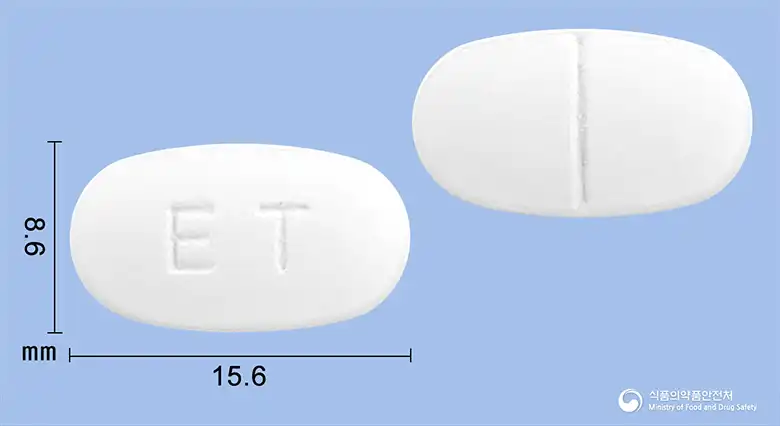 Combination
Metformin Hydrochloride 500mg · Glimepiride 2mg
Tablet · Prescription medication · Combination
Teragen Etex Co., Ltd.
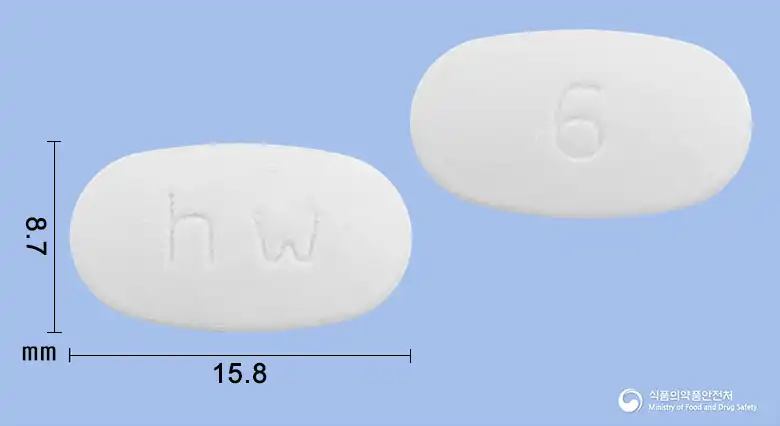 Combination
Glimepiride 2mg · Metformin Hydrochloride 500mg
Tablet · Prescription medication · Combination
Hawon Pharmaceutical Co., Ltd.
Metformin Hydrochloride 500mg · Glimepiride 2mg
Tablet · Prescription medication · Combination
TDS Pharm Co., Ltd.
 Combination
Glimepiride 2mg · Metformin Hydrochloride 500mg
Tablet · Prescription medication · Combination
Il Yang Pharmaceutical Co., Ltd.
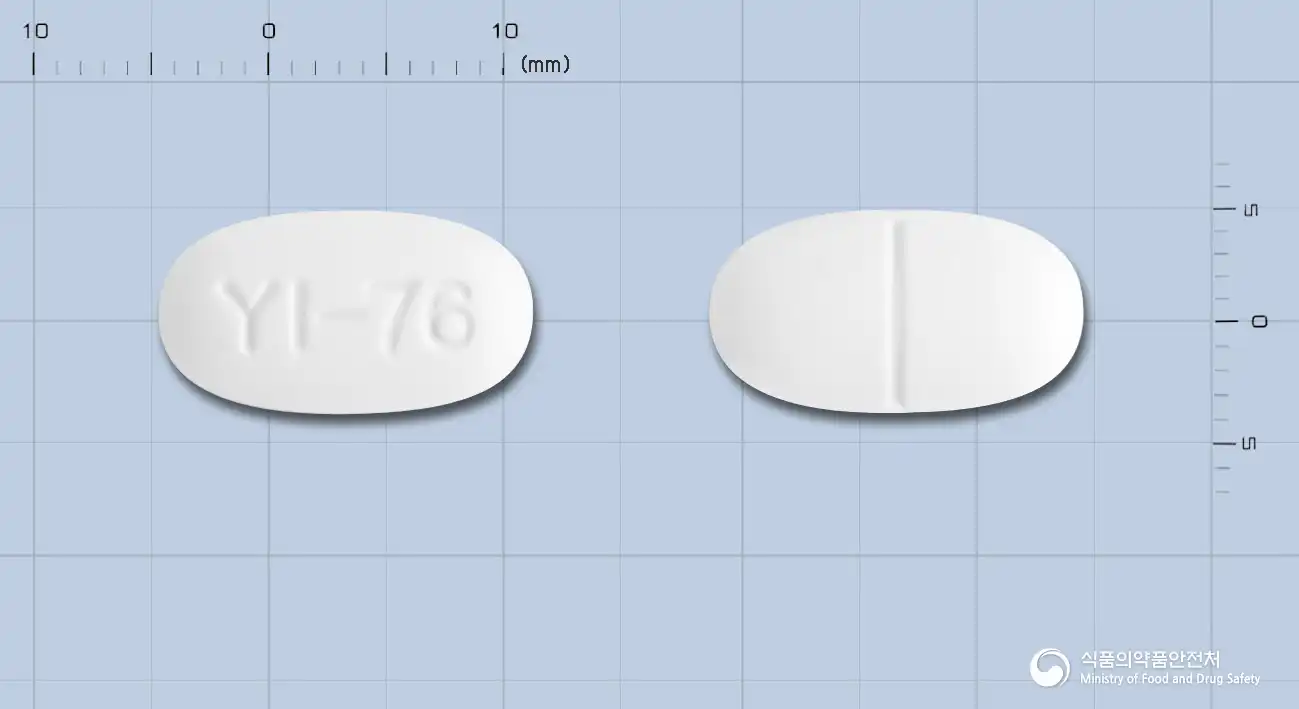 Combination
Glimepiride 2mg · Metformin Hydrochloride 500mg
Tablet · Prescription medication · Combination
Youngil Pharmaceutical Co., Ltd.
Even with the same ingredient, the dose and directions can differ by strength and dosage form. Talk to a doctor or pharmacist before switching from a medication you are already taking.
No questions yet.
For anything that needs medical judgment, consult a doctor or pharmacist.
This drug information is based on data provided by the Korea Ministry of Food and Drug Safety.
Consult a doctor or pharmacist for accurate dosage, administration, and usage instructions.