
 한국어
한국어 English
 日本語
日本語 中文(简体)
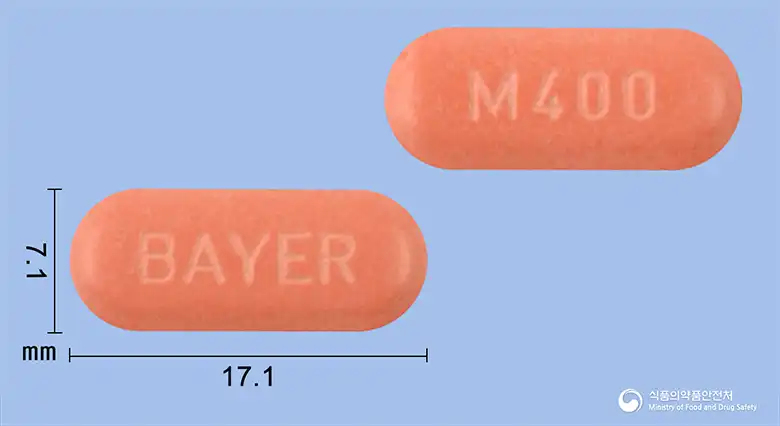
Dosage form image
Viewing nowMoksasinjeong 400 mg (Moxifloxacin Hydrochloride)
Moxifloxacin Hydrochloride
Prescription medication
Daehan Pharmaceutical Co., Ltd.
MFDS item code 201203610 · Approved 2012.04.30
This product's status changed to Expired on 2023.04.01. It may no longer be sold, so consult a doctor or pharmacist before taking it.
Treatment of respiratory infections (acute sinusitis, exacerbation of chronic bronchitis), skin and soft tissue infections
This drug is effective against various bacteria, primarily targeting Gram-positive bacteria, Gram-negative bacteria, atypical bacteria, and anaerobic bacteria. It is used for treating respiratory infections including acute sinusitis, acute exacerbation of chronic bronchitis, and community-acquired pneumonia. It is also effective for skin and soft tissue infections, intra-abdominal infections, and simple pelvic infections. However, as a fluoroquinolone, it carries a risk of serious side effects and should only be used when other treatment options are unavailable for acute bacterial sinusitis and acute exacerbation of chronic bronchitis. This drug helps treat various infections and supports the recovery of patients' health.
Adults: Administer 400 mg of moxifloxacin once daily, with sufficient water, regardless of meals. Renal impairment patients: Dosage adjustment is not necessary. Duration of administration should be determined based on the extent of infection or clinical response. The recommended duration is as follows: - Acute sinusitis: 7 days - Acute exacerbation of chronic bronchitis: 5 days - Community-acquired pneumonia: 10 days - Simple skin and soft tissue infections: 7 days
This drug is a fluoroquinolone antibiotic, used to treat certain bacterial infections. Caution is required when taking this medication as it may lead to serious side effects such as tendinitis or tendon rupture, peripheral neuropathy, central nervous system disturbances, and exacerbation of myasthenia gravis. If any of these symptoms occur, discontinue the medication immediately and consult a physician. Patients with myasthenia gravis should not use this drug, and it should only be used for specific infections like acute bacterial sinusitis, chronic bronchitis, simple urinary tract infections, and acute otitis media when no other treatment options are available. Elderly patients or those taking corticosteroids, as well as patients who have undergone kidney, heart, or lung transplants, should be particularly cautious of the risk of tendinitis and tendon rupture. If symptoms of pain, inflammation, or tendon rupture occur, discontinue the medication immediately and rest the affected area. Patients with central nervous system diseases or seizure history should use this drug with caution as it can provoke or exacerbate seizures. Additionally, those with cardiac issues or at risk for QT interval prolongation should exercise caution. Women who are pregnant or nursing, children under 18, and patients with severe liver dysfunction should not take this medication. This drug can cause various side effects, commonly including nausea, diarrhea, headache, dizziness, etc., while rare side effects can include liver failure, arrhythmias, and serious skin reactions. Drug interactions may occur if combined with certain medications (e.g., antacids, mineral supplements, some antiarrhythmic agents), so it's crucial to consult a physician or pharmacist. Due to possible increased concentrations in elderly patients, this drug should be administered cautiously at lower doses, and during treatment, blood sugar changes or visual disturbances should be closely monitored. In the event of overdose, seek medical attention immediately for appropriate treatment, and store the medication out of reach of children.
Not everyone experiences these, and they can vary from person to person.
This drug should be stored in a tightly sealed container to prevent air from entering, and it is best kept at room temperature between 1 to 30 degrees Celsius. Storing it properly maintains its efficacy and prevents degradation.
Dark pink, round film-coated tablet
Company packaging unit
Even with the same ingredient, strength, dosage form and how it is taken can differ.
Moxifloxacin Hydrochloride
Prescription medication
Daehan Pharmaceutical Co., Ltd.
Moxifloxacin Hydrochloride 436.8mg
Tablet · Prescription medication
Bayer Korea Co., Ltd.
Moxifloxacin Hydrochloride 1.744mg
Injections · Prescription medication
Bayer Korea Co., Ltd.
Moxifloxacin Hydrochloride 5.45mg
Eye drops · Prescription medication
Novartis Korea Co., Ltd.
Moxifloxacin Hydrochloride 5.45mg
Eye drops · Prescription medication
Samchundang Pharmaceutical Co., Ltd.
Moxifloxacin Hydrochloride 5.45mg
Eye drops · Prescription medication
Samil Pharmaceutical Co., Ltd.
Moxifloxacin Hydrochloride 5.45mg
Eye drops · Prescription medication
Optus Pharmaceutical Co., Ltd.
Moxifloxacin Hydrochloride 5.45mg
Eye drops · Prescription medication
Hankook Hyutecs Pharmaceutical Co., Ltd.
Even with the same ingredient, the dose and directions can differ by strength and dosage form. Talk to a doctor or pharmacist before switching from a medication you are already taking.
No questions yet.
For anything that needs medical judgment, consult a doctor or pharmacist.
This drug information is based on data provided by the Korea Ministry of Food and Drug Safety.
Consult a doctor or pharmacist for accurate dosage, administration, and usage instructions.