
 한국어
한국어 English
 日本語
日本語 中文(简体)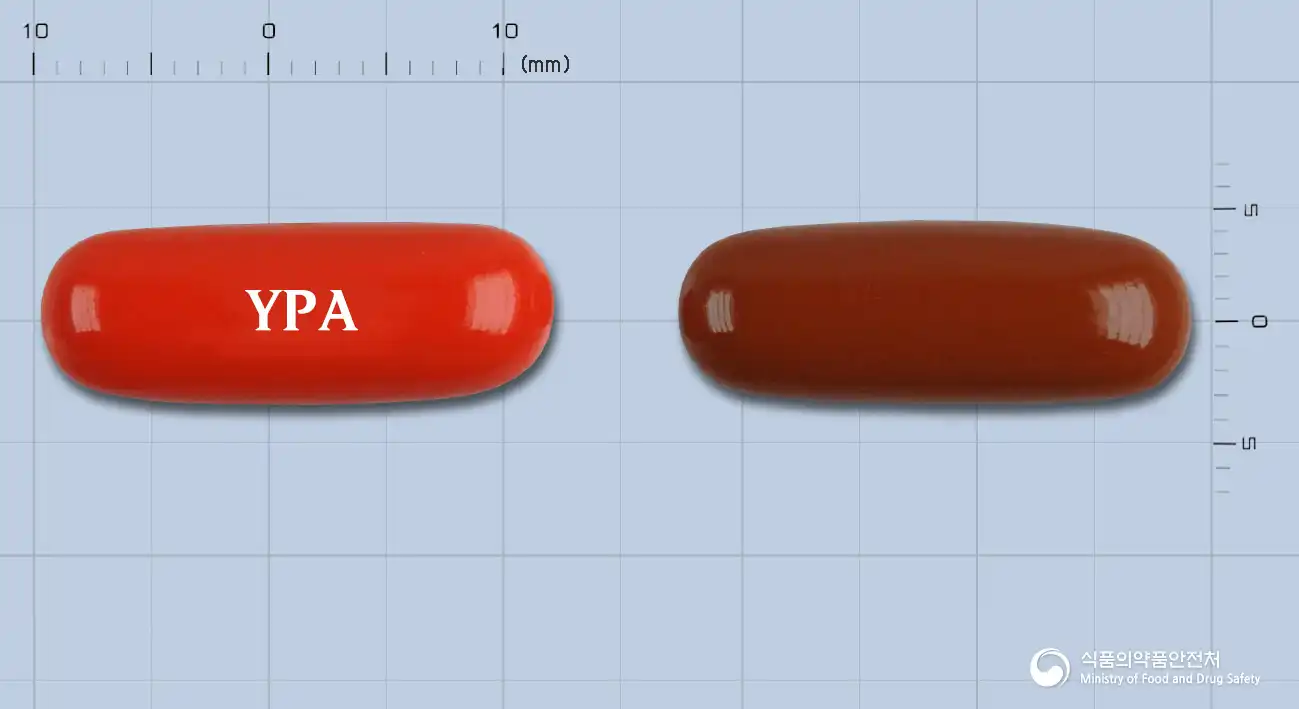
Summary
- Main use
- Relief of pain such as neuralgia, myalgia, improvement of dry eyes and night blindness, prevention of bone growth deficiencies.
- Who takes it
- Adults
- Adult dose
- Adults take 1 capsule twice daily.
Ingredients
- Retinol Palmitate2.352mg / 1 capsule
- Ergocalciferol5μg / 1 capsule
- Thiamine Hydrochloride15mg / 1 capsule
- Riboflavin6mg / 1 capsule
- Pyridoxine Hydrochloride10mg / 1 capsule
- Cyanocobalamin2.5μg / 1 capsule
- Ascorbic Acid75mg / 1 capsule
- Tocopherol Acetate50mg / 1 capsule
- Nicotinamide50mg / 1 capsule
- Calcium Pantothenate15mg / 1 capsule
- Choline Tartrate12.5mg / 1 capsule
- Inositol12.5mg / 1 capsule
- Folic Acid50μg / 1 capsule
- Gamma-Oryzanol3mg / 1 capsule
- Manufacturer
- 영풍제약(주)
Efficacy & effects
Relief of pain such as neuralgia, myalgia, improvement of dry eyes and night blindness, prevention of bone growth deficiencies.
- Physical fatigue
- decreased stamina
- neuralgia
- myalgia
- arthralgia
- angular cheilitis
- cheilitis
- stomatitis
- glossitis
- eczema
- dermatitis
- dry eyes
View approved original textHide original text
The vitamins A, D, E, B1, B2, B6, and C included in this medication help provide nutrition needed during physical fatigue, pregnancy, lactation, post-illness recovery, growth periods, and old age. They also relieve symptoms of neuralgia, myalgia, arthralgia (such as low back pain and shoulder stiffness), perioral inflammation (angular cheilitis, cheilitis), stomatitis, glossitis, eczema, dermatitis, alleviate dry eyes, night blindness, beriberi, and eye fatigue, and assist in preventing growth deficiencies in bones and teeth or rickets. It is effective for relieving peripheral blood circulation disorders and symptoms of menopause such as shoulder and neck stiffness and coldness in hands and feet (peripheral coldness). This product is used as a vitamin preparation useful for improving various symptoms and conditions.
How to take
Adult dose
Adults take 1 capsule twice daily.
Precautions
This medication should not be taken by women during the first three months of pregnancy or those who might become pregnant due to the risk of excessive vitamin A intake leading to congenital malformations, therefore, do not exceed 5,000 IU per day. Patients with hypercalcemia, unexplained systemic inflammatory diseases, or kidney diseases should not take this drug. Individuals allergic to this drug or any of its ingredients should also avoid it. Infants under three months of age, kidney stone patients, and individuals allergic to soybean oil, beans, or peanuts should not take this medication. While taking this drug, avoid concurrent use with levodopa. Patients under a doctor's care, those with a history of hyperoxaluria, gout, kidney stones, or pregnant or nursing women, and premature and infant children should consult a specialist before taking this drug. This drug contains dyes Yellow No. 4 and Yellow No. 5, so those allergic to these components should use it with caution. If symptoms such as nausea, vomiting, skin itching, joint swelling, diarrhea, rash occur during use, immediately stop taking and consult a professional. If menstrual flow increases or bleeding persists, discontinue use and consult a physician. There is a risk of thrombosis when taking oral contraceptives containing estrogen, so caution is needed. Long-term high-dose use may lead to tolerance and high doses of vitamin B6 (pyridoxine) can cause nerve damage. Caution should be taken as excessive intake of vitamin B12 may lead to hematological abnormalities. High-dose use can provoke peptic ulcer, disrupt blood sugar control, cause hyperuricemia, and lead to liver damage. Long-term high doses of vitamin A can increase the risk of osteoporosis in postmenopausal women. If symptoms do not improve during use or overdose is suspected, immediately stop taking and consult a specialist. This medication must be used according to the prescribed dosage and regimen, and as vitamin A is adequately supplied through diet, do not exceed 5,000 IU a day. This drug can affect blood glucose tests and change urine color to yellow, impacting clinical test results. Patients at risk of fat overload should check blood lipid levels and adjust dosages accordingly. This drug should be stored out of reach of children, in a cool, dry place away from direct sunlight, and must not be transferred to other containers.
Side effects and when to seek care immediately
Mild side effects
Nausea, vomiting, itching, dry and rough skin, painful joint swelling, diarrhea, discomfort in the stomach, constipation, rash, redness, loose stools, decreased appetite, abdominal bloating, early or heavier than usual menstruation, prolonged bleeding, increased risk of thrombosis, sensory neuropathy or neurological symptoms, hematologic abnormalities, aggravation of peptic ulcers, impaired glucose tolerance, hyperuricemia, liver damage, osteoporosis risk.
Not everyone experiences these, and they can vary from person to person.
Interactions
Drug interactions
Do not take this drug with levodopa. If using oral contraceptives containing estrogen or injectable lipid agents, consult with a doctor or pharmacist.
Storage
This medication should be stored in a tightly sealed container to avoid exposure to air and moisture, and it is safest to keep it at room temperature between 1 and 30 degrees Celsius. Storing it this way helps maintain the effectiveness of the drug.
Appearance and packaging
Appearance
A one-sided orange and the other side brown soft capsule filled with a reddish emulsion.
Package unit
120 capsules (60 capsules (10 capsules/PTP×6)×2)
Questions about this medicine
No questions yet.
For anything that needs medical judgment, consult a doctor or pharmacist.