
 한국어
 English
 日本語
 中文(简体)
 Viewing nowCombination
Clopirin Capsule
Clopidogrel Bisulfate 97.875mg · Aspirin 100mg
Hard capsule · Prescription medication · Combination
Jeil Pharmaceutical Co., Ltd.
MFDS item code 201200634 · Approved 2012.01.31 · Insurance code 645403640
Improvement of atherosclerotic symptoms in acute coronary syndrome and prevention of thrombi and embolism in atrial fibrillation
This medication is used for patients with acute coronary syndrome, particularly for those with unstable angina or non-Q wave myocardial infarction who have received or are scheduled to receive drug treatment or coronary intervention procedures (e.g. stenting), as well as those who have undergone coronary artery bypass surgery. It improves atherosclerotic symptoms such as death from cardiovascular anomalies, myocardial infarction, stroke, and refractory ischemia. Additionally, for atrial fibrillation patients with vascular risk factors where vitamin K antagonists are inappropriate and the risk of bleeding is low, this drug helps reduce the risk of stroke and thromboembolism. Therefore, it can be expected to provide cardiovascular protective effects for patients who need to administer both clopidogrel and aspirin simultaneously.
Administer 1 capsule once daily.
This medication may cause bleeding to last longer than normal, so if bleeding does not stop or if there are unusual symptoms at the bleeding site, you must inform your doctor immediately. You must inform medical personnel that you are on this medication before planning surgery or starting any new medication. Individuals with genetically reduced function of a specific enzyme (CYP2C19) should be cautious as this medication's effectiveness may be diminished, potentially resulting in more frequent cardiovascular issues. Certain medications may alter the concentration of this drug, increasing the risk of bleeding, so co-administration with specific drugs is not recommended. People who consume alcohol heavily on a daily basis should consult with their doctor or pharmacist about the risk of gastrointestinal bleeding while taking this drug. Individuals with allergies to this drug or those with severe liver, kidney, or heart diseases, bleeding disorders, and those in the late stages of pregnancy or breastfeeding should not take this drug. Patients with a history of gastrointestinal bleeding or ulcers should be cautious while taking this drug due to the risk of gastrointestinal bleeding; those with a bleeding tendency or blood disorders should also use this drug carefully. If surgery is planned, the medication should be stopped 5 to 7 days prior to the procedure, and it should only be resumed once hemostasis has been achieved. The risk of bleeding may increase if this drug is used with other antiplatelet or anticoagulant medications, so co-administration is not recommended. This drug is not recommended for children and adolescents under 18 years of age. In the first and second trimesters of pregnancy, this medication may only be used if the physician determines the therapeutic benefits exceed the risks; it should not be used in the third trimester. This medication should not be taken while breastfeeding. This drug may cause various side effects, including bleeding, gastrointestinal disorders, skin rashes, and blood abnormalities; any unusual symptoms should be reported to medical personnel immediately. In the case of overdose, the risk of bleeding may increase and special antidotes are not available, so measures such as platelet transfusions may be needed based on the symptoms. While this drug does not significantly affect driving or operation of machinery, the risk of bleeding and other conditions should be closely monitored. Store out of reach of children, keep at room temperature, and it is advisable not to transfer to another container.
Abnormal bleeding, gastrointestinal bleeding, gastric ulcer, abdominal pain, heartburn, nausea, vomiting, purpura, contusion, hematoma, epistaxis, hematoma, hematuria, intraocular hemorrhage, intracranial bleeding, neutropenia, agranulocytosis, thrombocytopenia, diarrhea, rash, pruritus, skin and skin appendage adverse reactions, chest pain, accidental injury, influenza-like illness, pain, fatigue, edema, hypertension, headache, dizziness, depression, upper respiratory tract infection, dyspnea, rhinitis, bronchitis, cough, urinary tract infection, loss of appetite, insomnia, depression, amnesia, anxiety, mania, abnormal behavior, abnormal behavior, joint pain, muscle pain, back pain, weight loss, weight gain, facial flushing, weakness, stiffness, facial swelling, syncope, melena, cerebral hemorrhage, gingival bleeding, anemia, cough, visual disturbances, visual field defects, dry eye syndrome, transient blindness, congestion, tinnitus, urination disorders, polyuria, hypoglycemia, hyperuricemia, increased liver enzymes, abnormal liver function, leg edema, arrhythmia, bradycardia, palpitations, contact dermatitis, gynecomastia, elevated PSA, shock, anaphylactic symptoms, dyspnea, generalized flushing, angioedema, urticaria, fixed rash, Riel syndrome, Stevens-Johnson syndrome, exfoliative dermatitis, pancytopenia, double blood cell reduction, bone marrow failure, decreased platelet function, heartburn, gastric pain, hearing loss, excitement, liver damage, chronic hepatitis, renal impairment, acute renal failure, hyperventilation, metabolic acidosis, confusion, hallucination, taste disorder, loss of taste, vasculitis, hypotension, bronchial spasm, epileptogenic pneumonia, eosinophilic pneumonia, colitis, pancreatitis, gastritis, stomatitis, hepatitis, acute liver failure, herpes zoster, erythematous rashes, maculopapular rashes, urticaria, angioedema, vesicular dermatitis, drug-induced hypersensitivity syndrome, eosinophilia, lichen planus, glomerulopathy, gynecomastia, fever, abnormal liver function tests, increased blood creatinine, severe bleeding, fatal bleeding, thrombocytopenic purpura, acquired hemophilia, Kounis syndrome, anaphylactoid reactions, serum sickness, insulin autoimmune syndrome, coma, convulsions, respiratory paralysis, circulatory disorders, non-cardiogenic pulmonary edema
Not everyone experiences these, and they can vary from person to person.
This medication may be sensitive to air or moisture, so it should be stored in a sealed container. The storage temperature should be maintained at room temperature between 1 degree and 30 degrees. This will help safely preserve the medication's effectiveness.
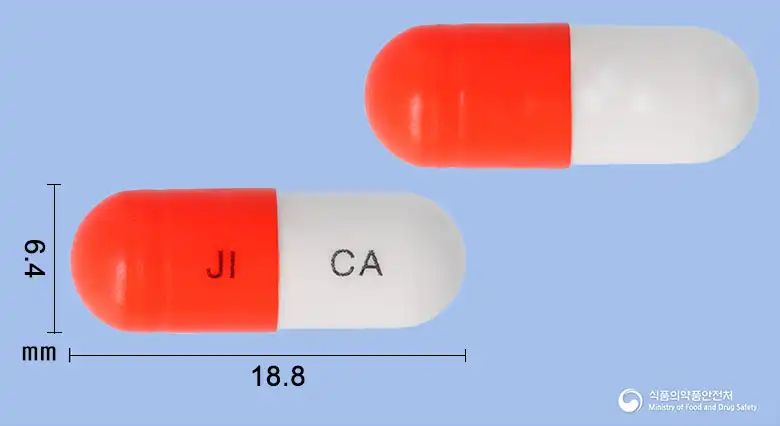
A pink oblong film-coated tablet and white spherical particles contained in a hard capsule with an upper orange and lower white color.
30 capsules/bottle, 100 capsules/bottle
Even with the same ingredient, strength, dosage form and how it is taken can differ.
Viewing nowCombinationClopidogrel Bisulfate 97.875mg · Aspirin 100mg
Hard capsule · Prescription medication · Combination
Jeil Pharmaceutical Co., Ltd.
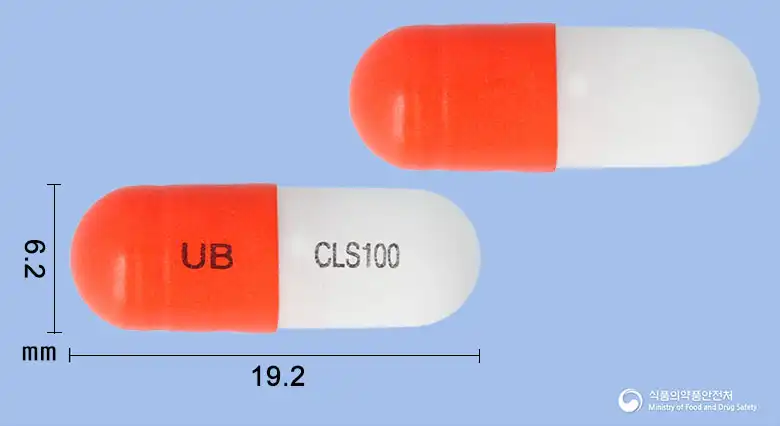 Combination
Clopidogrel Bisulfate 97.875mg · Aspirin 100mg
Hard capsule · Prescription medication · Combination
Korea Biochem Pharmaceutical Co., Ltd.
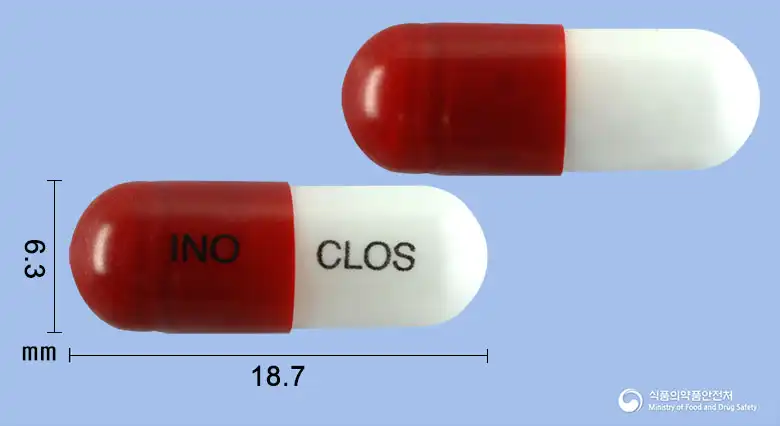 Combination
Clopidogrel Bisulfate 97.875mg · Aspirin 100mg
Hard capsule · Prescription medication · Combination
HK inno.N Co., Ltd.
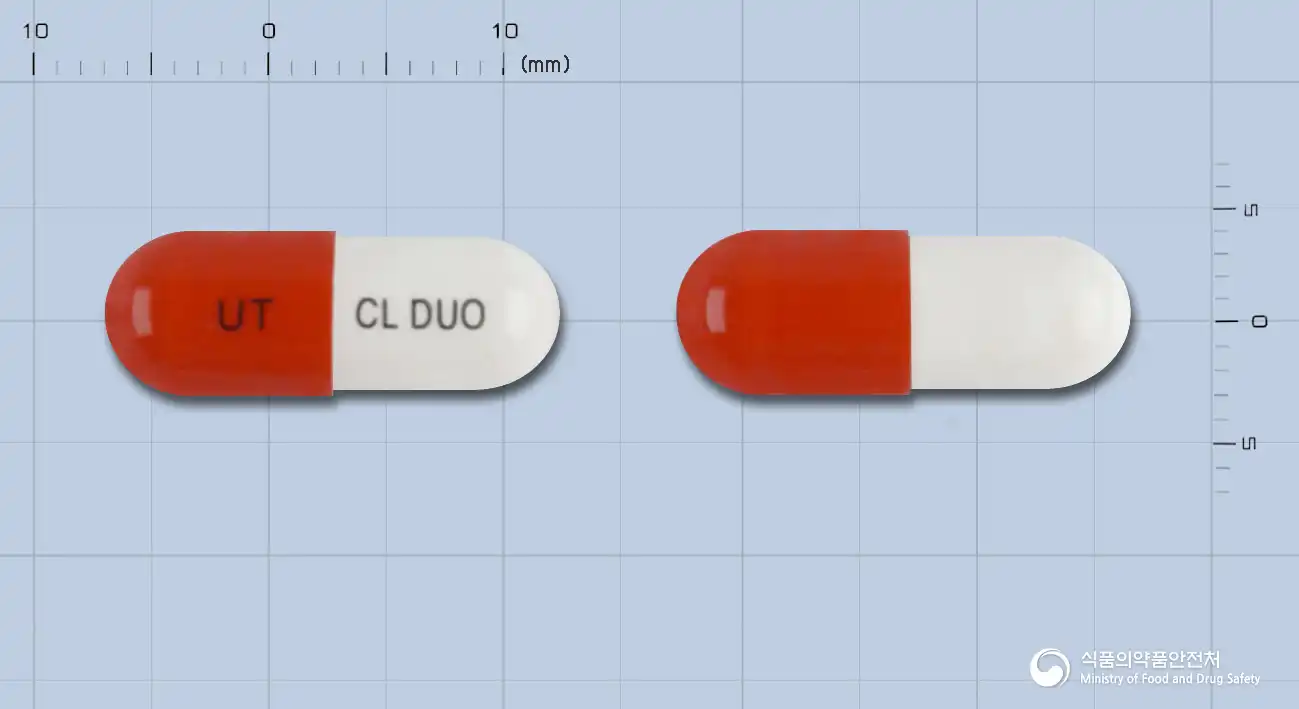 Combination
Clopidogrel Bisulfate 97.875mg · Aspirin 100mg
Hard capsule · Prescription medication · Combination
Korea United Pharm, Co., Ltd.
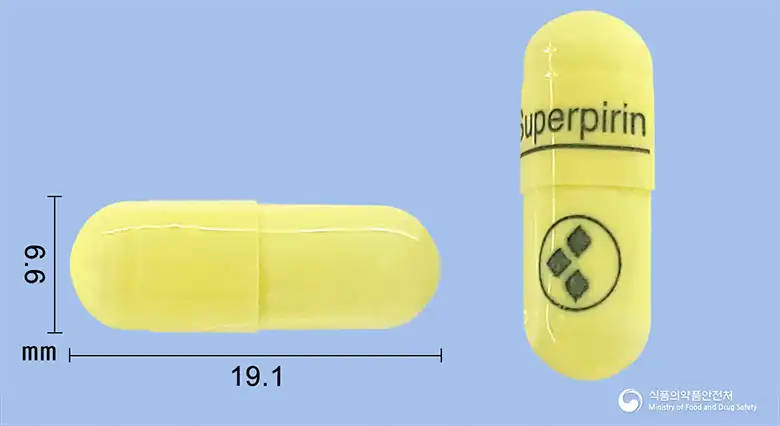 Combination
Aspirin 100mg · Clopidogrel Bisulfate 97.875mg
Hard capsule · Prescription medication · Combination
Myeongin Pharmaceutical Co., Ltd.
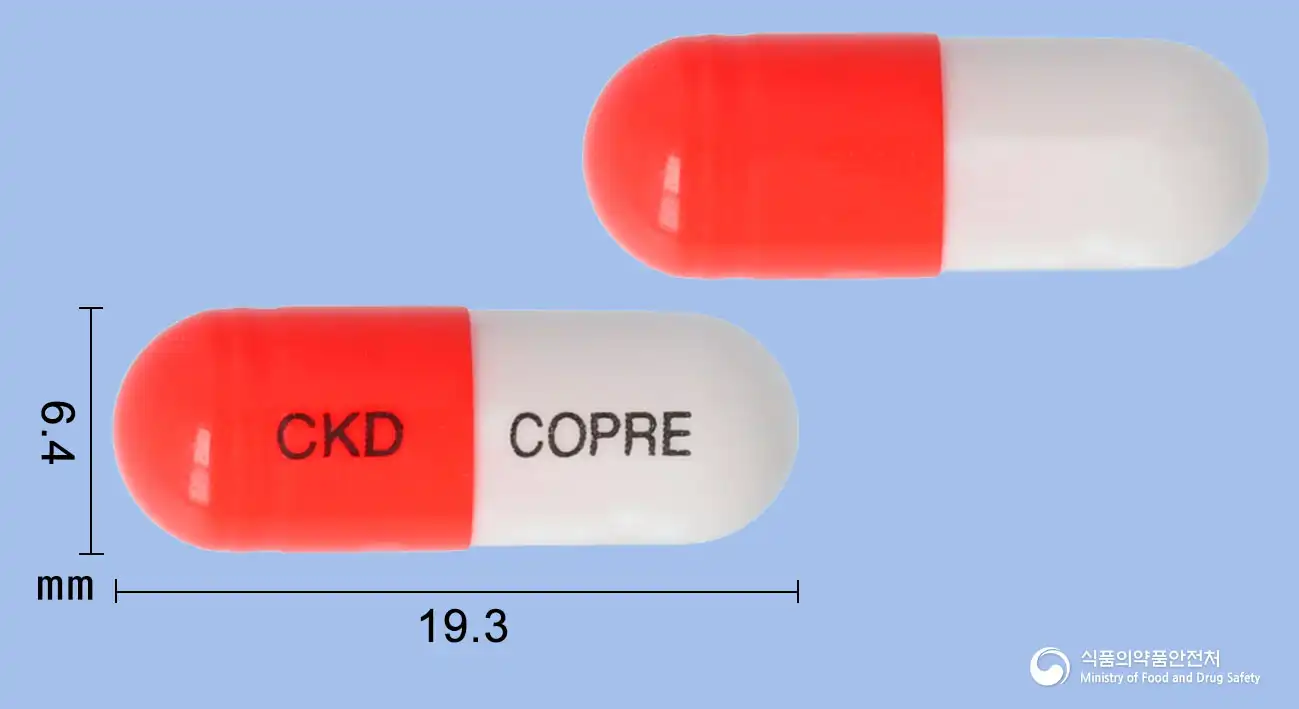 Combination
Clopidogrel Bisulfate 97.875mg · Aspirin 100mg
Hard capsule · Prescription medication · Combination
Jongkundang Co., Ltd.
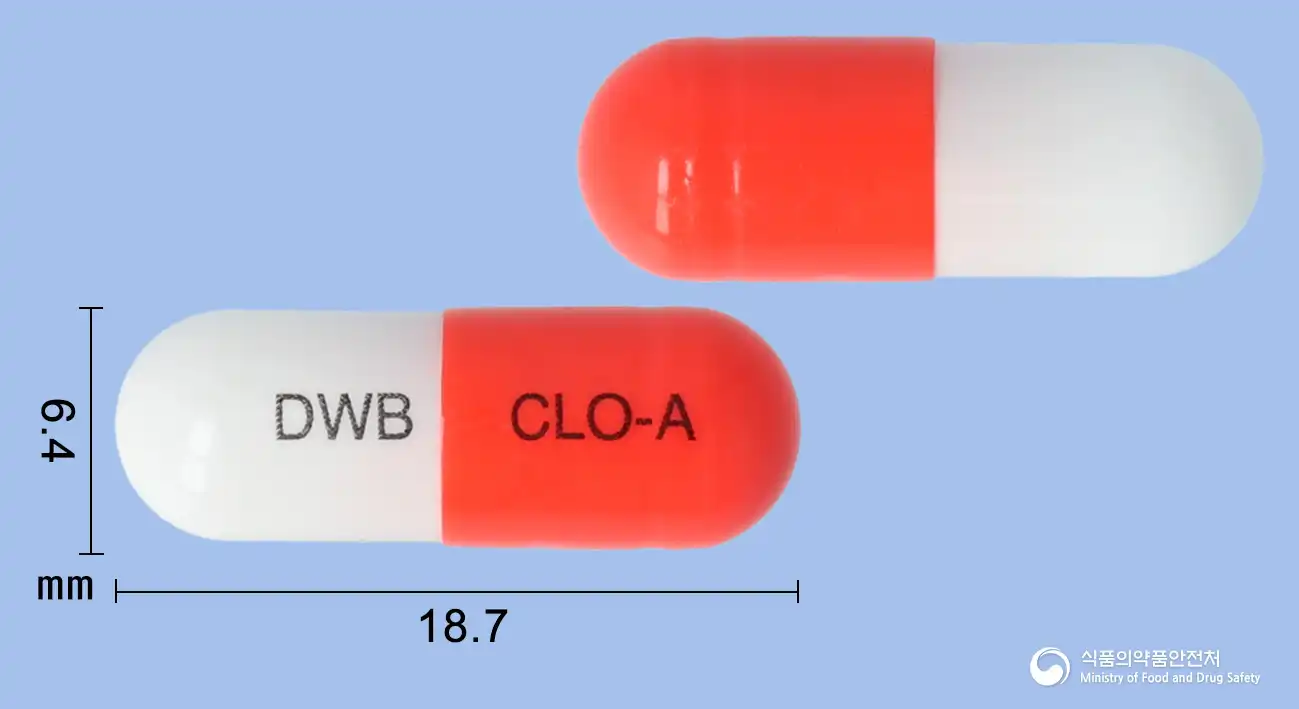 Combination
Clopidogrel Bisulfate 97.875mg · Aspirin 100mg
Hard capsule · Prescription medication · Combination
Daewoong Bio Co., Ltd.
 Combination
Aspirin 75mg · Clopidogrel Bisulfate 97.875mg
Hard capsule · Prescription medication · Combination
Myungin Pharmaceutical Co., Ltd.
Even with the same ingredient, the dose and directions can differ by strength and dosage form. Talk to a doctor or pharmacist before switching from a medication you are already taking.
No questions yet.
For anything that needs medical judgment, consult a doctor or pharmacist.
This drug information is based on data provided by the Korea Ministry of Food and Drug Safety.
Consult a doctor or pharmacist for accurate dosage, administration, and usage instructions.