
 한국어
 English
 日本語
 中文(简体)
 Viewing nowCombination
Bimobojung 500/20 mg
Naproxen 500mg · Esomeprazole Magnesium Trihydrate 22.3mg
Tablet · Prescription medication · Combination
LG Chem, Ltd.
MFDS item code 201200417 · Approved 2012.01.19 · Insurance code 668903330
Treatment of symptoms of arthritis and ankylosing spondylitis in patients at risk of gastrointestinal ulcers
Naproxen, a non-steroidal anti-inflammatory drug (NSAID), is used to treat symptoms of arthritis such as osteoarthritis, rheumatoid arthritis, and ankylosing spondylitis. However, this medication carries a risk of gastrointestinal side effects like gastric ulcers or duodenal ulcers, requiring caution. It may be considered for patients whose symptoms are not adequately controlled with lower doses of naproxen or other NSAIDs. This medication helps reduce inflammation and pain, improving the patient's daily life. Therefore, it should be used carefully under the guidance of healthcare professionals, and gastric protective measures are important. Overall, it is used for the treatment of symptoms from osteoarthritis, rheumatoid arthritis, and ankylosing spondylitis.
Adults: Administer 1 tablet (naproxen 500 mg/esomeprazole 20 mg) orally twice daily. Swallow this drug whole with water; do not split, chew, or crush it. It is recommended to take it at least 30 minutes before a meal.
This medication may pose a risk of stomach bleeding in individuals who regularly consume more than three alcoholic beverages daily, so it is essential to consult a doctor or pharmacist. This medication can increase the risk of cardiovascular diseases, so those with a history of heart disease or stroke or risk factors should use it with caution, and report any cardiovascular symptoms to a healthcare professional immediately. It may cause serious gastrointestinal problems such as gastrointestinal bleeding, ulcers, and perforations, especially in elders or those with a history of gastrointestinal diseases, who should be closely monitored during use. Individuals with allergies to naproxen, esomeprazole, or any components of this medication should not take it. Patients with peptic ulcers, blood disorders, liver or kidney dysfunction, heart failure, or hypertension should take this medication cautiously and report any unusual symptoms to a healthcare professional. If skin rashes, difficulty breathing, severe headache, vomiting, or blood disorders occur while taking this medication, you should stop taking it immediately and consult a doctor. Long-term use of this medication requires regular blood tests, liver function tests, and kidney function tests, and if any abnormalities are found, dosing should be adjusted or discontinued. It should not be used during pregnancy, especially in the third trimester, as it may harm the fetus, and it is also advisable for breastfeeding women to avoid this medication. It is not recommended for children under the age of 18 as safety and efficacy have not been established. Elders have a higher risk of side effects such as gastrointestinal bleeding, so they should take the minimum effective dose cautiously. This medication interacts with many other drugs, so if you are taking other medications, inform your healthcare provider, especially when taking anticoagulants, diuretics, or antiviral medications. Swallow the tablet whole with water without chewing or breaking it, and it is recommended to take it at least 30 minutes before meals for optimal absorption. Caution is advised when driving or operating machinery, as drowsiness or weakness may occur. In case of overdose, gastrointestinal disturbances, renal dysfunction, or coma may occur, requiring immediate medical assistance. It is vital to closely monitor the patient's condition before and during the use of this medication and promptly consult a specialist if any unusual symptoms arise.
Gastrointestinal bleeding, serious cardiovascular thrombotic reactions, myocardial infarction, stroke, bleeding in the stomach or intestines, ulcer, perforation, diverticulitis, eosinophilia, leukopenia, hypersensitivity reactions, appetite disorders, fluid retention, hyperkalemia, hyperuricemia, anxiety, depression, insomnia, mental confusion, abnormal dreams, dizziness, headache, taste disorder, perceptual disturbances, fainting, drowsiness, tremor, tinnitus, vertigo, arrhythmia, palpitations, myocardial infarction, tachycardia, hypertension, asthma, bronchospasm, dyspnea, dyspepsia, abdominal pain, constipation, diarrhea, esophagitis, abdominal distension, gastric ulcer, gastritis, nausea, vomiting, dry mouth, belching, gastrointestinal bleeding, stomatitis, glossitis, hematemesis, rectal bleeding, skin rash, dermatitis, sweating, itching, urticaria, hair loss, petechiae, arthralgia, myalgia, proteinuria, renal failure, menstrual disorders, edema, lethargy, fatigue, fever, abnormal liver function test results, increased serum creatinine, shock symptoms, PIE syndrome, anaphylactic reactions, urticaria, rash, pruritus, hematemesis, peptic ulcer, perforation, upper abdominal discomfort, gastric pain, nausea, vomiting, loss of appetite, heartburn, black stool, thirst, pancreatitis, colitis, exacerbation of inflammatory bowel disease, ulcerative stomatitis, agranulocytosis, eosinophilia, granulocytopenia, pancytopenia, leukopenia, thrombocytopenia, aplastic anemia, hemolytic anemia, platelet dysfunction, lymphadenitis, elevated GOT, GPT levels, jaundice, hepatitis, liver failure, cholestasis, glomerulonephritis, hematuria, nephrotic syndrome, renal papillary necrosis, oliguria, polyuria, interstitial nephritis, cognitive dysfunction, dizziness, paresthesia, decreased libido, loss of concentration, disorientation, muscle weakness, agitation, hallucinations, neuroexcitation, aseptic meningitis, pneumonia, pulmonary edema, respiratory depression, eczema, sweating, purpura, photosensitivity, erythema, necrotizing erythema, erythema multiforme, Stevens-Johnson syndrome, epidermolysis bullosa, nodular erythema, fixed drug eruption, lichen planus, late-onset porphyria, exfoliative dermatitis, pustular reaction, hearing impairment, visual impairment, hyperglycemia, hypoglycemia, weight changes, sepsis, angioedema, congestive heart failure, stroke, infertility, chills, vasculitis, elevated serum creatinine levels, leukopenia, thrombocytopenia, fever, vascular edema, anaphylactic reactions, shock, peripheral edema, hyponatremia, hypomagnesemia, aggression, headache, blurred vision, bronchospasm, gastrointestinal candidiasis, microscopic inflammation of the colon, Clostridium difficile-associated diarrhea, increased liver enzymes, hepatic encephalopathy, photosensitivity, toxic epidermal necrolysis, acute generalized exanthematous pustulosis, DRESS syndrome, muscle weakness, gynecomastia, increased sweating, myasthenia, hypocalcemia, hypokalemia, myalgia, myalgia, muscle weakness, acute interstitial nephritis, somnolence, epigastric pain, abdominal discomfort, heartburn, hypoprothrombinemia, metabolic acidosis, apnea, loss of direction
Not everyone experiences these, and they can vary from person to person.
This medication should be stored in a tightly closed container as it may be sensitive to air or moisture. Avoid storing it in excessively hot or cold places, and keeping it at room temperature between 1 and 30 degrees Celsius is ideal.
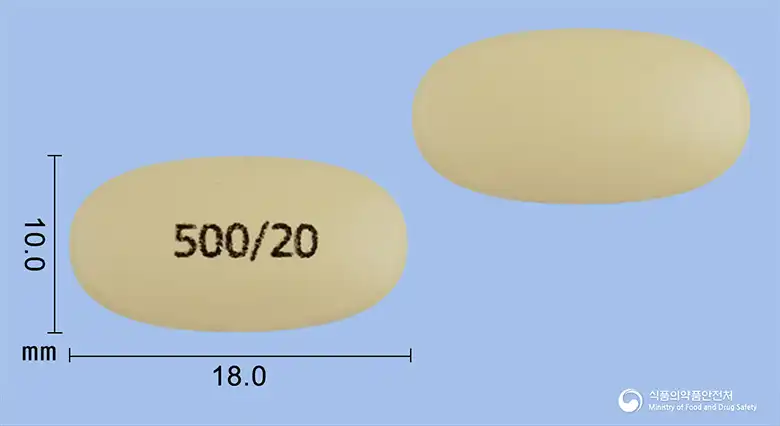
Yellow film-coated tablet that is oval-shaped and biconvex, consisting of a core and an outer shell.
30 tablets/bottle, 60 tablets/bottle
Even with the same ingredient, strength, dosage form and how it is taken can differ.
Viewing nowCombinationNaproxen 500mg · Esomeprazole Magnesium Trihydrate 22.3mg
Tablet · Prescription medication · Combination
LG Chem, Ltd.
 Combination
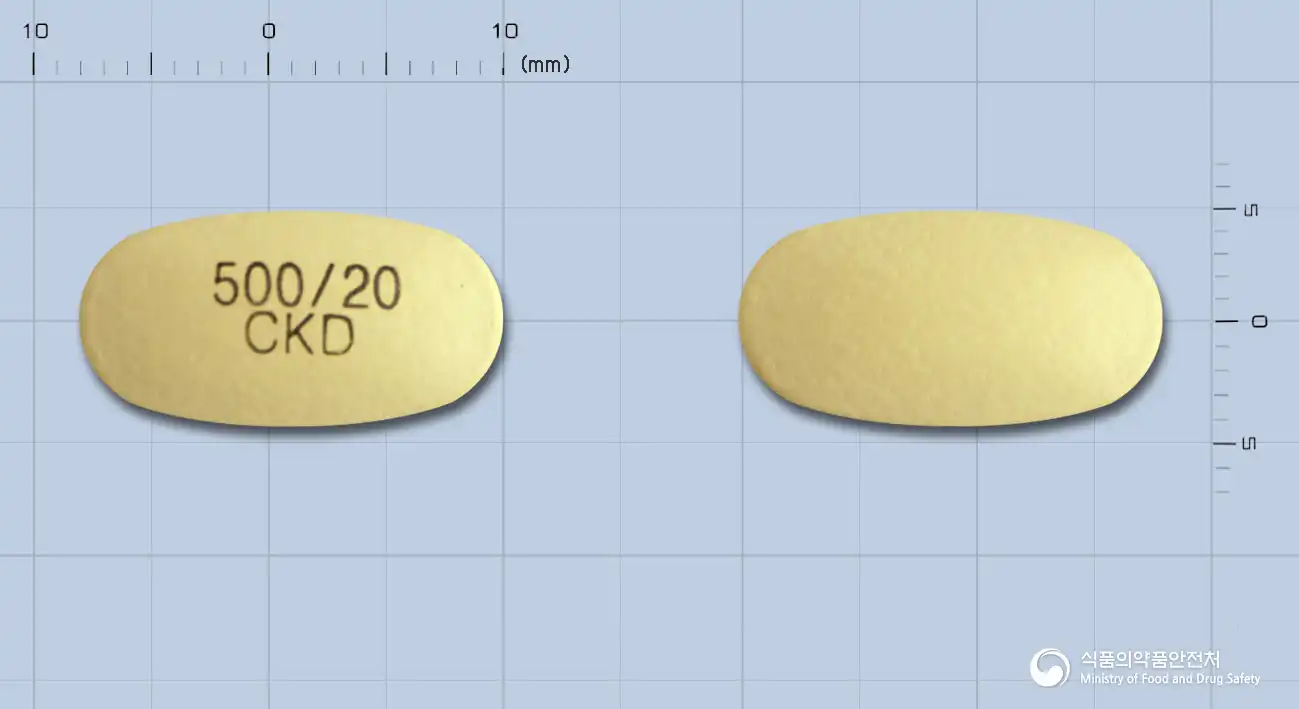
Naproxen 500mg · Esomeprazole Magnesium Dihydrate 21.7mg
Tablet · Prescription medication · Combination
Chong Kun Dang Pharmaceutical Corp.
 Combination
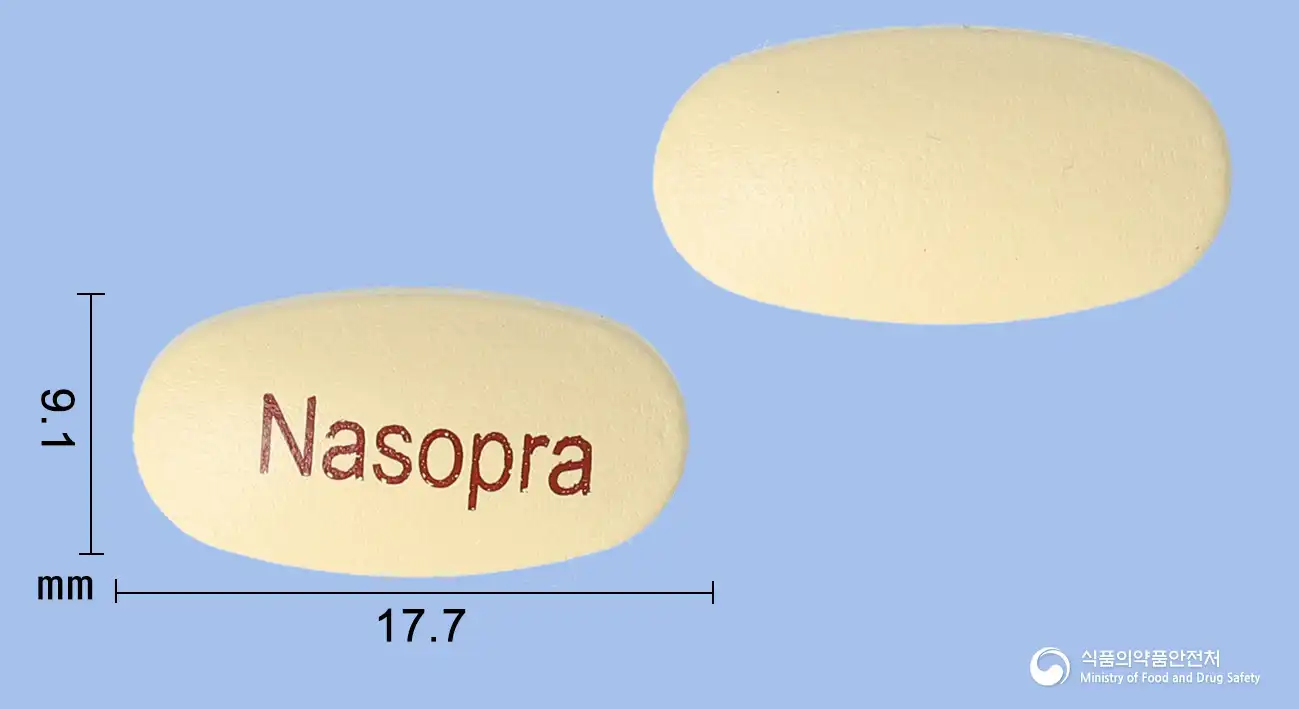
Naproxen 500mg · Esomeprazole Magnesium Trihydrate 22.3mg
Tablet · Prescription medication · Combination
Kyungdong Pharmaceutical Co., Ltd.
 Combination
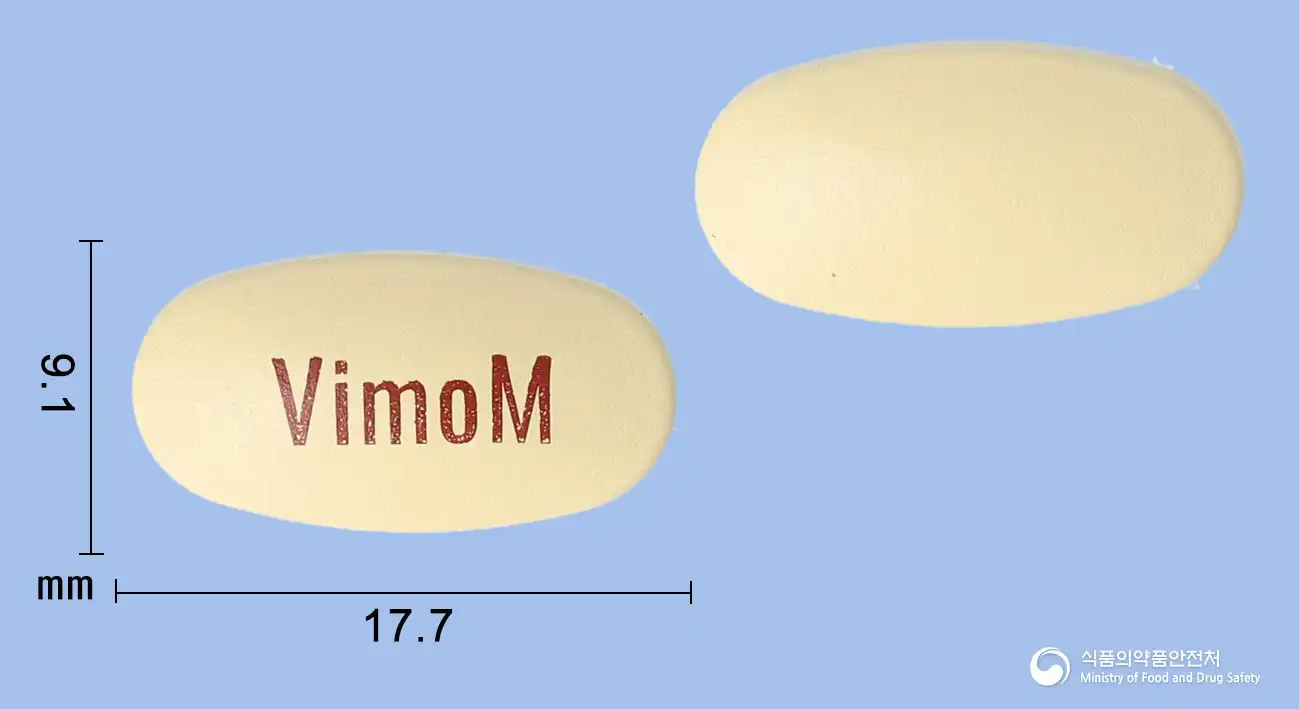
Naproxen 500mg · Esomeprazole Magnesium Trihydrate 22.3mg
Tablet · Prescription medication · Combination
Mothers Pharmaceutical Co., Ltd.
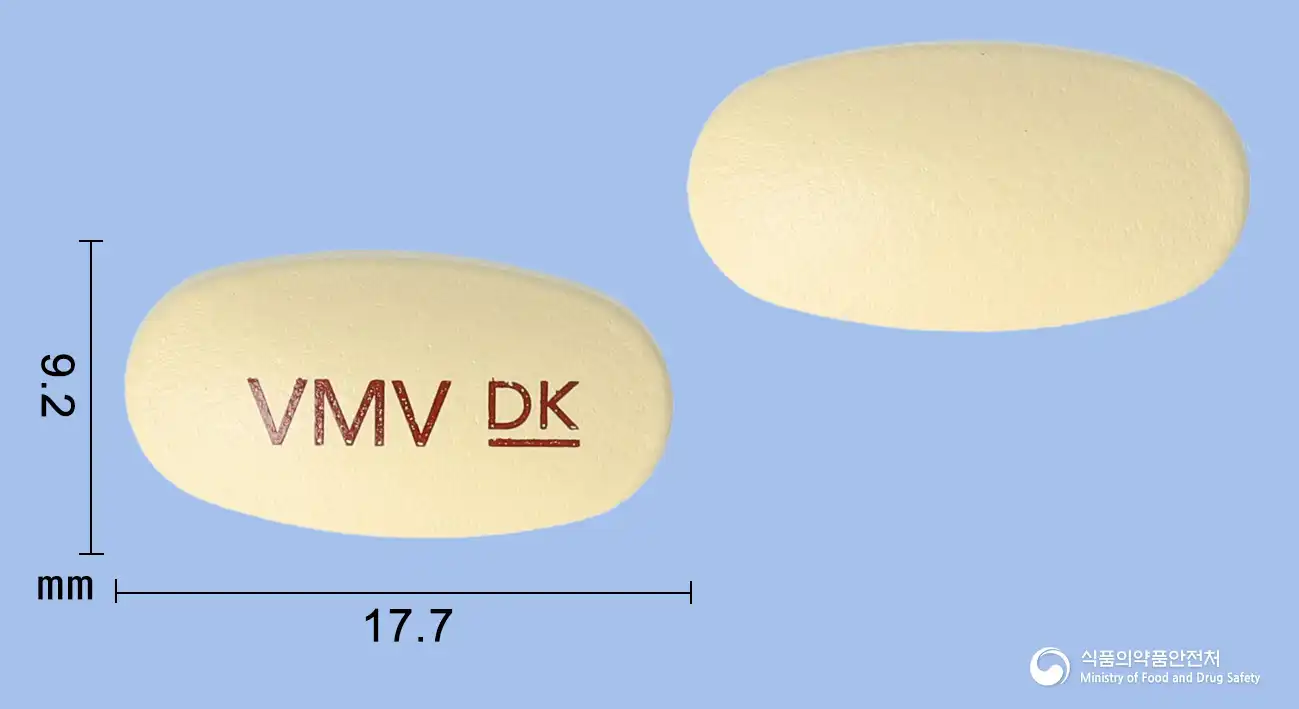 Combination
Naproxen 500mg · Esomeprazole Magnesium Trihydrate 22.3mg
Tablet · Prescription medication · Combination
Dongkook Pharm. Co., Ltd.
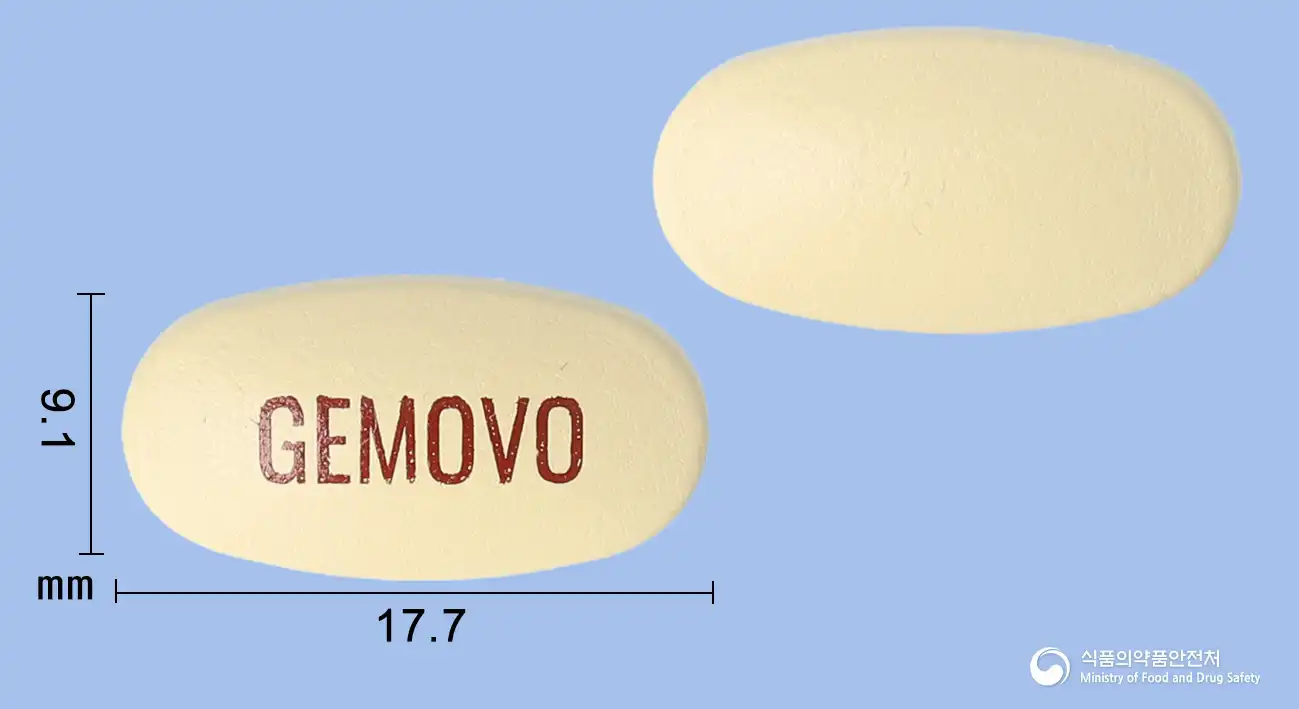 Combination
Naproxen 500mg · Esomeprazole Magnesium Trihydrate 22.3mg
Tablet · Prescription medication · Combination
Genewon Science Co., Ltd.
Even with the same ingredient, the dose and directions can differ by strength and dosage form. Talk to a doctor or pharmacist before switching from a medication you are already taking.
No questions yet.
For anything that needs medical judgment, consult a doctor or pharmacist.
This drug information is based on data provided by the Korea Ministry of Food and Drug Safety.
Consult a doctor or pharmacist for accurate dosage, administration, and usage instructions.