
 한국어
한국어 English
 日本語
日本語 中文(简体)
 Viewing nowCombination
Ibuprofen Plus Tablets
Ibuprofen 200mg · Licorice 170mg +3 more
Tablet · OTC medication · Combination
Jeongwoo New Drug Co., Ltd.
MFDS item code 201110747 · Notified 2011.12.12
Relief of pain such as headaches, toothaches, and the antipyretic effect in chills and fever
This medication is used to relieve various types of pain including headaches, toothaches, joint and muscle pain, lower back pain, neuralgia, shoulder pain, and menstrual pain. It is also effective for symptoms such as fever and chills, helping to reduce body heat. It can be used for pain relief after injuries or trauma and helps to alleviate common pain and fever symptoms that occur frequently in daily life.
Adults and individuals aged 15 years and older should take 2 tablets three times daily, avoiding intake on an empty stomach. The interval between doses should be at least 4 hours, and the maximum daily dose is 6 tablets (1,200mg of ibuprofen).
This medication may cause serious side effects such as gastrointestinal bleeding if taken by individuals who regularly consume more than three drinks per day, so it is essential to consult a doctor or pharmacist beforehand. Individuals with cardiovascular disease or risk factors such as hypertension, diabetes, or smoking should use this medication with caution, especially avoiding high doses above 2400mg per day. Those with a history of allergic reactions to this medication, those who have experienced asthma, infants under three months old, and individuals with congenital lactose intolerance should not take this medication. It is safe not to take this medication with other antipyretics or cold medications, and children under 15 years or individuals with specific illnesses must consult a healthcare professional before taking it. If symptoms such as rash, vomiting, abdominal pain, dizziness, or swelling occur during use, stop taking the medication immediately and consult a healthcare professional as severe allergic reactions or skin abnormalities may occur. Children under two years should not generally use this medication unless in special circumstances. Strictly adhere to the prescribed dosage and instructions for use, avoid prolonged use, and refrain from alcohol consumption. When taken with certain diuretics or medications containing glycyrrhiza, there is a risk of hypokalemia or muscle problems, so caution is advised. After 20 weeks of pregnancy, use should be avoided or minimized to short periods as it may affect the fetus, and especially after 30 weeks of pregnancy, it is safest not to use it. This medication should be stored out of reach of children, in a cool place protected from direct sunlight and moisture, and it is preferable not to transfer it to another container.
Not everyone experiences these, and they can vary from person to person.
Do not take this medication with other antipyretics, cold medications, or analgesics. If taken with diabetes medications, gout medications, arthritis medications, anticoagulants, steroids, diuretics, low-dose aspirin, potassium-containing preparations, glycyrrhizin or its salts, loop diuretics (furosemide, ethacrynic acid), or thiazide diuretics (trichlormethiazide), consult your doctor or pharmacist.
Do not consume alcohol while taking this medication.
This medication should be stored in an air-tight container, ideally at room temperature between 1 and 30 degrees Celsius. This storage method helps maintain the effectiveness of the medication for a longer period.
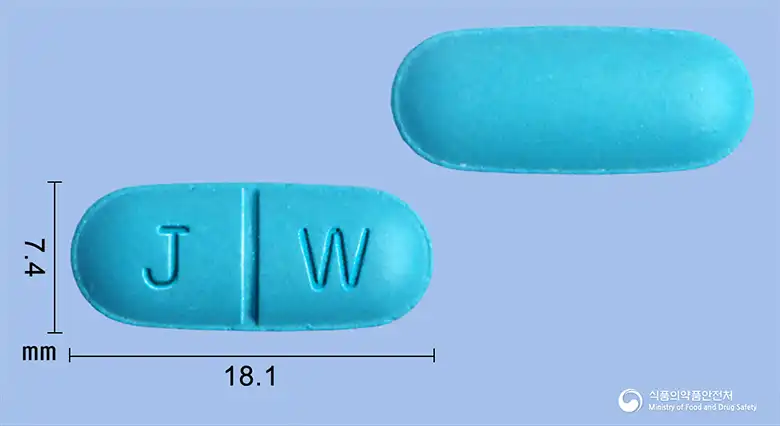
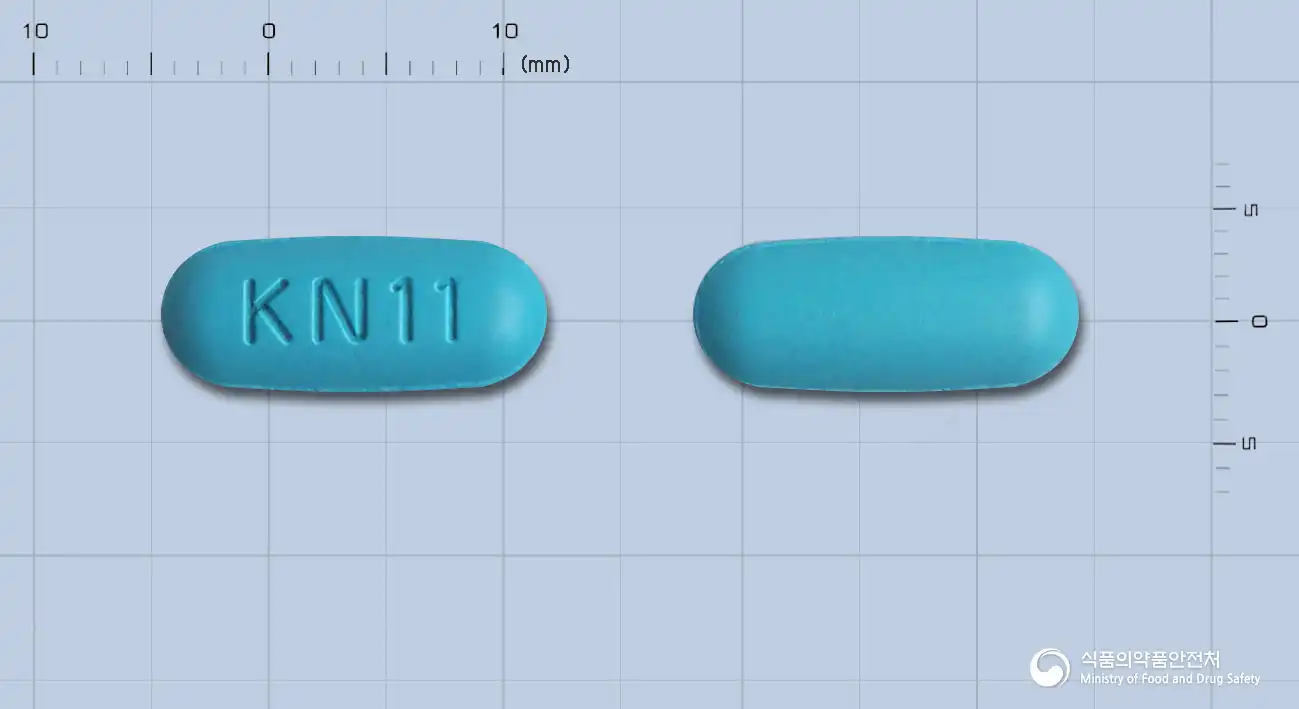
Blue oblong film-coated tablets
10 tablets (10 tablets/PTP*1)
Even with the same ingredient, strength, dosage form and how it is taken can differ.
Viewing nowCombinationIbuprofen 200mg · Licorice 170mg +3 more
Tablet · OTC medication · Combination
Jeongwoo New Drug Co., Ltd.
 Combination
Ibuprofen 200mg · Licorice 170mg +3 more
Tablet · OTC medication · Combination
Kyungnam Pharmaceutical Co., Ltd.
 Combination
Licorice 170mg · Cinnamon Bark 170mg +3 more
Tablet · OTC medication · Combination
I World Pharmaceutical Co., Ltd.
 Combination
Licorice 170mg · Cinnamon Bark 170mg +3 more
Tablet · OTC medication · Combination
Wonkwang Pharmaceutical Co., Ltd.
Even with the same ingredient, the dose and directions can differ by strength and dosage form. Talk to a doctor or pharmacist before switching from a medication you are already taking.
No questions yet.
For anything that needs medical judgment, consult a doctor or pharmacist.
This drug information is based on data provided by the Korea Ministry of Food and Drug Safety.
Consult a doctor or pharmacist for accurate dosage, administration, and usage instructions.