
 한국어
 English
 日本語
 中文(简体)
 Viewing now
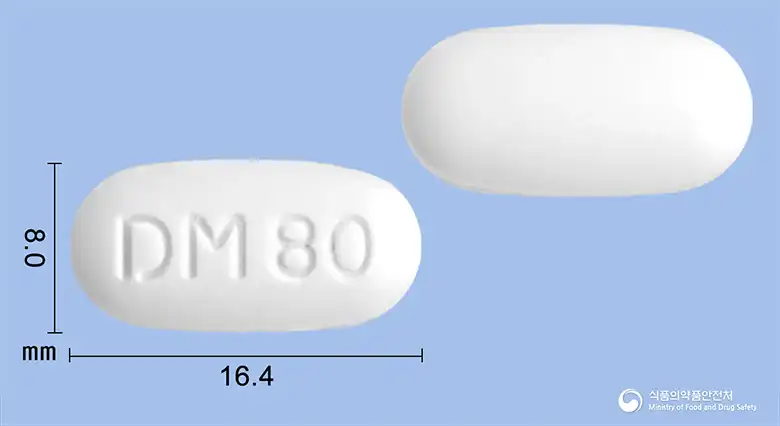
Pretension 80 mg Tablet (Telmisartan)
Telmisartan Powder 23.9% 80mg
Tablet · Prescription medication
Dasan Pharmaceutical Co., Ltd.
MFDS item code 201110062 · Approved 2011.11.15 · Insurance code 678600190
Treatment of essential hypertension and prevention of cardiovascular disease in high-risk patients
This medication is used for the treatment of essential hypertension. It also helps to reduce the risk of myocardial infarction, stroke, and death due to cardiovascular diseases in patients over 55 years of age who are at high risk and are unable to take ACE inhibitors. In other words, it is effective not only in controlling hypertension but also in preventing serious complications from cardiovascular diseases. With these benefits, it protects patients' heart health and lowers the chance of serious cardiovascular events. Therefore, this medication is used for reducing the risk of hypertension and cardiovascular diseases.
1. Essential hypertension Adults: Telmisartan 40 mg should be administered orally once daily with water, and may be taken with or without food. For some patients, 20 mg once daily may be effective. If necessary, the dose may be increased to 80 mg once daily. The maximum blood pressure-lowering effect is achieved 4 ∼ 8 weeks after starting treatment when the dose is increased. This drug produces an additional blood pressure-lowering effect when coadministered with thiazide diuretics such as hydrochlorothiazide. 2. Reduction of cardiovascular risk Adults: It is recommended that 80 mg of this drug be administered orally once daily with water, and it may be taken with or without food. The risk-reduction effect on cardiovascular morbidity and mortality at doses below 80 mg has not been established. When initiating treatment with this drug to reduce cardiovascular risk, blood pressure monitoring is recommended, and appropriate adjustment of antihypertensive therapy may be required. ○ Patients with hepatic impairment Administer with caution to patients with mild ∼ moderate hepatic impairment, and do not exceed 40 mg once daily.
This medication can cause serious harm to the fetus, especially during pregnancy, so it should be stopped immediately if pregnancy is confirmed. Women who are pregnant or breastfeeding, as well as patients with an allergy to this medication or its ingredients, should not take it. Patients with severely impaired liver function or problems with bile flow are also advised not to use this medication. Patients with a history of angioedema, diabetes, or renal function impairment should exercise caution when taking this medication. Elderly patients, those with high blood potassium levels, or those with slightly impaired liver function should also use this medication with caution. Patients with valvular heart disease or cardiac dysfunction, as well as gastrointestinal disease patients, need to exercise caution when taking this medication. Patients with renal artery stenosis or severe renal impairment should consult with a physician before using this medication. This medication is used to treat hypertension and lowers blood pressure, but side effects such as dizziness, hypotension, and increased blood potassium levels may occur during treatment. Regular monitoring of blood pressure and kidney function is necessary, especially because blood pressure may drop too low or renal function may be affected. When taking this medication, it may interact with other antihypertensive drugs, diuretics, potassium supplements, etc., so be sure to inform your physician or pharmacist. Caution is needed while driving or operating machinery due to the risk of dizziness or fainting. In case of overdose, symptoms such as hypotension, dizziness, and acute renal failure may occur; immediate medical attention is required, and this medication is not removed by dialysis. It is not recommended for children and adolescents under 18 since safety and effectiveness have not been established. This medication contains sorbitol, so people with fructose intolerance should avoid taking it. Before and after taking the medication, keep it out of the reach of children, and take the tablet directly from the sealed packaging.
Not everyone experiences these, and they can vary from person to person.
Store this medication in a tightly sealed container, avoiding exposure to air or moisture. The recommended storage temperature is between 1 degree and 30 degrees Celsius. This helps maintain the effectiveness of the medication.
White or off-white oval-shaped tablet
30 tablets (10 tablets/PTP*3)
Even with the same ingredient, strength, dosage form and how it is taken can differ.
Viewing nowTelmisartan Powder 23.9% 80mg
Tablet · Prescription medication
Dasan Pharmaceutical Co., Ltd.
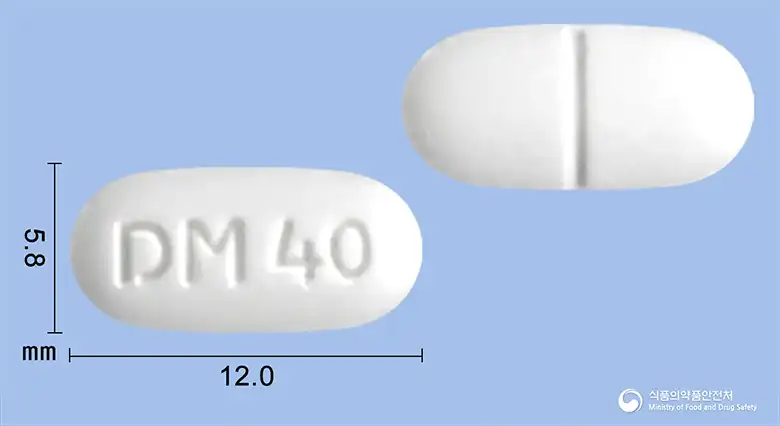
Telmisartan Powder 23.9% 40mg
Tablet · Prescription medication
Dasan Pharmaceutical Co., Ltd.
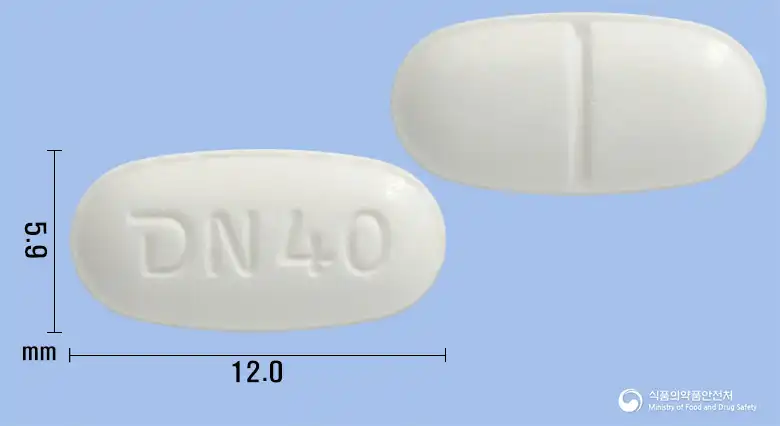
Telmisartan Powder 23.9% 167.36mg
Tablet · Prescription medication
Daehan New Pharm Co., Ltd.
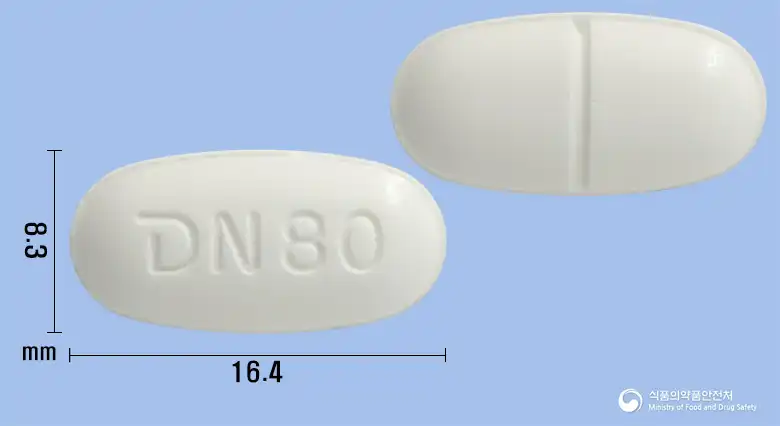
Telmisartan Powder 23.9% 334.72mg
Tablet · Prescription medication
Daehan New Pharm Co., Ltd.
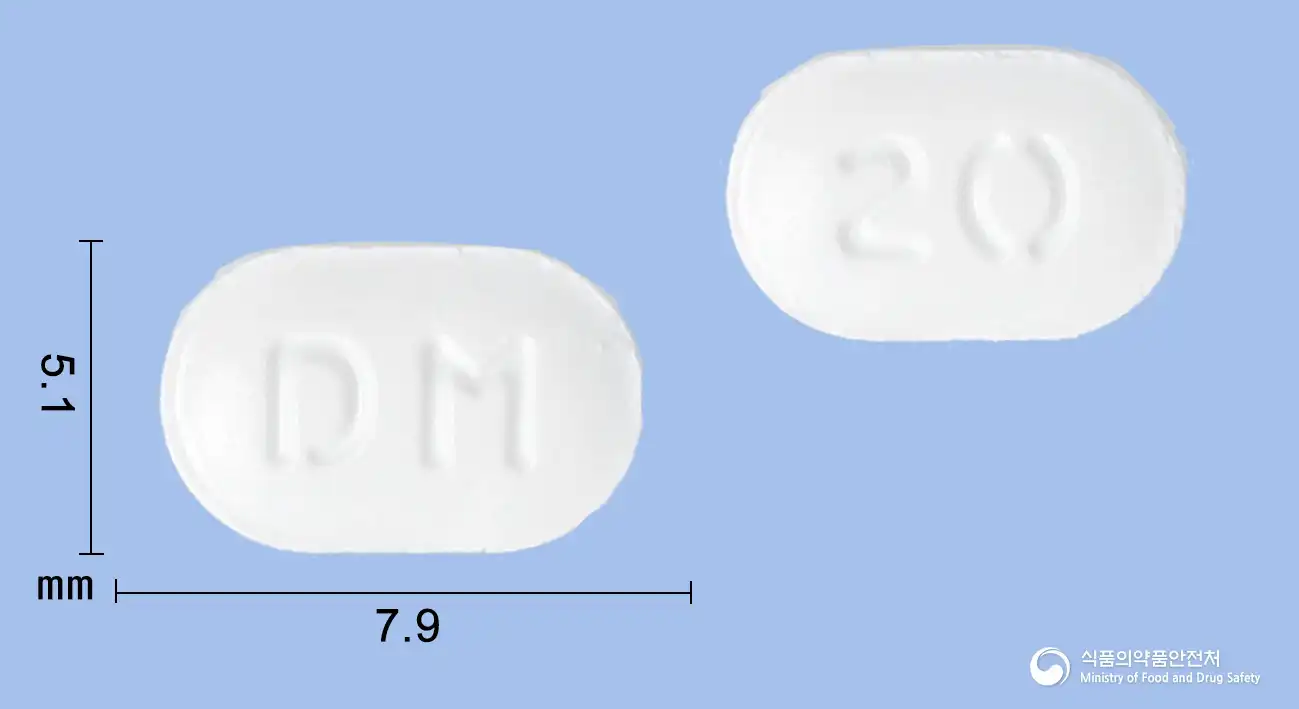
Telmisartan Powder 23.9% 83.68mg
Tablet · Prescription medication
Dasan Pharmaceutical Co., Ltd.
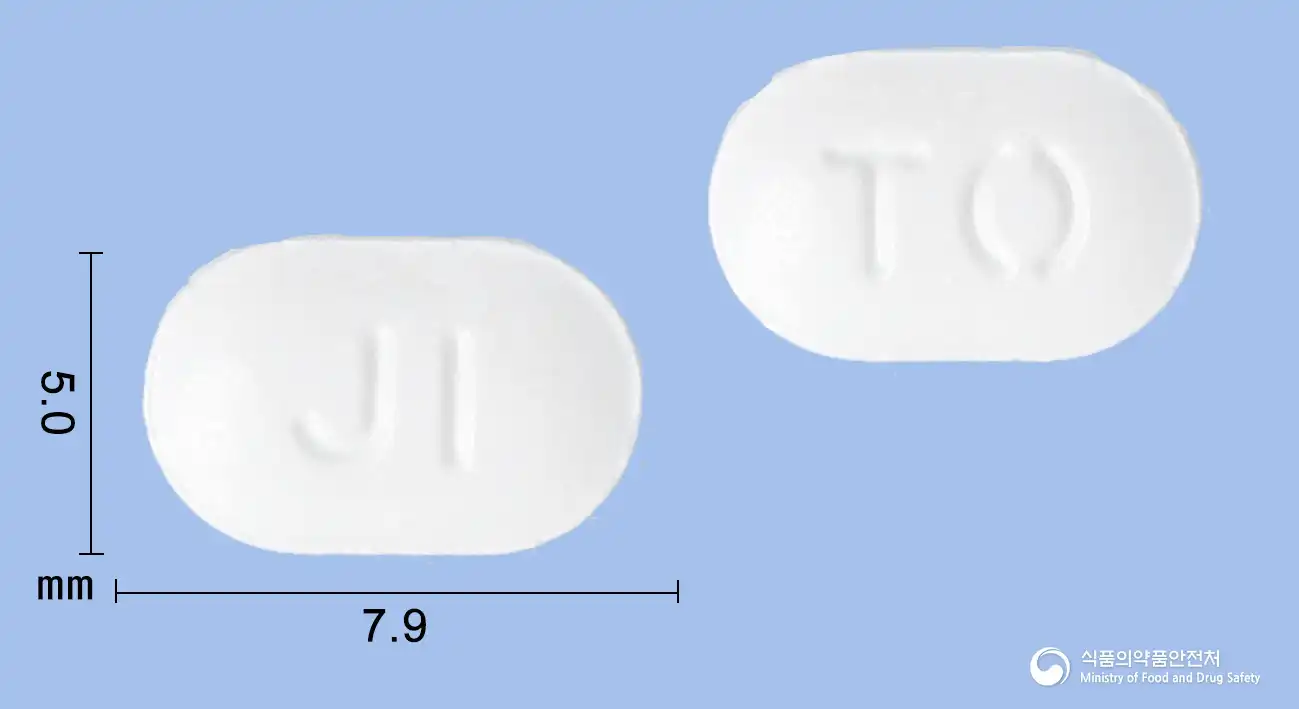
Telmisartan Powder 23.9% 83.68mg
Tablet · Prescription medication
Jeil Pharmaceutical Co., Ltd.
Even with the same ingredient, the dose and directions can differ by strength and dosage form. Talk to a doctor or pharmacist before switching from a medication you are already taking.
No questions yet.
For anything that needs medical judgment, consult a doctor or pharmacist.
This drug information is based on data provided by the Korea Ministry of Food and Drug Safety.
Consult a doctor or pharmacist for accurate dosage, administration, and usage instructions.