
 한국어
한국어 English
 日本語
日本語 中文(简体)
Dosage form image
Viewing nowAbilify Tablet 10 mg (Aripiprazole)
Aripiprazole
Prescription medication
Unimed Pharmaceutical Co., Ltd.
MFDS item code 201110056 · Approved 2011.11.15
This product's status changed to Approval withdrawn on 2023.02.28. It may no longer be sold, so consult a doctor or pharmacist before taking it.
Improvement of symptoms of schizophrenia
This medication is used to treat schizophrenia.
The recommended initial dose for adult patients with schizophrenia is 10 mg or 15 mg once daily, regardless of meals. The dose may be adjusted within the range of 10-30 mg per day, and it should not be increased before the patient has been at the necessary dosage for 2 weeks to reach steady state. Maintenance therapy should continue for 26 weeks after symptoms stabilize, and patients should be periodically reassessed.
This medication may increase the risk of suicidal thoughts or behaviors in children, adolescents, and young adults with major depressive disorder or psychiatric illness. Therefore, the patient's condition should be carefully monitored during treatment, and family members or guardians should also closely observe any changes in the patient's behavior. This medication is not approved for the treatment of pediatric depression. Additionally, during treatment, there is a risk of serious side effects known as neuroleptic malignant syndrome, which can manifest as high fever, muscle stiffness, or changes in consciousness; immediate medical attention should be sought if these symptoms occur. This medication may cause tardive dyskinesia, an irreversible movement disorder, after prolonged use, thus it should be used at the minimum effective dose and for the shortest duration possible. In elderly patients with dementia, there is an increased risk of cerebrovascular events such as stroke and higher mortality rates, so the use of this medication is not recommended. Diabetic patients or those at risk for diabetes should regularly monitor blood glucose levels while taking this medication, and if symptoms of hyperglycemia occur, they should consult their healthcare provider immediately. This medication may increase the risk of thrombosis, therefore, patients with risk factors for thrombosis should consult their doctor before taking this medication. Patients with cardiovascular disease, hypotension, or a history of seizures should also use caution while taking this medication, as drowsiness or dizziness may occur, so it is advised to be careful while driving or operating hazardous machinery. This medication contains lactose, so patients with lactose intolerance should not take it. If any unusual behavior, suicidal impulses, or worsening depression occur during treatment, healthcare professionals should be informed immediately, and dosage adjustments may be necessary depending on the symptoms. Safety and efficacy have not been sufficiently established in children and adolescents, thus special caution is required when used in this population.
Not everyone experiences these, and they can vary from person to person.
This medication should be stored in a tightly sealed container to prevent exposure to air and moisture. It is advisable to maintain storage temperatures between 1°C and 30°C.
Pink rectangular tablet
30 tablets/bottle, 100 tablets/bottle
Even with the same ingredient, strength, dosage form and how it is taken can differ.
Aripiprazole
Prescription medication
Unimed Pharmaceutical Co., Ltd.
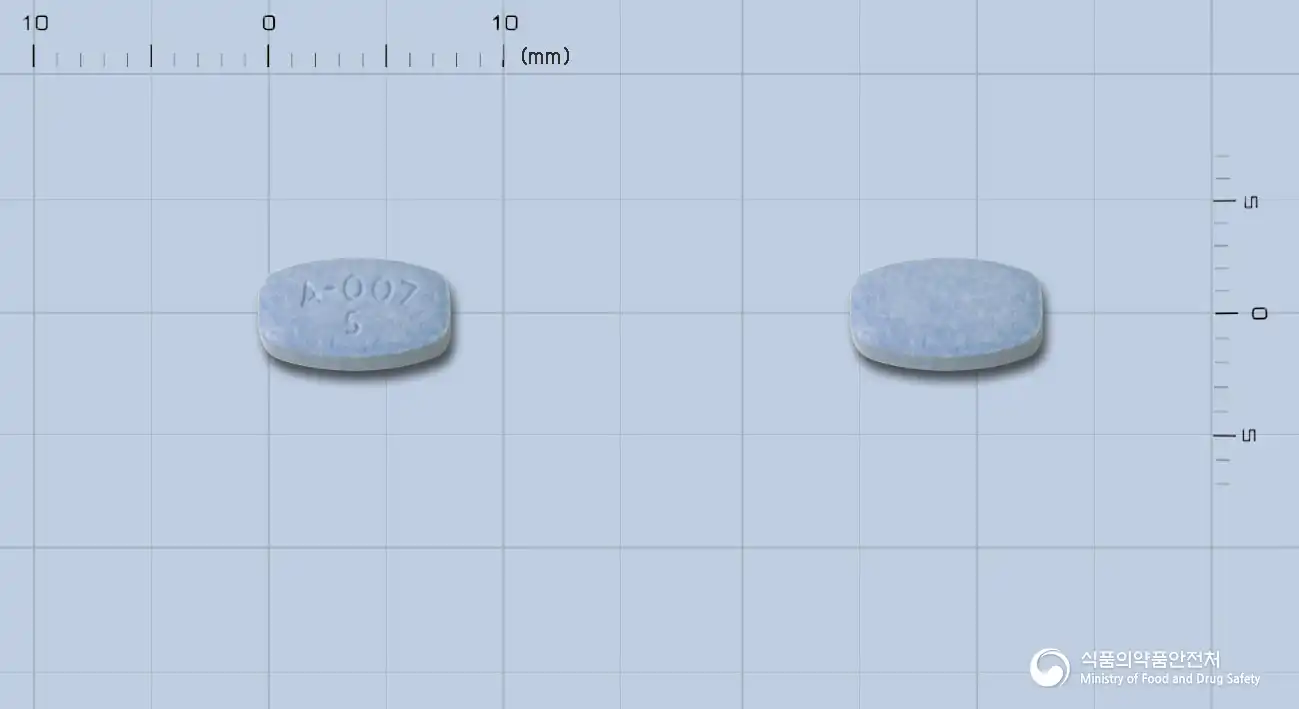
Aripiprazole 5mg
Tablet · Prescription medication
Otsuka Pharmaceutical Co., Ltd.

Aripiprazole 10mg
Tablet · Prescription medication
Otsuka Pharmaceutical Co., Ltd.

Aripiprazole 15mg
Tablet · Prescription medication
Otsuka Pharmaceutical Co., Ltd.

Aripiprazole 2mg
Tablet · Prescription medication
Korea Otsuka Pharmaceutical Co., Ltd.
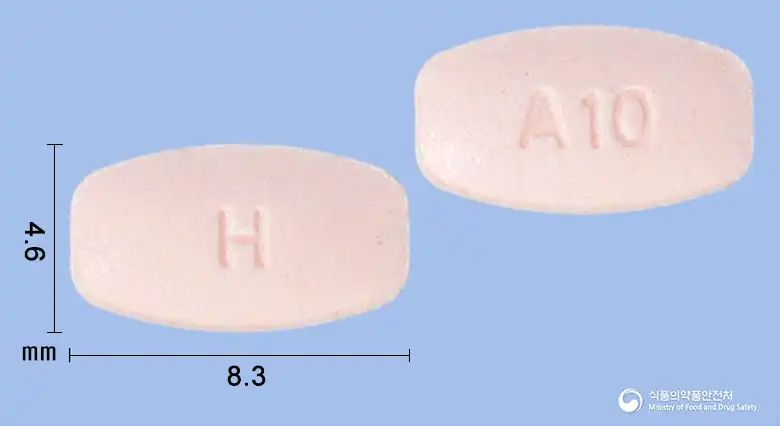
Aripiprazole 10mg
Tablet · Prescription medication
Hyundai Pharmaceutical Co., Ltd.

Aripiprazole 5mg
Tablet · Prescription medication
Hyundai Pharmaceutical Co., Ltd.
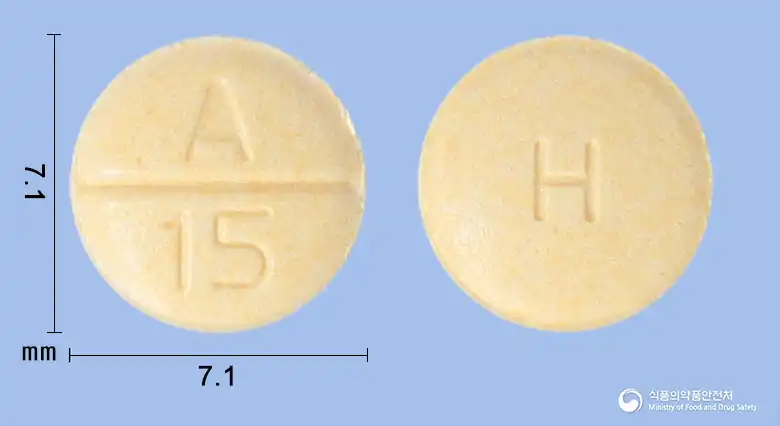
Aripiprazole 15mg
Tablet · Prescription medication
Hyundai Pharmaceutical Co., Ltd.
Even with the same ingredient, the dose and directions can differ by strength and dosage form. Talk to a doctor or pharmacist before switching from a medication you are already taking.
No questions yet.
For anything that needs medical judgment, consult a doctor or pharmacist.
This drug information is based on data provided by the Korea Ministry of Food and Drug Safety.
Consult a doctor or pharmacist for accurate dosage, administration, and usage instructions.