
 한국어
 English
 日本語
 中文(简体)
Dosage form image
Viewing nowOptifadin Eye Drops (Olopatadine Hydrochloride)
Olopatadine Hydrochloride 1.11mg
Eye drops · Prescription medication
IYOUN Pharmaceutical Co., Ltd.
MFDS item code 201108548 · Notified 2011.10.13 · Insurance code 658602611
Treatment of symptoms of allergic conjunctivitis
This drug is used effectively to relieve symptoms such as itching, redness, and tearing of the eyes caused by allergic conjunctivitis.
Instill 1 drop into the eye 2 times daily (at 6–8-hour intervals). If necessary, treatment may be continued for up to 4 months. Discard any remaining solution and the container immediately after use (single-use containers only).
This drug should not be used by patients who have an allergic reaction to the active ingredient or any of the components of this drug. While using this drug, central nervous system symptoms such as headache, altered taste, and dizziness may occur, as well as symptoms like punctate keratitis, eye pain, dry eyes, itching, and redness of the eyes. In addition, symptoms such as dryness of the nose, rhinitis, dry mouth, dermatitis, and fatigue may rarely occur. After using this drug, the eyes may become sensitive to light, and symptoms such as weakness, cold symptoms, nausea, pharyngitis, sinusitis, skin rash, abdominal pain, liver dysfunction, elevated blood pressure, reduced blood cell count, and urination difficulties have been reported. If wearing contact lenses, lenses should only be applied at least 15 minutes after using this drug, and it is advisable to avoid wearing lenses when the eyes are red. This drug is a non-sedating antihistamine, and vision may temporarily become blurred after instillation, so it is essential to wait until vision is clear before driving or operating machinery. Patients undergoing long-term steroid treatment should gradually reduce the steroid dose under a doctor's guidance while using this drug. Patients with seasonal allergies should start using it before the symptoms worsen, and continue using it until the symptoms resolve. If no effect is observed, it is advisable not to use it for an extended period. This drug contains phosphate, and caution should be taken as corneal calcification may rarely occur in patients with severe corneal damage. Pregnant or breastfeeding women should consult a doctor before using this drug and consider the effects on the fetus or baby. The safety and efficacy of this drug have not been confirmed in children under 3 years of age, so caution is required for use. For the elderly, special dose adjustments are not needed. In case of overdose, immediate medical attention and observation are required. This drug should only be used for direct instillation into the eyes and should not be used for any other purpose. Care should be taken to avoid contact between the tip of the container and the eye or any other surface, and after use, the cap should be tightly closed to prevent contamination. When using this drug alongside other eye drops, they should be administered with a minimum interval of 5 minutes, and if using eye ointment, it should be applied last. This drug should be stored away from direct sunlight in a cool place, out of reach of children. Furthermore, this drug should not be transferred to another container and should be stored in its original container to maintain product quality.
Not everyone experiences these, and they can vary from person to person.
This drug is sensitive to light, so it should be stored in a special container that does not let light in. Additionally, it is important to maintain a room temperature between 1 to 30 degrees Celsius while storing the medication. This will help maintain the effectiveness of the drug.
A clear to pale yellow liquid contained in an opaque white plastic container for eye drops.
5mL/bottle × 1
Even with the same ingredient, strength, dosage form and how it is taken can differ.
Olopatadine Hydrochloride 1.11mg
Eye drops · Prescription medication
IYOUN Pharmaceutical Co., Ltd.
Olopatadine Hydrochloride 1.11mg
Eye drops · Prescription medication
Novartis Korea Co., Ltd.
Olopatadine Hydrochloride 5mg
Tablet · Prescription medication
Korea Kyowa Kirin Co., Ltd.
Olopatadine Hydrochloride 2.22mg
Eye drops · Prescription medication
Novartis Korea Co., Ltd.
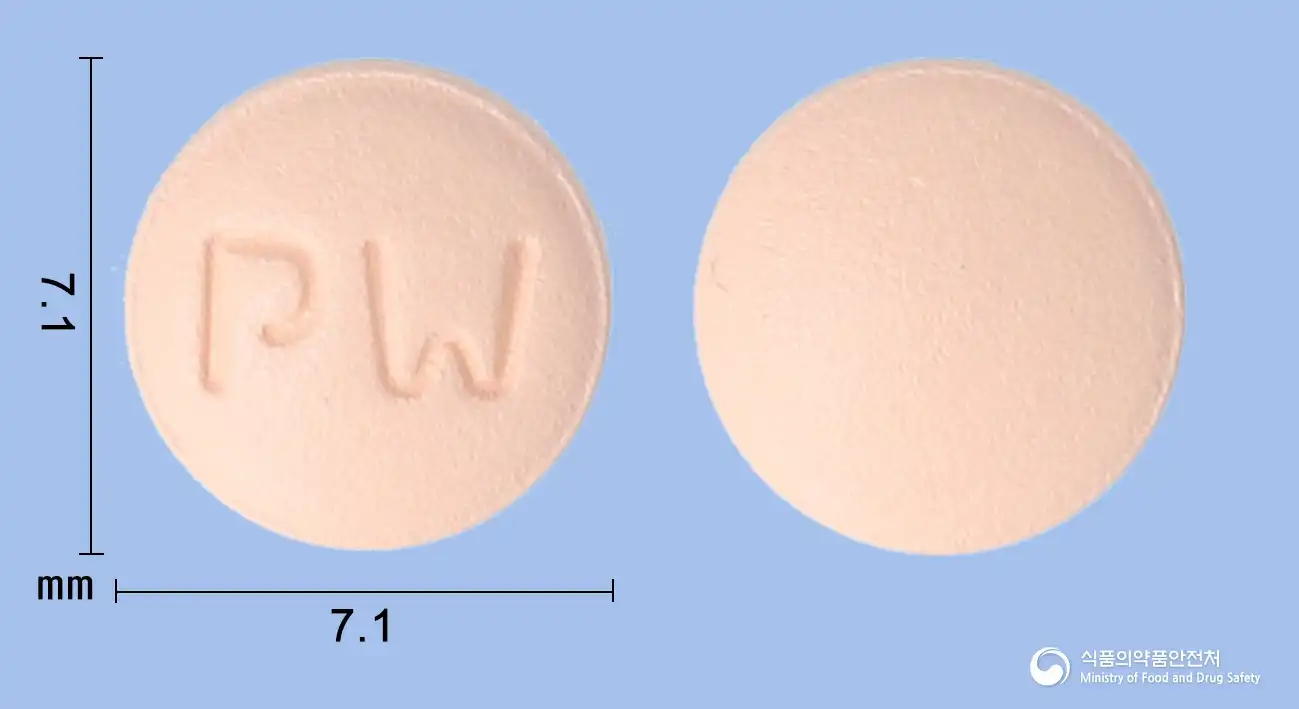
Olopatadine Hydrochloride 5mg
Tablet · Prescription medication
Daewoong Pharmaceutical Co., Ltd.
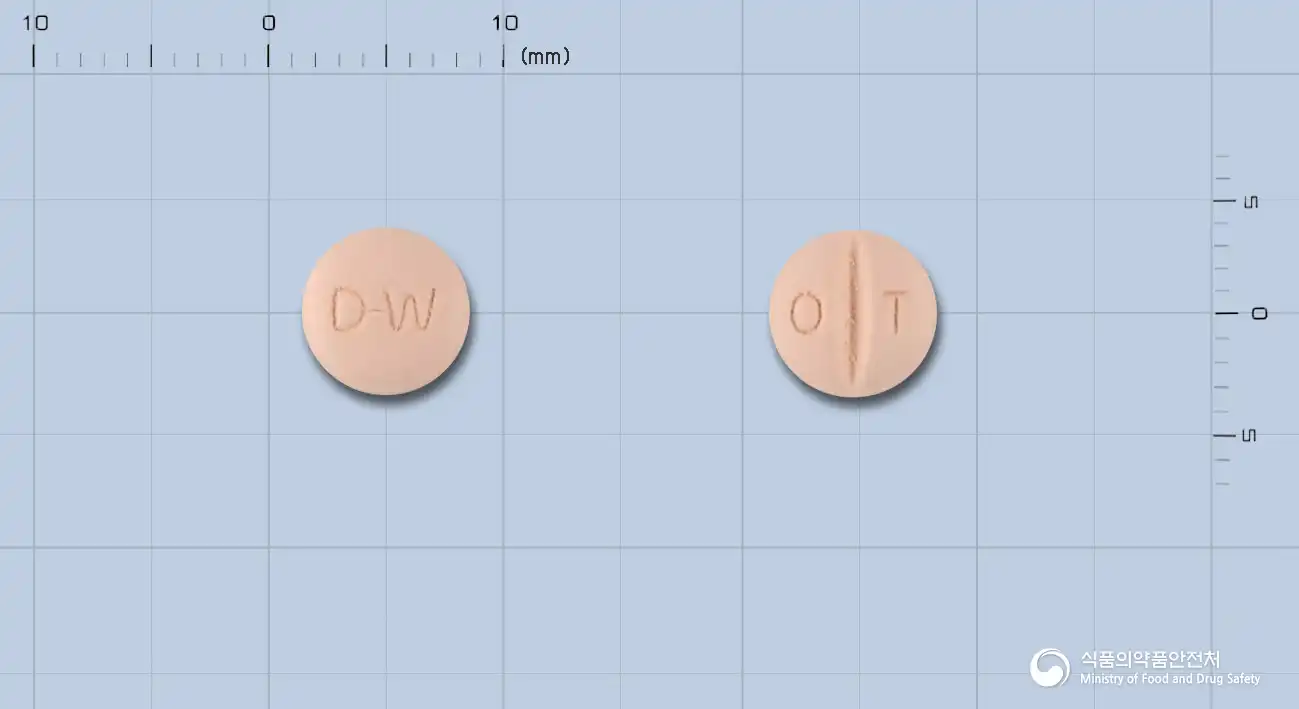
Olopatadine Hydrochloride 5mg
Tablet · Prescription medication
Dongwha Pharmaceutical Co., Ltd.
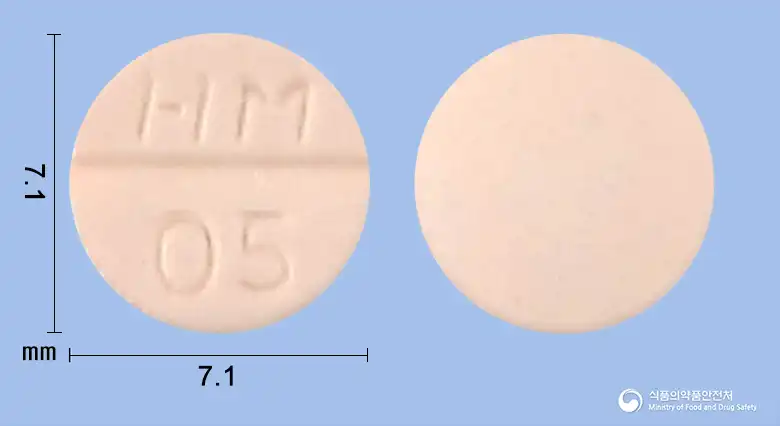
Olopatadine Hydrochloride 5mg
Tablet · Prescription medication
Hanmi Pharmaceutical Co., Ltd.
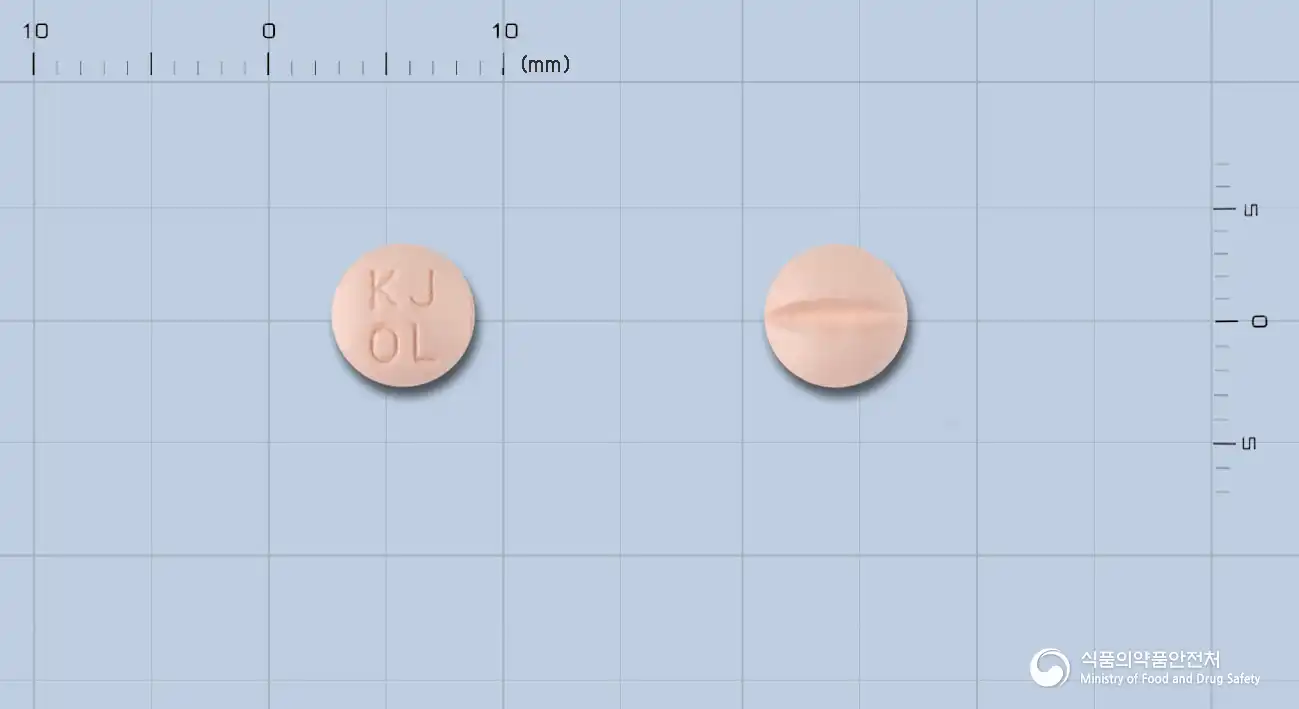
Olopatadine Hydrochloride 5mg
Tablet · Prescription medication
International Pharmaceutical Co., Ltd.
Even with the same ingredient, the dose and directions can differ by strength and dosage form. Talk to a doctor or pharmacist before switching from a medication you are already taking.
No questions yet.
For anything that needs medical judgment, consult a doctor or pharmacist.
This drug information is based on data provided by the Korea Ministry of Food and Drug Safety.
Consult a doctor or pharmacist for accurate dosage, administration, and usage instructions.