
 한국어
한국어 English
 日本語
日本語 中文(简体)
 Viewing nowCombination
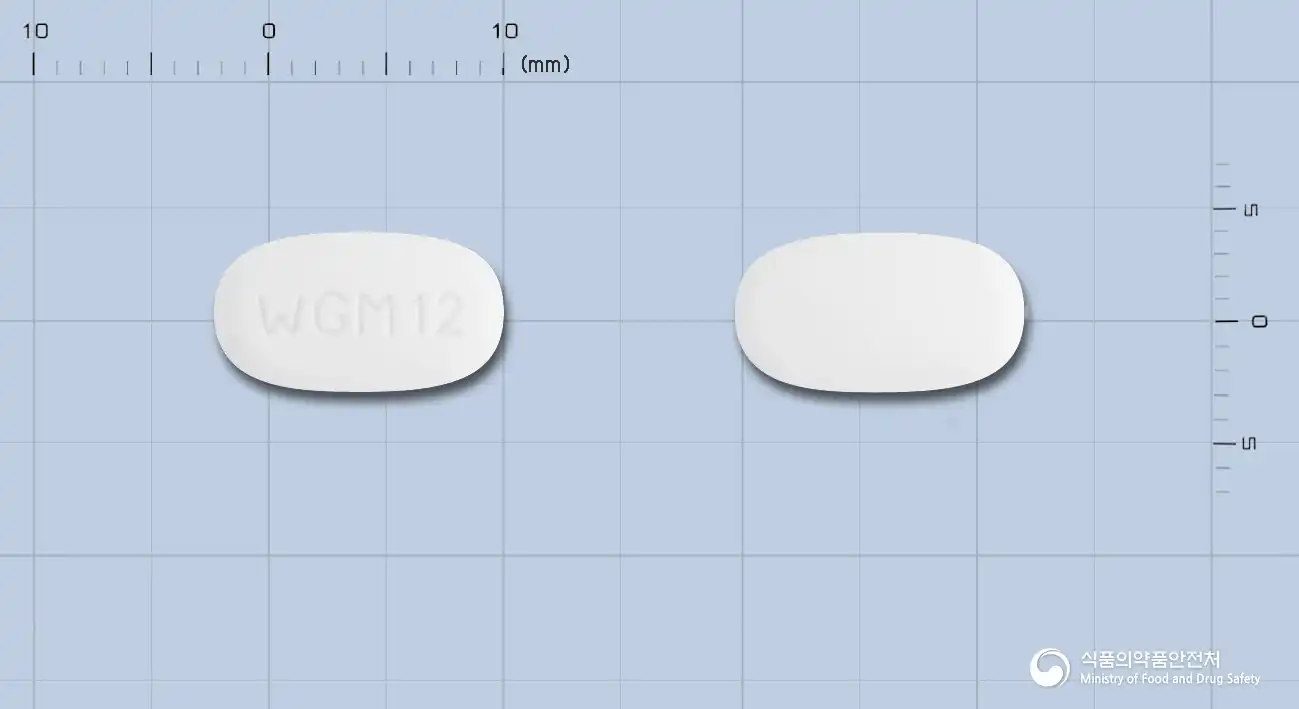
Wingliem Tablets 1/250 mg
Glimepiride 1mg · Metformin Hydrochloride 250mg
Tablet · Prescription medication · Combination
Hanwha Pharmaceutical Co., Ltd.
MFDS item code 201107290 · Approved 2011.09.29 · Insurance code 651601510
Improved blood sugar control in type 2 diabetes
This medication contains two components, glymepiride and metformin, to help control blood sugar levels in patients with type 2 diabetes. It is used in conjunction with dietary management and exercise therapy to effectively improve blood sugar levels. If taken continuously, it can have a positive effect on blood sugar management.
This medication is administered 1 to 2 times a day before meals or with meals. Dosage can be adjusted based on each patient's current treatment regimen, effectiveness, and tolerance, and appropriate blood sugar monitoring should be conducted. Treatment is typically initiated at a low dose, and the dosage can be adjusted based on the patient's current medication and blood sugar levels. In clinical trials, the initial daily dose was glymepiride/metformin hydrochloride 2 mg/500 mg.
This medication carries a risk of severe lactic acidosis or hypoglycemia, so dosage should be discontinued and a physician consulted if there is a sudden decline in kidney function or signs of dehydration. This medication should not be used in patients with severely impaired renal function, severely impaired liver function, or those who are pregnant or breastfeeding. Patients who are at high risk for hypoglycemia, such as the elderly, malnourished individuals, those who eat irregularly, or those engaged in vigorous exercise, should use caution when taking this medication. At the beginning of treatment, gastrointestinal symptoms (such as diarrhea, nausea, and vomiting) may occur, but they are generally temporary and may be relieved by taking the medication with food. This medication lowers blood sugar, so patients should be aware of hypoglycemic symptoms and promptly consume sugar when symptoms occur, seeking medical help if necessary. If renal function is impaired, the drug can accumulate in the body, increasing the risk of side effects, thus regular kidney function tests are necessary, and dosage adjustments or discontinuation may be required based on the condition. This medication can interact with other drugs, so patients should inform their healthcare provider if they are taking other medications and should also exercise caution when starting or stopping new medications. Alcohol consumption may increase the risk of side effects from this medication, so patients should avoid excessive drinking. Women who are pregnant or planning to become pregnant are advised to use insulin therapy instead of this medication, and it is also recommended to avoid its use while breastfeeding. Safety in children and adolescents has not been adequately established, so special caution is required when used in this population. Patients taking this medication should regularly monitor their blood sugar, undergo blood tests, and have kidney function tests to assess treatment effectiveness and check for side effects. In case of overdose, severe hypoglycemia or lactic acidosis can occur, so patients should strictly adhere to the prescribed dosage and contact healthcare providers immediately if abnormal symptoms appear. Caution is needed when driving or operating machinery due to the possibility of decreased attention from hypoglycemia. This medication should be stored out of reach of children, and care should be taken to avoid transferring it to another container.
Hives, severe swelling (edema), difficulty breathing, severe allergic reactions, jaundice, liver damage, hepatitis, severe neurological symptoms (headache, seizures, confusion, visual disturbances, paralysis), severe edema, thrombocytopenia, leukopenia, hemolytic anemia, erythrocytopenia, granulocytopenia, agranulocytosis, pancytopenia, severe hypoglycemic symptoms (headache, trembling, paralysis, coma, loss of consciousness, etc.), lactic acidosis, hypoglycemia,
Not everyone experiences these, and they can vary from person to person.
This medication should be kept in a well-closed container to prevent air or moisture from entering, and it is best stored at a temperature between 1 to 30 degrees Celsius. By storing it this way, the effectiveness of the medication can be maintained and deterioration can be prevented.
White, oblong, film-coated tablet
30 tablets/box [(10 tablets/PTP X 3)]
Even with the same ingredient, strength, dosage form and how it is taken can differ.
Viewing nowCombinationGlimepiride 1mg · Metformin Hydrochloride 250mg
Tablet · Prescription medication · Combination
Hanwha Pharmaceutical Co., Ltd.
 Combination
Metformin Hydrochloride 500mg · Glimepiride 1mg
Tablet · Prescription medication · Combination
Hanmi Pharmaceutical Co., Ltd.
 Combination
Metformin Hydrochloride 500mg · Glimepiride 2mg
Tablet · Prescription medication · Combination
Handok Co., Ltd.
 Combination
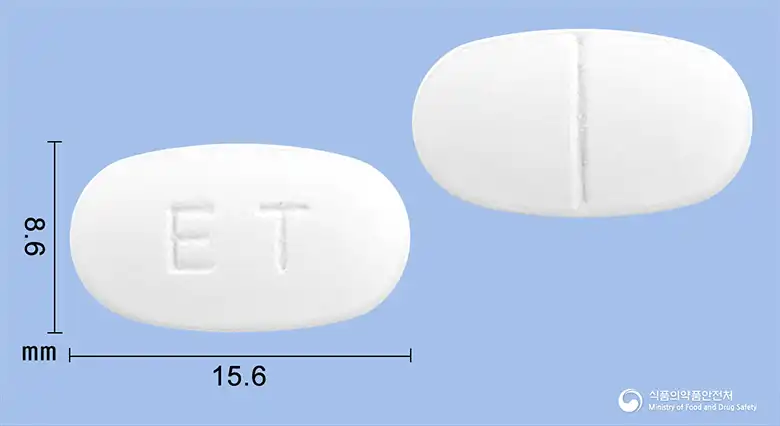
Metformin Hydrochloride 500mg · Glimepiride 2mg
Tablet · Prescription medication · Combination
Teragen Etex Co., Ltd.
 Combination
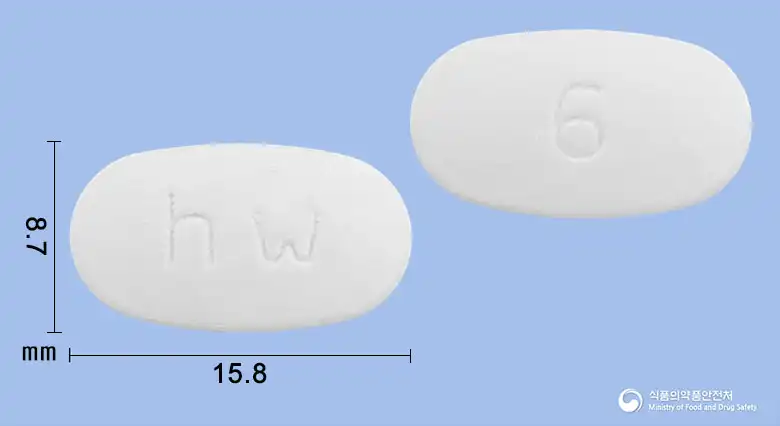
Glimepiride 2mg · Metformin Hydrochloride 500mg
Tablet · Prescription medication · Combination
Hawon Pharmaceutical Co., Ltd.
Metformin Hydrochloride 500mg · Glimepiride 2mg
Tablet · Prescription medication · Combination
TDS Pharm Co., Ltd.
 Combination
Glimepiride 2mg · Metformin Hydrochloride 500mg
Tablet · Prescription medication · Combination
Il Yang Pharmaceutical Co., Ltd.
 Combination
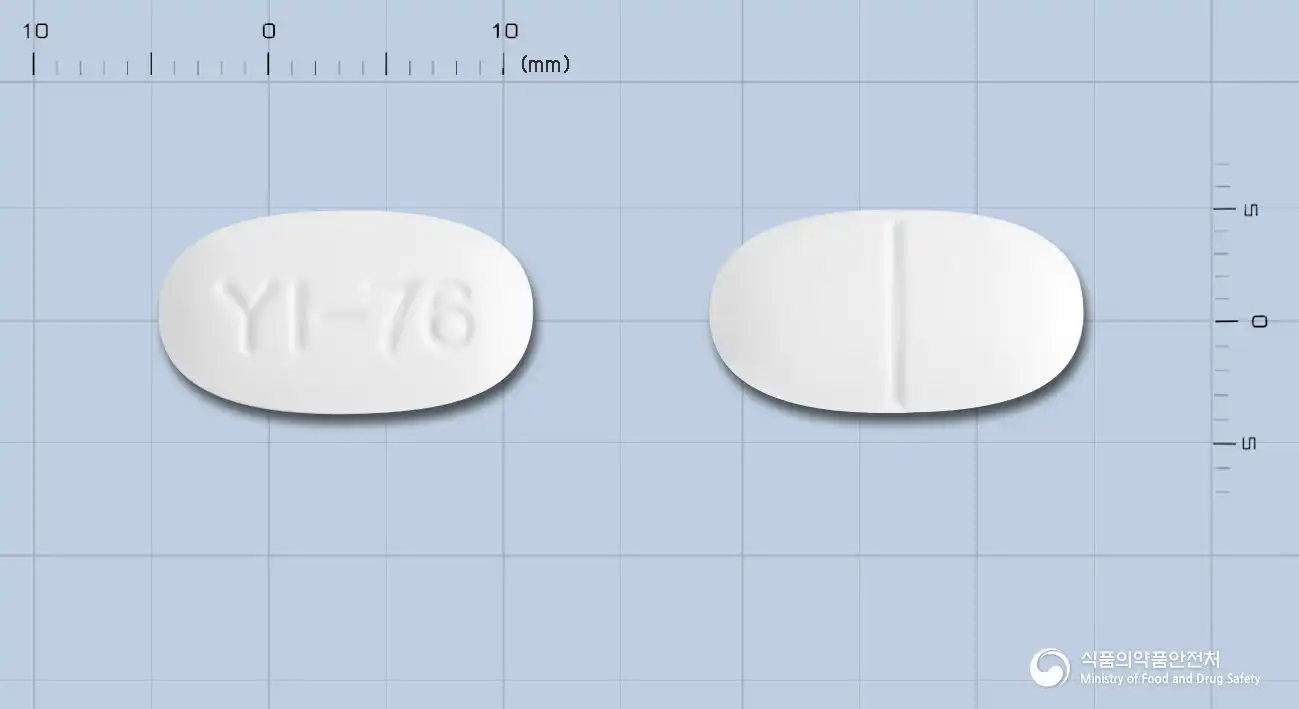
Glimepiride 2mg · Metformin Hydrochloride 500mg
Tablet · Prescription medication · Combination
Youngil Pharmaceutical Co., Ltd.
Even with the same ingredient, the dose and directions can differ by strength and dosage form. Talk to a doctor or pharmacist before switching from a medication you are already taking.
No questions yet.
For anything that needs medical judgment, consult a doctor or pharmacist.
This drug information is based on data provided by the Korea Ministry of Food and Drug Safety.
Consult a doctor or pharmacist for accurate dosage, administration, and usage instructions.