
 한국어
한국어 English
 日本語
日本語 中文(简体)
Dosage form image
Viewing nowMaxprofen Syrup (Dexibuprofen)
Dexibuprofen 1.2g
Syrup · OTC medication
Teragen Etex Co., Ltd.
MFDS item code 201107084 · Notified 2011.09.23 · Insurance code 698502171
Antipyretic effect for fever due to acute upper respiratory infection
This medication is used to treat fever caused by acute upper respiratory infections, such as colds or pharyngitis. It is effective in reducing fever associated with upper respiratory infections. Taking this medicine quickly brings down fever, reduces discomfort, and aids recovery. It also helps relieve headaches or body aches due to fever. When used safely, it contributes to improvement of symptoms.
The following doses can be administered according to weight or age. For adults aged 12 years and older, a single dose of 18–25mL (215–300mg) may be taken, with a maximum of 72–100mL (860–1200mg) daily. For 11-year-olds, a single dose of 16–25mL (190–300mg) can be taken, with a maximum of 64–100mL (760–1200mg) per day. For ages 9-10 years, a single dose of 12.5–22mL (150–265mg) can be taken, with a maximum of...
For children over 6 months of age, the dose of 0.4–0.6mL/kg (5–7mg/kg as dexibuprofen) may be taken every 4–6 hours as needed, with a maximum of 4 times a day (not exceeding 28mg/kg).
This medication should be consulted with a doctor or pharmacist before use for individuals who regularly consume more than three alcoholic drinks a day, as it may increase the risk of gastrointestinal bleeding. Additionally, this medication may increase cardiovascular disease risk, requiring caution for patients with a history of heart disease or stroke. It is advisable to avoid high doses if there are conditions such as hypertension, heart failure, or ischemic heart disease. This medication can put strain on the stomach, and should not be taken by patients with a history of stomach ulcers or gastrointestinal bleeding. Elderly patients or those with gastrointestinal risk factors should also use it carefully. Patients with severe liver, kidney, or heart dysfunction, or those allergic to any components of this medication, as well as patients with a history of asthma, should avoid taking it. If this medication is to be used for an extended period, regular blood tests and liver and kidney function tests should be performed to check for abnormalities. Taking this medication in conjunction with other non-steroidal anti-inflammatory drugs may increase the risk of gastrointestinal bleeding, so it is advisable not to combine them. It should preferably be avoided during pregnancy, especially in the later stages, as it may affect the fetus. Nursing women should discontinue breastfeeding or stop taking the medication, as it may pass into breast milk. Children and the elderly are more susceptible to adverse reactions, so it should be taken with caution at the minimum dosage. If serious allergic reactions such as rash, difficulty breathing, or hypotension occur during use, discontinue immediately and consult a healthcare professional. This medication may increase blood pressure or worsen pre-existing hypertension; therefore, blood pressure should be checked periodically during the initial dosing phase and throughout the treatment period. In case of overdose, immediate emergency measures such as gastric lavage or inducing vomiting should be sought as soon as possible. Finally, this medication should be kept out of reach of children, and transferring it to another container may negatively affect quality, so care should be taken.
Hives, severe swelling (edema), difficulty breathing, asthma attacks, systemic severe edema accompanied by high blood pressure, anaphylactic shock, severe allergic reactions, severe skin adverse reactions (Stevens-Johnson syndrome, Lyell syndrome, DRESS syndrome, acute generalized pustular exanthema), gastrointestinal bleeding, gastric ulcers, perforation, severe gastrointestinal bleeding, jaundice, sudden and very severe headaches, severe neurological symptoms, acute renal failure.
Not everyone experiences these, and they can vary from person to person.
This medication should not be used with other non-steroidal anti-inflammatory drugs, aspirin, or high doses of methotrexate. Consult a doctor or pharmacist when using it in conjunction with glucocorticoids, digoxin, phenytoin, probenecid, sulfinpyrazone, sulfonylureas, diuretics, antihypertensive agents, ACE inhibitors, furosemide, lithium, low doses of methotrexate, or coumarin anticoagulants (such as warfarin).
Caution is required when using this medication with alcohol.
This medication is sensitive to light and should be stored in a tightly sealed container that obstructs light. Additionally, to maintain the medication's efficacy, it should be stored at room temperature between 15°C and 25°C.
An opaque white syrup in a unique flavored white to pale yellow suspension in an opaque white bottle.
500mL
Even with the same ingredient, strength, dosage form and how it is taken can differ.
Dexibuprofen 1.2g
Syrup · OTC medication
Teragen Etex Co., Ltd.
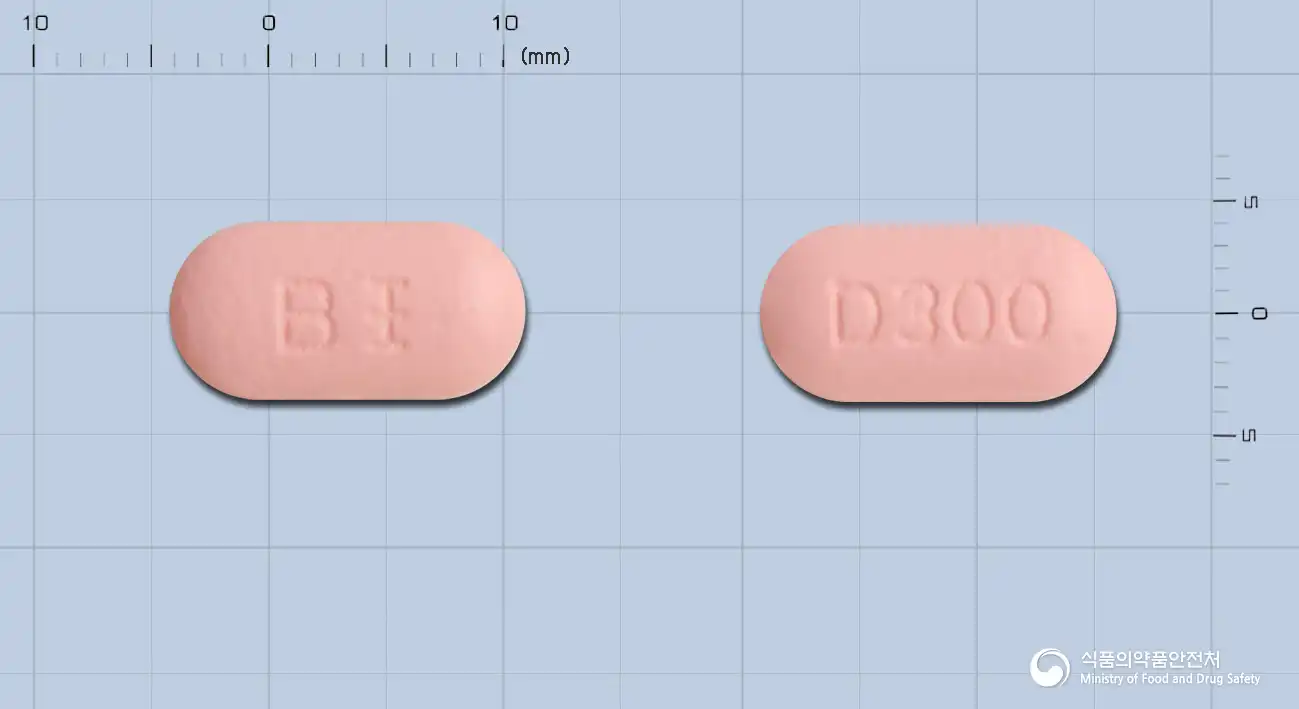
Dexibuprofen 300mg
Tablet · OTC medication
Bionex Co., Ltd.

Dexibuprofen 300mg
Tablet · OTC medication
Anguk Pharmaceutical Co., Ltd.
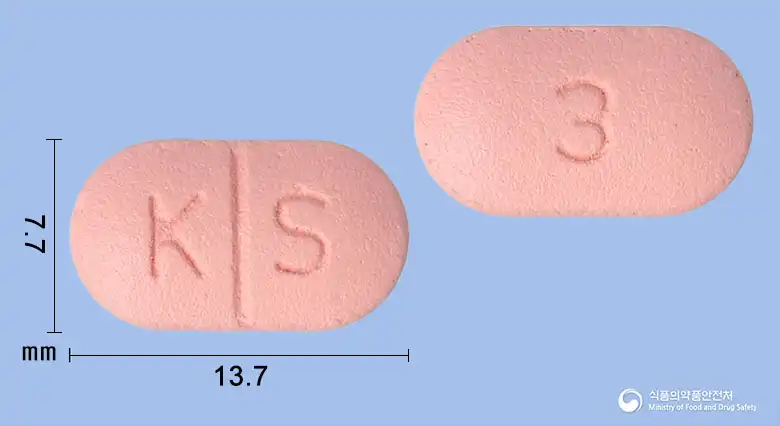
Dexibuprofen 300mg
Tablet · OTC medication
Aprogen Pharmaceuticals, Co., Ltd.
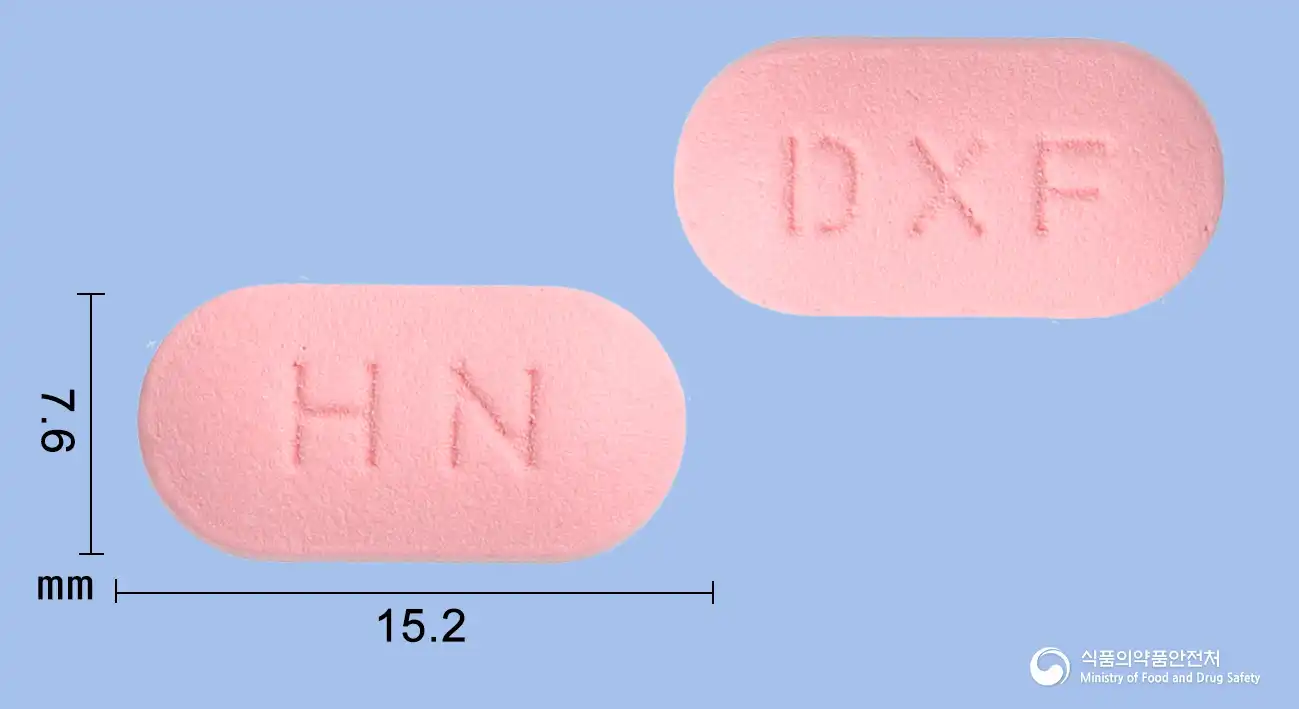
Dexibuprofen 300mg
Tablet · OTC medication
Hana Pharmaceutical Co., Ltd.

Dexibuprofen 150mg
Tablet · OTC medication
Anguk Pharm Co., Ltd.
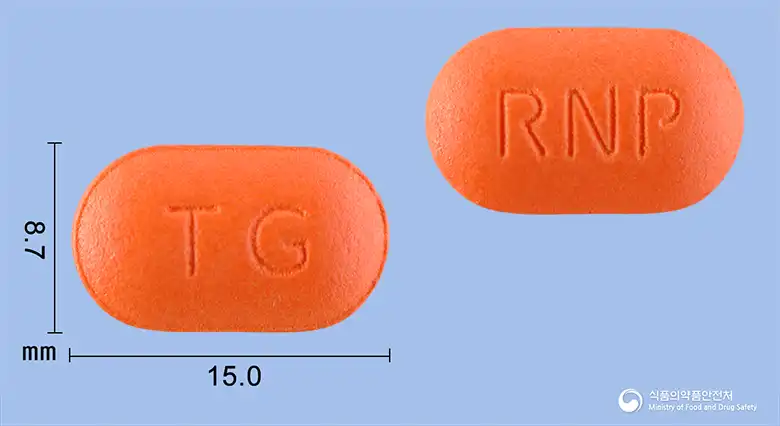
Dexibuprofen 300mg
Tablet · OTC medication
Taeguk Pharmaceutical Co., Ltd.
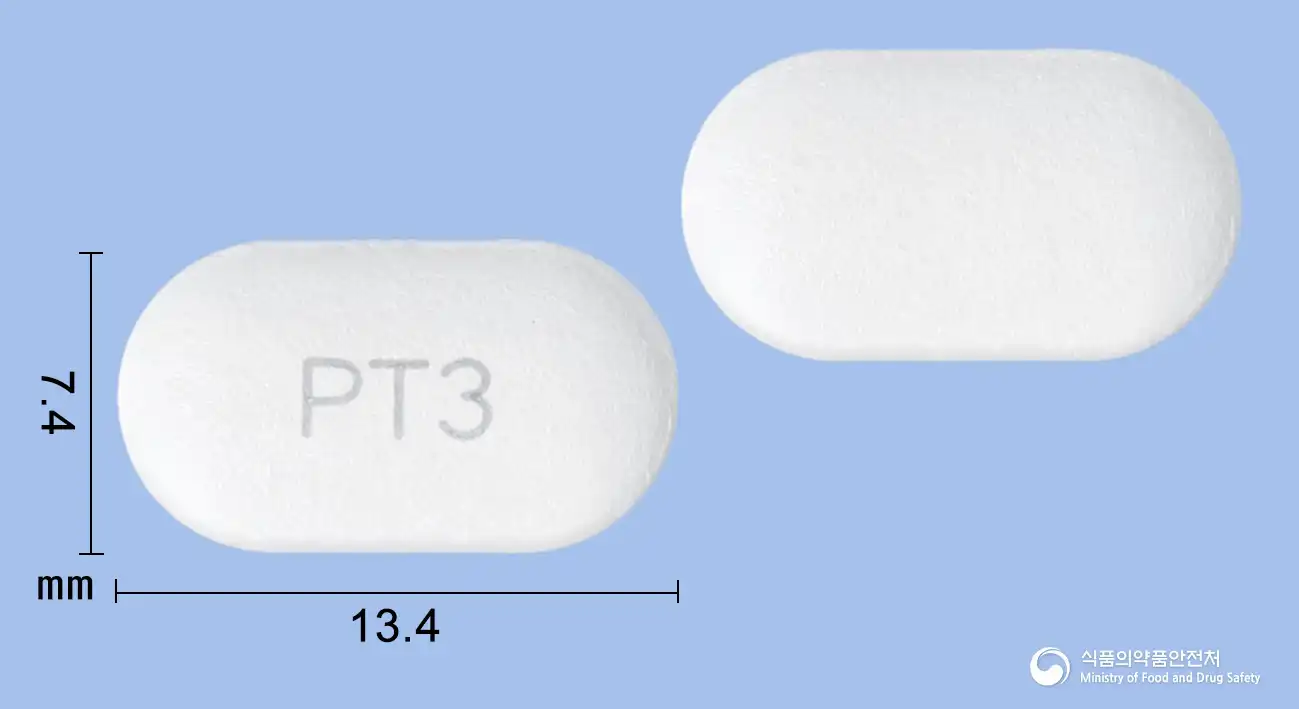
Dexibuprofen 300mg
Tablet · OTC medication
Genupharm Co., Ltd.
Even with the same ingredient, the dose and directions can differ by strength and dosage form. Talk to a doctor or pharmacist before switching from a medication you are already taking.
No questions yet.
For anything that needs medical judgment, consult a doctor or pharmacist.
This drug information is based on data provided by the Korea Ministry of Food and Drug Safety.
Consult a doctor or pharmacist for accurate dosage, administration, and usage instructions.