
 한국어
한국어 English
 日本語
日本語 中文(简体)
 Viewing nowCombination
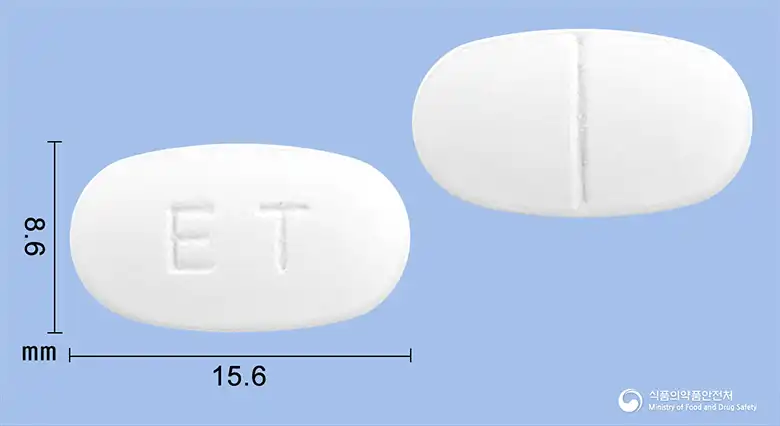
Amaria M Tablets 2/500 mg
Metformin Hydrochloride 500mg · Glimepiride 2mg
Tablet · Prescription medication · Combination
Teragen Etex Co., Ltd.
MFDS item code 201106781 · Approved 2011.09.20 · Insurance code 698502140
Improvement of blood sugar control in type 2 diabetes
This medication helps control blood sugar in patients with type 2 diabetes through the combined action of glimepiride and metformin. When used alongside dietary control and exercise therapy, it effectively improves blood sugar levels. As a result, it facilitates better diabetes symptom management and contributes to preventing complications. Improved lifestyle habits in patients, along with concomitant treatment, can further enhance therapeutic effects. This medication improves blood sugar control in patients with type 2 diabetes.
This medication is administered 1 to 2 times a day before meals or with meals. Dosages may be adjusted according to each patient's current treatment regimen, efficacy, and tolerability, and appropriate blood glucose monitoring should be conducted for this purpose. Typically, treatment is initiated at a low dose, and the dosage can be adjusted based on currently prescribed medications and blood glucose levels. The initial dose was glimepiride/metformin hydrochloride 2 mg/500 mg.
This medication may cause severe lactic acidosis or hypoglycemia; therefore, if there is a rapid decline in kidney function or signs of dehydration, it should be temporarily discontinued and a doctor should be consulted. Additionally, it should not be administered to patients with poor kidney function, those with severe liver impairment, pregnant or breastfeeding women, and patients with certain blood disorders. During treatment with this medication, there is a risk of hypoglycemia, so especially elderly patients, those with irregular eating patterns, and those who consume large amounts of alcohol should be closely monitored. Gastrointestinal symptoms such as diarrhea, nausea, and vomiting may occur, and if these symptoms are severe, caution is needed as they can lead to dehydration. As this medication is a blood sugar regulatory agent, it may interact with other medications, so it is essential to inform the doctor or pharmacist about any other medications taken. In patients with reduced kidney function, there is an increased risk of lactic acidosis due to the accumulation of this medication, so regular kidney function tests are necessary. Pregnant women or those planning to become pregnant are advised to replace this medication with insulin therapy. In cases of overdose, severe hypoglycemia or lactic acidosis may occur, so contact a medical facility immediately for appropriate treatment. Caution is needed when driving or operating machinery as hypoglycemia or agility impairment may occur. Regular monitoring of blood sugar, kidney function, and hematological tests is essential to verify safety and efficacy during treatment with this medication. Particularly in the elderly, reduced kidney function is common, so it is important to adjust the dosage and frequently check kidney function. Alcohol consumption may increase the risk of side effects from this medication, so caution is advised to avoid excessive drinking during treatment.
Not everyone experiences these, and they can vary from person to person.
This medication should be stored in a tightly sealed container that is well-ventilated, at a temperature between 1 degree and 30 degrees Celsius. This will help maintain the medication's efficacy for a prolonged period.
White film-coated rectangular tablets
For domestic use - 30 tablets/bottle, For domestic use - 100 tablets/bottle
Even with the same ingredient, strength, dosage form and how it is taken can differ.
Viewing nowCombinationMetformin Hydrochloride 500mg · Glimepiride 2mg
Tablet · Prescription medication · Combination
Teragen Etex Co., Ltd.
 Combination
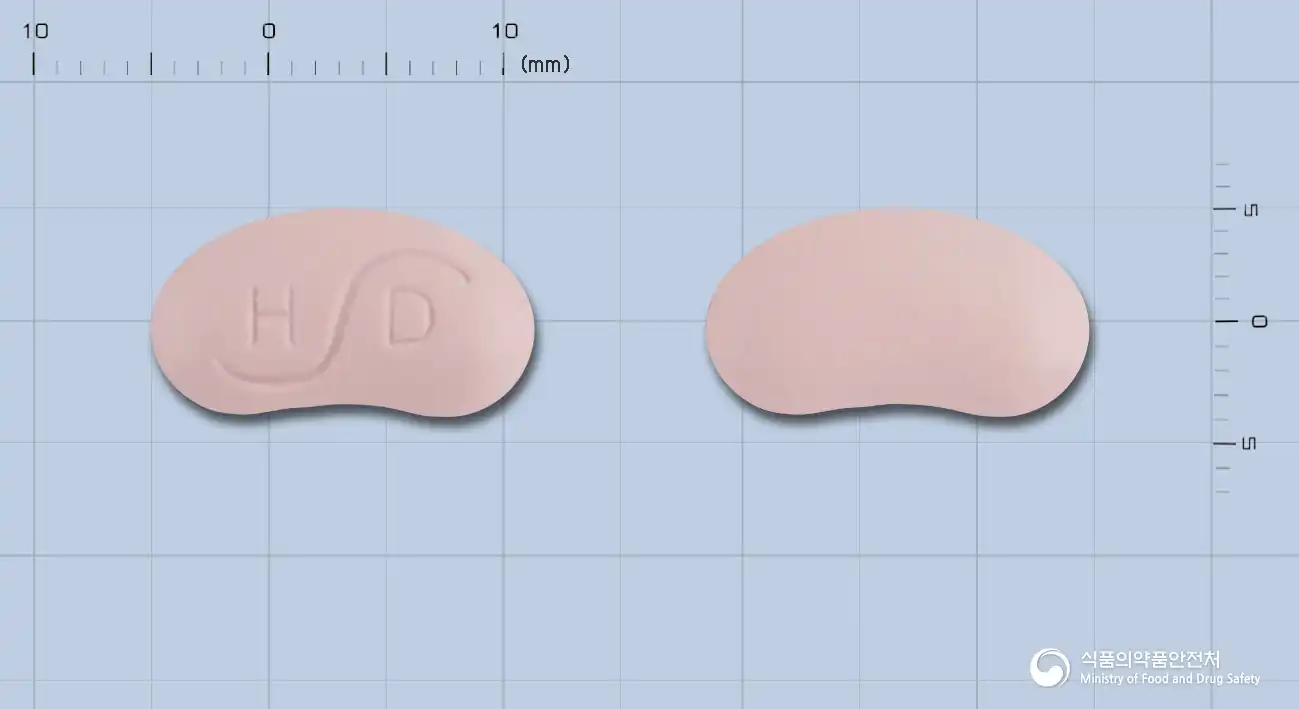
Metformin Hydrochloride 500mg · Glimepiride 1mg
Tablet · Prescription medication · Combination
Hanmi Pharmaceutical Co., Ltd.
 Combination
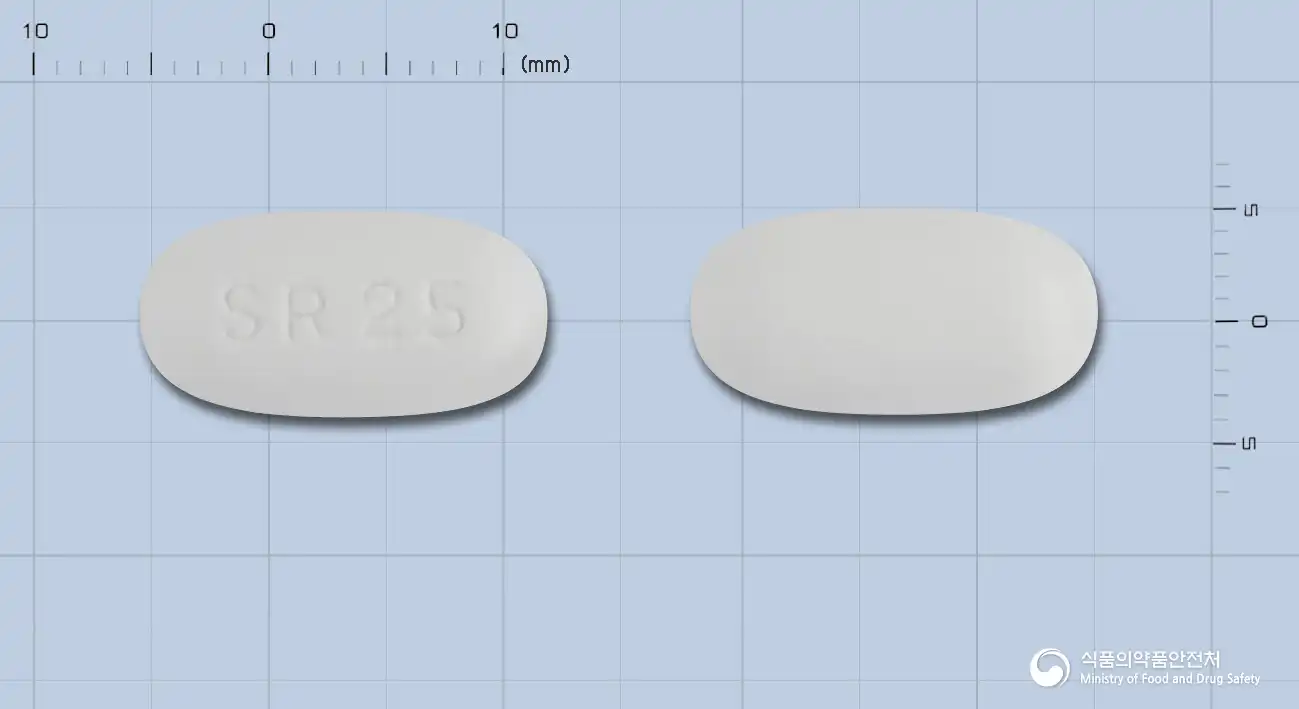
Metformin Hydrochloride 500mg · Glimepiride 2mg
Tablet · Prescription medication · Combination
Handok Co., Ltd.
 Combination
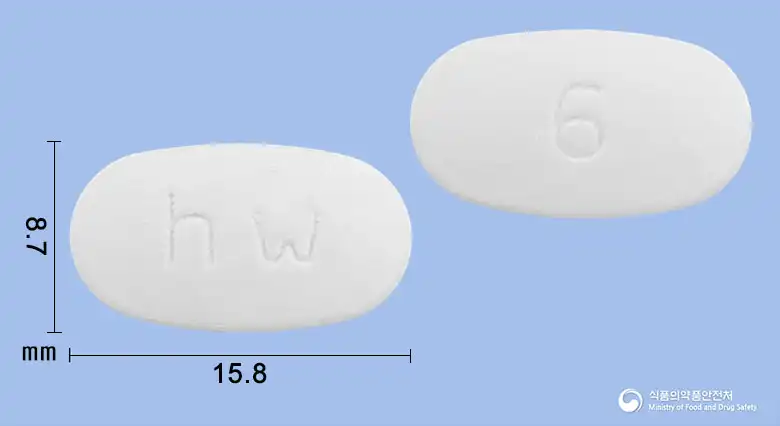
Glimepiride 2mg · Metformin Hydrochloride 500mg
Tablet · Prescription medication · Combination
Hawon Pharmaceutical Co., Ltd.
Metformin Hydrochloride 500mg · Glimepiride 2mg
Tablet · Prescription medication · Combination
TDS Pharm Co., Ltd.
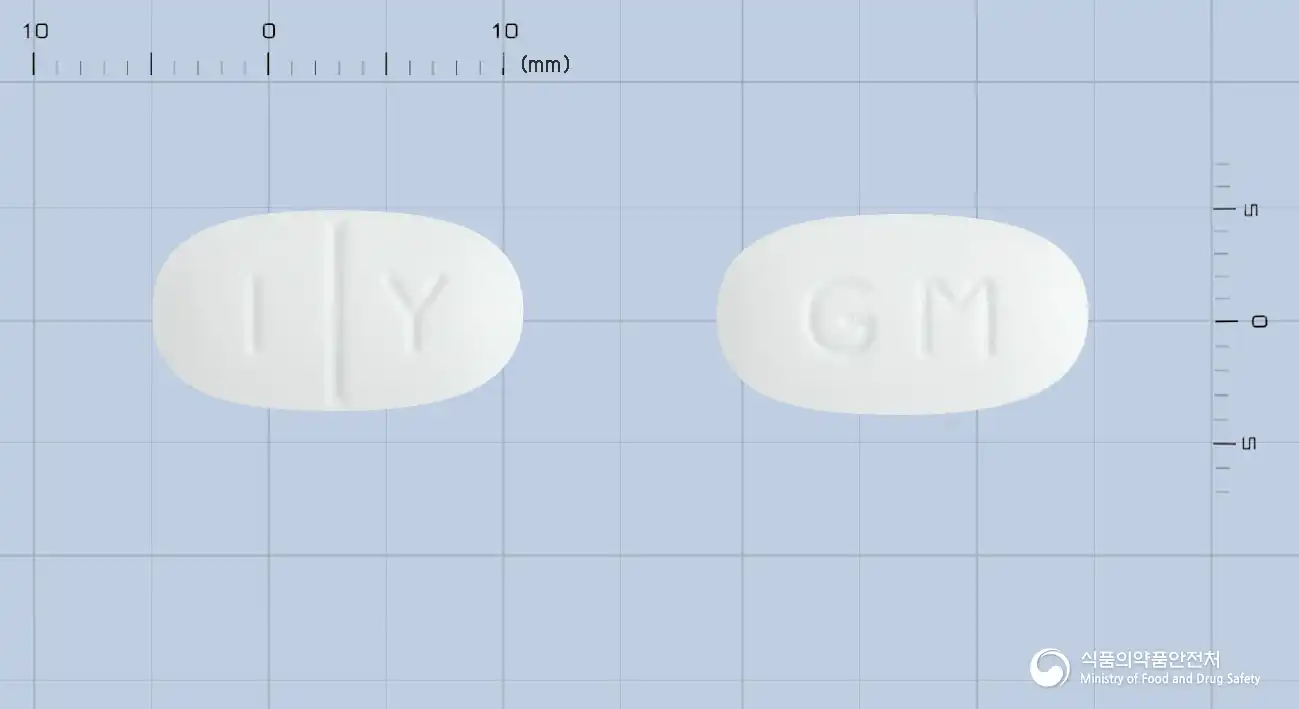 Combination
Glimepiride 2mg · Metformin Hydrochloride 500mg
Tablet · Prescription medication · Combination
Il Yang Pharmaceutical Co., Ltd.
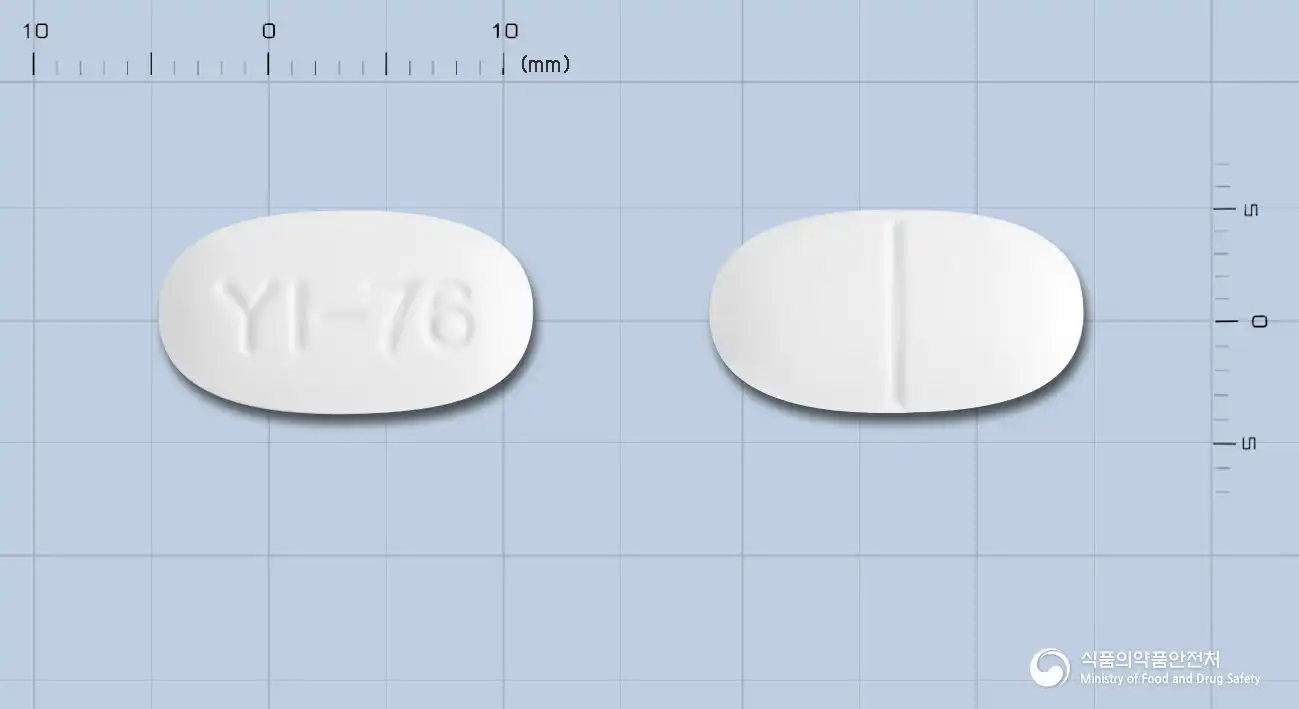 Combination
Glimepiride 2mg · Metformin Hydrochloride 500mg
Tablet · Prescription medication · Combination
Youngil Pharmaceutical Co., Ltd.
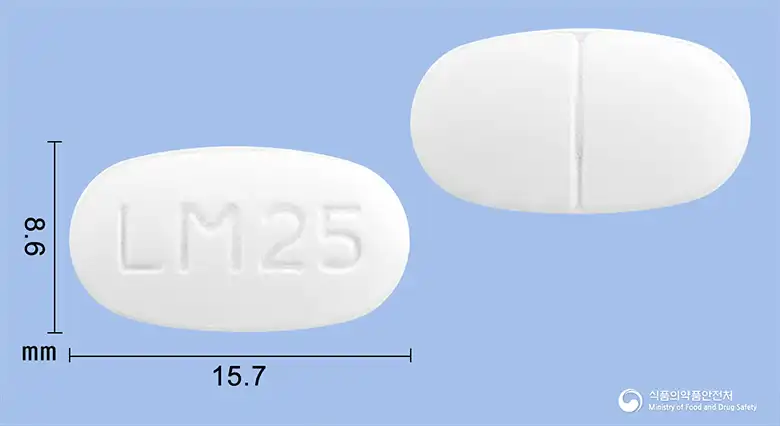 Combination
Glimepiride 2mg · Metformin Hydrochloride 500mg
Tablet · Prescription medication · Combination
Albozen Korea Co., Ltd.
Even with the same ingredient, the dose and directions can differ by strength and dosage form. Talk to a doctor or pharmacist before switching from a medication you are already taking.
No questions yet.
For anything that needs medical judgment, consult a doctor or pharmacist.
This drug information is based on data provided by the Korea Ministry of Food and Drug Safety.
Consult a doctor or pharmacist for accurate dosage, administration, and usage instructions.