
 한국어
한국어 English
 日本語
日本語 中文(简体)
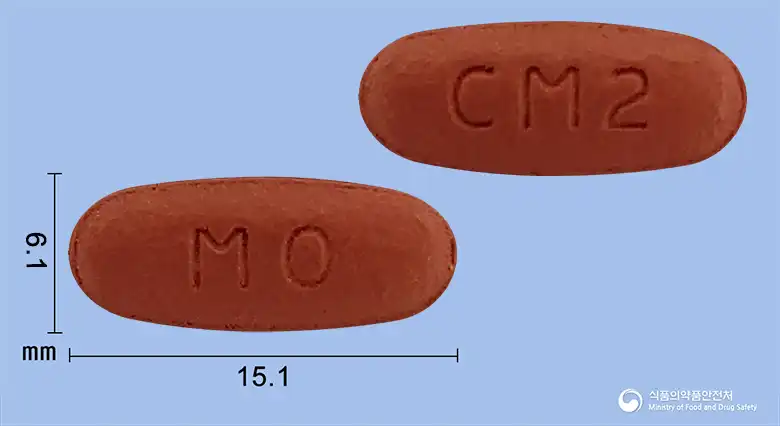
Dosage form image
Viewing nowCombinationValsartan Hydrochlorothiazide Plus Tablet 80/12.5 mg
Valsartan · Hydrochlorothiazide
Prescription medication · Combination
Hanlim Pharmaceutical Co., Ltd.
MFDS item code 201105614 · Approved 2011.08.25
This product's status changed to Approval withdrawn on 2023.07.18. It may no longer be sold, so consult a doctor or pharmacist before taking it.
Improvement of essential hypertension blood pressure control
This medicine is used to effectively lower blood pressure in patients with essential hypertension who have difficulty controlling blood pressure with monotherapy.
Adults take one tablet of Valsartan 80 mg/Hydrochlorothiazide 12.5 mg once daily, with or without food, taken with a small amount of water. For those prescribed Valsartan 160 mg/Hydrochlorothiazide 12.5 mg for blood pressure reduction, this applies. No dose adjustment is needed for patients with mild to moderate kidney impairment.
This medication can cause serious harm to the fetus if taken during pregnancy, especially in the second and third trimesters, so it should be discontinued immediately if pregnancy is confirmed. Patients with allergies to any ingredient in this medicine or those with specific liver or kidney diseases should not take it. Patients with electrolyte imbalance, kidney or liver dysfunction, or cardiovascular disease should use this medication with caution and require regular check-ups. Mild side effects such as headache, dizziness, fatigue, and cough may occur during treatment, but they are mostly temporary. Rarely, serious allergic reactions such as angioedema, hepatitis, kidney failure, and electrolyte abnormalities may occur, so patients should consult their healthcare provider immediately if abnormal symptoms arise. This medication may cause dizziness or drowsiness, so caution is needed when driving or operating machinery. Do not take potassium supplements or potassium-containing medications without consulting a doctor. There may be interactions with certain medications, so inform your healthcare provider if you are taking other medications and be monitored carefully. This medication should be stored out of reach of children and kept in the original container away from moisture. It is advisable for pregnant women or those planning to become pregnant, as well as nursing women, not to use this medication. Elderly patients and those with reduced kidney and liver function require dose adjustment and regular check-ups. In case of overdose, symptoms such as hypotension, arrhythmias, and electrolyte abnormalities may occur, so strict adherence to the prescribed dosage is essential, and medical care should be sought immediately if abnormalities occur.
Hives, severe swelling (angioedema), chest tightness, difficulty breathing, angioedema, anaphylactic-like symptoms, other hypersensitivity/allergic reactions including serum sickness and vasculitis, severe rash with fever, blisters, skin peeling, pain in oral/ocular mucosa, toxic epidermal necrolysis (Lyell's syndrome), pulmonary edema, hepatitis, kidney failure, hyperkalemia, hyponatremia, shock, fainting, loss of consciousness, agranulocytosis, leukopenia, thrombocytopenia
Not everyone experiences these, and they can vary from person to person.
This medication should be stored in a sealed container to protect it from air and moisture, ideally in a cool place below 30 degrees Celsius. Storing it this way will help maintain the effectiveness of the medication for a long time.
Light pink oval-shaped film-coated tablet
98 tablets (14 tablets/PTP packaging x 7), 30 tablets/bottle, 300 tablets/bottle
Even with the same ingredient, strength, dosage form and how it is taken can differ.
Valsartan · Hydrochlorothiazide
Prescription medication · Combination
Hanlim Pharmaceutical Co., Ltd.
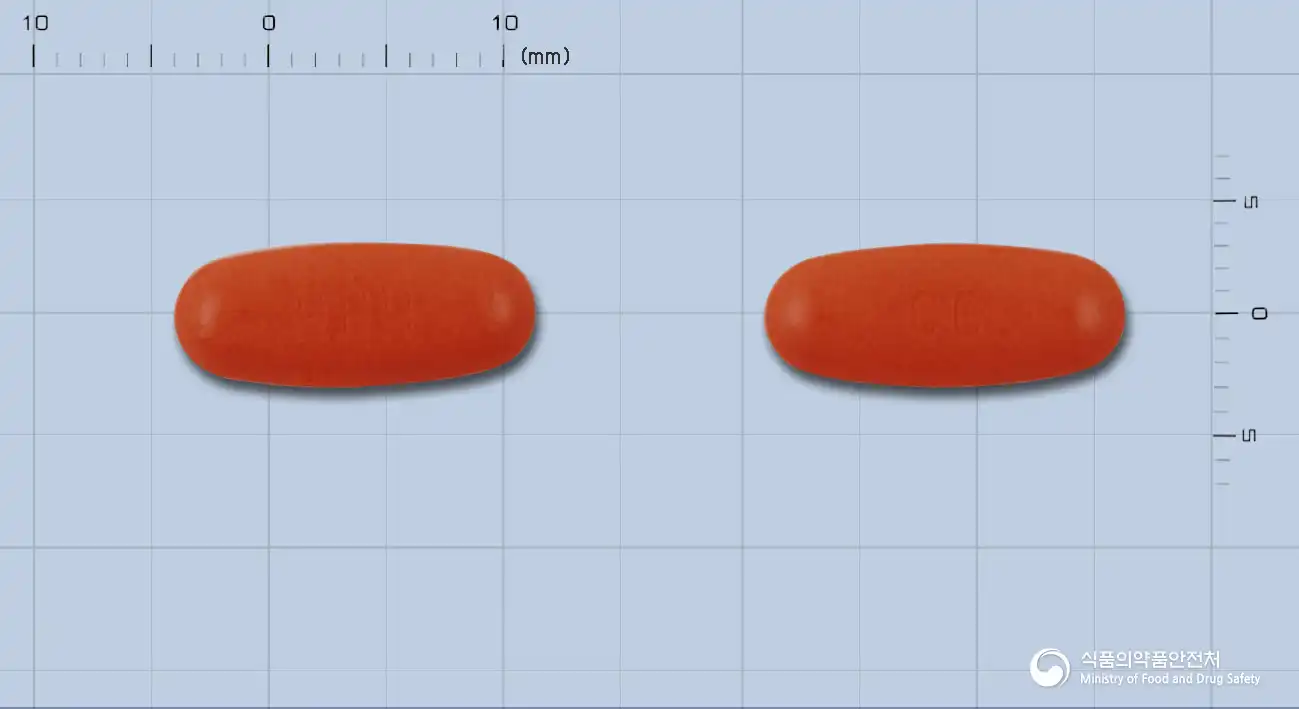 Combination
Valsartan 160mg · Hydrochlorothiazide 12.5mg
Tablet · Prescription medication · Combination
Novartis Korea Co., Ltd.
Valsartan · Hydrochlorothiazide
Prescription medication · Combination
Sandoz Korea Co., Ltd.
Valsartan · Hydrochlorothiazide
Prescription medication · Combination
Sandoz Korea Co., Ltd.
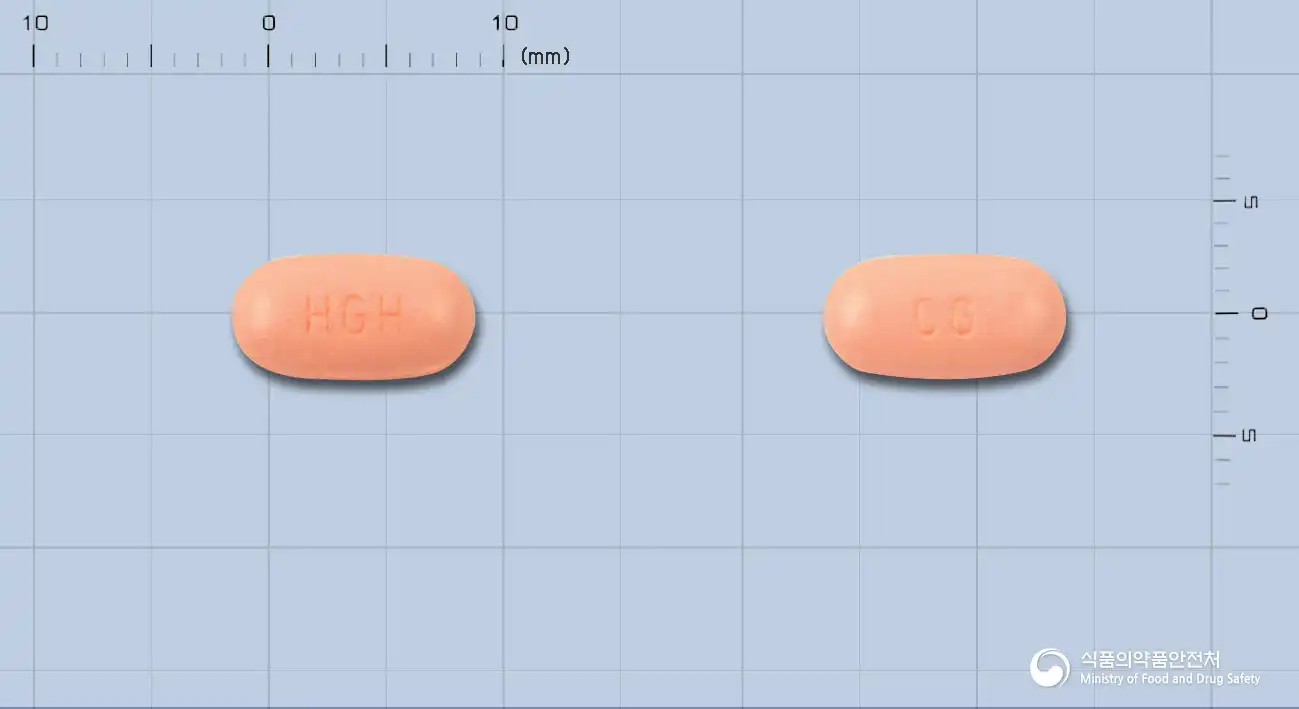 Combination
Valsartan 80mg · Hydrochlorothiazide 12.5mg
Tablet · Prescription medication · Combination
Novartis Korea Co., Ltd.
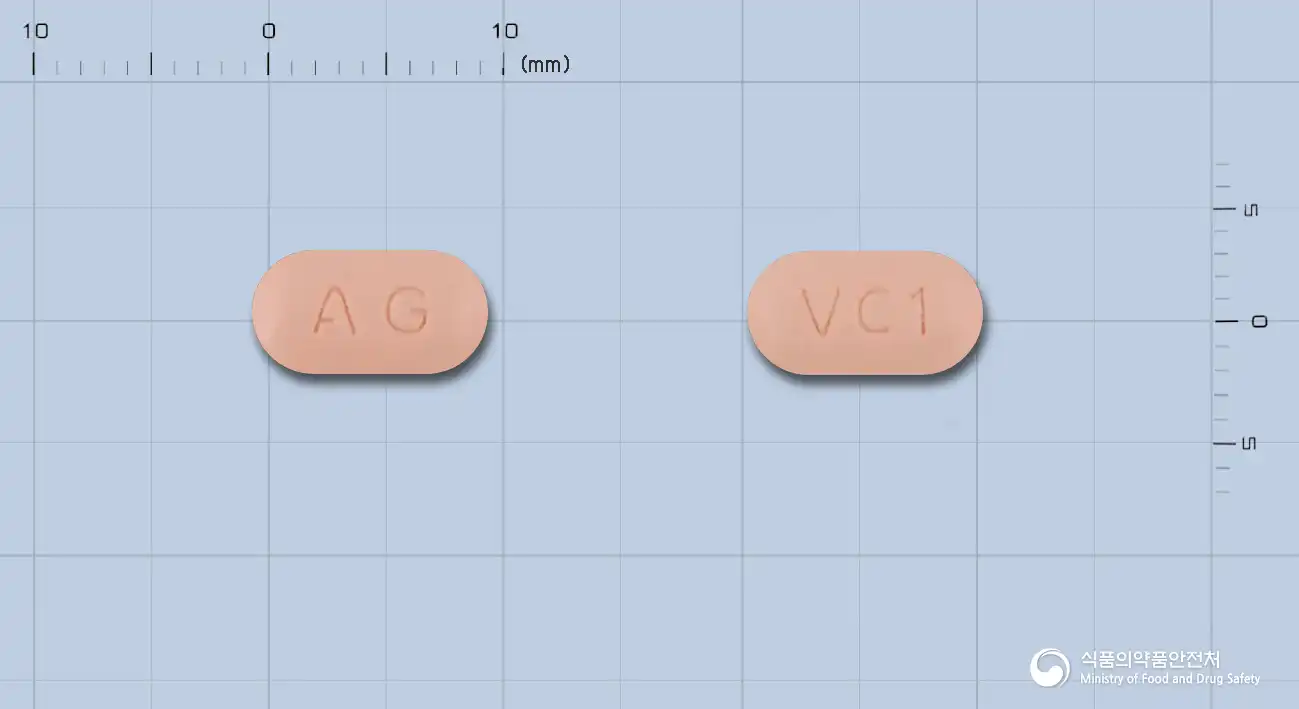 Combination
Valsartan 80mg · Hydrochlorothiazide 12.5mg
Tablet · Prescription medication · Combination
Anguk Pharmaceutical Co., Ltd.
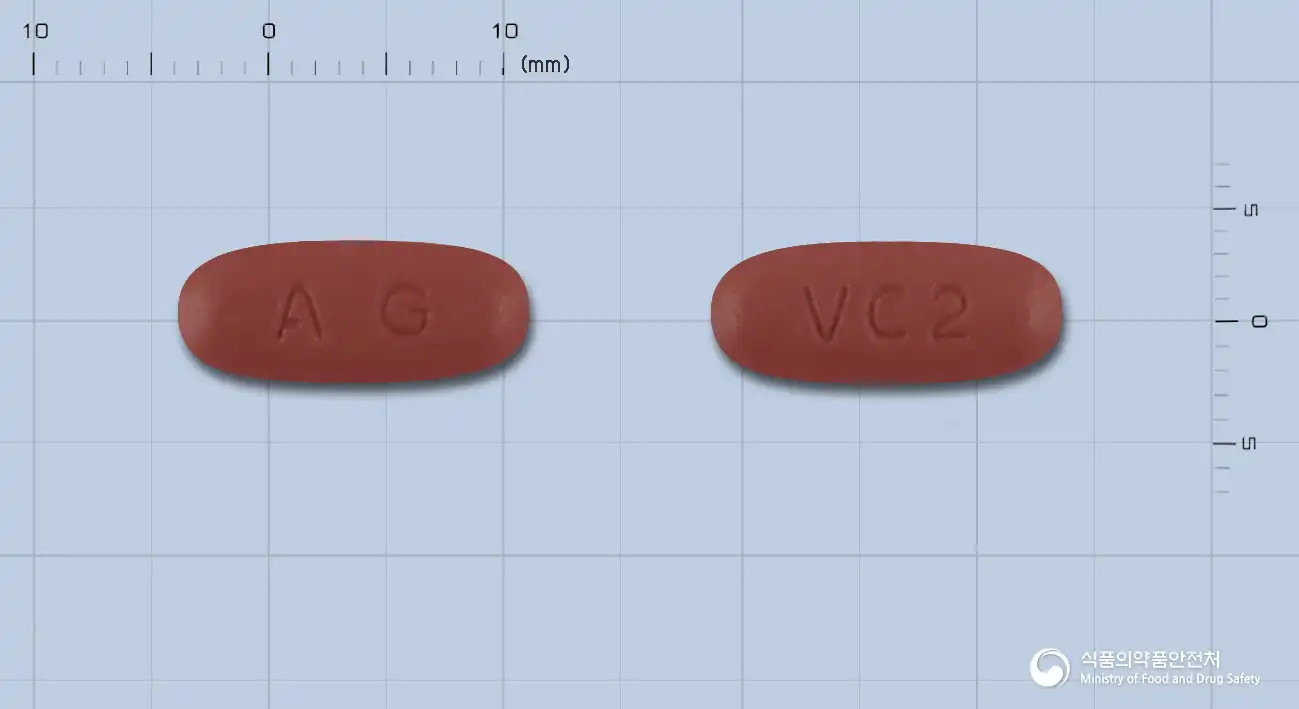 Combination
Valsartan 160mg · Hydrochlorothiazide 12.5mg
Tablet · Prescription medication · Combination
Anguk Pharmaceutical Co., Ltd.
 Combination
Valsartan 160mg · Hydrochlorothiazide 12.5mg
Tablet · Prescription medication · Combination
Albozen Korea Co., Ltd.
Even with the same ingredient, the dose and directions can differ by strength and dosage form. Talk to a doctor or pharmacist before switching from a medication you are already taking.
No questions yet.
For anything that needs medical judgment, consult a doctor or pharmacist.
This drug information is based on data provided by the Korea Ministry of Food and Drug Safety.
Consult a doctor or pharmacist for accurate dosage, administration, and usage instructions.