
 한국어
한국어 English
 日本語
日本語 中文(简体)
 Viewing now
Mebarochin 40mg (Pravastatin Sodium)
Pravastatin Sodium 40mg
Tablet · Prescription medication
HK inno.N Co., Ltd.
MFDS item code 201105270 · Approved 2011.08.12 · Insurance code 640003810
Reduction of the risk of myocardial infarction and ischemic stroke in patients with hyperlipidemia and cardiovascular disease risk
This medicine is used for primary hyperlipidemia, especially a mixed type of hypercholesterolemia and hypertriglyceridemia. It is particularly effective for men over 45 years of age at high risk of myocardial infarction and coronary artery disease death among those with hypercholesterolemia or mixed hypercholesterolemia. It reduces the risk of cardiovascular diseases such as heart attack in patients with risk factors such as a history of vascular disease, diabetes, and smoking, while maintaining high LDL levels. It also aids in the reduction of recurrent myocardial infarction, the need for cardiovascular procedures, and the risk of stroke in patients with a history of myocardial infarction or unstable angina. Therefore, this medicine is effectively used for the prevention of complications related to hyperlipidemia and vascular diseases.
Before starting treatment, a low-cholesterol diet should be initiated and maintained. The usual starting dose is 10mg, 20mg, or 40mg taken once daily. Depending on the patient's response, the dose may be increased to a maximum of 40mg. The maintenance dose is 10mg to 40mg taken once daily. For patients with a history of myocardial infarction or unstable angina, treatment should be at 40mg/day of Pravastatin Sodium. Cyclosporine.
This medicine should not be used in certain patients. For example, it should not be administered to patients with allergies to this drug, those with severely impaired liver function, pregnant or breastfeeding women, children, and patients with muscle disorders. Careful use is required in patients with decreased liver or kidney function, those taking certain medications, people who excessively consume alcohol, and patients with myasthenia gravis. Since this medicine is mainly metabolized in the liver, patients with a history of liver disease should use it cautiously. During treatment with this medicine, adverse reactions such as skin rashes, indigestion, liver function abnormalities, myalgia, or muscle weakness may occur. Muscle-related symptoms can lead to severe kidney damage, so if they appear, consult a doctor immediately. Additionally, it may affect mental health, leading to headaches, dizziness, insomnia, and depression, and in rare cases, cognitive impairments such as memory decline or confusion have been reported. Because this medicine exerts effects by inhibiting cholesterol synthesis, it should be avoided during pregnancy as it may harm the fetus. It is also recommended not to use during breastfeeding as the drug can be transmitted through breast milk. Elderly patients or those with certain conditions may require dosage adjustments, so they should take it as directed by their physician. Before taking this medicine, it is best to try dietary changes and exercise first, and if there is no therapeutic effect, discontinue the use of the medication. Regular blood tests should be conducted during treatment to monitor liver function and lipid levels. When taking other drugs in conjunction, interaction possibilities exist, so you must consult with your physician or pharmacist. Be especially cautious when co-administering drugs that can cause muscle damage. If symptoms of muscle pain, weakness, or fever occur during treatment, inform healthcare personnel immediately, and seek medical attention promptly if liver function abnormalities or respiratory symptoms appear. Finally, this medicine should be kept out of reach of children, and it is advisable not to transfer it to other containers.
Hives, severe swelling (edema), chest tightness, difficulty breathing, cold sweat, pallor, severe rash with high fever, blisters, skin peeling, pain in oral/ocular mucosa, shortness of breath or difficulty breathing, asthma attacks, abnormal respiratory symptoms accompanied by cough and fever, yellowing of skin or eyes (jaundice), extreme lethargy, sudden and severe headaches, thunderclap headache, seizures, confusion, visual disturbances, paralysis, urination issues.
Not everyone experiences these, and they can vary from person to person.
This medicine may be sensitive to air and moisture, so it must be stored in a tightly sealed container. Additionally, avoid places that are too hot or too cold, and it is best to store it at room temperature between 1 to 30 degrees Celsius.
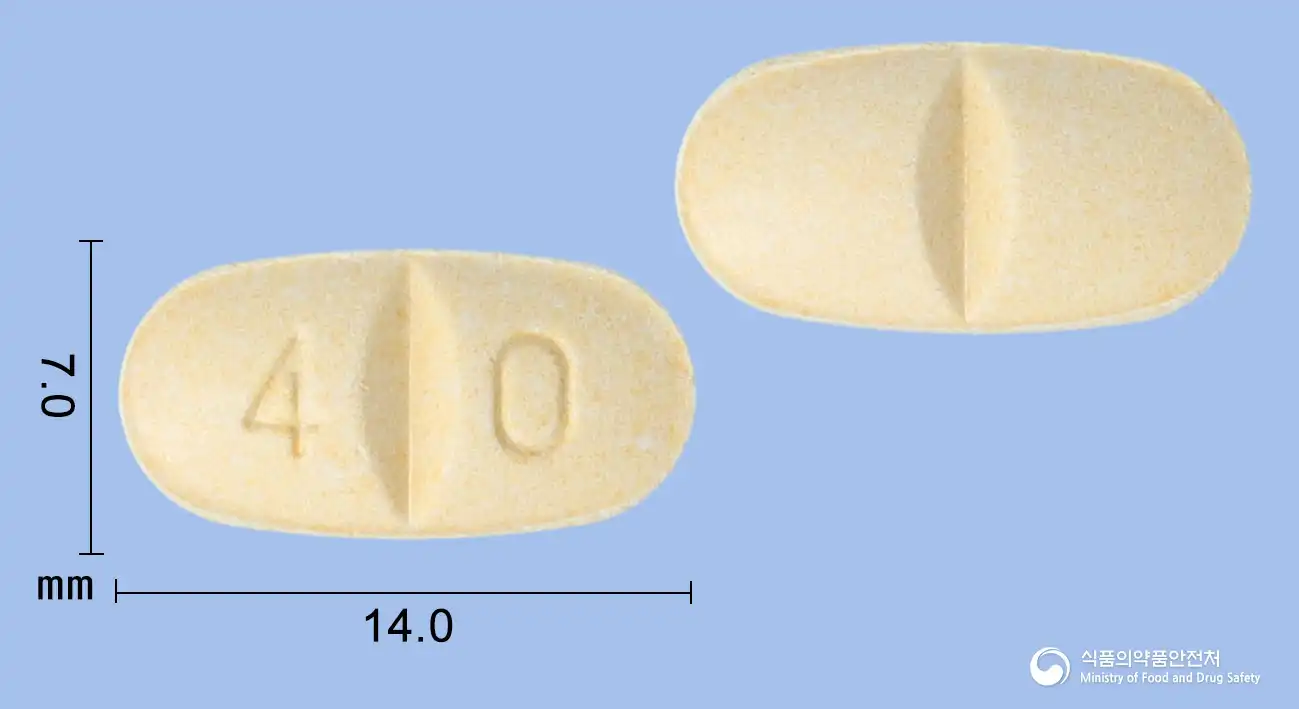
A light yellow, oval tablet with a score on both sides
100 tablets (10 tablets/PTP packaging x 10)
Even with the same ingredient, strength, dosage form and how it is taken can differ.
Viewing nowPravastatin Sodium 40mg
Tablet · Prescription medication
HK inno.N Co., Ltd.
Pravastatin Sodium 5mg
Tablet · Prescription medication
HK inno.N Co., Ltd.
Pravastatin Sodium 10mg
Tablet · Prescription medication
HK inno.N Co., Ltd.
Pravastatin Sodium 5mg
Tablet · Prescription medication
Youngjin Pharmaceutical Co., Ltd.
Pravastatin Sodium 20mg
Tablet · Prescription medication
HK inno.N Co., Ltd.
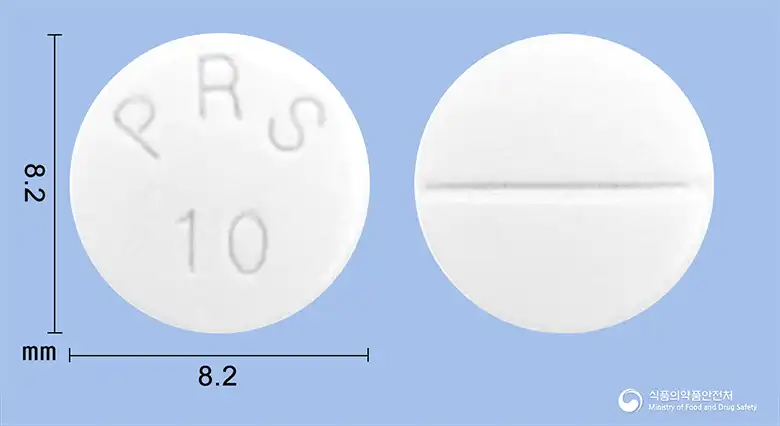
Pravastatin Sodium 10mg
Tablet · Prescription medication
Youngjin Pharmaceutical Co., Ltd.
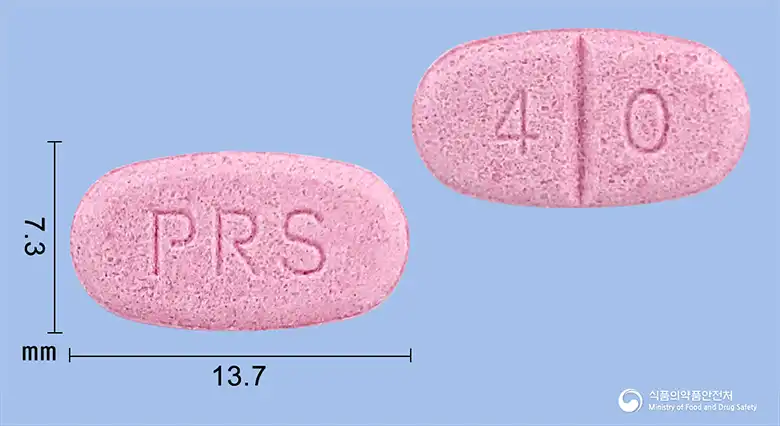
Pravastatin Sodium 40mg
Tablet · Prescription medication
Youngjin Pharmaceutical Co., Ltd.
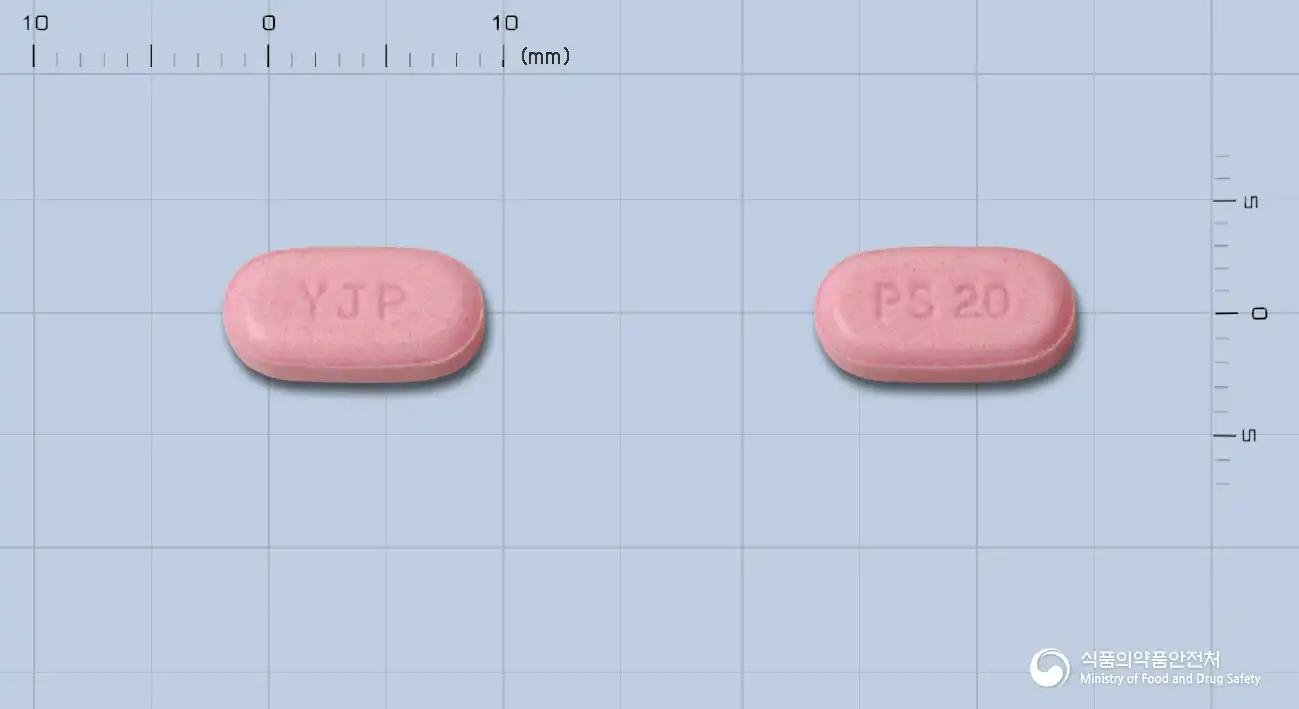
Pravastatin Sodium 20mg
Tablet · Prescription medication
Youngjin Pharmaceutical Co., Ltd.
Even with the same ingredient, the dose and directions can differ by strength and dosage form. Talk to a doctor or pharmacist before switching from a medication you are already taking.
No questions yet.
For anything that needs medical judgment, consult a doctor or pharmacist.
This drug information is based on data provided by the Korea Ministry of Food and Drug Safety.
Consult a doctor or pharmacist for accurate dosage, administration, and usage instructions.