
 한국어
 English
 日本語
 中文(简体)
Dosage form image
Viewing nowDong-A OJEX Eye Drops (Tosufloxacin Tosilate Hydrate)
Tosufloxacine Tosilate Hydrate 3mg
Eye drops · Prescription medication
Dong-A ST Co., Ltd.
MFDS item code 201104802 · Approved 2011.07.29 · Insurance code 642506601
Treatment of bacterial eye infections (including conjunctivitis and keratitis); prevention of infection during ophthalmic surgery
This medicine is effective against various bacterial infections and combats several types of bacteria, including Staphylococcus, Streptococcus, and Pneumococcus. It is primarily used for treating bacterial conjunctivitis and keratitis, especially inflammation including corneal ulcers. Additionally, it is utilized for preventive purposes in cases of blepharitis and to ensure sterility during ophthalmic surgery. This medication effectively alleviates symptoms of infection and inflammation in the eye area, aiding rapid recovery. It is used as an essential therapeutic agent for eye health management.
Adults and children: Instill 1 drop into the eye 3 times daily for 14 days. For aseptic therapy in ophthalmic surgery: Instill 5 times daily for 2 days before surgery, and 3 to 6 times daily for 14 days after surgery.
For adults and children, instill 1 drop, 3 times a day, for 14 days. For sterilization during ophthalmic surgery: instill 5 times a day for 2 days before surgery, then 3 to 6 times a day for 14 days after surgery.
This medication should not be used in patients who have had allergic reactions to quinolone antibacterial agents. During use, eye irritation or corneal issues may occur, and a severe allergic reaction may manifest, so symptoms should be carefully monitored. If symptoms such as rash, difficulty breathing, or swelling around the eyes appear, usage should be stopped immediately, and medical help should be sought. Long-term use of this medication may lead to the development of resistant bacteria, so it is important to use it only for the duration prescribed by a physician. As with other antibacterial agents, caution is advised for long-term use as there is a risk of fungal infections. In children, effects may appear more quickly than in adults, so care should be taken to avoid misuse, and there is no established safety for increased dosing. Women who are pregnant or nursing should carefully consider the benefits and risks of using this medication as its safety has not been established. This medication should strictly be used as eye drops only, and care should be taken to prevent the tip of the container from coming into direct contact with the eye to avoid contamination of the solution. When using with other eye drops, changes in formulation may occur, so the decision to use in combination should be made according to a doctor's instructions. Additionally, this medication should not be transferred to another container and should be stored in its original container to maintain quality.
Not everyone experiences these, and they can vary from person to person.
This medication should be stored in a tightly sealed container to avoid exposure to air or moisture. It is safe to store at room temperature between 1°C and 30°C.
This medication is a colorless, transparent liquid and is a sterile aqueous eye drop.
1 bottle/box [(5 mL/bottle)]
Even with the same ingredient, strength, dosage form and how it is taken can differ.
Tosufloxacine Tosilate Hydrate 3mg
Eye drops · Prescription medication
Dong-A ST Co., Ltd.
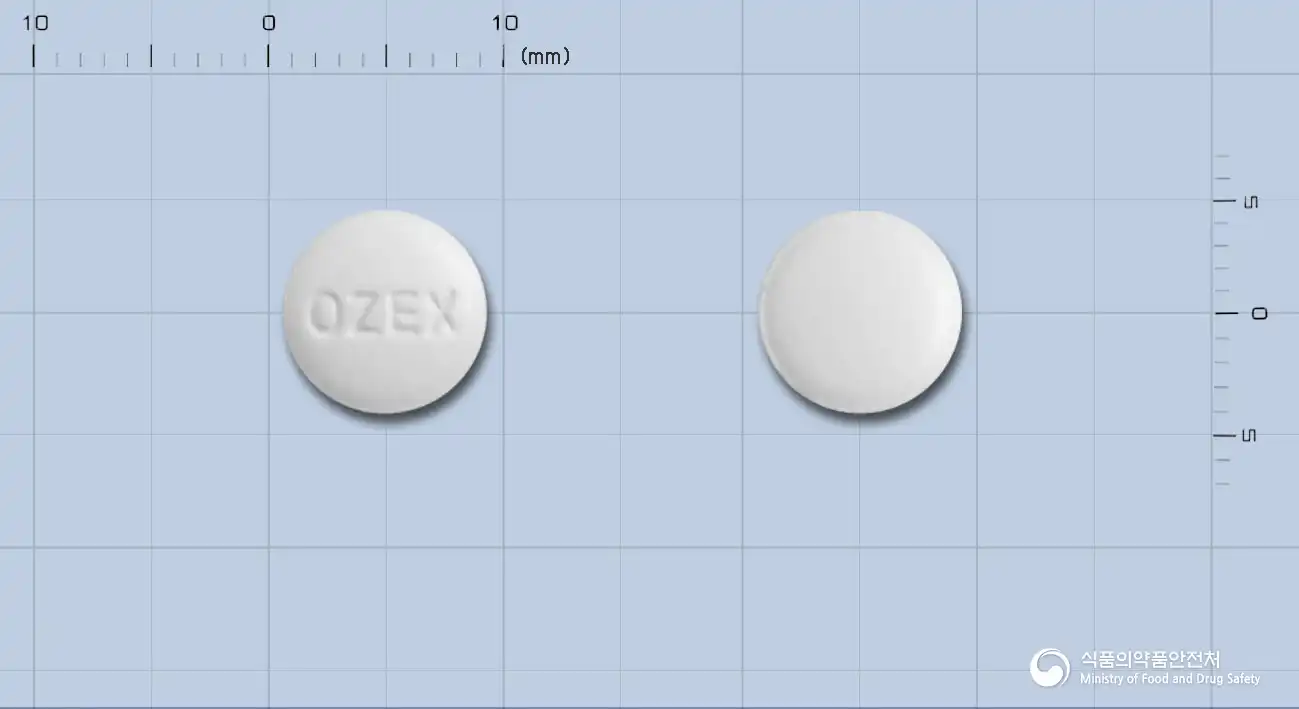
Tosufloxacine Tosilate Hydrate 150mg
Tablet · Prescription medication
SK Chemicals Co., Ltd.
Even with the same ingredient, the dose and directions can differ by strength and dosage form. Talk to a doctor or pharmacist before switching from a medication you are already taking.
No questions yet.
For anything that needs medical judgment, consult a doctor or pharmacist.
This drug information is based on data provided by the Korea Ministry of Food and Drug Safety.
Consult a doctor or pharmacist for accurate dosage, administration, and usage instructions.