
 한국어
 English
 日本語
 中文(简体)
 Viewing now
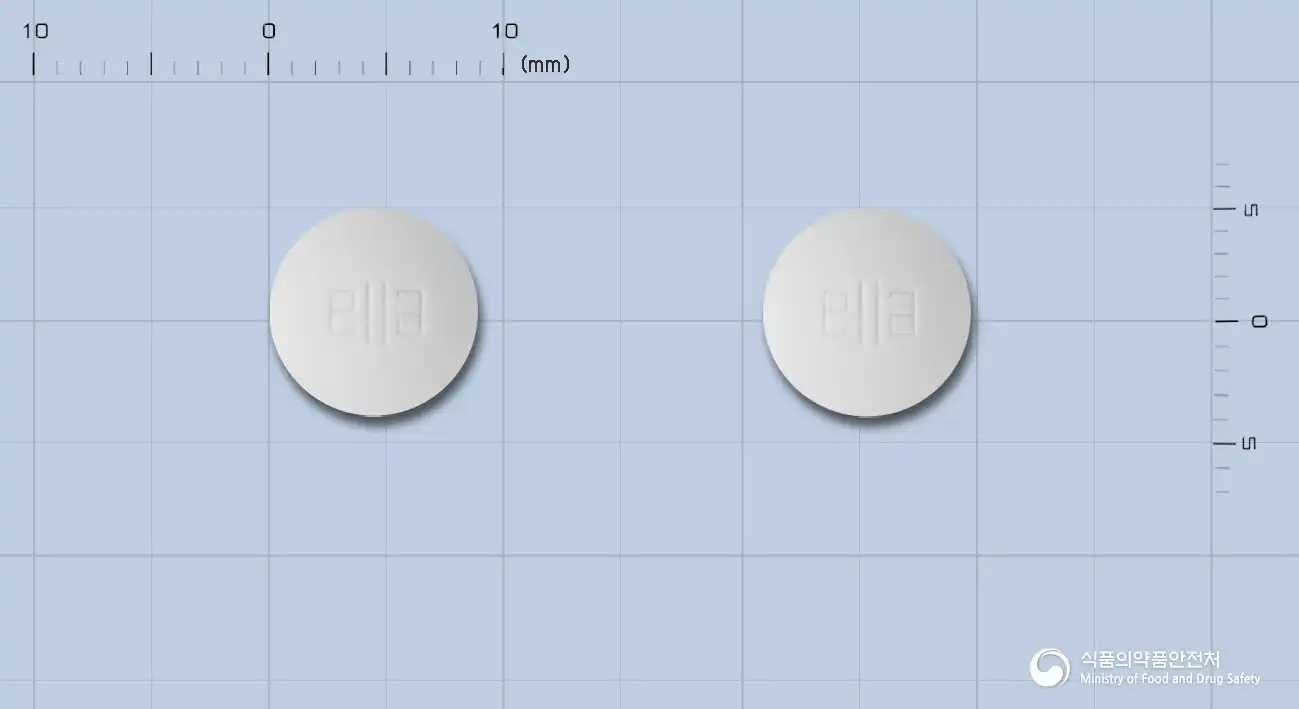
Ella Tablet (Ulipristal Acetate)
Ulipristal Acetate 30mg
Tablet · Prescription medication
Hyundai Pharmaceutical Co., Ltd.
MFDS item code 201104376 · Approved 2011.07.14
Prevention of pregnancy as emergency contraception within 120 hours (5 days) after sexual intercourse
This medication is used to prevent pregnancy when taken as soon as possible, within 120 hours, after unprotected intercourse or contraceptive failure. The sooner it is taken, the higher the effectiveness, so it is important to use it as soon as possible. It helps prevent unwanted pregnancy.
Take 1 tablet of this medicine as soon as possible after unprotected intercourse or contraceptive failure, but no later than 120 hours (5 days). If vomiting occurs within 3 hours after taking the medicine, take 1 additional tablet of this medicine immediately. It may be taken with or without food and at any time during the menstrual cycle.
This medication is intended for temporary use as an emergency contraceptive and should not be used as a substitute for regular contraceptive methods. Taking this medication does not guarantee the prevention of all pregnancies, so if there is abnormal bleeding around the expected menstrual date, or if menstruation does not occur within 7 days after the due date or pregnancy symptoms appear, a pregnancy test should be conducted. This medication should not be taken by individuals who are pregnant or allergic to any components or excipients of this medication. Additionally, patients with specific genetic issues such as lactose intolerance should not use this medication. In cases where there is a risk of ectopic pregnancy, if abdominal pain appears after taking this medication, the possibility of ectopic pregnancy should be considered, and it is advisable to continue checking the pregnancy status and health condition thereafter. Patients with severe asthma or significant liver disease should use this medication with caution. Various side effects may occur after taking this medication, including headaches, nausea, abdominal pain, fatigue, skin rash, and menstrual irregularities, most of which are mild to moderate and recover quickly. Menstruation usually starts around the expected date after taking this medication, but it may start earlier or be delayed, and some individuals may experience intermenstrual bleeding. It is not recommended to take this medication more than once a month. If repeated emergency contraception is necessary, long-term contraceptive methods should be considered. This medication should be used along with non-hormonal contraceptive methods such as condoms or spermicides and must be taken within 120 hours after intercourse to be effective. If pregnancy occurs after taking this medication, the possibility of ectopic pregnancy should always be considered, and uterine bleeding may also indicate continuing ectopic pregnancy. This medication does not prevent HIV or other sexually transmitted diseases, so separate measures are necessary for STD prevention. The effectiveness of this medication may be reduced or increased when taken with other drugs, so caution should be exercised, especially when used in conjunction with specific antibiotics, antiepileptics, or gastrointestinal medications. It should not be used during pregnancy or if pregnancy is suspected, and nursing mothers are advised to refrain from breastfeeding for at least one week after taking this medication. Safety for children and adolescents has not been sufficiently validated. No serious side effects have been reported in cases of overdose, but immediate medical consultation is recommended if necessary. This medication should be stored out of reach of children, kept in its original packaging to avoid light exposure, and should not be transferred to other containers.
Not everyone experiences these, and they can vary from person to person.
This medication should be stored at room temperature between 1 to 30 degrees Celsius, in a sealed container to prevent air ingress. Storing it this way helps maintain the effectiveness of the medication and prevent degradation.
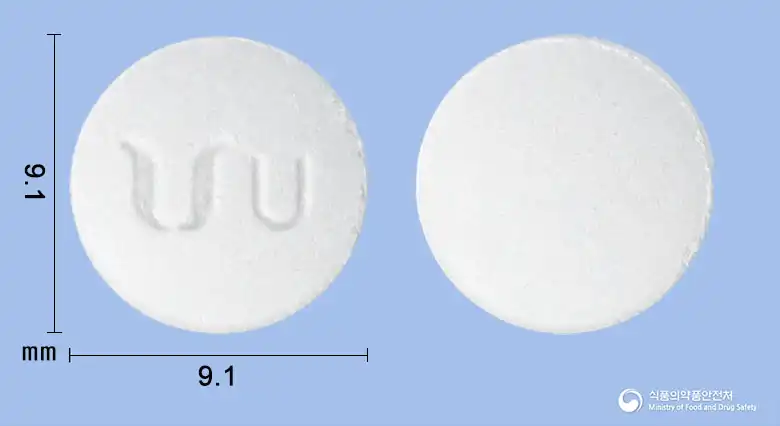
White to grayish-white round tablet
1 tablet (1 tablet/PTPX1)
Even with the same ingredient, strength, dosage form and how it is taken can differ.
Viewing nowUlipristal Acetate 30mg
Tablet · Prescription medication
Hyundai Pharmaceutical Co., Ltd.
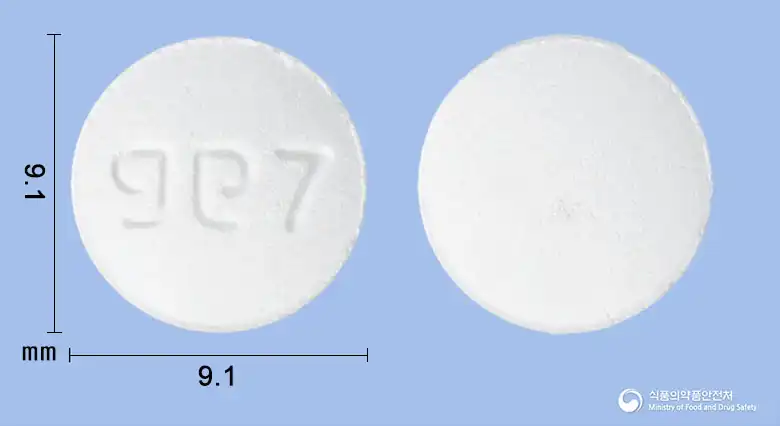
Ulipristal Acetate 30mg
Tablet · Prescription medication
G.L. Pharma Co., Ltd.
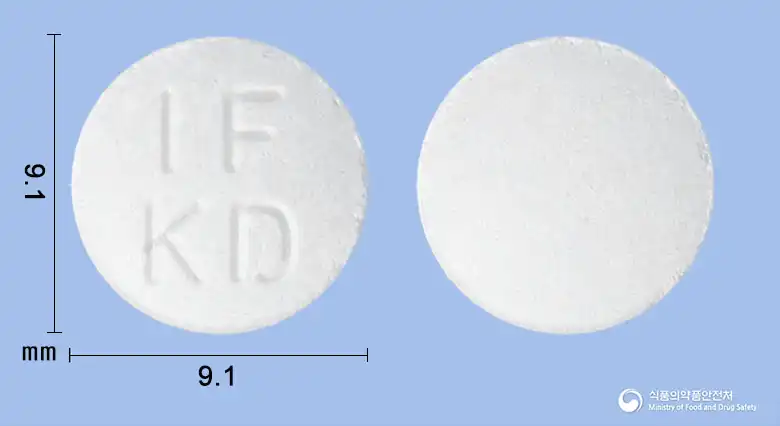
Ulipristal Acetate 30mg
Tablet · Prescription medication
Kwangdong Pharmaceutical Co., Ltd.
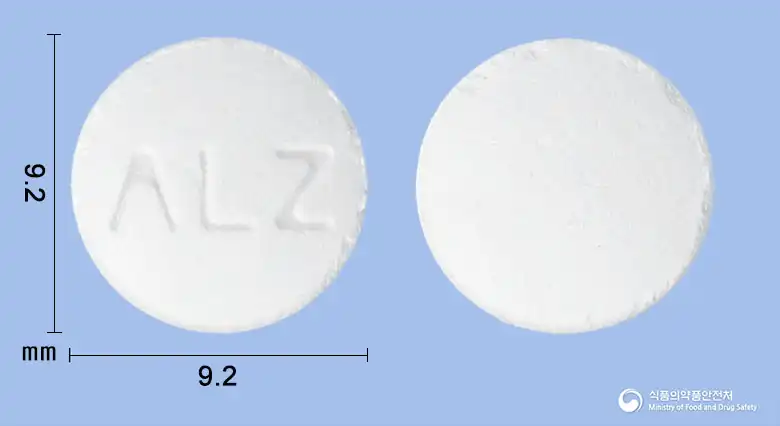
Ulipristal Acetate 30mg
Tablet · Prescription medication
Allico Pharmaceutical Co., Ltd.
Ulipristal Acetate 30mg
Tablet · Prescription medication
DeYu Pharmaceutical Co., Ltd.
Even with the same ingredient, the dose and directions can differ by strength and dosage form. Talk to a doctor or pharmacist before switching from a medication you are already taking.
No questions yet.
For anything that needs medical judgment, consult a doctor or pharmacist.
This drug information is based on data provided by the Korea Ministry of Food and Drug Safety.
Consult a doctor or pharmacist for accurate dosage, administration, and usage instructions.