
 한국어
 English
 日本語
 中文(简体)
Dosage form image
Viewing nowNicorette Invisipatch (Nicotine)
Nicotine 15.75mg
Patch · OTC medication
Johnson & Johnson Korea, Ltd.
MFDS item code 201104297 · Approved 2011.07.07
Smoking cessation treatment as an aid to smoking cessation
This medication is used as an adjunct therapy to assist in quitting smoking. It helps reduce withdrawal symptoms and alleviate the urge to smoke for individuals attempting to quit. This contributes to increased success rates in quitting smoking and improving health.
When using this product, you must stop smoking completely. Apply 1 patch each morning as soon as you wake up and remove it at bedtime. With clean hands, peel off one side of the release liner, apply the patch to a dry, intact, hairless area of skin (such as the buttock, upper arm, or chest), and then remove the remaining release liner and press the patch down firmly. Take care not to touch the adhesive side of the patch directly with your hands. Press firmly with the palm or fingers, and rub along the edges with your fingers to ensure that it adheres well. Change the application site every day. The dose and duration of treatment with Nicorette Invisi Patch are determined based on the patient's nicotine dependence. For smokers who smoke 20 or more cigarettes per day, initiate treatment with the 25mg/16hours patch and use it for 8 weeks. Thereafter, gradually reduce the amount of nicotine by using the 15mg/16hour patch for 2 weeks, followed by the 10mg/16hours patch for the final 2 weeks. For smokers who smoke fewer than 20 cigarettes per day, initiate treatment with the 15mg/16hours patch and use it for about 8 weeks. Thereafter, use the reduced-dose 10mg/16hours patch for 4 weeks. In general, do not use the product for a total period exceeding 6 months. Smokers who smoke 20 or more cigarettes per day Step 1: 25mg/16hours patch, first 8 weeks Step 2: 15mg/16hours patch, next 2 weeks Step 3: 10mg/16hours patch, final 2 weeks Smokers who smoke fewer than 20 cigarettes per day Step 2: 15mg/16hours patch, first 8 weeks Step 3: 10mg/16hours patch, final 4 weeks
This medication should only be used by patients who are firmly committed to quitting smoking. Continuing to smoke while using this medication may increase the risk of heart and vascular problems. Individuals who are allergic to any of the ingredients in this medication should not use it. Those with chronic skin diseases or sensitive skin are also advised not to use it. Individuals with severe heart or vascular issues or who have recently experienced a heart attack should not use this medication. People who have had a stroke or cerebrovascular disease should not use this medication, either. Pregnant women should not use this medication as it can be harmful to the fetus. Lactating women should also avoid using this medication as it may affect the baby. Children or adolescents under 18 years of age should not use this medication, as its safety and efficacy are not established. Non-smokers or occasional smokers should also not use this medication. Before using this medication, individuals with gastrointestinal issues, cardiovascular diseases such as heart disease or hypertension should consult their doctor or pharmacist. Elderly individuals or those with decreased kidney or liver function should also consult a professional. Those with diabetes may need to adjust insulin levels after quitting smoking, so caution is advised. Individuals with hyperthyroidism or a history of seizures should undergo careful evaluation before using this medication. While using this medication, symptoms such as dizziness, headache, anxiety, and sleep issues may occur, and skin side effects such as redness or itching can commonly arise. If severe skin reactions or other unusual symptoms occur, use should be immediately discontinued and a professional consulted. Using multiple patches at once may lead to nicotine overdose, so only one patch should be used at a time. Nicotine can be very dangerous and fatal to children, so it must be stored out of reach of children. If you are taking any other medications while using this medication, please consult your doctor or pharmacist due to the possibility of drug interactions. If an overdose is suspected or symptoms of poisoning arise, the patch should be immediately removed and the skin washed thoroughly before seeking medical attention. Overdose may result in severe symptoms such as vomiting, abdominal pain, dizziness, seizures, and difficulty breathing. When storing this medication, keep it in a cool, dry place away from direct sunlight, and ensure it is stored in a safe place out of reach of children. Do not transfer this medication to other containers, and it is important to maintain its original packaging for quality preservation.
Not everyone experiences these, and they can vary from person to person.
This medication may interact with paracetamol, caffeine, imipramine, oxazepam, pentazocine, propranolol, theophylline, warfarin, estrogen, lignocaine, phenacetin, insulin, adrenergic antagonists (such as prazosin, labetalol, etc.), flecainide, adrenergic agonists (such as isoproterenol, phenylephrine), propoxyphene, furosemide diuretics, H2 antagonists, beta-blockers, theophylline, tacrine, clozapine, and ropinirole.
This medication can be sensitive to air and moisture, so it should be kept in a sealed container. Additionally, it should be stored at a cool temperature below 25 degrees Celsius to maintain its efficacy.
A semi-transparent brownish rectangular patch consisting of a support layer, nicotine layer, adhesive/release layer, and release liner.
7 pieces/box
Even with the same ingredient, strength, dosage form and how it is taken can differ.
Nicotine 15.75mg
Patch · OTC medication
Johnson & Johnson Korea, Ltd.
Nicotine 14mg
OTC medication
Samyang Biopharm Co., Ltd.
Nicotine 28mg
OTC medication
Samyang Biopharm Co., Ltd.
Nicotine 42mg
OTC medication
Samyang Biopharm Co., Ltd.
Nicotine 17.5mg
Patch · OTC medication
GP Therapeutics Korea Co., Ltd.
Nicotine 35mg
Patch · OTC medication
GP Therapeutics Korea Co., Ltd.
Nicotine 52.5mg
Patch · OTC medication
G-P Therapeutics Korea Co., Ltd.
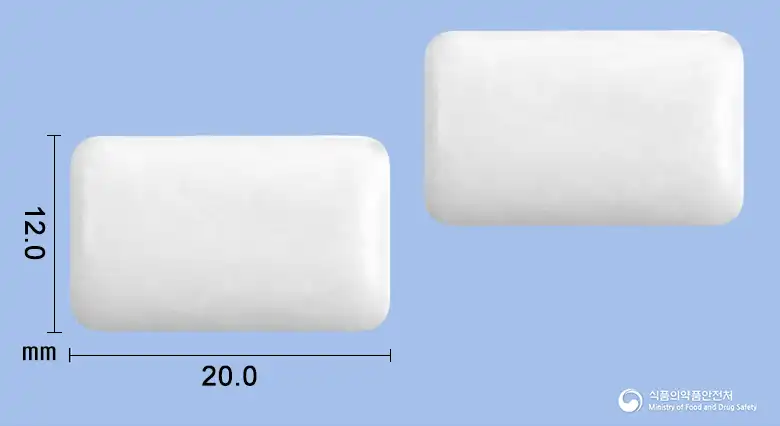
Nicotine 2mg
OTC medication
GPT Therapeutics Korea Co., Ltd.
Even with the same ingredient, the dose and directions can differ by strength and dosage form. Talk to a doctor or pharmacist before switching from a medication you are already taking.
No questions yet.
For anything that needs medical judgment, consult a doctor or pharmacist.
This drug information is based on data provided by the Korea Ministry of Food and Drug Safety.
Consult a doctor or pharmacist for accurate dosage, administration, and usage instructions.