
 한국어
한국어 English
 日本語
日本語 中文(简体)
 Viewing now
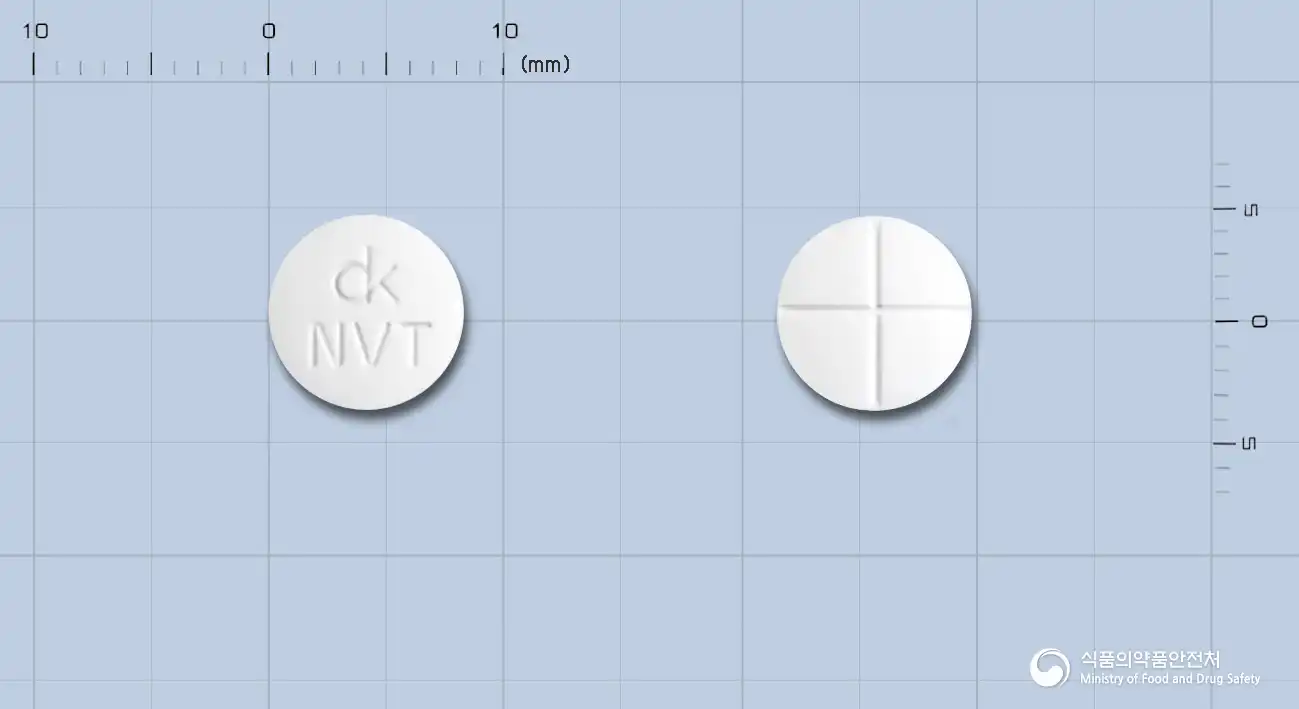
Nebotron Tablet (Nebivolol Hydrochloride)
Nebivolol Hydrochloride 5.45mg
Tablet · Prescription medication
Dongkuk Pharmaceutical Co., Ltd.
MFDS item code 201104063 · Notified 2011.06.30 · Insurance code 653402480
Improvement of essential hypertension and chronic heart failure (adjunct treatment in the elderly)
This medication is used as an adjunct to the standard treatment for essential hypertension and mild to moderate chronic stable heart failure, particularly in patients aged 70 years and older. It effectively controls hypertension, reducing the risk of cardiovascular diseases, and helps alleviate symptoms of heart failure. Therefore, this medication is used for the treatment of hypertension and chronic heart failure in the elderly.
Essential hypertension: Nebivolol 5 mg should be taken orally once a day at the same time. The antihypertensive effect usually appears after 1-2 weeks of treatment, and in some cases, it may be observed after 4 weeks. It can be taken with food. Renal impairment patients: Initial dose is Nebivolol 2.5 mg orally once a day, and if necessary, the daily dose can be increased to 5 mg. Elderly patients: For those over 65 years, the initial dose is 2.5 mg orally once a day, and it can be increased to 5 mg if necessary. For those over 75 years, careful monitoring is required during administration.
This medication should not be used in patients with certain diseases. For example, it should not be administered to patients with allergies to this medication or those with bronchial asthma, serious heart issues, or severely impaired liver or kidney function. Pregnant or breastfeeding women are also advised not to use this medication. Patients with hereditary lactose intolerance should exercise caution. Patients with uncontrolled chronic lung disease or heart failure, diabetes, and the elderly should use this medication with particular care. This medication may affect blood pressure and heart rate, thus close monitoring by a physician is necessary for these patients. Various side effects may occur when using this medication. Such as skin rashes, dizziness, headaches, dyspepsia, shortness of breath, fatigue, etc., and in severe cases, heart function deterioration or vascular problems may arise. If undergoing surgery, the use of this medication may need to be discontinued beforehand, and sudden discontinuation can worsen heart problems, so it should be gradually tapered off. This medication can interact with other drugs, so caution is needed when taken alongside calcium channel blockers, antiarrhythmics, central nervous system agents, diabetes medications, etc. Especially, when used with certain drugs, the risk of reduced heart rate or hypotension may increase. In pregnant or breastfeeding cases, side effects may occur in the fetus or newborn, so it is safer not to take this medication. It is not recommended for children under 18 years old as safety and efficacy have not been established. In the elderly, treatment should start at a low dose and be increased gradually with close monitoring of the condition. If an overdose occurs, symptoms such as severe bradycardia, hypotension, or difficulty breathing may manifest; immediate medical treatment should be sought. Treatment may include gastric lavage, discontinuation of the medication, and the use of drugs like atropine.
Not everyone experiences these, and they can vary from person to person.
This medication should be stored in a tightly sealed container to prevent exposure to air or moisture. It is best to store it at room temperature, between 1 to 30 degrees Celsius.
White round tablet
30 tablets/bottle, 100 tablets/bottle
Even with the same ingredient, strength, dosage form and how it is taken can differ.
Viewing nowNebivolol Hydrochloride 5.45mg
Tablet · Prescription medication
Dongkuk Pharmaceutical Co., Ltd.
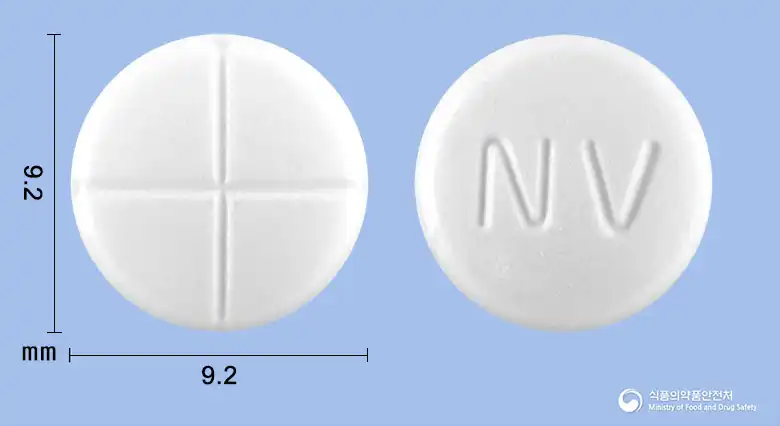
Nebivolol Hydrochloride 5.45mg
Tablet · Prescription medication
Chodang Pharmaceutical Co., Ltd.
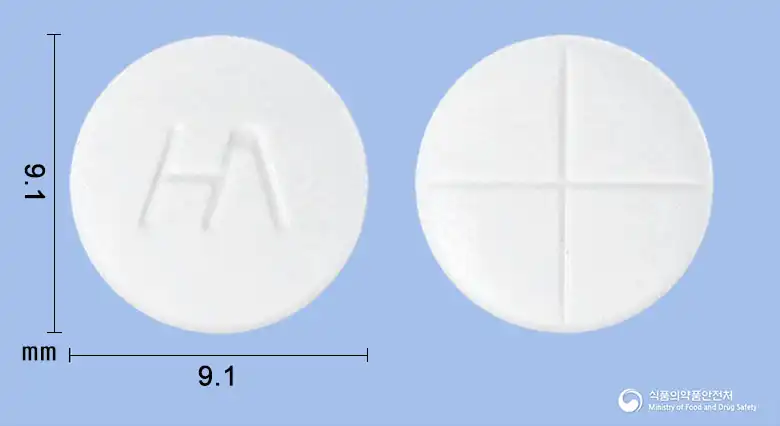
Nebivolol Hydrochloride 5.45mg
Tablet · Prescription medication
Hanol Bio Pharma Co., Ltd.
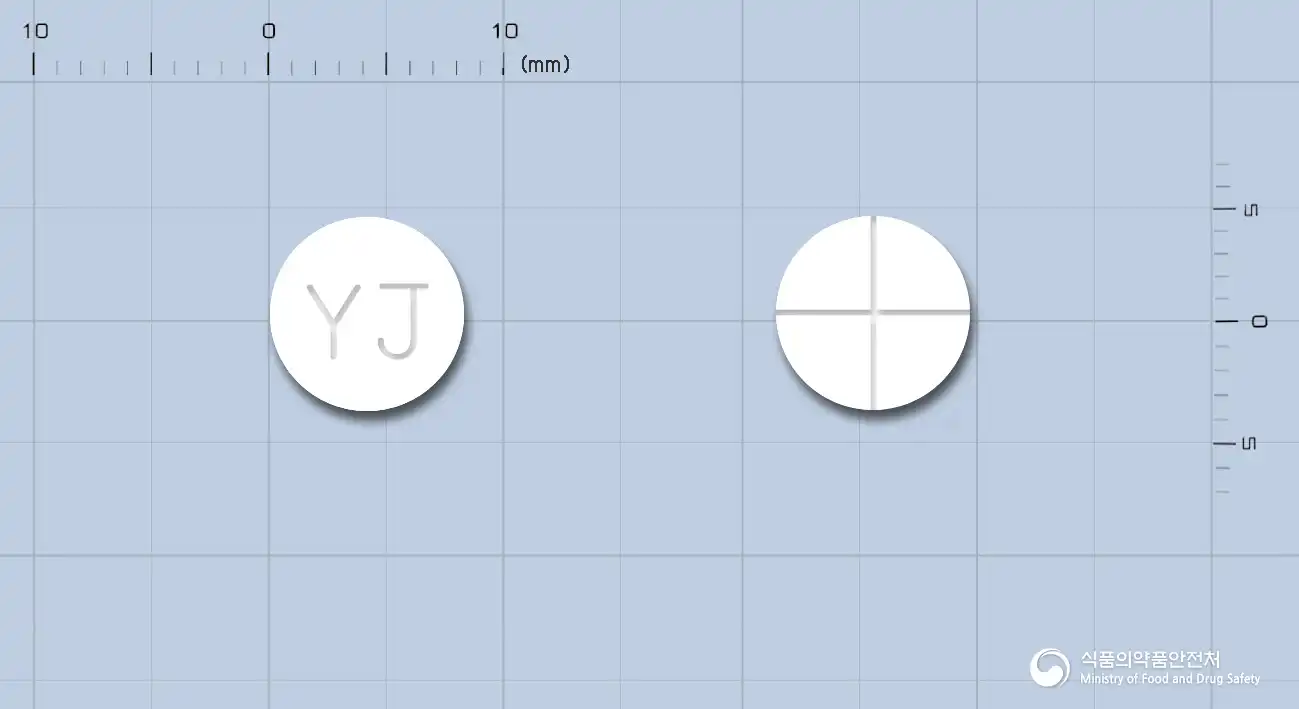
Nebivolol Hydrochloride 5.45mg
Tablet · Prescription medication
Youngjin Pharmaceutical Co., Ltd.
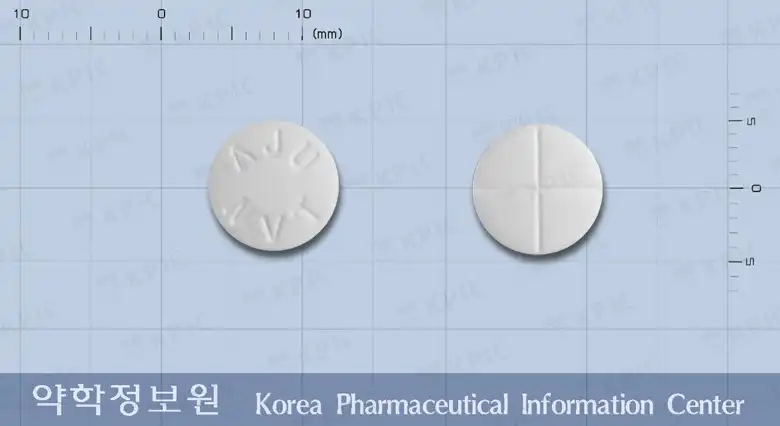
Nebivolol Hydrochloride 5.45mg
Tablet · Prescription medication
Aju Pharmaceuticals Co., Ltd.
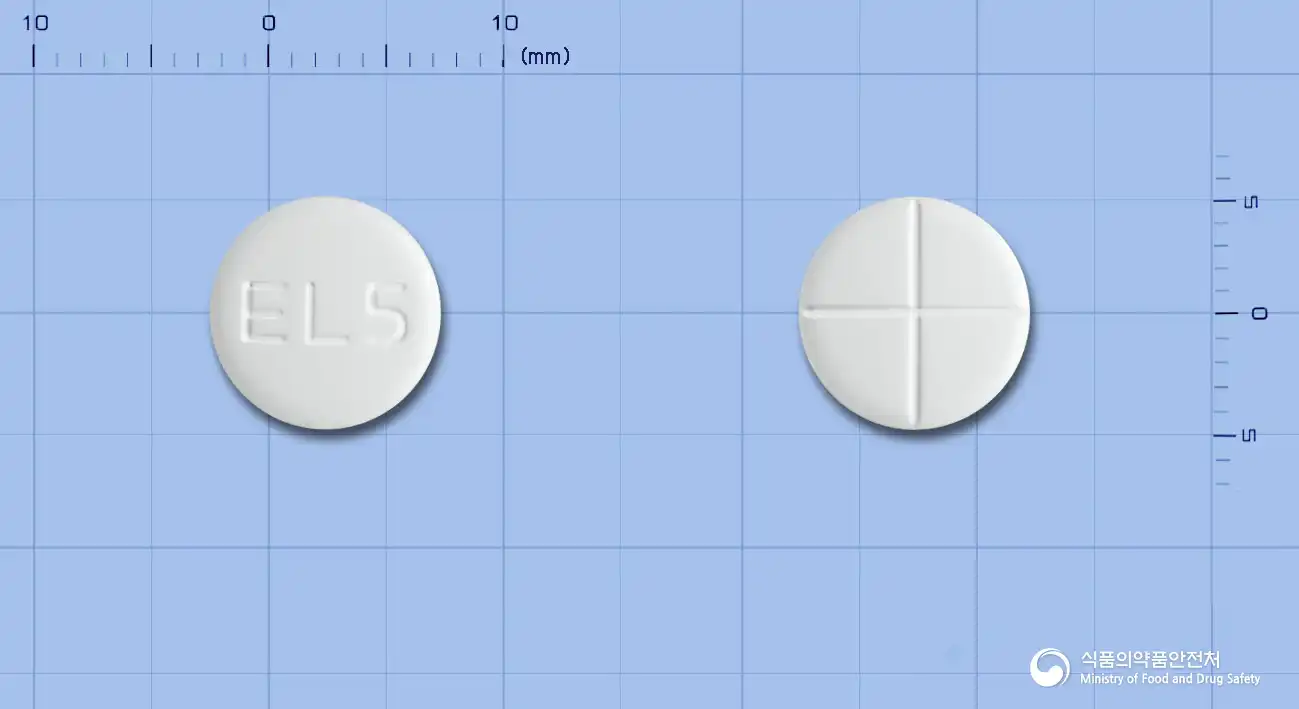
Nebivolol Hydrochloride 5.45mg
Tablet · Prescription medication
Ellison Pharmaceutical Co., Ltd.
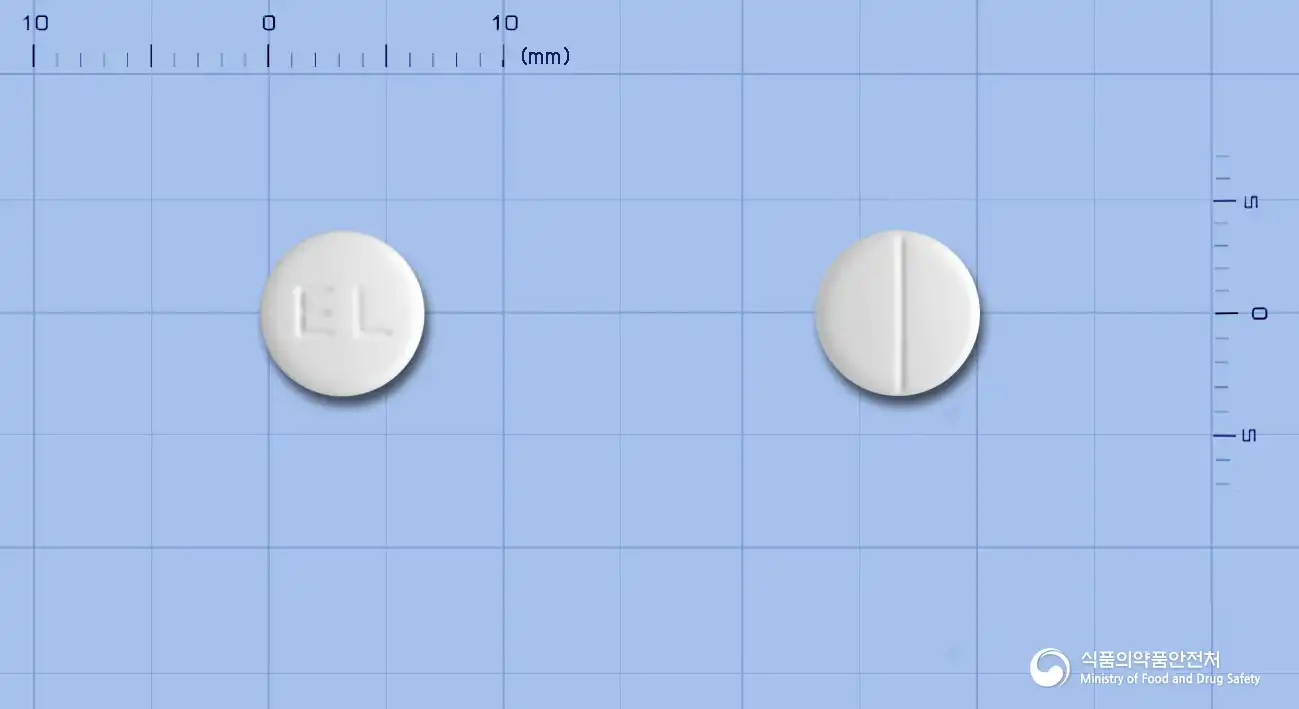
Nebivolol Hydrochloride 2.725mg
Tablet · Prescription medication
Erison Pharm Co., Ltd.
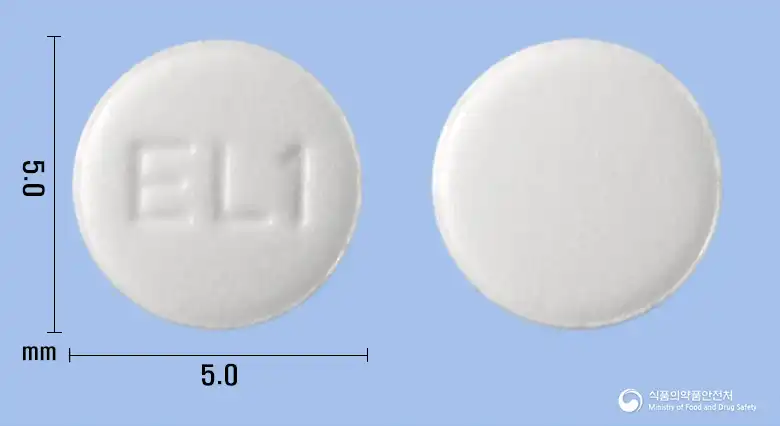
Nebivolol Hydrochloride 1.3625mg
Tablet · Prescription medication
Ellison Pharmaceutical Co., Ltd.
Even with the same ingredient, the dose and directions can differ by strength and dosage form. Talk to a doctor or pharmacist before switching from a medication you are already taking.
No questions yet.
For anything that needs medical judgment, consult a doctor or pharmacist.
This drug information is based on data provided by the Korea Ministry of Food and Drug Safety.
Consult a doctor or pharmacist for accurate dosage, administration, and usage instructions.